
Selecting the right reflective motorcycle vest for night riding in the Philippines requires balancing high-visibility performance with tropical comfort. Navigating local roads after dark presents unique hazards, from poorly lit provincial highways to sudden downpours that severely limit driver visibility. A dedicated reflective vest serves as a critical safety layer, ensuring that other motorists can spot you from a safe distance. To make an informed choice, you must evaluate the quality of the retroreflective materials, the breathability of the base fabric, and how well the vest integrates with your existing riding gear.
Understanding Night Riding Visibility Risks
Riding a motorcycle at night in the Philippines exposes you to a complex mix of lighting environments. In major metropolitan areas like Metro Manila or Cebu, the challenge is often visual clutter. Bright streetlights, neon storefront signs, and the glare of oncoming headlights can make a motorcycle’s single taillight blend into the background. Conversely, when traveling along provincial bypass roads or rural highways, you may encounter stretches with no ambient street lighting at all. In these pitch-black conditions, a standard motorcycle silhouette becomes virtually invisible to drivers approaching from behind or turning at intersections.
There is a vital distinction between seeing the road ahead and being seen by others. While a high-quality aftermarket LED headlight helps you spot potholes and road debris, it does not guarantee that a driver merging from a side street will notice your presence. A reflective vest addresses this gap by utilizing the headlights of other vehicles to illuminate your torso, creating a highly visible outline that signals a human presence on the road.
Products mentioned in this guide
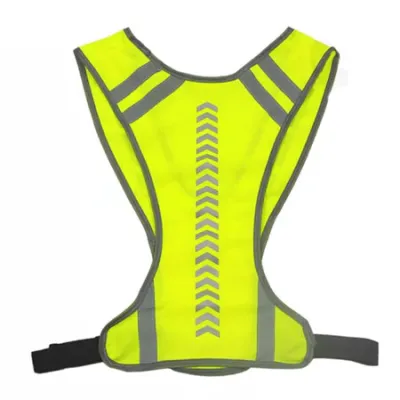
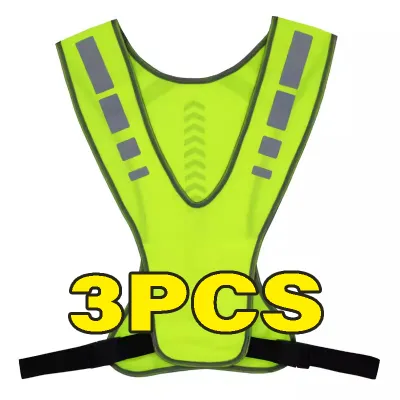
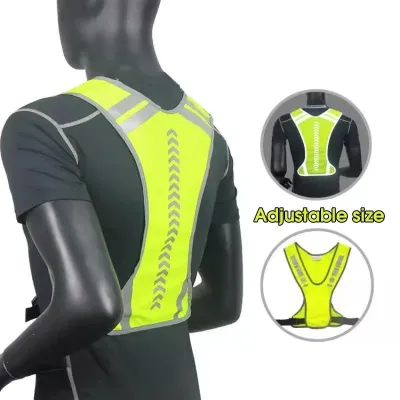
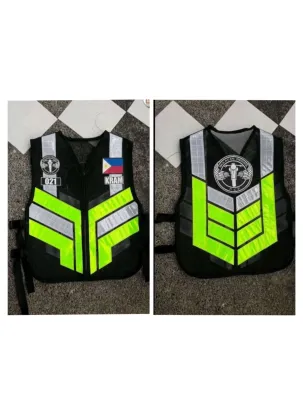
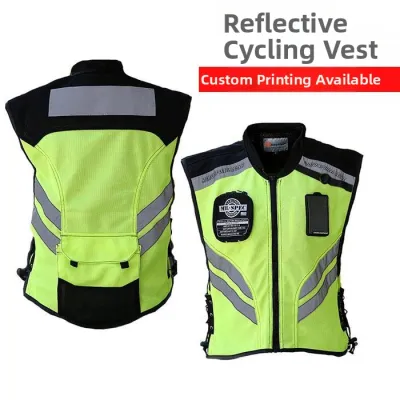
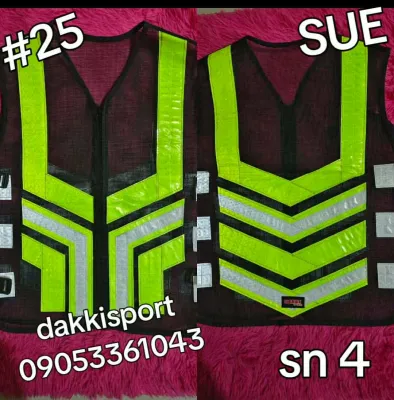
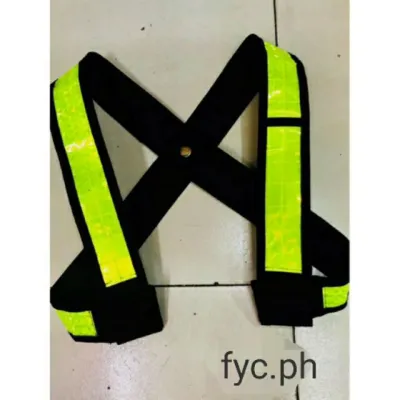
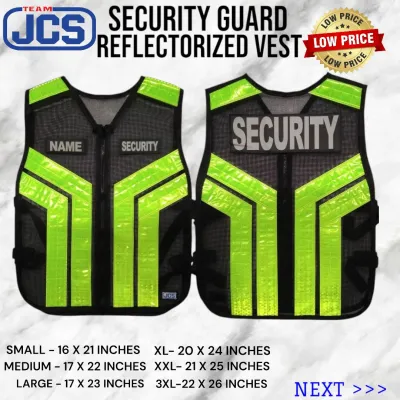
Prices are valid at publication and may change. Please refer to the product page for the latest price.
Furthermore, weather conditions in the Philippines can change rapidly. A sudden afternoon thunderstorm can turn a clear day into a dark, low-visibility environment in minutes. During these heavy downpours, water droplets on car windshields and helmet visors distort light, making it even harder for drivers to spot a motorcycle. A reflective vest provides a consistent point of reference, cutting through the visual noise of rain and road spray.
To understand why a dedicated reflective vest is necessary, it helps to know how different materials interact with light. Standard high-visibility fluorescent colors, such as neon yellow or bright orange, rely on ultraviolet light from the sun to glow brightly. During the day and through the transition of dusk, these colors are highly effective. However, once complete darkness sets in, fluorescent fabrics lose their daytime glow because there is no ambient UV light to activate them. Retroreflective materials, on the other hand, are engineered specifically for nighttime safety. They do not rely on ambient light; instead, they gather the light from approaching vehicle headlights and bounce it directly back to the driver’s eyes, making you stand out in the dark.
Core Features to Evaluate in a Reflective Motorcycle Vest
When shopping for a reflective motorcycle vest, the type of reflective material used is the most critical factor. The two primary technologies you will encounter are glass bead fabrics and micro-prismatic tapes. Glass bead technology uses millions of microscopic glass spheres embedded in a fabric backing to scatter light. While glass bead vests are highly flexible and comfortable, they tend to scatter light in a wider, less concentrated pattern, which can reduce their effective visibility distance. Micro-prismatic tape utilizes tiny, precision-engineered prisms to bounce light back in a highly concentrated beam. This material is exceptionally bright and can be seen from much greater distances, though it is often stiffer and less breathable than glass bead alternatives.

Placement and coverage area are equally important for ensuring 360-degree visibility. A high-quality vest should feature reflective strips that run horizontally around your midsection and vertically over your shoulders. This configuration ensures that you are visible from the front, back, and sides. Shoulder panels are particularly crucial because they remain visible even if you are carrying a backpack or if your riding position causes you to lean forward, which can sometimes obscure lower back panels. Look for designs that incorporate reflective piping along the seams to outline your physical shape, helping other drivers quickly recognize you as a motorcyclist rather than a stationary road sign.
When evaluating the placement of reflective elements, pay close attention to the sides of the vest. Many accidents occur at intersections where a driver turning left or right fails to see a motorcycle approaching from the side. Vests with reflective side panels or adjustable straps made of reflective material significantly improve your lateral visibility, giving other motorists a clear warning as you pass through intersections.
The base fabric color of the vest plays a supportive role during transitional lighting periods. While the reflective strips do the heavy lifting at night, a bright neon yellow, green, or orange base fabric ensures you remain highly visible during dusk, dawn, and overcast rainy days. This dual-contrast design provides continuous protection across changing weather and lighting conditions.
Evaluating the price-to-value ratio of these vests in Philippine Pesos (₱) requires looking beyond the initial cost. While basic utility vests are available at very low prices, they often use cheap reflective paints that crack and peel after a few rides in the sun and rain. Investing in a mid-range or premium motorcycle-specific vest, which may cost anywhere from a few hundred to several thousand pesos, ensures you get durable stitching, heavy-duty zippers, and certified retroreflective materials that maintain their performance over years of daily commuting.
Vest Styles and Configurations for Different Riding Conditions
The tropical climate of the Philippines demands careful consideration of a vest’s physical design. Riding in high humidity and heat means that wearing a heavy, non-breathable vest can quickly lead to overheating and rider fatigue. For daily commuting and long daytime-to-nighttime rides, mesh vests are highly recommended. These vests feature a lightweight, open-weave polyester mesh base that allows air to flow freely through your riding jacket’s ventilation panels. This setup keeps you cool while still providing the necessary reflective coverage when the sun goes down.
However, the Philippine weather is notoriously unpredictable, with sudden downpours during the monsoon season. For riders who frequently travel during the rainy season, a windproof or water-resistant outer layer vest can be highly beneficial. These vests are typically constructed from solid polyester or nylon with a polyurethane coating. While they offer less ventilation, they help keep your inner riding gear dry and block chilly winds during late-night or early-morning rides through elevated regions like Baguio or Marilaque.
For riders who commute daily in heavy urban traffic, such as along EDSA or C5, a mesh vest with integrated utility pockets is highly practical. These pockets allow you to keep essential items like tollway RFID cards, parking tickets, or emergency contact cards easily accessible without having to unzip your main riding jacket. This convenience reduces distractions and keeps you focused on the road ahead.
Another key design choice is the structural style of the vest: harness-style suspenders versus full-coverage zip-up vests. Harness-style vests consist of adjustable elastic straps with reflective tape running along them. They are incredibly lightweight, pack down to a very small size, and can be easily adjusted to fit over any riding jacket, from a light summer mesh jacket to a heavy armored leather jacket. The trade-off is that they offer less surface area for reflective material compared to full-coverage zip-up vests. Full-coverage vests provide a more secure fit, often include useful pockets for storing registration documents or small items, and offer a larger canvas for high-visibility patterns, though they take up more storage space when off the bike.
Verifying Safety Labels and Product Specifications
To ensure that a reflective vest actually provides the life-saving visibility it promises, you must learn to verify safety labels and product specifications. Many generic vests sold online make bold claims about visibility but lack any standardized testing. When browsing local motorcycle accessory shops or online marketplaces, look for product tags that reference recognized international safety standards. The most common standards for high-visibility clothing are EN ISO 20471 (the European standard) and ANSI/ISEA 107 (the American standard). A vest certified under these standards has undergone rigorous testing to ensure its reflective materials meet specific brightness and durability benchmarks.
If the manufacturer provides detailed specifications, check for the retroreflective coefficient, often measured in candelas per lux per square meter (cd/lx/m²). High-quality reflective tapes typically have a coefficient rating of 330 or higher, ensuring they reflect light intensely even from extreme angles.
In addition to checking for standard certification codes, inspect the quality of the stitching holding the reflective strips to the base fabric. Double-stitched seams are far more resilient against the high-velocity winds experienced during highway riding. If the reflective tape is merely glued or heat-pressed onto a cheap mesh fabric, it is highly likely to peel off after a few encounters with heavy rain and wind.
Be highly skeptical of vague product descriptions that simply label a vest as “reflective” or “high-vis” without providing any material specifications, brand names of the reflective tape, or certification details. Extremely cheap vests often use reflective materials that degrade rapidly when exposed to UV rays or moisture, rendering them useless after just a few weeks of exposure to the intense Philippine sun.
Sizing, Fit, and Layering for Riding Comfort
A reflective vest can only protect you if it fits correctly and comfortably over your standard riding gear. When choosing a size, never base your decision on your standard t-shirt size. Instead, put on your thickest armored riding jacket and take accurate measurements of your chest and waist. Most motorcycle-specific vests are designed with a slightly larger cut to accommodate armor, but verifying the manufacturer’s sizing chart against your layered measurements is the only way to guarantee a proper fit.
Look for vests that offer adjustability features to fine-tune the fit. Side adjustment straps, hook-and-loop tabs, or expandable elastic side panels are incredibly valuable. These features allow you to tighten the vest so that it fits snugly against your body. A loose, baggy vest will flap violently at highway speeds, which is not only highly distracting and fatiguing but can also cause premature wear on the vest’s seams and reflective strips.
When trying on a vest, perform a quick physical check. Sit on your motorcycle in your typical riding posture. Reach forward to the handlebars and check if the vest rides up against your throat or pinches under your armpits. If the vest is too long, it may bunch up at your waist, pushing the collar into your helmet and causing discomfort. A well-fitted vest should sit flat against your chest and back, ending just above your waistline to allow natural movement.
Additionally, ensure that the vest’s cut does not restrict your range of motion. You should be able to reach your handlebars, turn your head for blind-spot checks, and move your arms freely without the vest binding or riding up. Check that the vest does not block access to your riding jacket’s essential pockets or interfere with the proper positioning of your shoulder and elbow armor.
Maintaining Reflective Performance Over Time
Proper maintenance is essential to preserve the retroreflective properties of your motorcycle vest. Reflective materials are sensitive to heat, friction, and harsh chemicals, meaning improper washing can quickly ruin their effectiveness. Always check the care label inside the vest before cleaning it. As a general rule, avoid machine washing and machine drying. Instead, hand-wash the vest in cool water using a mild, pH-neutral soap. Avoid harsh detergents, bleach, fabric softeners, and starch, as these chemicals can break down the microscopic glass beads or plastic prisms embedded in the reflective tape.
Regularly inspect your vest to ensure it remains fit for road use. You can perform a simple visual check by taking the vest into a dark room and shining a flashlight at it from eye level. The reflective strips should glow brightly back at you. If you notice significant peeling, cracking, or fading along the reflective bands, or if the base fabric has suffered major tears, it is time to replace the vest. Over time, exposure to road grime, engine oil, sweat, and intense sunlight will naturally degrade the materials, so plan to replace your safety vest every few seasons of regular riding to ensure you always have maximum protection on the road.
Frequently Asked Questions (FAQ)
Can I just wear a bright neon jacket instead of a reflective vest?
While a bright neon jacket is highly effective during daylight hours and twilight transitions, it does not provide the same level of safety in complete darkness. Neon and fluorescent colors require ambient ultraviolet light from the sun to stand out. At night, on unlit roads, these colors appear as dull, dark shades to oncoming drivers. A reflective vest utilizes retroreflective technology, which actively bounces the light from vehicle headlights back to the driver, making you visible from hundreds of meters away in total darkness. For the best protection, use a combination of both: a neon jacket for daytime riding and a reflective vest for night trips.
Do reflective vests require batteries or charging?
Standard reflective vests are passive safety devices and do not require batteries, charging, or any external power source. They rely entirely on retroreflective materials that bounce light back to its source. However, some modern hybrid vests incorporate active LED light strips alongside passive reflective panels. While these active lights can increase visibility in low-light urban environments, they should always be viewed as a supplement to, rather than a replacement for, high-quality passive retroreflective materials, which will never run out of battery power when you need them most.
How should I store my reflective vest when not in use?
To maximize the lifespan of your reflective vest, store it in a cool, dry place away from direct sunlight. Avoid leaving the vest draped over your motorcycle’s handlebars or seat when parked outdoors, as prolonged exposure to intense tropical heat and UV rays will accelerate the degradation of the reflective coatings. Do not fold the vest tightly or cram it into a small under-seat storage compartment, as sharp creases can cause the reflective tape to crack and peel. Instead, hang it on a wide hanger in a well-ventilated closet or roll it loosely if you need to store it in a backpack.
Community discussion
Share your experience or ask a question. Comments are reviewed before publication.