
To choose a reflectorized riding jacket that keeps you cool in the intense heat of the Philippines without sacrificing protection, you must prioritize a hybrid mesh-and-textile construction. This design utilizes high-airflow mesh panels across the chest, inner arms, and back to facilitate continuous cooling, while reinforcing critical impact zones—such as the shoulders and elbows—with high-denier, abrasion-resistant fabrics. Visibility is achieved through strategically positioned retroreflective strips that offer 360-degree coverage, while physical safety is guaranteed by verifying standardized testing certifications on the garment’s inner labels.
Selecting riding gear in a tropical climate requires a careful balance between thermal comfort and physical security. While it is tempting to prioritize airflow above all else, a jacket that fails to protect you during a slide is a safety hazard. By understanding how materials, armor, and ventilation interact, you can make an informed decision that keeps you both cool and protected on the road.
Why Tropical Heat Changes Your Riding Jacket Requirements
Riding a motorcycle in the Philippines presents distinct environmental challenges, primarily characterized by high ambient temperatures and oppressive relative humidity. When you are navigating congested urban corridors like EDSA or C5, or traveling along provincial highways, the ambient heat limits your body’s natural ability to cool itself through sweat evaporation. This thermal stress rapidly accelerates rider fatigue, degrades concentration, and slows reaction times, directly increasing the risk of an accident.
Products mentioned in this guide
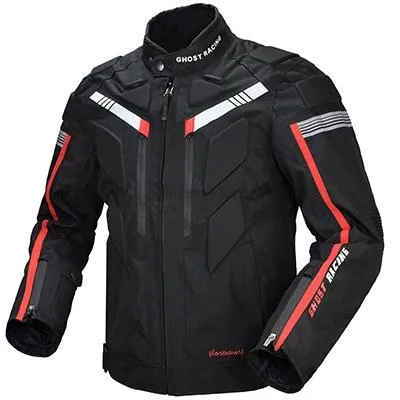
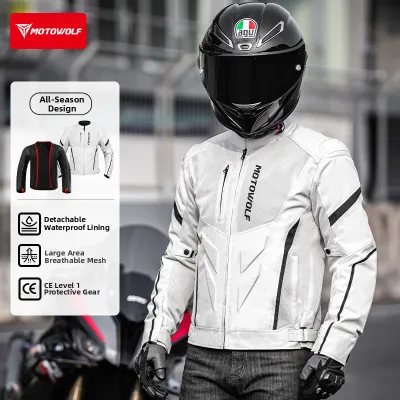
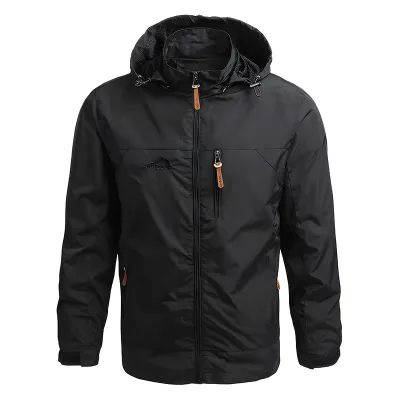
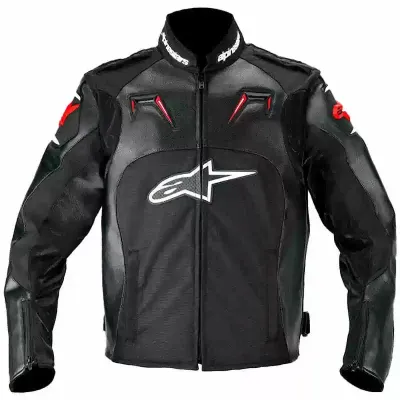
Prices are valid at publication and may change. Please refer to the product page for the latest price.
To cope with the sweltering heat, many riders make the dangerous decision to ride in casual clothing, such as lightweight t-shirts or thin windbreakers. While these garments offer immediate relief from the heat, they provide virtually zero abrasion resistance during a fall. Asphalt acts like industrial-grade sandpaper; casual fabrics disintegrate within milliseconds of contact, leading to severe friction burns and deep tissue damage.
Your primary objective when selecting a summer riding jacket is to find a garment that acts as an effective thermal regulator without compromising structural safety. The jacket must allow maximum wind penetration to carry away body heat while maintaining a tough, outer shield that remains intact during a high-speed slide. Additionally, because tropical weather can transition rapidly from blinding sunshine to sudden downpours, and because night riding often occurs on poorly lit roads, the jacket must integrate high-visibility features that remain effective in low-light conditions.
Key Features to Look for in a Reflectorized Summer Jacket
Evaluating a summer-ready riding jacket requires looking beyond the overall thickness of the fabric. A properly engineered warm-weather jacket relies on the strategic placement of specialized materials, heavy-duty stitching, and directional airflow channels to keep you comfortable and secure.

Ventilation and Airflow Design
To ensure maximum cooling, look for a jacket that features extensive, open-weave mesh panels across high-heat zones. These panels should cover the chest, the inner side of the sleeves, and the upper back to allow incoming wind to pass directly through the garment and cool your core. The mesh material should feel structurally rigid and tough to the touch, indicating a high-tensile polyester or polyamide weave that resists tearing under tension.
Equally important is the presence of exhaust vents or mesh panels situated at the lower back of the jacket. Airflow cannot cool you efficiently if it becomes trapped inside the garment, which creates an uncomfortable ballooning effect at highway speeds. A clear exhaust path at the rear of the jacket creates a low-pressure zone that actively draws hot, humid air away from your body, maintaining a continuous cooling cycle.
Airflow Checkpoints:
- Chest Panels: Large mesh sections positioned to capture direct wind while in a riding posture.
- Underarm Zones: Breathable fabric extending down the inner arm to prevent sweat buildup in high-friction areas.
- Exhaust Outlets: Lower back mesh or zippered vents that facilitate continuous air circulation.
Reflective Materials and Visibility Placement
Visibility is a critical safety factor during night rides or heavy tropical downpours when road contrast is severely reduced. Ensure your jacket incorporates retroreflective materials, which are engineered to bounce light directly back to its source, such as a trailing vehicle’s headlights. This is distinct from high-visibility fluorescent base colors, which excel in daytime conditions but lose their effectiveness in total darkness.
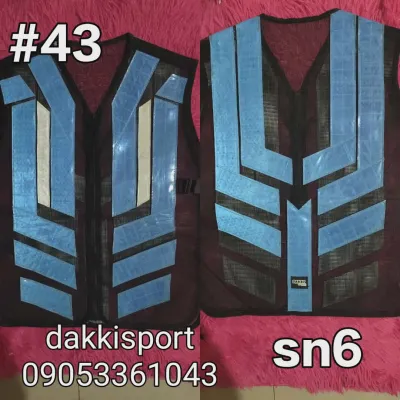
For comprehensive protection, the reflective elements must offer 360-degree coverage so you are visible from every angle. Look for reflective piping, strips, or patterns positioned across the shoulders, down the outer sleeves, and horizontally across the upper and lower back. This placement ensures that your silhouette is immediately recognizable as a motorcyclist to other road users.
Examine how these reflective elements are attached to the jacket’s shell. Stitched-on reflective panels are significantly more durable than heat-pressed or glued designs. Glued reflective elements tend to crack, peel, and lose their retroreflective properties after repeated exposure to intense tropical sunlight, high humidity, and frequent washing cycles.
Integrated Armor and Abrasion Resistance
A common misconception is that a highly ventilated mesh jacket cannot provide adequate physical protection. To ensure your safety, the mesh panels must be bordered and reinforced by heavy-duty textile materials in critical slide zones. The shoulders, elbows, and upper back should be constructed from high-denier fabrics, such as 600D polyester or heavy-duty nylon, which offer high abrasion resistance.
Inspect the interior of the jacket to verify that the armor pockets are securely stitched into these reinforced zones. The impact protectors inside these pockets must remain firmly in place over your joints without shifting, even during a fall. Loose-fitting armor can slip out of position during a slide, leaving your elbows or shoulders completely unprotected.
Protection Checklist:
- Slide Zones: High-denier fabric covering the outer arms, shoulders, and back.
- Secure Pockets: Internal mesh pockets with robust hook-and-loop closures to hold armor.
- Impact Protectors: Removable, flexible armor inserts located at the elbows and shoulders.
How to Verify Safety Standards and Material Quality
To avoid purchasing a jacket that relies on unverified marketing claims, you must learn to read and interpret the safety labels stitched inside the garment. Legitimate riding gear undergoes standardized testing to certify its performance under stress. Look for official labels indicating compliance with international safety standards, such as the European CE (Conformité Européenne) markings.
When checking the inner tags, look for the specific garment classification under standard EN 17092, which rates motorcycle clothing from Class C (lowest protection, typically armor holding garments) up to Class AAA (highest protection, usually heavy leather racing suits). For daily commuting and highway riding in tropical climates, a Class A or Class AA textile jacket represents the ideal compromise, offering verified abrasion resistance while maintaining a lightweight, breathable structure.
Similarly, inspect the markings on the removable armor inserts themselves. Legitimate impact protectors are marked with standards such as EN 1621-1 for limb protectors and EN 1621-2 for back protectors. These markings should also indicate whether the armor is Level 1 (standard protection) or Level 2 (higher impact absorption, though often slightly thicker and heavier).
Be highly skeptical of unbranded, generic jackets sold on online marketplaces that use vague, non-standardized phrases like “professional racing grade,” “ultra-protective,” or “military-spec” without any verifiable certification codes. These products often use cheap polyester that can melt under the high friction of an asphalt slide, potentially causing severe skin burns. Always prioritize established brands that openly document their testing compliance and provide clear, legible safety labels.
Fit, Adjustability, and Weather Versatility
The protective capabilities of a riding jacket are directly linked to how well it fits your body. A jacket that is too loose will allow the internal armor to shift away from your joints during an impact, rendering it ineffective. Furthermore, loose fabric will flap violently at highway speeds, causing rapid rider fatigue and muscle strain over long distances.
To achieve a secure yet comfortable fit, look for jackets equipped with multiple adjustment points. Adjustable straps or snap buttons at the biceps, forearms, waist, and wrists allow you to customize the fit to your specific body shape. This adjustability is particularly useful when transitioning between different layers or when riding at varying speeds.
Given the unpredictable nature of tropical weather, where a scorching morning can quickly turn into a torrential afternoon downpour, versatility is essential. Consider jackets that come with a removable waterproof liner. This configuration allows you to ride with a fully ventilated mesh shell during the heat of the day, and quickly zip in the water-resistant layer when a sudden rainstorm strikes, keeping you dry and preventing wind chill.
Maintaining Reflective Gear in Humid Conditions
The high humidity and frequent rainfall of the tropical climate can accelerate the degradation of your riding gear if it is not maintained correctly. Sweat, road grime, and rainwater contain salts and acids that can gradually break down both the synthetic fibers of the mesh and the delicate glass beads or microprisms embedded in reflective materials.
Before attempting to clean your jacket, always check the applied care product’s label and the treated item’s manufacturer instructions. If instructions conflict, the item is unidentified, or the use is not covered, stop and consult the manufacturer or a qualified professional. Never use harsh chemical detergents, bleach, or fabric softeners, as these substances can strip away the reflective coatings and weaken the synthetic fibers. Instead, opt for a mild, neutral soap and lukewarm water to gently wash away dirt and sweat.
Never place a motorcycle jacket in a high-heat mechanical dryer, as the intense heat can warp the armor pockets, melt the synthetic mesh, and permanently damage the reflective strips. Instead, remove all impact armor and hang the jacket on a heavy, wide hanger in a well-ventilated, shaded indoor area. Allow it to air-dry completely before storing it in a cool closet to prevent the growth of mold, mildew, and unpleasant odors.
Frequently Asked Questions (FAQ)
Does frequent washing ruin the reflective strips on a riding jacket?
Yes, aggressive or improper washing can rapidly degrade the reflective elements. To preserve their visibility, always wash the jacket inside out using a gentle hand-wash method or a delicate machine cycle. Avoid scrubbing the reflective panels directly with stiff brushes, and never use fabric softeners or bleach, which chemically damage the retroreflective microprisms.
Is a mesh jacket safe enough for highway riding in the Philippines?
A high-quality mesh jacket is safe for highway riding provided it features a hybrid design with reinforced, high-denier textile panels (such as 600D polyester) at the shoulders, elbows, and back. Pure mesh jackets that lack these high-abrasion reinforcements do not offer sufficient slide protection at highway speeds. Always verify that the jacket carries a legitimate safety classification, such as EN 17092 Class A or AA, to ensure it is rated for highway use.
Community discussion
Share your experience or ask a question. Comments are reviewed before publication.