
To stay dry and safe during the intense monsoon season in the Philippines, choosing a dedicated motorcycle raincoat is a critical decision for daily commuters. While brands like Motowolf have become highly popular on local roads, finding the right gear requires looking beyond brand names to evaluate specific material ratings, seam construction, and safety features. A reliable rain suit must withstand high-speed wind, heavy tropical downpours, and high humidity without ballooning or leaking. By focusing on verified waterproof specifications, a secure two-piece fit, and proper maintenance, you can ensure your daily commute remains comfortable and safe even during the wettest months of the year.
Navigating the unpredictable weather of the tropical climate means you are likely to encounter sudden, torrential downpours that can saturate standard clothing in seconds. For motorcycle riders, the challenge is doubled: you must not only keep water out but also maintain full control of your vehicle under slippery conditions and reduced visibility. Standard pedestrian raincoats are entirely inadequate for this task, as they lack the aerodynamic design and structural integrity required to handle highway speeds. Investing in a purpose-built motorcycle rain suit is an essential step in preparing your riding gear toolkit for the annual wet season.
Key Features to Look for in a Motorcycle Raincoat
When shopping for a motorcycle raincoat, understanding the distinction between waterproof and water-resistant materials is the first step toward making an informed purchase. Water-resistant fabrics are typically treated with a light coating that repels minor splashes, but they will quickly saturate and leak under the sustained pressure of a heavy downpour. True waterproof materials, such as heavy-duty polyester or nylon backed with a polyurethane (PU) or polyvinyl chloride (PVC) membrane, are engineered to block water from penetrating the fabric even under significant pressure. Always check the manufacturer’s product labels or specifications for explicit waterproof ratings, which are often expressed in millimeters of hydrostatic head pressure.
Products mentioned in this guide
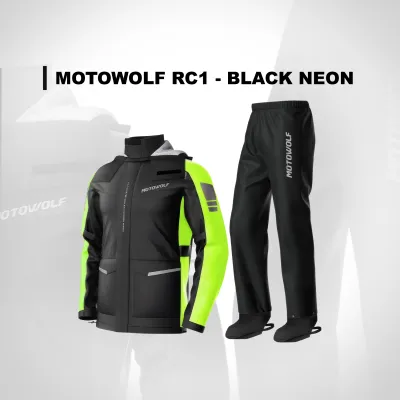
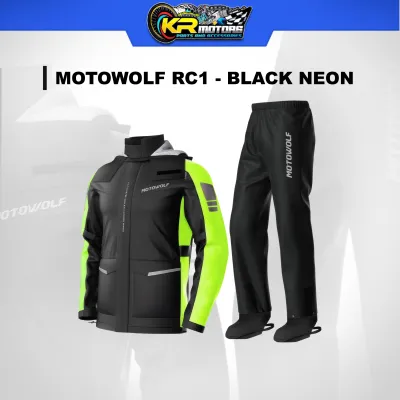
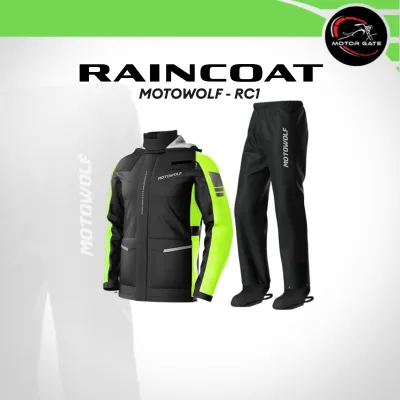
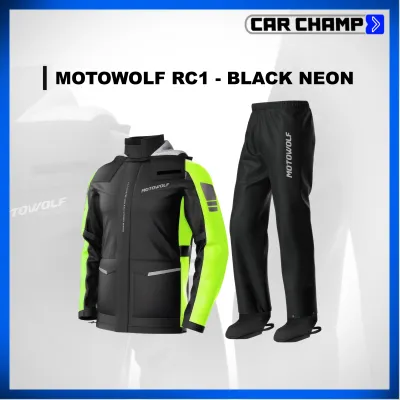
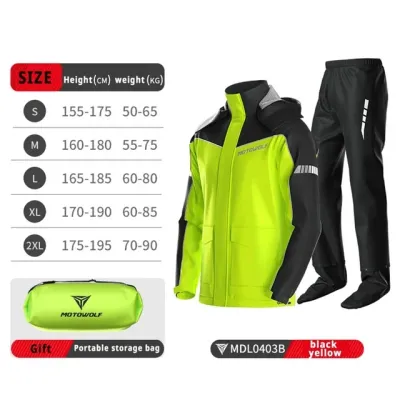
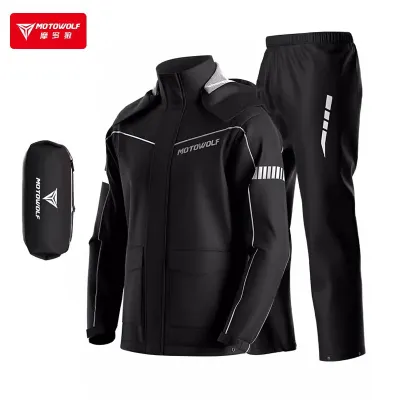
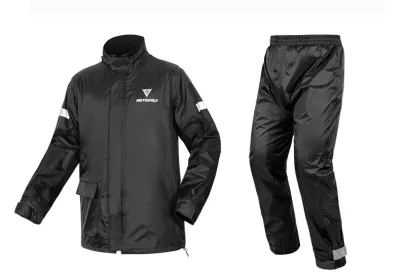
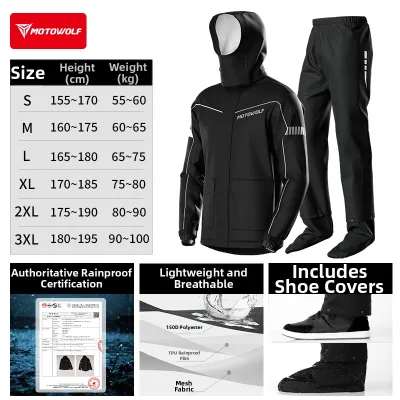
Prices are valid at publication and may change. Please refer to the product page for the latest price.
The pressure exerted by wind-driven rain while riding at 60 km/h or faster is substantially higher than that of standing rain, making seam construction a critical point of failure. Even the most advanced waterproof fabric will let water through if the stitching is left exposed. High-quality motorcycle raincoats feature fully taped or heat-sealed seams on the interior, where a specialized waterproof tape is thermally applied over the stitched lines to seal the needle holes. When evaluating gear, turn the garment inside out if possible, or inspect product photos closely to verify that every major seam—especially around the shoulders, crotch, and underarms—is completely sealed.
Visibility drops dramatically during heavy monsoon rains, making high-visibility colors and reflective elements a vital safety feature for any rider. While black or dark grey raincoats may look sleek, they make you virtually invisible to other motorists in low-light, rainy conditions. Opt for rain gear that incorporates bright, high-visibility colors such as neon yellow, high-vis green, or vibrant orange. Additionally, ensure the raincoat features retroreflective strips or piping across the back, chest, and sleeves, which will reflect the headlights of surrounding vehicles and significantly improve your road presence.
The physical design of the raincoat’s closures and openings plays a major role in keeping water out during high-speed commutes. Look for jackets that feature a double storm flap system over the main front zipper, which typically consists of an inner and outer fabric barrier secured by hook-and-loop fasteners to prevent wind-driven water from forcing its way through the zipper teeth. Adjustable cuffs on the wrists and ankles, utilizing elastic bands or adjustable straps, allow you to create a tight seal over your riding gloves and boots. High collars that extend up to the base of your helmet are also essential for preventing water from running down your neck and soaking your shirt from the top down.
Evaluating Motowolf and Similar Rain Gear Options
As you explore the market, you will find a wide variety of rain gear styles, with two-piece rain suits and traditional ponchos being the most common. For motorcycle riding, a two-piece suit consisting of a separate jacket and pants is highly recommended over a poncho. Ponchos are inherently dangerous on a motorcycle because the loose, open fabric catches the wind like a sail, creating severe aerodynamic drag that can destabilize your balance. Furthermore, loose poncho fabric can easily flap into your mirrors, block your line of sight, or become dangerously entangled in the motorcycle’s moving parts, such as the chain, sprockets, or rear wheel.

When evaluating popular commuter brands like Motowolf and its competitors, it is important to learn how to read and verify technical specifications rather than relying solely on marketing claims. Look for listings that specify a hydrostatic head rating, with 5,000mm being a reasonable baseline for light commuting and 10,000mm or higher offering superior protection for long-distance riding in heavy storms. Be cautious of generic listings on online marketplaces that claim to be “100% waterproof” without providing any technical details or material specifications to back up the assertion.
Durability is another key factor to consider, especially for daily commuters who will be putting their rain gear through rigorous use. The constant friction of sliding on and off the motorcycle seat, combined with the flexing of your knees while riding, puts immense stress on specific areas of the rain pants. Look for options that feature reinforced panels or double-layered fabric at the seat and the inner thighs to prevent premature wear and leakage. Reinforced knees and heavy-duty stitching throughout the garment are strong indicators of a rain suit built to survive multiple wet seasons.
Because counterfeit products and low-quality imitations are common on online marketplaces, reading user reviews carefully is an essential part of the evaluation process. Look for detailed feedback from verified buyers who have actually tested the gear in heavy rain, paying close attention to comments regarding seam integrity, zipper durability, and sizing accuracy. Many riders post photos or videos of their gear after a wet commute, which can provide valuable real-world insight into how well the material holds up. To minimize the risk of purchasing a counterfeit item, always buy from official brand flagship stores or authorized local distributors.
Practical Fit and Safety Checks Before Purchase
Before finalizing your purchase, you must ensure that the raincoat is sized correctly to fit over your existing riding gear. A motorcycle raincoat should never be tight; it needs to accommodate your standard riding jacket (complete with shoulder, elbow, and back armor), riding pants, and potentially a small backpack or waist bag. Buying a rain suit in your standard t-shirt size often results in a fit that is too restrictive, which can limit your range of motion and make it difficult to turn your torso or reach the handlebars comfortably. As a general rule of thumb, many riders find that sizing up by one or two sizes provides the necessary clearance without creating excessive bulk.
While a loose fit is necessary to accommodate your protective gear, you must avoid excessively loose or flapping fabric that could compromise your safety. Excess material that bags around the arms or legs can catch the wind, causing distracting vibrations and fatigue at higher speeds. More importantly, loose fabric near the ankles can snag on footpegs, gear shifters, or the rear brake pedal, potentially causing a fall when you stop. Look for rain suits that feature built-in adjustment straps or cinch cords at the waist, biceps, and ankles, allowing you to customize the fit and secure any excess material once the suit is on.
The design of the collar and hood requires careful inspection to ensure it does not interfere with your helmet or obstruct your vision. If the raincoat includes a hood, it should ideally be detachable or designed to roll up and tuck neatly into a zippered collar compartment. Wearing a hood under your helmet can restrict your ability to rotate your head freely, blocking your peripheral vision when checking blind spots before changing lanes. If you choose to wear the hood under your helmet, verify that the fabric is thin enough not to alter the fit of your helmet, which could compromise its safety performance in an impact.
Finally, consider how easy the rain gear is to put on and take off when a sudden downpour begins. In the tropical climate of the Philippines, weather conditions can shift from bright sunshine to a torrential storm in a matter of minutes, often forcing riders to pull over hastily on the shoulder of a busy road. Rain pants with wide leg openings, gussets, or long zippers at the ankles allow you to slip them on quickly over your riding boots without having to take your footwear off. Practice putting on your rain gear over your full riding setup at home so you can perform the transition quickly and safely when caught in a sudden storm.
Maintenance and Care for Long-Lasting Waterproofing
To ensure your motorcycle raincoat remains effective over multiple rainy seasons, proper maintenance and care are absolutely essential. After riding in the rain, never fold your wet rain suit and stuff it directly into its storage bag or leave it crumpled under your motorcycle seat. The trapped moisture, combined with the heat of a tropical environment, creates a perfect breeding ground for mold and mildew, which will rapidly degrade the waterproof membrane and cause the seams to delaminate. Instead, hang the wet suit on a plastic hanger in a well-ventilated, shaded indoor area and allow it to dry completely before storing it away.
When the raincoat becomes dirty from road grime, mud, or oil splashes, always refer to the manufacturer’s care label before attempting to clean it. Never wash your motorcycle rain gear in a washing machine with standard laundry detergents, as the harsh chemicals and mechanical agitation can strip away the outer durable water repellent (DWR) coating and damage the inner waterproof lining. Instead, hand wash the garment gently in cool water using a mild, tech-wash soap specifically formulated for waterproof fabrics. Gently wipe away dirt with a soft sponge or microfiber cloth, and avoid wringing or twisting the fabric, which can crack the internal waterproof barrier.
Proper storage practices during the dry season will significantly extend the lifespan of your gear. Avoid folding the raincoat tightly along the same crease lines repeatedly, as constant creasing can cause the inner polyurethane or PVC coating to crack, peel, or flake off over time. A better approach is to roll the jacket and pants loosely and store them in a cool, dry place away from direct sunlight and extreme heat sources, such as hot exhaust pipes or engine bays. Keeping the gear in a breathable mesh bag rather than a sealed plastic container can also help prevent moisture buildup.
Over time and with regular exposure to heavy rain and road spray, the outer fabric of your raincoat may begin to absorb water rather than letting it bead up and roll off—a phenomenon known as “wetting out.” While this does not necessarily mean the inner waterproof membrane is leaking, it can make the jacket feel heavy, cold, and clammy. You can restore the outer fabric’s water-beading performance by applying a high-quality, spray-on waterproofing treatment designed for outdoor apparel. Follow the product instructions carefully, applying the spray evenly to a clean, dry garment and allowing it to cure fully before your next ride.
Frequently Asked Questions (FAQ)
Can I use a regular everyday raincoat for motorcycle riding?
Using a standard pedestrian raincoat for motorcycle riding is highly discouraged due to significant safety and functional limitations. Regular raincoats are not designed to withstand the high-speed wind forces experienced on a motorcycle, which can cause the fabric to flap violently, balloon up, and distract you while riding. This intense wind pressure can also force water straight through standard zippers and non-sealed seams within minutes. Furthermore, pedestrian raincoats lack the durable, abrasion-resistant materials and secure, adjustable closures needed to prevent the garment from tearing or catching on motorcycle components, posing a serious safety hazard on the road.
How do I verify if a raincoat is truly waterproof before buying?
To verify if a raincoat is truly waterproof before making a purchase, start by checking the manufacturer’s technical specifications for a certified hydrostatic head rating, which should ideally be 5,000mm or higher for motorcycle use. Look closely at the product description or physical garment to confirm that it features fully taped or heat-sealed seams, as standard stitching will leak under pressure. Additionally, read independent user reviews on online marketplaces to see how the gear performs in real-world monsoon conditions, paying attention to any reports of leakage around the crotch, underarms, or zippers. Purchasing from reputable brands through official flagship stores or authorized dealers is the best way to ensure you receive genuine, high-performance waterproof gear.

Community discussion
Share your experience or ask a question. Comments are reviewed before publication.