
The Tropical Trade-Off: Why Standard Gear Fails in the Philippines
Riding a motorcycle through the bustling streets of Manila, Cebu, or Davao requires intense concentration. When you are navigating tight lanes in gridlock traffic under a blazing tropical sun, the ambient temperature often exceeds 34°C, compounded by humidity levels that regularly climb above 80 percent. In these demanding conditions, wearing a heavy, non-breathable jacket can quickly turn your daily commute into a physical ordeal.
Many riders face a difficult daily choice: wear heavy protective gear and risk heat exhaustion, or ride in a simple T-shirt and leave themselves completely vulnerable to severe road rash. Choosing to ride unprotected is a massive gamble, but wearing suffocating gear is also a safety hazard. Extreme heat fatigue, heavy sweating, and dehydration directly impair your cognitive functions, slowing down your reaction times and making you more prone to critical errors in traffic.
The solution lies in selecting a riding jacket engineered specifically for hot, humid climates. This gear must strike a precise balance, offering robust abrasion and impact protection while maximizing airflow to facilitate natural sweat evaporation. By understanding how materials, armor, and ventilation work together, you can stay cool, dry, and fully protected on every ride.
Products mentioned in this guide
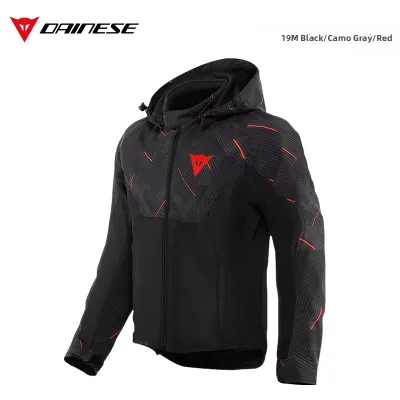
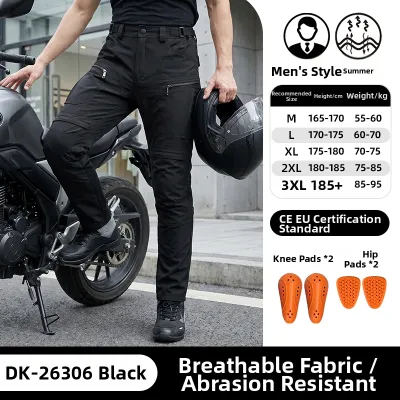
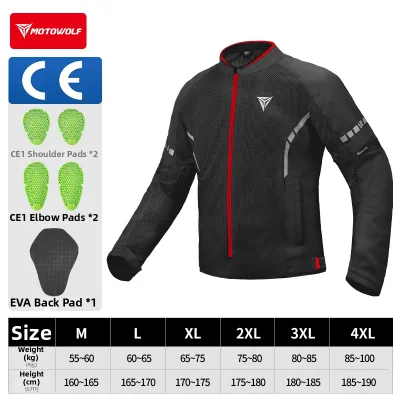
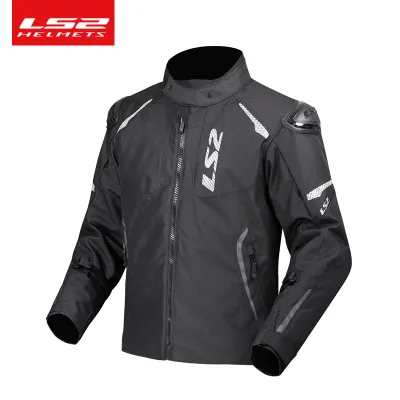
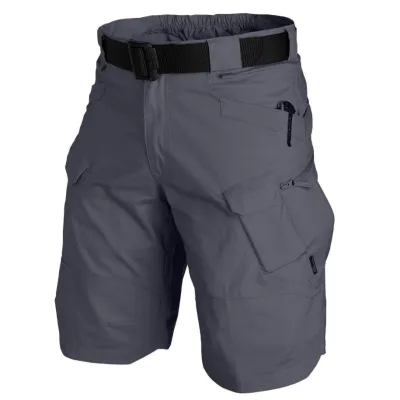
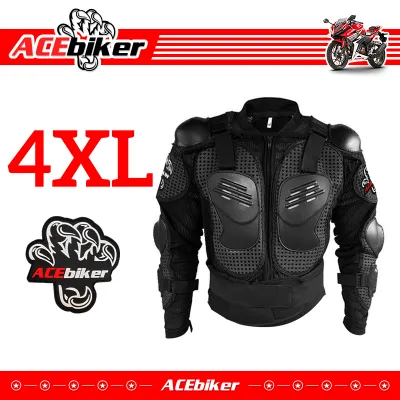
Prices are valid at publication and may change. Please refer to the product page for the latest price.
Choosing the Right Shell: Mesh, Textile, and Hybrid Options
The outer shell of your riding jacket serves as your primary line of defense against both the pavement and the elements. It is the most critical factor determining how much wind can reach your body and how well the garment will resist tearing during a slide. Selecting the right shell material requires analyzing your typical riding speeds, commute durations, and local weather patterns.

While classic leather jackets offer exceptional abrasion resistance on the race track, traditional, non-perforated heavy leather is highly impractical for daily commuting in the Philippines. Leather traps body heat, lacks ventilation, and becomes incredibly heavy and prone to damage when soaked by sudden tropical downpours. For year-round riding in humid conditions, modern synthetic textiles and specialized mesh fabrics are far more effective choices.
Mesh Jackets for Maximum Airflow
Full-mesh jackets are designed specifically to combat extreme heat by allowing maximum wind penetration. These garments feature large panels of open-weave polyester or polyamide mesh across the chest, back, and inner arms. As you ride, ambient air flows directly through the fabric, accelerating the evaporation of sweat and providing an immediate cooling effect that prevents your core temperature from spiking.
However, ventilation must never come at the cost of safety. A high-quality hot-weather jacket must feature reinforced panels made of high-density textiles, such as 500-denier (500D) or 600-denier polyester, at key impact zones. The shoulders, elbows, and upper back bear the brunt of the friction during a slide, meaning these areas require heavy-duty, abrasion-resistant materials rather than open mesh.
Before purchasing a mesh jacket, always check the manufacturer’s technical specifications to verify the structural integrity of the mesh itself. Premium gear utilizes high-tensile, abrasion-resistant mesh weaves that resist tearing and melting under friction. Cheaper, uncertified mesh jackets may look the part, but the thin synthetic mesh can easily disintegrate or melt onto your skin when sliding across hot asphalt.
Textile and Hybrid Jackets for Versatility
For riders who split their time between high-speed highway cruising and slow-moving city traffic, hybrid textile jackets offer an excellent middle ground. These jackets utilize a solid textile chassis—often constructed from high-durability nylon or polyester—integrated with strategic mesh panels in low-impact areas. This configuration maintains excellent structural integrity while still allowing substantial heat exhaust from the chest, underarms, and back.
Many hybrid and textile jackets feature adjustable, zippered ventilation ports instead of fixed mesh panels. This design allows you to customize your airflow on the go: you can open the vents wide during a hot afternoon commute, and zip them shut when riding in the cool early morning or during a sudden evening chill. This adaptability makes hybrid jackets highly versatile for changing microclimates, such as riding from the lowlands up to the cooler altitudes of Baguio or Marilaque.
Additionally, solid textile sections offer superior resistance to light rain and road spray compared to full-mesh jackets. While a full-mesh jacket will let water through instantly, a treated textile shell can bead off light drizzle, keeping you dry during brief afternoon showers. This added weather resistance makes hybrid textiles a highly practical choice for riders who need a single jacket to handle unpredictable weather.
Verifying Crash Protection: What to Look for on the Labels
When browsing motorcycle gear shops or online marketplaces, you will encounter numerous marketing buzzwords like “ultra-protective,” “military-grade,” or “racing-spec.” These terms are completely unregulated and do not guarantee that a jacket will protect you in a crash. To ensure your safety, you must look past the promotional copy and verify the official, standardized safety certifications printed on the garment’s internal labels.
Every reputable riding jacket undergoes rigorous independent laboratory testing to verify its performance under stress. These tests evaluate seam strength, tear resistance, abrasion resistance, and impact absorption. Before spending your hard-earned pesos, take the time to locate the physical tag stitched inside the lining of the jacket to confirm it meets international safety standards.
Abrasion Resistance Standards
The gold standard for motorcycle garment safety is the European CE certification standard EN 17092. This standard subjects the entire jacket to simulated road slides and classifies the gear into distinct protection classes based on its performance. Understanding these classes allows you to make an informed decision based on your typical riding speeds and risk profile.
Class AAA represents the highest level of protection, typically reserved for heavy leather racing suits. These garments offer maximum abrasion resistance but are generally too heavy and hot for daily tropical commuting. Class AA is designed for touring and highway riding, offering an excellent balance of high abrasion protection and daily usability. Class A is the standard rating for urban commuting, providing adequate protection for lower-speed city riding while allowing for lighter, more breathable fabric constructions.
For hot-weather mesh and textile jackets, a Class A or Class AA rating is highly desirable. When reviewing a product, ensure that the certification applies to the entire garment as a whole, rather than just the individual armor pads. Always consult the manufacturer’s official specifications or user manual to confirm the exact EN 17092 classification before finalizing your purchase.
Impact Armor Placement and Ratings
While the outer shell protects your skin from abrasion, impact armor is what safeguards your bones and joints from fractures during a fall. A proper riding jacket must feature dedicated internal pockets securely holding armor at the shoulders, elbows, and back. Without these protective inserts, even the toughest textile shell cannot prevent impact-related injuries.
To verify the quality of the armor, look for the CE standard markings stamped directly on the protective pads. Shoulder and elbow protectors should be certified to the EN 1621-1 standard, while back protectors must carry the EN 1621-2 certification. These standards ensure that the armor has been tested to absorb and disperse impact forces effectively.
These protectors are categorized into two performance levels:
- Level 1 Protectors: Offer standard impact absorption, resulting in a thinner, lighter, and highly flexible profile. This level is comfortable for daily commuting and allows for excellent airflow within the jacket.
- Level 2 Protectors: Provide superior impact absorption, transmitting significantly less force to your body during a crash. While Level 2 armor is slightly thicker and heavier, modern viscoelastic materials remain highly flexible and comfortable even in hot weather.
Be highly cautious of budget-friendly jackets that come with thin, uncertified foam sheets in the back pocket. These foam pads offer virtually zero protection in a crash and are included merely as placeholders. If your chosen jacket comes with a basic foam insert, it is highly recommended to immediately replace it with a certified Level 1 or Level 2 back protector insert to safeguard your spine.
Beating the Humidity: Ventilation, Liners, and Rain Readiness
High humidity is often more challenging to manage than high temperatures alone. When the air is saturated with moisture, your body’s natural cooling mechanism—sweat evaporation—slows down significantly. To combat this, look for a jacket equipped with a high-quality, moisture-wicking internal mesh liner. This liner creates a small physical barrier between your skin and the outer shell, pulling sweat away from your body to prevent that sticky, clinging sensation and reducing the risk of skin chafing during long rides.
Proper ventilation requires a continuous, unimpeded flow of air through the entire garment. While front mesh panels let cool air in, your jacket must feature dedicated rear exhaust vents to allow that air to escape. Without functional exhaust vents, the incoming air gets trapped inside, causing the jacket to balloon at high speeds and creating a pocket of stagnant, hot air against your back. A continuous front-to-back airflow path is essential for effective evaporative cooling.
Riding in the Philippines also means dealing with sudden, torrential downpours, especially during the monsoon season. Many riders opt for jackets that feature a removable, lightweight waterproof liner. While these liners are excellent for keeping you dry in a storm, wearing them during dry, hot weather is a mistake. Because waterproof membranes block wind, keeping the liner zipped in on a sunny day will completely negate the jacket’s ventilation, turning it into a portable sauna. Always store your waterproof liner in your under-seat compartment or top box, installing it only when the rain actually starts.
For maximum safety during heavy downpours and overcast afternoons, ensure your jacket features integrated high-visibility elements or reflective piping. Heavy tropical rain drastically reduces visibility for car and truck drivers. Strategically placed reflective strips on the shoulders, chest, and back of your jacket will reflect headlight beams, ensuring you remain highly visible to other motorists in low-light and wet conditions.
Ensuring a Secure and Comfortable Fit for Daily Commutes
A riding jacket cannot protect you if the armor shifts away from your joints during a fall. For this reason, your jacket must fit snugly against your body. When standing straight, the jacket should feel secure, and the elbow and shoulder pads should align perfectly with your joints. However, the cut must not restrict your range of motion when you reach forward to grip your motorcycle’s handlebars.
To achieve this secure fit across different body shapes, look for jackets equipped with multiple adjustment points. Adjustable Velcro straps or snap buttons on the waist, biceps, and forearms are incredibly valuable. These adjusters allow you to tighten the sleeves, preventing the fabric and elbow armor from sliding up or twisting out of position during an accident. They also allow you to adjust the fit depending on whether you are wearing a thin moisture-wicking base layer or a slightly thicker shirt underneath.
Collar design is another crucial comfort factor that is easily overlooked. Constant sweating in high humidity makes your neck highly sensitive to friction. A stiff, raw textile collar can cause painful chafing within minutes of riding. Look for a collar lined with soft, moisture-wicking materials like micro-fleece or neoprene, which cushion the neck and prevent irritation even during long, sweaty commutes.
Before making a final decision, never rely solely on how the jacket looks or feels while standing in front of a mirror. Always sit on your motorcycle—or mimic your specific riding posture—with your hands on the grips. Ensure the sleeves are long enough to cover your wrists, the back of the jacket does not ride up excessively to expose your lower spine, and the chest does not bunch up uncomfortably.
Maintaining Your Gear to Prevent Odor and Mold
In the hot and humid Philippine climate, your riding jacket will inevitably absorb a significant amount of sweat, skin oils, and road grime. If left unmanaged, this moisture creates an ideal breeding ground for bacteria, mildew, and mold. Not only does this lead to unpleasant, persistent odors, but mold growth can also slowly degrade the synthetic fibers and stitching of your jacket, compromising its structural strength over time.
To extend the lifespan of your gear, develop a habit of airing out your jacket immediately after every ride. Hang it on a wide, heavy-duty hanger in a well-ventilated, shaded area indoors or on a covered balcony. Never leave a damp, sweaty jacket balled up inside a sealed motorcycle top box, under-seat compartment, or gym bag, as this rapidly accelerates mold development.
When it comes to washing your jacket, always consult the manufacturer’s care label stitched inside the garment first. Before cleaning, remove all impact armor pads and detach any inner liners. Most textile and mesh shells can be hand-washed in a tub of cool water or machine-washed on a gentle cycle. Use a mild, non-detergent soap or specialized technical gear wash; standard laundry detergents often contain harsh chemicals, fabric softeners, or optical brighteners that can clog breathable membranes and degrade reflective coatings.
After washing, rinse the jacket thoroughly to remove all soap residue. Hang it to dry in a shady, breezy location. Avoid using a tumble dryer, and never expose the wet jacket to direct, intense midday sunlight. Extreme heat and UV radiation can weaken synthetic materials like nylon and polyester, melt seam tape adhesives, and warp protective plastic components, permanently reducing the protective capabilities of your gear.
Frequently Asked Questions (FAQ)
Can I just wear a regular windbreaker or hoodie instead of a riding jacket?
No, a regular windbreaker, denim jacket, or cotton hoodie cannot replace a purpose-built riding jacket. Casual clothing is made from lightweight fabrics that have virtually zero abrasion resistance. In a slide on asphalt at typical city speeds, standard cotton or nylon will disintegrate in less than a second, leaving your bare skin to absorb the full friction of the road, resulting in severe road rash and deep tissue damage.
Furthermore, casual jackets lack the structural stitching required to hold together under tension, and they do not contain impact-absorbing armor. This leaves your shoulders, elbows, and spine completely exposed to fractures and joint injuries during a fall. Investing in a certified riding jacket is a fundamental safety requirement for every motorcyclist, regardless of how short your commute is or how hot the weather gets.
How do I clean a mesh riding jacket after sweating in it all day?
To clean your mesh riding jacket safely, first remove all removable CE-certified armor pads from their internal pockets, along with any detachable windproof or waterproof liners. Fill a large tub or basin with lukewarm water and add a small amount of mild, non-detergent liquid soap or baby shampoo. Submerge the mesh shell and gently agitate it by hand, paying extra attention to high-sweat areas like the collar, cuffs, and underarms.
Avoid using bleach, fabric softeners, or harsh stain removes, as these can damage the synthetic fibers and reflective materials. Rinse the jacket thoroughly with clean, cool water until all soap is gone. Gently squeeze out the excess water without wringing or twisting the fabric, then hang the jacket on a sturdy hanger to air dry in a well-ventilated, shaded area away from direct sunlight and heat sources.
Community discussion
Share your experience or ask a question. Comments are reviewed before publication.