
Embarking on a solo road trip across the Philippines offers an unparalleled sense of freedom, whether you are navigating the winding roads of the Cordillera highlands or cruising along the scenic coastal highways of Luzon. However, the tropical climate presents unique challenges, particularly the sudden and intense downpours brought by the southwest monsoon or localized thunderstorms. When you are traveling alone, you must rely entirely on your own preparation and gear to handle unexpected roadside situations, such as changing a flat tire in a deluge or inspecting your vehicle during a storm. A high-quality raincoat rubberized waterproof jacket serves as an indispensable piece of emergency gear, keeping you dry and focused when conditions deteriorate.
Unlike standard lightweight windbreakers that quickly saturate under heavy tropical rain, rubberized rainwear provides a robust barrier against water penetration. Having this gear readily accessible in your vehicle ensures that a sudden change in weather does not derail your travel plans or compromise your safety. Selecting the right raincoat requires understanding how rubberized materials perform under the specific demands of driving, vehicle maintenance, and outdoor exploration. By focusing on material durability, construction quality, and proper fit, you can secure a reliable shield against the elements for your solo journeys.
Why Rubberized Raincoats Suit Solo Road Trips
Solo road trips demand gear that can withstand rugged use without requiring constant care or delicate handling. Rubberized raincoats are particularly well-suited for these journeys because of their exceptional resistance to physical wear and tear. When you are loading and unloading luggage, adjusting roof racks, or sliding in and out of the driver’s seat, your outerwear constantly rubs against rough surfaces. The thick, resilient outer layer of a rubberized garment resists abrasions far better than thin nylon or polyester alternatives, ensuring that the waterproof barrier remains intact even after repeated contact with car seats and outdoor equipment.
Products mentioned in this guide
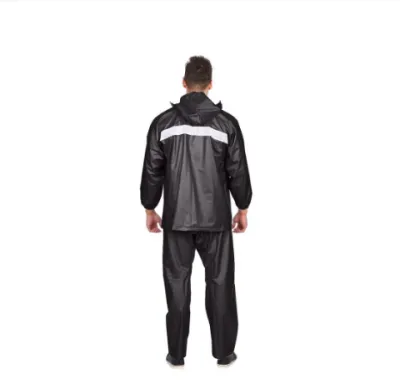
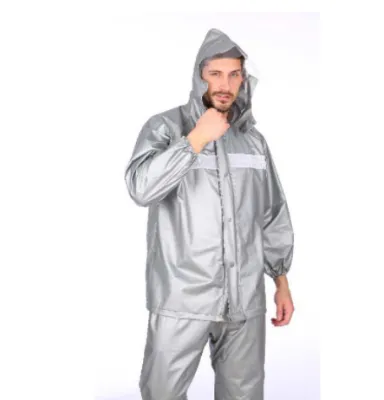
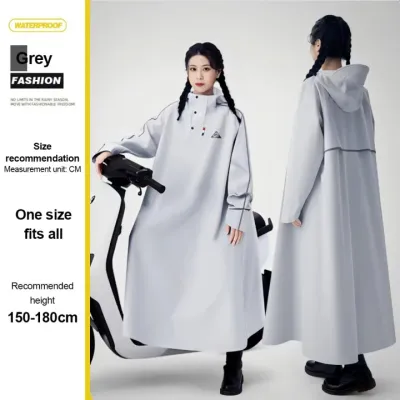
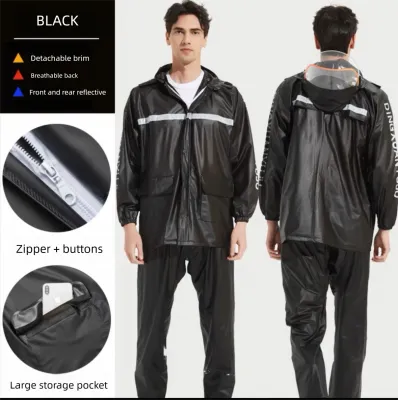
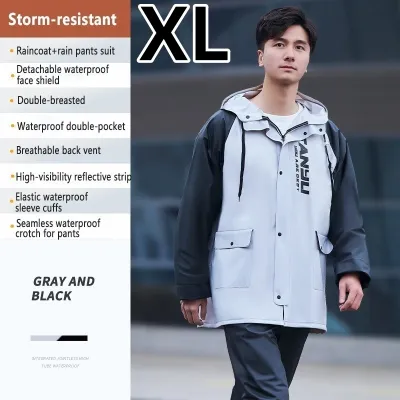
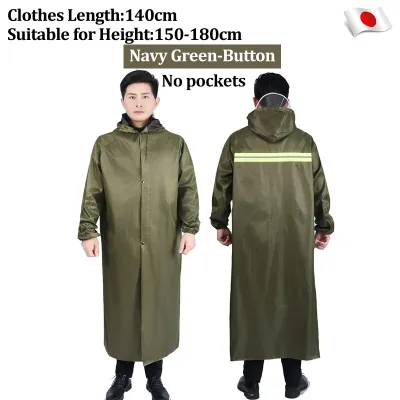
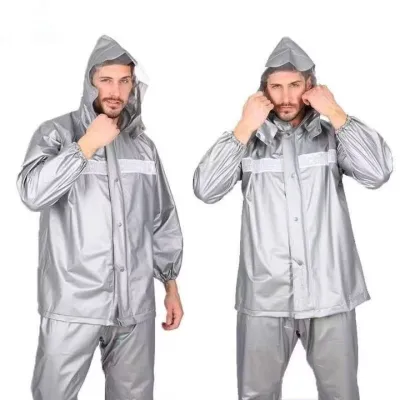
Prices are valid at publication and may change. Please refer to the product page for the latest price.
Another significant advantage of rubberized material is its ease of maintenance while living out of a vehicle. Roadside stops often expose you to mud, road grime, engine oil, and food spills that can easily ruin standard fabric jackets. With a rubberized surface, you can simply wipe away dirt and contaminants using a damp cloth or a quick splash of clean water, eliminating the need to find a laundry facility during your trip. This quick-clean capability is highly practical when you need to transition from inspecting a dusty engine bay to sitting back inside your clean car cabin.
However, choosing a heavy-duty rubberized raincoat involves a clear trade-off between maximum weather protection and overall garment weight. These jackets are inherently heavier and less breathable than technical hiking shells, which can lead to heat buildup in warm, humid tropical environments. For solo road trips where you spend significant time inside an air-conditioned vehicle and only step out into the rain for specific tasks, this trade-off is highly favorable. The absolute water resistance and physical toughness of the rubberized coating outweigh the minor inconvenience of its weight, providing dependable protection when you need it most.
Verifying Waterproof Performance on Product Labels
When shopping for a raincoat rubberized waterproof garment, relying solely on marketing buzzwords like “water-resistant” or “weatherproof” can lead to disappointing performance during a heavy downpour. To ensure the jacket can withstand intense tropical storms, you must carefully examine the manufacturer’s technical specifications and product labels. The most critical feature to verify is the seam construction, as water is far more likely to penetrate through needle holes than through the rubberized fabric itself. Look for labels that explicitly state the garment has fully taped or welded seams, which indicates that a waterproof strip or thermal weld has sealed every stitched joint.

Some manufacturers provide a hydrostatic head rating, measured in millimeters, to quantify the fabric’s water resistance. A rating of 5,000 mm is generally sufficient for light rain, but for the torrential downpours common in the Philippines, you should look for ratings of 10,000 mm or higher. This metric indicates the height of a water column the fabric can support before moisture begins to seep through, giving you a reliable benchmark for heavy-duty performance. If a product listing or label lacks this specific rating, you should look for alternative indicators of high-pressure water resistance, such as heavy-duty polyurethane or polyvinyl chloride coatings.
Beyond the fabric and seams, the design of closures and openings plays a vital role in keeping water out. Inspect the product details for wide storm flaps that cover the main zipper, preferably secured by snap buttons to prevent wind-driven rain from forcing its way through the zipper teeth. Adjustable cuffs, featuring hook-and-loop straps or elastic bands, are also essential for creating a tight seal around your wrists when you are working with your hands raised. Additionally, a high collar that integrates seamlessly with the hood design helps prevent water from running down your neck during active outdoor tasks.
Balancing Packability and Durability for Car Storage
Space inside a vehicle can disappear quickly during a solo road trip, especially when you are carrying luggage, tools, emergency supplies, and camping gear. Therefore, finding a raincoat that balances physical durability with a compact storage footprint is essential for maintaining an organized cabin. Heavy-duty rubberized raincoats are naturally bulkier than ultra-lightweight shells, meaning they require more deliberate packing strategies. You should compare the material thickness and weight against the folded dimensions of the jacket to find a model that fits comfortably into your glove compartment, door pocket, or under-seat storage bin.
To optimize durability without adding unnecessary bulk to the entire garment, look for raincoats that feature targeted reinforcement. High-wear areas such as the shoulders, elbows, and underarms are subject to the greatest stress when you are driving or handling gear. Raincoats designed with double-layered rubberized fabric in these specific zones offer enhanced longevity where it matters most, while keeping the rest of the jacket slightly thinner and more pliable. This design approach ensures the coat remains durable during demanding tasks without becoming excessively stiff or heavy to wear.
The inclusion of dedicated storage accessories can greatly improve the convenience of carrying a raincoat in your car. Some models come with a matching storage pouch or feature a pocket that doubles as a self-storing stuff sack. These features allow you to compress the rubberized jacket into a neat, compact bundle, preventing it from unfolding and cluttering your vehicle’s interior. Having a designated, compact pouch also makes it easier to grab the raincoat quickly from your door panel or trunk when a sudden storm begins while you are on the road.
Ensuring Fit and Mobility for Driving and Exploring
A raincoat that restricts your movement can be a safety hazard, particularly when you need to operate your vehicle or perform roadside repairs. When selecting a rubberized jacket, you must ensure that the fit allows for a full range of motion in your arms and shoulders. Check the manufacturer’s sizing chart carefully, keeping in mind that you may need to wear the raincoat over bulkier clothing or a light jacket. The sleeve length should be sufficient to cover your wrists even when your arms are fully extended to grip the steering wheel, preventing water from running up your arms.
The length of the raincoat’s hem is another critical factor for comfort and safety while driving. A coat that is too long can bunch up around your waist and thighs when you sit in the driver’s seat, causing discomfort and potentially interfering with your ability to operate the foot pedals smoothly. Look for designs with a moderate hem length or those featuring side slits or two-way zippers that can be opened from the bottom to allow extra legroom. Additionally, integrated back vents or underarm grommets are highly beneficial, as they allow trapped body heat to escape and prevent water from pooling behind you on the car seat.
The design of the hood is equally important for maintaining safety during your road trip. A poorly designed hood can slip down over your eyes or block your peripheral vision, making it difficult to check your side mirrors or look around when stepping out of the vehicle. Choose a raincoat with an adjustable hood that features drawcords or a rear strap to customize the fit around your head. A stiffened brim or visor built into the hood is also highly useful, as it helps deflect rain away from your face and eyes without collapsing under the weight of heavy water droplets.
Maintaining and Storing Your Raincoat on the Road
Proper maintenance is crucial for preserving the waterproof integrity of a rubberized raincoat, especially when traveling through the highly humid regions of the Philippines. One of the most common causes of material degradation is storing a wet raincoat in a sealed, warm environment, such as a hot car trunk. This practice creates a breeding ground for mold and mildew, which can quickly break down the rubberized coating and cause it to peel or crack. Whenever your raincoat gets wet, make it a priority to hang it up to air-dry in a well-ventilated area, away from direct sunlight, before folding it back into storage.
Cleaning your rubberized raincoat requires a gentle touch to avoid stripping or damaging the protective outer layer. Avoid using harsh chemical detergents, bleach, or fabric softeners, as these substances can chemically react with the rubber and compromise its waterproof properties. Instead, wash the jacket by hand using mild soap and lukewarm water, gently wiping away dirt with a soft sponge or cloth. Never dry-clean a rubberized garment, as the solvents used in the process can completely dissolve or detach the rubber coating from its fabric backing.
How you fold and store the raincoat when it is dry also affects its lifespan. Avoid folding the jacket tightly along the exact same crease lines repeatedly, as this can cause the rubberized material to weaken, crack, or peel along those folds over time. A better approach is to roll the raincoat loosely, starting from the hem and working up to the hood, which distributes the stress evenly across the material. Store the rolled jacket in a cool, dry place inside your vehicle, away from direct exposure to engine heat or prolonged sunlight streaming through the windows.
Evaluating Listings on E-Commerce Platforms
Finding a reliable raincoat rubberized waterproof jacket on online marketplaces requires a critical eye, as listings are often filled with exaggerated claims and confusing terminology. To make an informed purchase, prioritize listings that provide detailed, verified manufacturer specifications and clear material compositions, such as heavy-duty PVC or polyurethane-coated polyester. Be cautious of descriptions that rely heavily on generic buzzwords without offering concrete details about seam construction, material thickness, or water resistance ratings.
When browsing product options, look out for red flags that may indicate a low-quality garment. A complete lack of care instructions, vague descriptions of the waterproofing method, or unusually low prices for a supposedly heavy-duty item are common warning signs. Additionally, pay close attention to the product photos; look for clear close-up shots of the inner seams, zipper construction, and cuff details to verify that the build quality matches the seller’s claims. If a listing only features highly edited stock photos without showing the actual texture of the rubberized coating, it is best to proceed with caution.
User reviews are an invaluable resource for assessing how a raincoat performs in real-world conditions. Look for feedback from buyers who have used the jacket in heavy rain, paying attention to comments regarding seam leaks, tearing, or sizing inaccuracies. In tropical climates, reviews that mention the material becoming excessively sticky or emitting a strong chemical odor when exposed to heat are particularly important to note. Cross-referencing these user experiences will help you avoid low-quality products and select a durable raincoat that will reliably protect you on your solo road trips.
Frequently Asked Questions (FAQ)
How do I prevent a rubberized raincoat from getting sticky in humid weather?
To prevent a rubberized raincoat from becoming sticky in high humidity, always ensure it is completely dry before storing it. You can apply a light dusting of unscented talcum powder or cornstarch to the inner and outer rubberized surfaces before folding or rolling the garment. This helps absorb excess moisture and prevents the rubber layers from adhering to themselves. Additionally, store the raincoat in a cool, well-ventilated part of your vehicle, avoiding areas that experience extreme heat buildup, such as the dashboard or direct sunlight in the rear window.
Is it safe to machine wash a rubberized waterproof raincoat?
Generally, it is not safe to machine wash a rubberized raincoat, as the agitation, spinning, and heat of a washing machine can easily crack, peel, or delaminate the rubber coating. The mechanical stress can also damage taped or welded seams, permanently compromising the jacket’s waterproof capabilities. Always consult the manufacturer’s care label on your specific garment before attempting any cleaning. For most rubberized raincoats, hand washing with mild soap and cold water, followed by air-drying, is the safest and most effective method to maintain the material’s integrity.
Community discussion
Share your experience or ask a question. Comments are reviewed before publication.