
Navigating the roads of the Philippines during the monsoon season presents a unique set of challenges for motorcycle riders. Sudden downpours, flooded streets, and heavy traffic require gear that can withstand intense water pressure while keeping you dry and focused on the road. When searching for a thick (makapal) motorcycle raincoat, many riders assume that sheer thickness is the only factor that guarantees protection. However, a truly effective heavy-duty raincoat must combine robust material thickness with advanced construction techniques, reliable sealing, and ergonomic design.
Riding in heavy rain exposes your gear to high-velocity water droplets that can easily penetrate standard fabrics. The wind pressure generated while moving acts as a force multiplier, pushing water through microscopic gaps in the stitching and zippers. To stay completely dry during your daily commute or long-distance rides, you need to understand what makes a raincoat genuinely waterproof rather than just water-resistant. This guide breaks down the essential features of high-quality, thick motorcycle raincoats, compares different styles, and provides practical tips for verifying waterproof claims and maintaining your gear in a tropical climate.
Key Features to Look for in a Thick Motorcycle Raincoat
When evaluating a thick motorcycle raincoat, the material composition is your first line of defense. Heavy-duty polyvinyl chloride (PVC) is a popular choice among riders looking for maximum thickness and durability. PVC is inherently waterproof, highly resistant to tearing, and thick enough to block strong winds. However, pure PVC can be heavy, stiff, and prone to trapping body heat, which can lead to excessive sweating in the humid Philippine climate. To address this, many modern high-quality raincoats utilize a combination of reinforced polyester or nylon fabrics coated with polyurethane (PU). This blended construction provides the desired thickness and ruggedness of a heavy-duty outer shell while remaining flexible enough to allow a comfortable range of motion.
Products mentioned in this guide
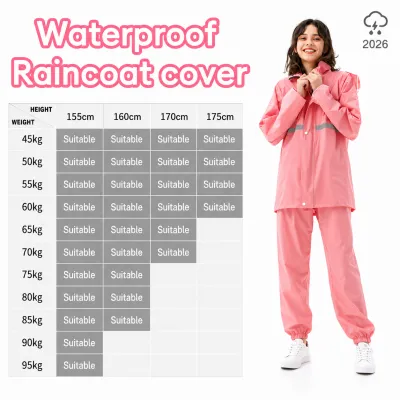
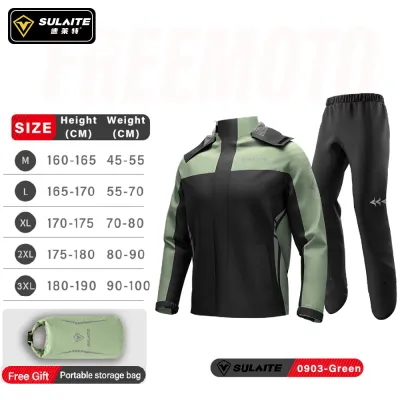
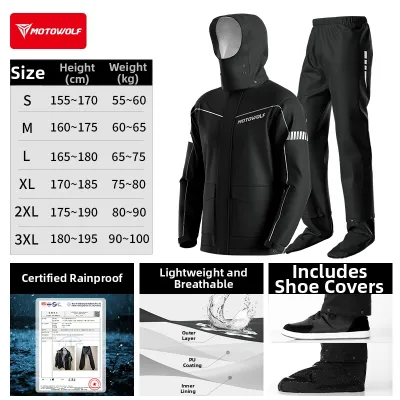
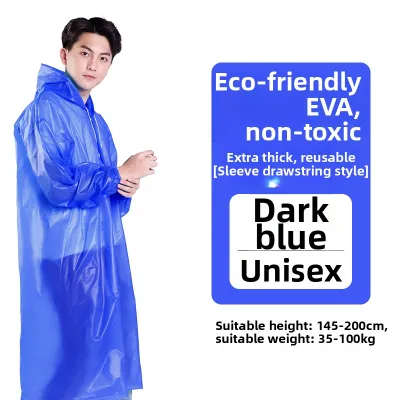
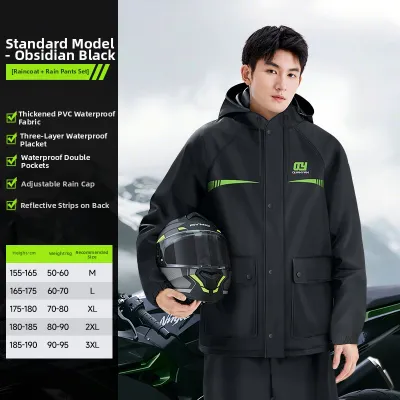
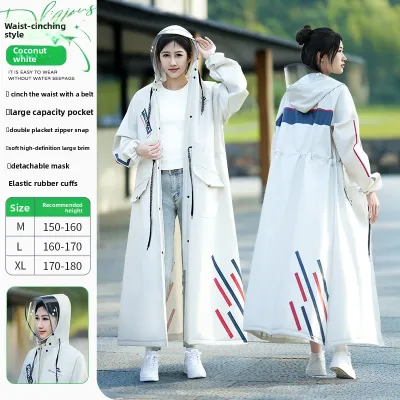
Prices are valid at publication and may change. Please refer to the product page for the latest price.
Even the thickest material will fail to keep you dry if the seams are poorly constructed. Every time a needle punctures fabric during the sewing process, it leaves behind thousands of tiny holes. Under the pressure of riding through a heavy downpour, water will inevitably find its way through these needle holes. Therefore, you must look for raincoats that feature heat-sealed or taped seams. During manufacturing, a specialized waterproof tape is applied under high heat and pressure along the inside of every seam, completely sealing the stitching. When inspecting a raincoat, turn it inside out to verify that a smooth, continuous tape layer covers all stitched areas, particularly around the shoulders, crotch, and underarms where water accumulation is highest.
Visibility is another critical safety factor when riding in low-light monsoon conditions. Heavy rain drastically reduces the visibility of other motorists, making it essential that your rain gear helps you stand out on the road. Look for raincoats equipped with wide, retroreflective strips across the back, chest, and sleeves. These strips reflect the headlights of surrounding vehicles, making your presence known from a distance. Additionally, choosing high-visibility colors such as neon yellow, bright green, or vibrant orange can significantly enhance your safety compared to dark, low-profile colors like black or navy blue, especially during daytime downpours when ambient light is low.
Two-Piece Suits vs. Ponchos: Choosing the Right Style
Selecting the right style of raincoat depends heavily on your typical riding speed, commuting distance, and the type of motorcycle you ride. The two primary styles available to riders are two-piece suits (consisting of a separate jacket and pants) and traditional one-piece ponchos. For most motorcycle commuters, a two-piece suit is the superior choice for heavy rain. Because it fits snugly against your body, a two-piece suit minimizes wind resistance and prevents the fabric from flapping violently at higher speeds. This secure fit reduces rider fatigue and eliminates the risk of loose fabric catching on passing vehicles, handlebars, or your own motorcycle’s controls.

In contrast, ponchos are generally designed for low-speed, short-distance commutes, such as quick trips within a residential subdivision. While they are incredibly easy to slip on and off, ponchos present significant safety hazards when worn on a moving motorcycle. The loose, billowing fabric of a poncho can act like a sail, catching the wind and destabilizing your balance at speeds above a crawl. Furthermore, excess fabric can easily drape over the exhaust pipe, leading to melted plastic and potential fire hazards, or get entangled in the rear wheel, chain, or sprocket, causing a sudden and dangerous lockup. For these reasons, ponchos are highly discouraged for main-road commuting or highway riding.
When comparing the two styles, you must also consider the trade-offs in breathability, ease of use, and storage. A two-piece suit requires more effort to put on, especially when you are caught in a sudden downpour on the side of the road. You have to remove your shoes or carefully slide the pants over them, then secure the jacket. However, the protection it offers is unmatched, as it seals your entire body from road spray kicked up by other vehicles. Storage is another factor; thick two-piece suits are bulky and require dedicated space in your motorcycle’s top box, under-seat compartment, or a backpack. Ponchos fold down more compactly but fail to provide dry coverage for your lower legs and feet, leaving you vulnerable to wet socks and waterlogged shoes.
How to Verify Waterproof Claims Before Buying
In a market flooded with various rain gear options, verifying waterproof claims can be challenging, especially when shopping online or in local motorcycle accessory shops where professional test data is not readily displayed. One of the most reliable indicators of waterproof capability is the hydrostatic head rating, which measures the water pressure a fabric can withstand before leaking. While not all budget-friendly raincoats list this specification, premium brands often display ratings such as 5,000mm or 10,000mm. A rating of 10,000mm means the fabric can withstand a 10-meter column of water pressure, making it highly suitable for heavy monsoon rains and highway speeds.
If technical specifications are unavailable, you can assess a raincoat’s quality by closely inspecting its physical design details. Start by examining the main zipper, which is a common entry point for water. A reliable motorcycle raincoat should feature a robust storm flap—ideally a double flap—that folds over the zipper and secures with hook-and-loop fasteners or heavy-duty snap buttons. This design prevents wind-driven rain from forcing its way through the zipper teeth. Next, check the cuffs and collar. The cuffs should have adjustable elastic bands or hook-and-loop straps that allow you to create a tight seal around your wrists or over your riding gloves. The collar should be high enough to cover your neck, preventing water from running down your helmet and into your shirt.
The inner lining of the raincoat also plays a vital role in both comfort and durability. Look for raincoats that feature a breathable polyester mesh inner lining. This lining serves two purposes: it prevents the sticky, waterproof inner coating of the raincoat from clinging directly to your skin or riding clothes, and it protects the waterproof membrane from friction and body oils, which can degrade the coating over time. Finally, evaluate the price-to-feature ratio. While ultra-cheap plastic raincoats may cost less than ₱150, they are prone to tearing after a single use. A durable, thick, motorcycle-specific two-piece raincoat typically ranges from ₱500 to ₱2,500 or more. Investing in this price range generally ensures reinforced stitching, durable materials, and reliable waterproofing that will last through multiple rainy seasons.
Care and Drying Practices to Maintain Waterproofing
Proper maintenance is essential to preserve the waterproof integrity of your thick motorcycle raincoat, especially in the hot and humid climate of the Philippines. One of the most common mistakes riders make is throwing their dirty raincoats into a washing machine. The aggressive agitation of a washing machine, combined with standard laundry detergents, can easily crack thick PVC, delaminate taped seams, and strip away water-repellent coatings. Instead, clean your raincoat by wiping down the exterior with a soft, damp cloth. If the gear is heavily soiled with road grime or mud, use a mild, diluted soap and rinse it gently with cool water, avoiding any scrubbing of the inner lining.
Drying your raincoat correctly is just as important as cleaning it. After riding in the rain, never leave your wet raincoat crumpled up in your motorcycle’s top box or under-seat compartment. The trapped moisture in a dark, warm space creates the perfect breeding ground for mold, mildew, and bacteria, which will quickly ruin the fabric and cause a persistent, unpleasant odor. Furthermore, prolonged exposure to trapped moisture can cause the waterproof backing to separate from the outer fabric. Always hang your wet raincoat on a wide, sturdy hanger to distribute the weight evenly, and let it air dry completely in a well-ventilated, shaded area. Avoid exposing the raincoat to direct, intense sunlight, as ultraviolet (UV) rays and high heat can dry out and crack PVC or melt polyurethane coatings.
When it comes to storage, ensure the raincoat is 100% dry before folding it away. Store the gear in a cool, dry place away from direct heat sources. When folding a thick raincoat, avoid pressing down too hard or creating sharp, permanent creases, as these crease lines can become weak points where the waterproof coating eventually cracks and leaks. If you store your rain gear on your motorcycle, place it loosely in a protective bag inside your top box to prevent it from rubbing against sharp tools or keys that could puncture the thick material.
Frequently Asked Questions (FAQ)
Can I use a regular thick raincoat instead of a motorcycle-specific one?
While a regular thick raincoat might keep you dry while walking, it is not designed to handle the unique demands of motorcycle riding. Standard raincoats lack the aerodynamic fit required for riding, which leads to violent flapping at speed that can distract you and destabilize your balance. They also lack essential motorcycle-specific features, such as heat-resistant panels to prevent melting against the hot exhaust pipe, reinforced crotch seams to handle the constant friction of sitting on a motorcycle seat, and adjustable closures at the wrists and ankles to seal out wind-driven rain.
How do I know if my thick raincoat needs to be replaced?
You should inspect your raincoat regularly for signs of wear and tear that compromise its waterproof capabilities. Clear indicators that your raincoat needs replacement include peeling, flaking, or bubbling of the inner waterproof coating, and stiffening or cracking of the outer PVC or polyester material. If you notice persistent dampness along the seams or inside the jacket after riding through a downpour, it means the seam tape has delaminated or the fabric has lost its water resistance, indicating it is time to invest in a new suit.
Is it safe to wear a thick raincoat over a riding jacket?
Yes, it is safe and highly recommended to wear your raincoat over your protective riding jacket to keep your primary safety gear dry. However, you must ensure that you purchase a raincoat that is sized appropriately to fit comfortably over your armored jacket without restricting your range of motion. A raincoat that is too tight can compress the protective armor pads, reducing their effectiveness, and limit your ability to turn your head or react quickly. Additionally, ensure the combination does not cause you to overheat, as maintaining comfort is crucial for safe riding.

Community discussion
Share your experience or ask a question. Comments are reviewed before publication.