
To survive a sudden tropical downpour on a motorcycle in the Philippines, a rider needs a raincoat that does more than just block water for a few minutes. A truly reliable, thick waterproof motorcycle raincoat—locally sought after as a “makapal” kapote—must combine heavy-duty materials, robust seam construction, and a secure, riding-specific fit. Relying on generic marketing terms like “100% waterproof” often leads to a soaked commute. Instead, riders must look for verifiable material specifications, heat-sealed or welded seams, and design features that prevent water from forcing its way through zippers and cuffs under high wind pressure.
Key Features for Heavy Rain Protection
To understand what makes a raincoat truly waterproof under the intense pressure of a tropical storm, you must look closely at the fabric specifications. Many products are marketed as “heavy-duty” or “makapal,” but thickness alone does not guarantee water resistance. The most reliable way to verify a garment’s capability is by checking its hydrostatic head rating, which is measured in millimeters (mm). For heavy rain and highway speeds, a rating of at least 10,000 mm is recommended, while 20,000 mm or higher offers superior protection against wind-driven rain. These ratings indicate the amount of water pressure the fabric can withstand before moisture begins to penetrate.
The choice of material also plays a significant role in durability and comfort. Heavy-duty Polyvinyl Chloride (PVC) and Polyurethane (PU) are the most common materials used in thick motorcycle raincoats. PVC is highly waterproof and exceptionally durable, making it excellent for blocking torrential downpours, though it can feel heavy and trap heat in tropical climates. PU-coated polyester or nylon offers a lighter, more flexible alternative that still provides excellent water resistance. For riders who commute daily, premium laminated membranes offer both high waterproof ratings and breathability, allowing body heat and sweat to escape while keeping rainwater out.
Products mentioned in this guide
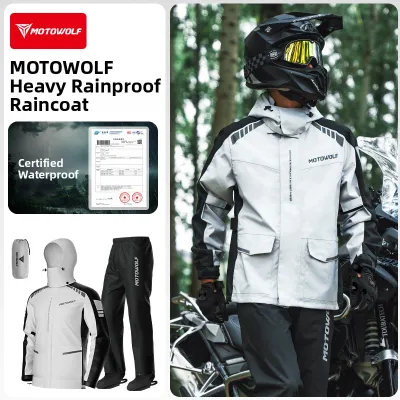
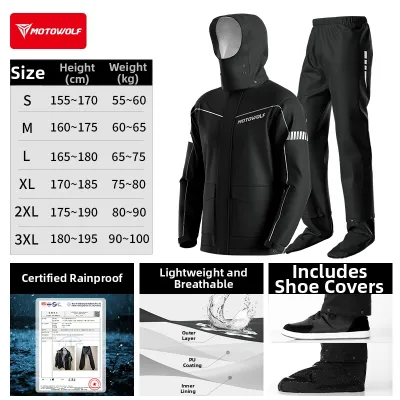
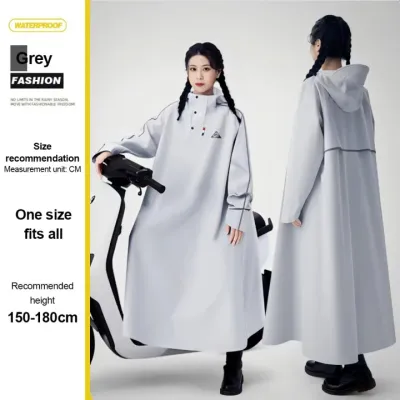
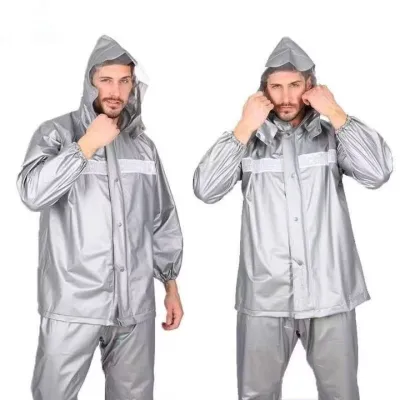
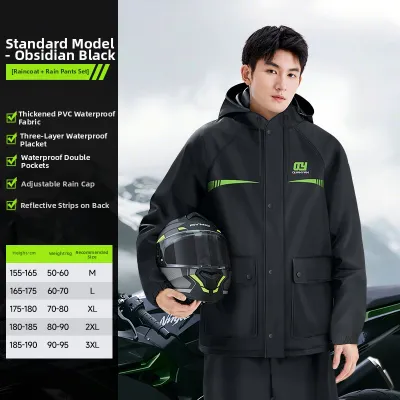
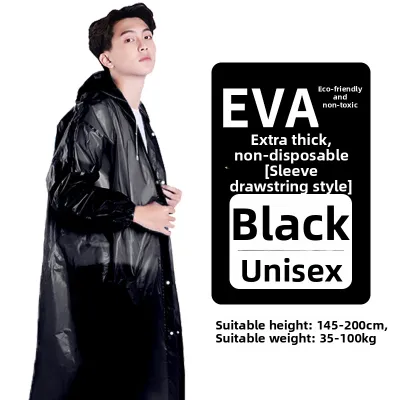
Prices are valid at publication and may change. Please refer to the product page for the latest price.
Beyond the fabric itself, the seams are the most vulnerable points of any raincoat. Standard stitching creates thousands of tiny needle holes that act as entry points for water under pressure. High-quality motorcycle raincoats address this issue through advanced seam-sealing methods. Look for garments with heat-taped seams, where a waterproof tape is thermally applied to the inside of the stitched lines. Alternatively, some heavy-duty PVC raincoats feature high-frequency welded seams, which use electromagnetic energy to fuse the fabric panels together without any stitching. When inspecting a raincoat, turn it inside out to verify that the tape is smooth, fully adhered, and free of air bubbles or lifting edges.
The closure systems of the raincoat are equally critical in blocking wind-driven rain. A standard zipper will quickly leak when subjected to the high-velocity water spray experienced while riding. To prevent this, a proper motorcycle kapote should feature a dual-layer storm flap that folds over the main zipper and secures with hook-and-loop fasteners or heavy-duty snaps. This design creates a physical barrier that channels water away from the zipper track. Additionally, adjustable cuffs at the wrists and ankles are essential. Elasticized cuffs with adjustable straps allow you to create a tight seal over your riding gloves and boots, preventing water from creeping up your sleeves or pant legs as you ride.
Design and Fit for Motorcycle Riding
When riding in heavy rain, the design of your rain gear directly impacts your safety and control. A two-piece jacket and pants set is highly recommended over a single-piece poncho. While ponchos are easy to slip on, they pose severe safety risks on a motorcycle. At riding speeds, the loose fabric of a poncho can flap violently, distracting the rider and catching strong crosswinds, which can destabilize the motorcycle. Furthermore, loose fabric can easily get caught in the rear wheel, chain, or hot exhaust pipes, leading to mechanical failure or a dangerous fall. A fitted two-piece suit keeps the material close to your body, minimizing wind resistance and ensuring full freedom of movement.

Visibility drops dramatically during heavy downpours, making high-visibility design features a necessity for survival on busy roads. Opt for raincoats in bright, high-visibility colors such as neon yellow, orange, or green. These colors stand out against the gray, low-light backdrop of a storm. In addition to bright colors, ensure the raincoat features wide, retroreflective strips across the back, chest, and sleeves. These reflective elements bounce light from the headlights of other vehicles back to the drivers, making you visible even in torrential rain or during nighttime rides.
Achieving the correct fit requires balancing comfort, coverage, and compatibility with your existing riding gear. A motorcycle raincoat should be sized slightly larger than your standard jacket to accommodate your protective armor, chest protectors, or a backpack if you commute with one. However, it should not be so loose that it bags or flaps in the wind. When trying on a raincoat, sit on your motorcycle or mimic your riding posture. Ensure the sleeves are long enough to cover your wrists when your arms are extended to the handlebars, and check that the pants do not ride up too high, exposing your ankles. The collar should also be high enough to seal against the bottom of your helmet, preventing water from running down your neck.
Evaluating Durability and Maintenance
A durable motorcycle raincoat must withstand more than just water; it must endure the physical stresses of riding. High-wear areas such as the seat of the pants, the knees, and the shoulders are subjected to constant friction and stretching. Look for raincoats that feature reinforced, abrasion-resistant panels in these critical zones. A double-layered seat panel prevents water from being forced through the fabric when sitting on a wet motorcycle saddle, while reinforced knees and shoulders protect the garment from premature wear and tear caused by movement and wind pressure.
Proper maintenance is essential to preserve the waterproof properties of your gear over time. Many high-performance raincoats utilize a Durable Water Repellent (DWR) coating on the outer fabric, which causes water to bead up and roll off. Over time, this coating can wear off due to dirt, friction, and exposure to the elements. Always review the manufacturer’s cleaning instructions, as harsh detergents and fabric softeners can ruin the waterproof membrane or strip the DWR coating. Wash the raincoat using a mild, technical gear cleaner, and avoid machine drying unless specifically permitted by the care label. To restore water-beading performance, you can periodically apply a spray-on DWR treatment designed for outdoor gear.
Regularly inspect your raincoat for signs of material degradation. Over years of use in hot and humid tropical climates, the inner waterproof linings of some raincoats can begin to peel, crack, or flake off. This degradation is often accelerated by storing the gear while it is still damp. If you notice the inner coating crumbling or the seam tape lifting, the waterproof integrity is compromised, and it is time to replace it. Additionally, if the fabric becomes stiff, brittle, or shows signs of mold that cannot be cleaned, it will no longer provide reliable protection during heavy downpours.
What to Check Before Buying
Before making a purchase, it is crucial to verify the manufacturer’s specifications rather than relying solely on online storefront descriptions or generic buzzwords. Look for detailed product manuals or official specification sheets that list the exact materials used, such as heavy-duty PVC, polyurethane-coated nylon, or breathable polyester membranes. If a product listing lacks specific details about seam construction, material weight, or waterproof ratings, treat those claims with caution. A reputable brand will clearly state the technical features of their gear.
Because fit and waterproof performance are highly specific, check the seller’s return policies and warranty coverage before buying. Ensure that the warranty covers manufacturing defects such as seam separation, zipper failures, or premature material delamination. Some manufacturers offer dedicated warranties for their waterproof gear, which can provide peace of mind when investing in a premium raincoat. Additionally, verify that you can exchange the item if the sizing does not fit comfortably over your protective riding jacket and pants.
Finally, consider the practical aspects of daily commuting, such as packability, weight, and storage. A heavy-duty, thick raincoat can be bulky and difficult to store when not in use. Look for models that come with a dedicated, compact storage bag or pouch that can easily fit inside your motorcycle’s under-seat compartment, top box, or backpack. While a thicker “makapal” material offers excellent durability, it should still be flexible enough to fold down into a manageable size. Balancing thickness with packability ensures that you will always have your rain gear with you when a sudden storm hits.
Frequently Asked Questions (FAQ)
Can I use a regular thick raincoat for motorcycle riding?
Using a standard, non-motorcycle raincoat for riding is not recommended due to safety and functional limitations. Regular raincoats are designed for walking or standing, meaning they lack the aerodynamic fit required at riding speeds. At highway speeds, a standard coat will flap violently, which can distract you, fatigue your shoulders, and reduce your overall control of the motorcycle. Furthermore, standard raincoats lack the necessary abrasion resistance and riding-specific articulation, meaning they can easily tear at the seams when you stretch to reach the handlebars or put your feet down at a stop. They also lack the high-visibility features and secure collar seals essential for safe riding in heavy rain.
How do I know if the seams are truly waterproof?
To determine if a raincoat’s seams are truly waterproof, you must inspect the inside of the garment. Turn the raincoat inside out and look closely at the stitching lines. On a high-quality waterproof coat, you should see a clear or colored tape applied flat over every single seam. This is known as heat-taping, and it seals the needle holes. The tape should be completely smooth, with no lifting edges, bubbles, or wrinkles. On PVC or heavy rubberized raincoats, look for welded seams, where the fabric panels are fused together seamlessly without any thread. If you see exposed stitching with no tape or sealant on the inside, the raincoat will likely leak under heavy rain pressure.
What should I do if my raincoat starts leaking?
If your raincoat begins to leak, first identify the source of the water ingress. If water is soaking through the outer fabric rather than a specific seam, the Durable Water Repellent (DWR) coating may have worn off. You can restore this by washing the garment with a specialized technical wash and applying a spray-on DWR treatment. If the leak is coming from a specific seam where the tape has started to lift, you can apply a flexible polyurethane seam sealant designed for outdoor gear to patch the area. However, if the inner waterproof membrane is peeling, cracking, or flaking extensively, the material has reached the end of its lifespan, and the raincoat must be replaced to ensure your safety and comfort.

Community discussion
Share your experience or ask a question. Comments are reviewed before publication.