
Finding the right tricycle seat cushion for long daily commutes in the Philippines requires balancing ergonomic support with extreme weather resilience. Whether you are a driver spending eight hours behind the handlebars or a passenger navigating bumpy local roads inside the sidecar, the right cushion can mean the difference between a smooth ride and chronic lower back fatigue. Because tricycle configurations vary widely across different municipalities, selecting a cushion is not a one-size-fits-all decision. You must evaluate the specific physical demands of your seating position, the durability of the materials under intense tropical sun and heavy monsoon downpours, and the security of the mounting system to ensure a safe, comfortable journey.
Identifying Your Role: Driver Seat vs. Sidecar Passenger
Operating a tricycle and riding as a passenger in a sidecar place entirely different physical demands on your body, meaning a cushion that works perfectly for one role may be highly unsuitable for the other.
Drivers sit on a standard motorcycle saddle, straddling the engine. This position requires active movement—shifting weight during turns, operating the foot brake and gear shifter, and maintaining balance. A driver’s tricycle seat cushion must offer excellent lower back support to counteract the vibrations of the engine and road. It needs an anti-slip surface so the driver does not slide forward during sudden stops. Heat dissipation is also critical; sitting directly above or near the engine in tropical heat can cause severe discomfort. The cushion must be narrow enough at the front to allow the driver’s feet to reach the ground easily during stops.
Products mentioned in this guide
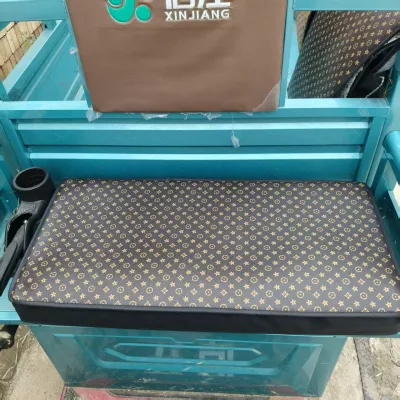
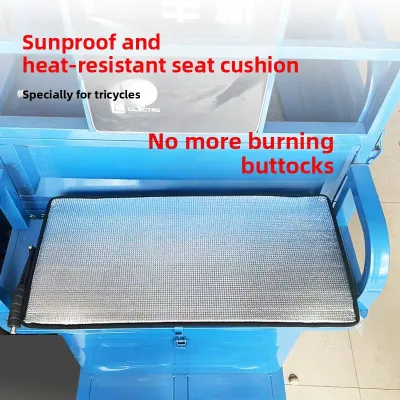
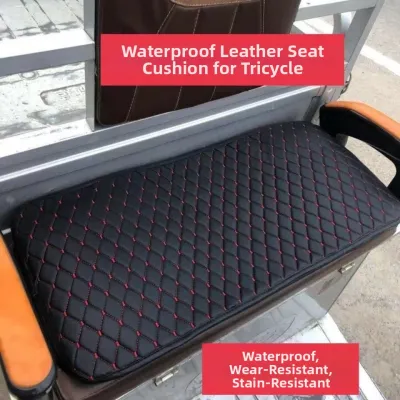
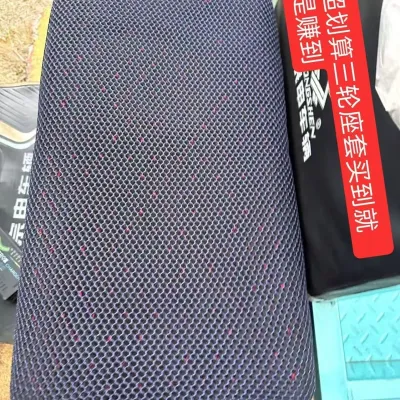
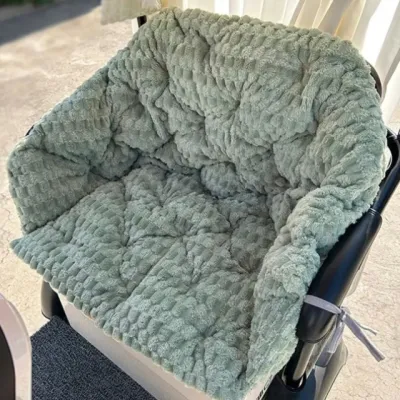
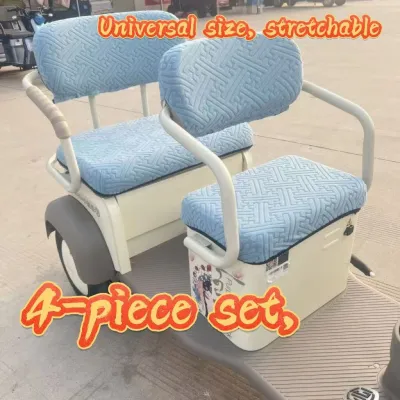
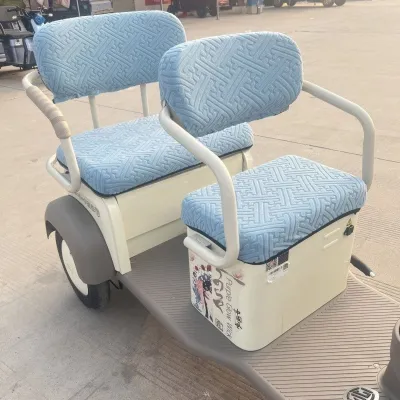
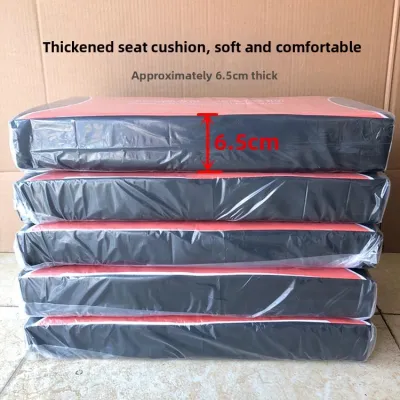
Prices are valid at publication and may change. Please refer to the product page for the latest price.
Sidecar passengers face a completely different set of challenges. Sidecar benches are typically flat, wide, and constructed from wood or metal frames with minimal built-in padding. Passengers experience lateral forces during turns and direct road shocks because sidecar suspensions are often stiffer than the motorcycle’s rear shocks. A passenger cushion needs a wider weight distribution area to prevent pressure points on the tailbone. It must provide robust shock absorption to cushion against potholes and uneven asphalt. Additionally, passenger cushions must have secure edge support so they do not slip or fold when passengers step in and out of the sidecar.
Daily commute distances in suburban and rural areas often involve navigating rough roads, speed bumps, and unpaved pathways. If your daily route exceeds thirty minutes each way, the cumulative impact of these vibrations can strain your spine. Drivers and passengers alike must prioritize cushions that absorb high-frequency vibrations rather than just providing a soft surface.
Evaluating Cushion Materials and Core Construction
The core material determines how well the cushion supports weight over hours of continuous use, while the outer cover dictates how well it survives the elements.

High-density polyurethane foam is a reliable, traditional choice; it offers firm, consistent support and resists bottoming out under heavy loads. Memory foam contours closely to the body, distributing pressure evenly, but it tends to retain body heat and can become overly soft in high temperatures. Gel-infused inserts or honeycomb gel structures are highly effective for tropical climates because they allow air to circulate through the open cells, keeping the seating surface cooler while providing excellent pressure relief. However, pure gel cushions can feel heavy and may lack the structural height needed for deep shock absorption, making a hybrid gel-and-foam construction highly desirable.
The cover is your cushion’s first line of defense against the elements. In the Philippines, a cushion must withstand intense ultraviolet (UV) radiation and sudden, heavy downpours. Look for covers made from heavy-duty polyester, marine-grade vinyl, or specialized 3D spacer mesh. 3D mesh is highly breathable and prevents sweat buildup, but it is not waterproof; it requires a water-resistant underlayer or a quick-drying design. Vinyl and treated polyester offer excellent water repellency, allowing you to simply wipe away rainwater before sitting down. Ensure the cover material is UV-stabilized to prevent cracking, fading, and crumbling after months of exposure to direct sunlight.
Before purchasing, read the product labels or online specifications carefully to verify the material composition. Check if the cover is removable and washable. A zippered, washable cover is essential for maintaining hygiene, as sweat, dust, and road grime will inevitably accumulate during daily commutes.
Checking Dimensions, Fitment, and Secure Attachment
Never assume a cushion will fit your tricycle based on a “universal” label. You must physically measure your seat pan before shopping.
For the driver’s seat, measure the length from the fuel tank to the rear rise, and the width at the widest point where your sit bones rest. For the sidecar passenger bench, measure the total length and depth of the flat seating area. Note any contour variations, such as raised backrests or curved corners, which could cause a flat cushion to bunch up or slide.
A loose cushion is a safety hazard. Evaluate how the cushion attaches to the seat. Look for cushions featuring a high-friction, non-slip rubberized bottom to prevent sliding on smooth vinyl seats. Secure attachment systems, such as adjustable nylon tie-down straps with quick-release buckles or wide hook-and-loop fasteners, are crucial. These straps must wrap securely around the seat pan or bench frame without slipping off under lateral pressure.
Ensure the cushion’s thickness does not compromise safety. For drivers, a cushion that is too thick can raise your riding height excessively, altering your center of gravity and making it harder to plant your feet firmly on the ground at stops. It must not interfere with your reach to the handlebars, foot pedals, or hand controls. For passengers, the cushion must not block access to sidecar handholds, safety bars, or seatbelts.
Sourcing and Verifying Products Before Purchase
Finding a reliable cushion involves comparing different shopping avenues and carefully verifying product specifications to avoid low-quality options.
Local motorcycle accessory and upholstery shops allow you to physically inspect the cushion, feel the density of the foam, and test the fitment directly on your tricycle before spending money. This is highly recommended to avoid compatibility issues. Online marketplaces offer a wider variety of designs, materials, and price points—typically ranging from budget-friendly options around ₱300 to premium ergonomic inserts costing upwards of ₱1,500.
When shopping online, look for listings that provide detailed, exact dimensions in centimeters rather than vague size descriptions. Read customer reviews specifically looking for real-world photos of the cushion installed on tricycles or motorcycles. Check the seller’s return policy regarding fitment issues; a reputable seller should allow returns if the cushion does not fit your specific seat configuration.
Avoid listings that make unrealistic promises, such as “one size fits all tricycles,” or those that lack clear material specifications. If a listing does not state whether the foam is high-density or if the cover is water-resistant, it is safer to look elsewhere. Missing material tags or a complete lack of dimension diagrams are strong indicators of a low-quality product that may degrade quickly under daily commuting stress.
Inspecting and Maintaining Your Cushion for Longevity
Proper maintenance ensures your cushion continues to provide adequate support and remains hygienic throughout its lifespan.
Regularly inspect your cushion for signs of wear and tear. Look for foam compression, where the cushion no longer rebounds to its original shape after you stand up. Check the seams for splitting, the straps for fraying, and the non-slip backing for peeling or loss of grip. Addressing minor seam splits early can prevent the internal foam from absorbing moisture and rotting.
Follow the manufacturer’s care instructions carefully. If the cover is removable, machine wash or hand wash it using a mild detergent and air dry it completely in the shade to preserve the elastic and waterproof coatings. For non-removable covers, wipe the surface down with a damp cloth and mild soapy water. Avoid using harsh chemical cleaners, bleach, or high-heat dryers, as these can degrade the UV-resistant coatings and break down the internal foam structure.
Even high-quality cushions have a limited lifespan under daily commuting conditions. If you begin to experience unusual lower back pain, tailbone soreness, or if the cushion remains damp long after a rainstorm, the internal core has likely lost its structural integrity or water-resistant barrier. Replace the cushion promptly to maintain your comfort and protect your physical health during long hours on the road.
Frequently Asked Questions (FAQ)
Can I use a standard motorcycle seat cushion on a tricycle sidecar?
Standard motorcycle seat cushions are designed for narrow, contoured saddles and rarely fit the wide, flat benches of a tricycle sidecar. Using a narrow motorcycle cushion on a sidecar bench leaves large areas unsupported, causing the passenger to slide or sit unevenly. Always measure the flat passenger bench and look for wider, rectangular cushions specifically designed for benches or rear pillion seats to ensure complete coverage and comfort.
Are gel seat cushions better than foam for long tricycle rides?
Gel cushions excel at pressure distribution and heat dissipation, making them highly comfortable for hot days. However, they can be heavier and may feel firmer initially compared to foam. High-density foam provides excellent structural support and shock absorption on very bumpy roads. For the best of both worlds, look for hybrid cushions that combine a supportive high-density foam base with a cooling gel top layer.
How do I prevent my seat cushion from sliding during the ride?
To prevent sliding, choose a cushion with a built-in non-slip silicone or rubberized bottom. Secure the adjustable nylon straps tightly around the seat frame or bench. Avoid using permanent glues or heavy-duty adhesive tapes directly on your original seat upholstery, as these can ruin the vinyl and leave sticky residues. If extra security is needed, use removable hook-and-loop straps wrapped around the seat base.
Community discussion
Share your experience or ask a question. Comments are reviewed before publication.