
Finding the right water holder for your Yamaha NMAX V2 in the Philippines requires balancing rider ergonomics, secure mounting, and resistance to harsh tropical weather. Because the NMAX V2 features a distinct front fairing design, a revised inner cowl, and specific handlebar clearances compared to its predecessor, choosing an accessory is not as simple as buying a generic clamp. A properly selected water holder keeps you hydrated during long rides along provincial highways or daily commutes through congested city streets, all without compromising your control over the motorcycle. By focusing on model-specific brackets, durable materials, and safe mounting locations, you can secure your water bottle or insulated tumbler while maintaining full steering clearance and operational safety.
Identifying NMAX V2 Mounting Points and Clearance Limits
The Yamaha NMAX V2 presents a highly integrated cockpit design that limits where you can safely attach aftermarket accessories. Unlike traditional underbone motorcycles with exposed metal handlebar tubes, the NMAX V2 features a plastic handlebar cover that restricts direct clamping unless you install an aftermarket crossbar or accessory mount. The front inner cowl, which houses the keyless ignition system or key shutter and the front storage pockets, offers flat surfaces but requires careful evaluation to avoid blocking access to these essential controls. Additionally, the lower floorboard area and the central spine of the scooter provide alternative mounting zones, but these areas are highly susceptible to foot interference during mounting, dismounting, or sudden stops.
Before purchasing any water holder, you must physically measure the clearance around these potential mounting zones while sitting on the scooter in your natural riding position. Turn the handlebars fully from lock to lock to ensure that any proposed accessory location does not pinch your hands, press against the brake levers, or strike the tall windscreen. Legroom is another critical factor, especially for taller riders in the Philippines who may find their knees coming into contact with accessories mounted on the inner cowl panels. It is highly recommended to consult your Yamaha NMAX V2 owner’s manual to identify any specific manufacturer warnings regarding the attachment of aftermarket accessories to the bodywork, particularly near the steering column or electrical routing paths.
Products mentioned in this guide
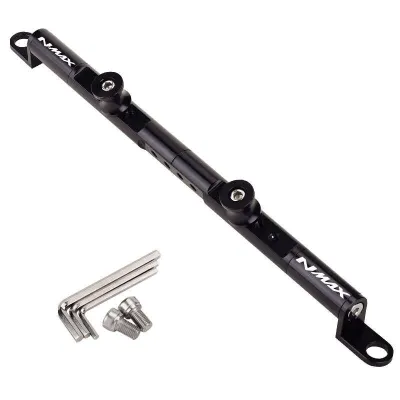
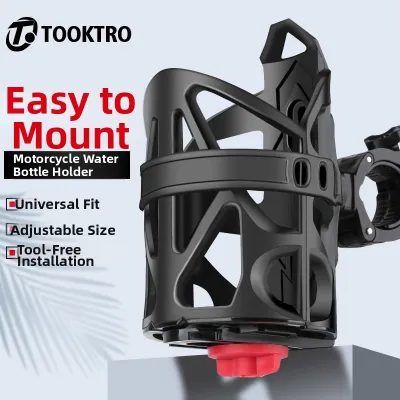
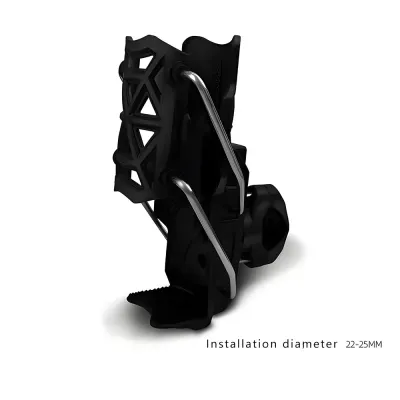
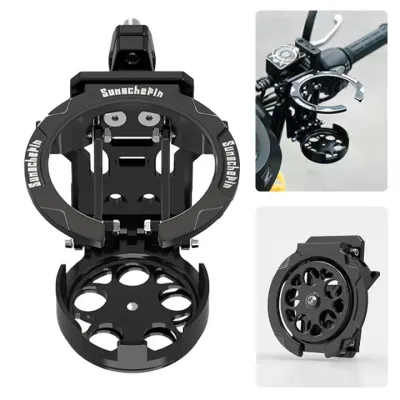
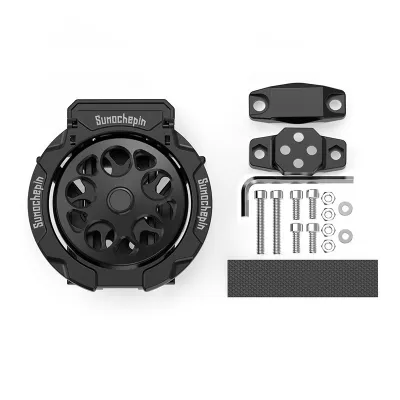
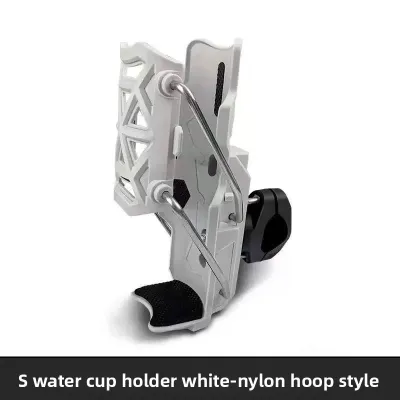
Prices are valid at publication and may change. Please refer to the product page for the latest price.
Comparing Mounting Styles for Scooter Water Holders
When exploring the market for water holders, you will generally encounter three primary mounting styles, each offering distinct advantages and trade-offs for daily scooter operation. Handlebar-mounted holders are highly popular due to their elevated position, which keeps your beverage within easy reach while riding. These systems typically attach to an aftermarket accessory bar, side mirror stem, or the handlebar clamp itself. While they offer excellent visibility, they also place additional weight on the steering assembly, which can subtly alter steering feel. Furthermore, if the bracket is not positioned correctly, the holder or the bottle itself can interfere with your view of the instrument cluster or obstruct access to the horn, turn signals, and starter switches.

Inner cowl or body panel mounts offer a more integrated, factory-like aesthetic by utilizing existing bolt holes or specialized brackets that hug the scooter’s front fairings. These mounts are highly stable because they are anchored directly to the scooter’s rigid body structure, minimizing the vibration transmitted to your drink. However, installing an inner cowl mount often requires precise bracket alignment and may involve removing plastic body panels to access secure mounting points behind the fairing. If the bracket is designed poorly, it can scratch the painted plastics or put undue stress on the delicate clips holding the cowl together, leading to annoying rattles over time.
Floorboard or utility rail mounts position the water holder lower on the scooter’s frame, often along the central spine or attached to aftermarket footrest brackets. This configuration keeps the center of gravity low, which is beneficial for maintaining the scooter’s natural handling characteristics. It also completely clears your line of sight and eliminates any risk of handlebar interference. The primary drawback of this style is accessibility, as you must reach down significantly lower to retrieve your bottle, which can be dangerous while in motion. Additionally, you must ensure the holder does not obstruct your feet when shifting your riding position or when putting your feet down at traffic stops.
Evaluating Materials and Design Features for Daily Riding
The tropical climate of the Philippines, characterized by intense sunlight, high humidity, and sudden torrential downpours, demands accessories made from highly durable materials. Low-grade plastics will quickly degrade, become brittle, and crack under prolonged exposure to ultraviolet (UV) radiation. When evaluating plastic holders, look for high-density polymers, such as ABS or fiberglass-reinforced nylon, which offer superior impact resistance and UV stabilization. Alternatively, CNC-machined aluminum holders provide exceptional strength and a premium look, though they must be anodized or powder-coated to prevent corrosion from rain and salty coastal air.
Vibration dampening is another crucial feature to consider, as the constant engine vibrations and uneven road surfaces can cause bottles to rattle loudly or even bounce out of the holder. High-quality water holders incorporate rubber gaskets, silicone linings, or flexible tension arms that grip the bottle securely and absorb road shocks. These dampening elements not only eliminate distracting noises during your ride but also protect your insulated tumblers or plastic bottles from getting scratched and scuffed. Adjustable clamping mechanisms or spring-loaded designs are particularly useful, as they dynamically adapt to different bottle diameters and maintain a firm grip regardless of road conditions.
Capacity and adjustability should match your specific hydration needs and the types of containers you plan to carry. If you prefer using large, vacuum-insulated stainless steel tumblers to keep your water cold during hot afternoon rides, you will need a heavy-duty holder with an adjustable base and a wider diameter. Conversely, if you typically carry standard PET water bottles or takeaway coffee cups, a lighter, self-adjusting cage with a flexible top rim may be more appropriate. Always verify the maximum weight capacity specified by the accessory manufacturer, as overloading a bracket can lead to structural failure when hitting potholes or speed bumps.
Ensuring Safe Installation and Unobstructed Controls
Safety must be your absolute priority when installing any aftermarket accessory on your Yamaha NMAX V2. Before finalizing the installation, you must perform a comprehensive physical check to ensure that the water holder does not block your view of the digital instrument cluster, the side mirrors, or the front turn signals. The holder must not impede the full travel of the brake levers, nor should it come into contact with the throttle grip or any electrical wiring harnesses. Any restriction in these areas can lead to delayed braking responses or unintended acceleration, posing a severe safety hazard on the road.
To verify steering clearance, place the scooter on its center stand and slowly turn the handlebars from the far-left lock to the far-right lock. Observe the clearance between the water holder, the windscreen, the front fairings, and your own knees. The movement must be completely smooth, with no binding, catching, or resistance at any point in the steering arc. If you detect any contact, you must adjust the mounting angle or relocate the bracket immediately.
As a strict safety boundary, if the installation instructions for a specific water holder require you to drill into the scooter’s structural frame, modify the main electrical wiring harness, or alter critical control mechanisms, you must halt the installation immediately. Do not attempt to perform these modifications yourself unless you possess the proper tools and technical expertise. Instead, consult a qualified motorcycle technician or an authorized service center to ensure the modification is executed safely and does not compromise the structural integrity or electrical safety of your motorcycle.
Verifying Fitment When Shopping Online or In-Store
Sourcing the right water holder through local motorcycle shops or online marketplaces requires a diligent approach to verify compatibility. Because the Yamaha NMAX has undergone design revisions over the years, accessories labeled generically for “NMAX” may only fit the older V1 model and might not align with the revised body lines and panel shapes of the V2. Always look for product listings that explicitly state compatibility with the “NMAX V2” or “NMAX 2020-2026” models, and carefully compare the mounting brackets shown in the product photos with the actual structure of your scooter.
When shopping on an online marketplace, make extensive use of the customer review section, filtering for reviews that include photos or videos uploaded by other NMAX V2 owners. These real-world images provide invaluable insights into how the accessory looks when installed, where the brackets attach, and whether there are any visible clearance issues. You can also use the platform’s Q&A feature to ask the seller directly if the product has been tested on the V2 model and if it requires any additional hardware or modifications to install.
Finally, always check the seller’s return policies and warranty terms before making a purchase. Even with careful research, minor manufacturing variances or differences in aftermarket fairings can sometimes prevent a perfect fit. Choosing a seller who offers a straightforward return or exchange policy ensures that you are not left with an unusable accessory if the mounting bracket fails to align with your scooter’s specific body lines.
Frequently Asked Questions (FAQ)
Can I use a generic universal cup holder on the NMAX V2?
Yes, you can use a generic universal cup holder, but you must exercise caution regarding how and where it clamps onto the scooter. Universal holders often rely on adjustable pipe clamps designed for exposed handlebars, which do not easily fit the NMAX V2’s covered handlebar assembly without an aftermarket crossbar or mirror mount adapter. Additionally, universal clamps may not provide the precise clearance needed to avoid scratching the inner cowl plastics or interfering with the steering lock. If you choose a universal option, ensure you use rubber spacers to protect your scooter’s surfaces and verify that the clamp can be tightened securely to prevent the holder from rotating while riding.
Will installing a water holder void my Yamaha warranty?
Generally, installing a non-invasive, clamp-on water holder that does not require modifications to the scooter’s electrical system or structural frame will not void your Yamaha warranty. However, if you perform permanent modifications, such as drilling holes into the body panels, tapping into the electrical wiring for a heated or illuminated holder, or altering structural components, you risk voiding the warranty on those specific parts. To protect your warranty, stick to bolt-on accessories that utilize existing mounting points, and always consult your local authorized Yamaha dealer if you are unsure about the warranty implications of a specific modification.
Community discussion
Share your experience or ask a question. Comments are reviewed before publication.