
Balancing ventilation and protection on tropical roads requires choosing a jacket designed with “zoned protection”—where high-impact zones like the shoulders, elbows, and upper back utilize heavy-duty abrasion-resistant textiles, while low-risk zones like the chest and inner arms feature high-airflow mesh. Riding in the Philippines presents a unique set of challenges. The tropical climate, characterized by high temperatures and intense humidity, often tempts riders to ditch heavy protective gear. However, doing so exposes you to extreme safety risks, making a dedicated motorcycle riding jacket for women an essential investment for both comfort and survival on the road.
The dual risks of tropical riding are heat exhaustion and severe road rash. When riding in dense, slow-moving urban traffic, such as along EDSA or C5, a poorly ventilated jacket traps body heat, rapidly leading to dehydration, fatigue, and impaired decision-making. Conversely, wearing a simple t-shirt or an unrated windbreaker offers zero abrasion resistance during a slide, turning a minor tumble into a life-altering injury.
To solve this dilemma, modern gear manufacturers employ the concept of “zoned protection.” This design philosophy places highly durable, abrasion-resistant materials in critical impact zones—such as the shoulders, elbows, and upper back—while utilizing high-airflow mesh panels in low-risk areas like the chest, inner arms, and lower back. This targeted approach ensures that the jacket protects your joints and skin during a slide while allowing continuous airflow to cool your core.
Products mentioned in this guide
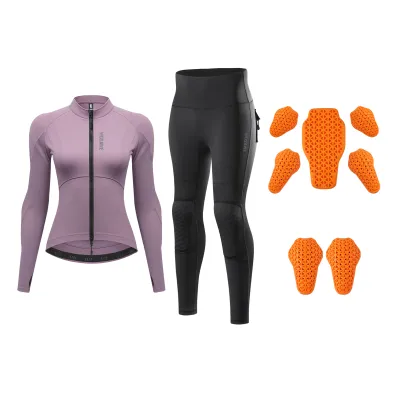
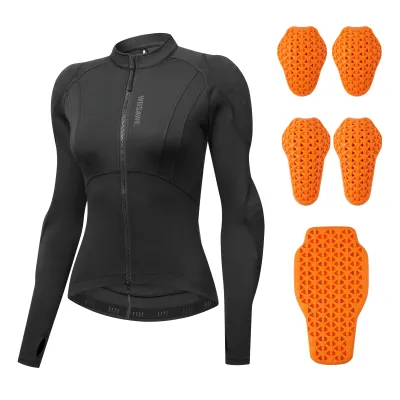
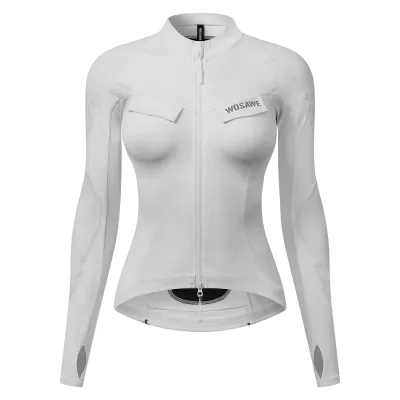
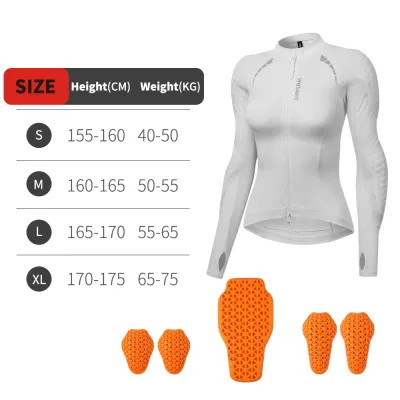
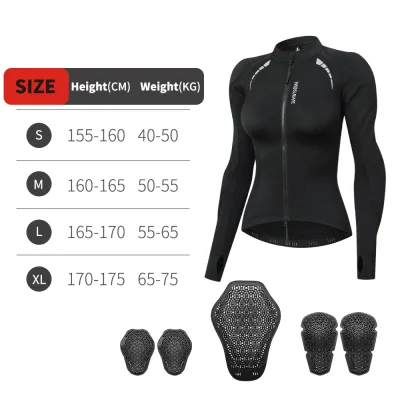
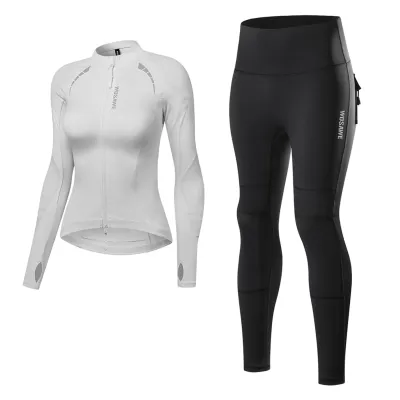
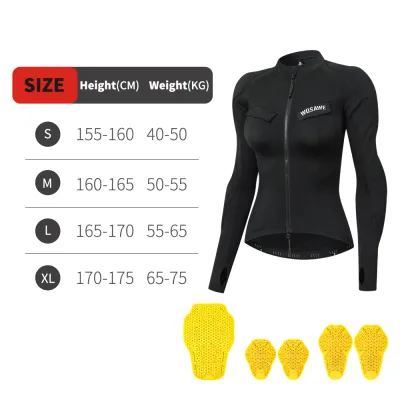
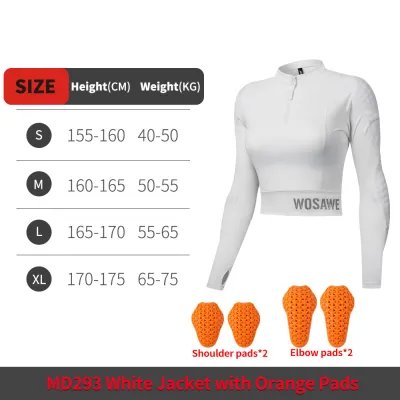
Prices are valid at publication and may change. Please refer to the product page for the latest price.
Your primary riding environment should dictate where your jacket falls on the ventilation-to-protection spectrum. If your daily route consists of stop-and-go city traffic, maximizing airflow through extensive mesh panels is crucial to prevent overheating. If you frequently travel at sustained highway speeds on the expressway, you should prioritize a higher density of abrasion-resistant textiles or perforated leather, as the higher speeds naturally force more air through smaller vents while requiring superior slide protection.
Key Design Features for Maximum Airflow in Humid Conditions
When shopping for a summer-friendly jacket, you must look closely at the materials and construction techniques used to facilitate cooling. Not all ventilated jackets perform equally in high humidity, and understanding the structural differences will help you make an informed purchase.
Material Construction Full mesh panels, perforated textiles, and perforated leather are the three primary options for hot-weather riding. Full mesh jackets offer the highest level of airflow, as the open-weave fabric allows wind to pass directly through to your body. However, you must inspect the density and backing of these mesh panels. High-quality mesh should feel stiff and substantial, typically constructed from high-denier polyester (such as 600D) to ensure it does not melt or tear instantly upon contact with asphalt. Perforated textiles and leather offer a middle ground, using small, punched holes to allow air passage while maintaining the structural integrity of a solid fabric or hide.
Ventilation Zoning A well-designed jacket does not just let air in; it guides it across your body and exhausts it efficiently. Look for a jacket with strategic intake vents located on the chest and the front of the arms, paired with large exhaust vents on the upper back and rear waist. This configuration creates a continuous airflow path, pulling cool air in and drawing hot, humid air away from your skin. Without functional exhaust vents, air becomes trapped inside the jacket, ballooning the fabric and neutralizing the cooling effect.
Lining Systems The inner lining of your jacket plays a critical role in moisture management. Opt for moisture-wicking, breathable mesh linings that prevent the jacket from sticking to your skin when you sweat. Additionally, many tropical-rated jackets include a removable windproof or water-resistant liner. In the Philippines, where a sudden afternoon monsoon rainstorm can drop temperatures rapidly, having a packable inner liner allows you to quickly adapt to changing weather conditions without carrying a separate bulky raincoat.
Collar and Cuff Design Heat often accumulates around the neck and wrists, leading to localized discomfort. Look for jackets featuring collars lined with soft, moisture-absorbing materials like microfiber or neoprene, which prevent chafing against sweaty skin. Adjustable cuffs with Velcro or snap closures allow you to open the wrists to scoop air up your sleeves on hot days, or seal them tight when the weather turns wet or cool.
Verifying Safety Standards and Abrasion Resistance
It is a common misconception that a highly ventilated jacket cannot offer robust crash protection. By knowing how to read safety labels and inspect structural checkpoints, you can verify that a lightweight mesh jacket is fully capable of protecting you in an accident.

Garment Certification Before examining any other feature, locate the CE (Conformité Européenne) safety label inside the jacket. Under the current European standard EN 17092, motorcycle garments are classified based on their protective capabilities. Class AAA offers the highest level of protection but is often too heavy and hot for tropical climates. Class AA represents a balanced standard, providing excellent abrasion resistance and impact protection suitable for highway riding. Class A jackets are lighter and highly breathable, making them the ideal choice for urban commutes and lower-speed city riding in hot weather. Avoid any jacket that lacks an official EN 17092 rating, as its protective claims are unverified.
Armor Specifications Impact protection relies on internal armor inserts at the joints and spine. Ensure the jacket includes armor certified to the EN 1621-1 standard for shoulders and elbows, and EN 1621-2 for the back. Armor is divided into Level 1 and Level 2. Level 1 armor is thinner, lighter, and highly flexible, often featuring perforated designs that maximize airflow, making it highly comfortable for hot-weather riding. Level 2 armor absorbs significantly more impact energy but is thicker, heavier, and tends to block more air. For high-speed highway travel, upgrading to Level 2 armor is highly recommended, whereas Level 1 is generally sufficient for city speeds.
Abrasion-Resistant Reinforcements In a slide, the shoulders, elbows, and lower back are the most vulnerable areas. Even on a full mesh jacket, these specific zones must be reinforced with solid, heavy-duty fabrics. Inspect the product specifications for high-density materials like Cordura or double-layered polyester weaves. Do not rely on generic terms like “nylon” or brand names alone; check the manufacturer’s stated denier count on the product tag to confirm that the high-impact zones feature at least 500D or 600D fabric density.
Armor Pocket Security The best armor is useless if it shifts away from your joints during a crash. When trying on a jacket, physically check the internal armor pockets. They should be securely stitched to the outer shell and feature strong Velcro closures to keep the pads firmly in place. Lighter, highly flexible summer jackets are more prone to fabric twisting, making secure armor pockets a critical safety checkpoint.
Selecting a Motorcycle Riding Jacket for Women: Fit, Adjustability, and Tailoring
Achieving the correct fit is not just a matter of aesthetics; it directly influences both the efficiency of the ventilation system and the effectiveness of the safety features. A poorly fitting jacket can compromise your safety in a slide and make your ride highly uncomfortable.
The Fit-Airflow Connection A motorcycle jacket must fit snugly against your body without restricting your movement. If the jacket is too loose, the fabric will flap violently at highway speeds, which disrupts the intended airflow path and causes rapid rider fatigue. More importantly, excess slack allows the internal armor to shift out of position during a fall, leaving your elbows and shoulders completely unprotected when they hit the ground.
Women-Specific Patterning Standard unisex or men’s jackets rarely fit the female anatomy correctly, often resulting in excess fabric around the chest and waist or restricted movement across the shoulders. A dedicated motorcycle riding jacket for women is patterned specifically for female proportions, featuring contoured waistlines, bust darts, and shorter torso lengths. These design elements ensure the jacket sits comfortably on your hips and does not ride up when you are in a seated riding position, preventing your lower back from being exposed to the road or the sun.
Adjustability Features Because body shapes vary widely, high-quality jackets include multiple adjustment points. Look for adjustable Velcro straps or snap buttons at the waist, biceps, and forearms. These adjusters allow you to customize the fit of the jacket, ensuring the sleeves remain snug against your arms to keep the elbow armor perfectly aligned. They also let you loosen or tighten the jacket depending on whether you are wearing a thin moisture-wicking base layer or a thicker thermal liner.
Pre-Curved Sleeves When you sit on a motorcycle, your arms are naturally extended forward to reach the handlebars. Jackets designed with pre-curved sleeves mimic this natural riding posture. This prevents the fabric from bunching up at the inner elbows, reducing chafing and fatigue during long rides in hot, humid weather.
Maintenance and Care for Gear in High-Humidity Environments
The tropical climate of the Philippines, with its intense heat, high humidity, and frequent rain, can quickly take a toll on your riding gear. Regular maintenance is essential to preserve the fabric’s breathability, structural integrity, and overall hygiene.
Routine Cleaning Over time, sweat, body oils, sunscreen, and road grime accumulate on your jacket, clogging the pores of the mesh panels and reducing their ability to let air pass through. Always check the manufacturer’s care label and the specific jacket’s care instructions before washing or applying any cleaning agents. If the instructions conflict or are missing, stop and consult the manufacturer or a professional gear specialist. Generally, you should remove all armor inserts and hand-wash the jacket using a mild, non-biological liquid detergent that is authorized for technical fabrics. Avoid fabric softeners and bleach, as these chemical agents can break down synthetic fibers and strip away water-resistant coatings.
Drying Protocols Proper drying is critical to prevent the growth of mold, mildew, and unpleasant odors, which thrive in humid environments. After washing or riding through a sudden downpour, hang the jacket on a heavy-duty hanger in a well-ventilated, shaded indoor or outdoor area. Never expose the jacket to direct, intense tropical sunlight for extended periods, as UV rays can degrade synthetic fibers and weaken the seams. Additionally, keep the jacket away from high-heat tumble dryers or heaters, which can melt internal adhesives, warp plastic components, and permanently damage the protective armor.
Periodic Inspection Make it a habit to inspect your jacket every few weeks. Check the stitching along high-stress seams, test the operation of all zippers, and inspect the hook-and-loop fasteners for wear. Remove the armor inserts and inspect them for any signs of cracking, hardening, or permanent deformation. If the armor has degraded or the seams have begun to unravel, the jacket’s safety performance is compromised, and it should be repaired by a professional or replaced.
Frequently Asked Questions (FAQ)
Is a full mesh jacket safe enough for highway riding in the Philippines?
Yes, provided it meets the correct safety standards. The safety of a mesh jacket depends on its CE EN 17092 certification class and the presence of high-density abrasion-resistant panels in critical slide zones, rather than just the presence of mesh. For highway riding on expressways like NLEX or SLEX, look for a jacket with a Class AA rating, which features reinforced shoulders and elbows with high-denier fabrics (such as 600D or higher) to withstand high-speed slides. Always check the manufacturer’s specified speed and use-case ratings on the product label before hitting the highway.
Should I remove the armor for short city commutes in extreme heat?
You should never remove the impact armor from your jacket, even for short commutes in extreme heat. A significant portion of motorcycle accidents occur at low speeds in urban areas, where impact with asphalt, curbs, or other vehicles can still cause severe joint fractures and spinal injuries. If the heat is unbearable, instead of removing the armor, look for jackets equipped with highly ventilated, CE-certified Level 1 armor inserts. These modern inserts feature open, geometric structures that allow air to flow directly through the protector, offering a reliable balance of impact absorption and cooling comfort.
Community discussion
Share your experience or ask a question. Comments are reviewed before publication.