
Quick Answer: Balancing Airflow and Impact Resistance
Riding in tropical climates like the Philippines presents a unique challenge: staying cool while remaining fully protected on the road. The core solution lies in finding a balance between high-airflow mesh panels and robust, abrasion-resistant textile or leather reinforcements in critical impact zones.
To achieve this balance, look for a jacket that features high-density mesh across the chest, underarms, and back to facilitate continuous airflow. At the same time, ensure that high-impact areas—specifically the shoulders, elbows, and back—are constructed from heavy-duty textile (such as 600D polyester or nylon) and equipped with certified armor.
For daily commuting in dense traffic, a hybrid textile-mesh jacket is generally more practical than a full-leather racing suit. It offers the necessary ventilation to prevent heat exhaustion while maintaining reliable impact and slide protection during urban or highway speeds.
Products mentioned in this guide
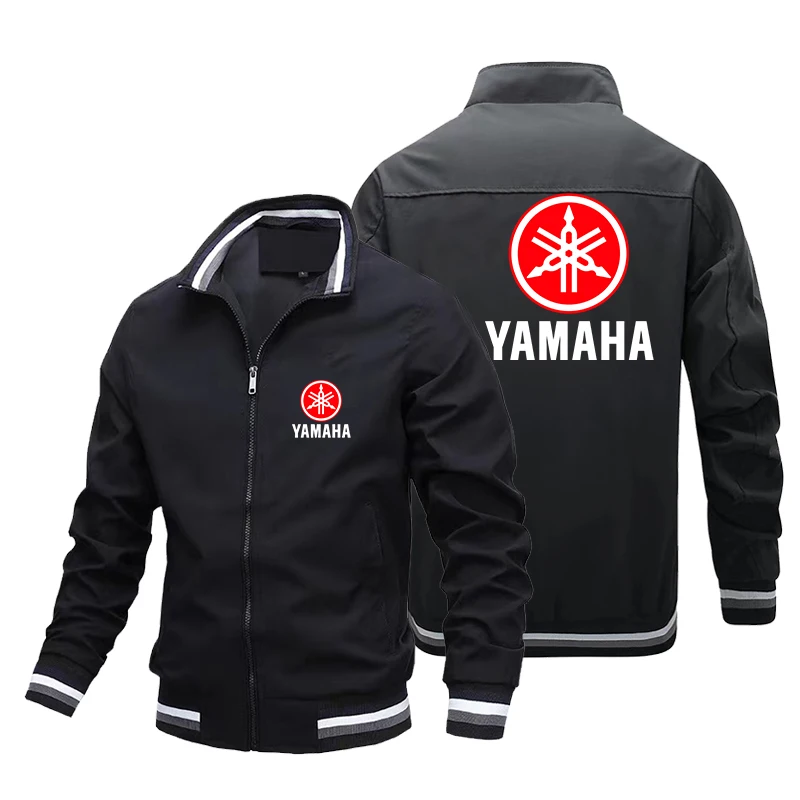
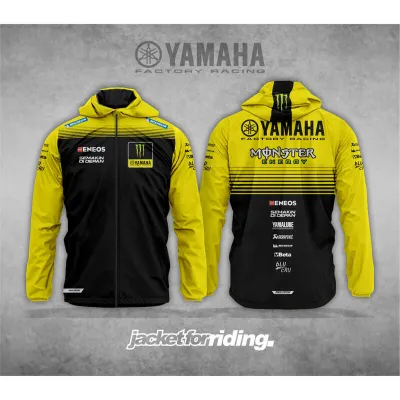
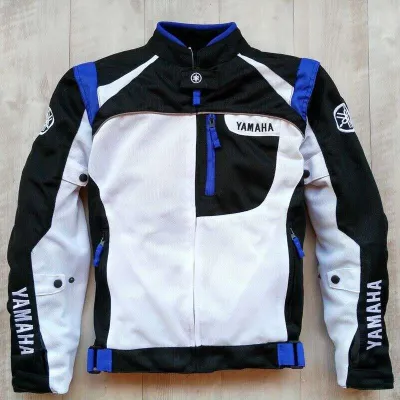
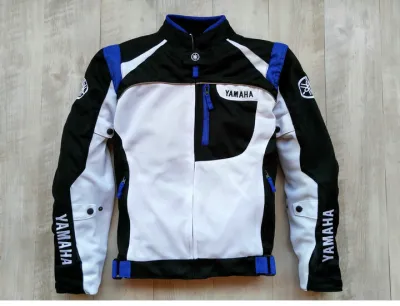
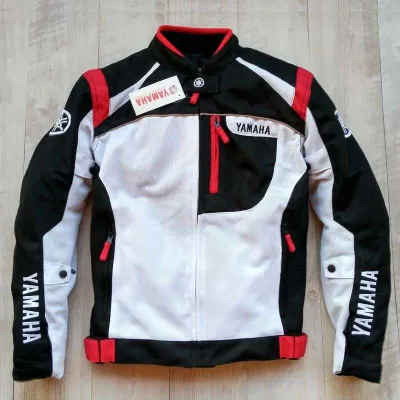
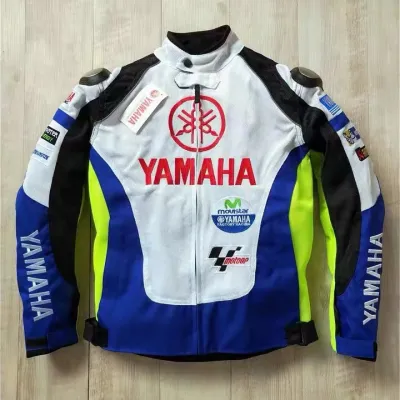
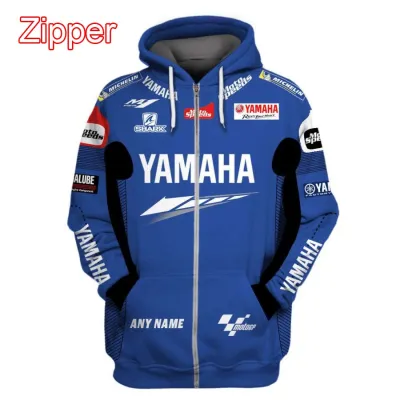
Prices are valid at publication and may change. Please refer to the product page for the latest price.
Evaluating Ventilation Features for Humid Conditions
When riding through humid coastal roads or sitting in congested city traffic, passive ventilation is your primary defense against heat exhaustion. Before purchasing a riding jacket, closely inspect the physical construction of its ventilation pathways rather than relying solely on product descriptions.

Distinguish between functional intake vents and purely decorative perforations. True intake vents are typically positioned on the chest, shoulders, or upper arms, allowing oncoming air to enter the jacket. Exhaust vents must be located on the upper or lower back to allow trapped body heat and humidity to escape, creating a continuous cooling draft.
Examine the placement and surface area of the mesh panels. High-sweat zones, such as the chest, underarms, and central back, should feature wide, open-weave mesh fabric. Press your hand against the mesh from the inside to check how easily air can pass through the weave.
Many riding jackets come equipped with removable inner liners, which are often marketed as waterproof or thermal barriers. In a tropical climate, these solid liners can completely block airflow and trap sweat, turning a breathable jacket into a sauna. Verify how easily these liners can be zipped out and stored, and ensure the jacket remains comfortable and secure when the liner is removed.
Look for adjustable ventilation options, such as zippered vents on the sleeves or torso. These allow you to fine-tune the airflow depending on the time of day, helping you stay comfortable during cool early morning rides as well as scorching midday commutes.
Checking Protective Elements and Armor Standards
While ventilation keeps you comfortable, the primary purpose of any motorcycle jacket is protection during an impact or slide. Balancing these two needs requires a systematic inspection of the built-in armor and the outer shell’s structural integrity.
Begin by locating the physical CE (Conformité Européenne) certification labels sewn into or printed on the armor inserts. These inserts are typically found in dedicated pockets at the shoulders and elbows. Verify whether the armor is rated as CE Level 1 or CE Level 2, with Level 2 offering higher impact absorption.
Check the back protector compartment. Many lightweight summer jackets only include a thin foam pad in the back pocket, which provides minimal impact protection. Ensure the jacket’s pocket is compatible with standard CE-rated back protectors so you can upgrade the insert immediately if necessary.
Assess the abrasion resistance of the outer shell, particularly in critical slide zones like the outer shoulders and elbows. Even if the chest and back are made of breathable mesh, these high-risk areas must be constructed from heavy-duty, tightly woven fabrics like Cordura or high-denier polyester to prevent the jacket from tearing open upon contact with asphalt.
Ensure that the internal armor pockets are secure and adjustable. During a fall, loose armor can easily shift away from your joints, leaving you unprotected. Try the jacket on and move your arms dynamically; the elbow and shoulder protectors should remain firmly centered over your joints without sliding out of place.
Material and Construction Checks for Tropical Durability
The combination of intense tropical heat, high humidity, and sudden downpours can rapidly degrade low-quality riding gear. Selecting a jacket built with durable materials and robust construction techniques ensures your investment lasts through multiple riding seasons.
Always review the manufacturer’s care labels before purchasing to understand the washing requirements. Sweat contains salts and acids that can break down synthetic fibers and cause unpleasant odors over time. A jacket that allows for straightforward hand-washing or gentle machine-washing is essential for maintaining hygiene in a hot climate.
Inspect the quality of the seams and stitching throughout the garment. High-stress areas, such as the shoulders, sides, and sleeve attachments, should feature double or triple stitching with heavy-duty nylon thread. Loose threads, uneven stitches, or single-stitched seams in critical areas are warning signs of poor construction that may fail under tension.
Pay close attention to the hardware, particularly the zippers and fasteners. Look for robust, rust-resistant zippers that slide smoothly without catching on the surrounding fabric. Metal snaps and hook-and-loop fasteners should be securely stitched to the main body of the jacket to prevent tearing during daily use.
Identify potential design flaws that could trap moisture. Jackets with poorly placed solid fabric panels or non-breathable pockets can create localized hot spots where sweat accumulates. This trapped moisture not only causes discomfort but can also lead to mold growth and material degradation if the jacket is not dried properly after a ride.
Fit and Comfort Verification for Daily Riding
A riding jacket can only protect you if it fits correctly. A jacket that is too loose will allow the protective armor to shift during a crash, while a jacket that is too tight will restrict your movement and block the internal airflow necessary for cooling.
When trying on a jacket, do not simply stand in front of a mirror. Assume your typical riding posture, whether that is a forward-leaning sportbike stance or a more upright standard position. Check if the sleeves ride up too far, exposing your wrists, or if the back of the jacket lifts up, leaving your lower spine unprotected.
Verify that the jacket fits snugly against your body without compressing your chest or shoulders. There should be just enough space inside the jacket to allow air to circulate around your torso. If the fabric presses tightly against your skin, it will block the mesh vents and prevent sweat from evaporating.
Check the adjustability of the collar, cuffs, and waist. Look for adjustable straps, snaps, or hook-and-loop tabs that allow you to customize the fit. Being able to tighten the cuffs prevents wind from ballooning the sleeves at high speeds, while an adjustable collar helps prevent chafing around your neck during long rides.
Ensure that the collar lining is made of a soft, moisture-wicking material. A rough or non-breathable collar can cause severe skin irritation when combined with sweat and constant neck movement while checking blind spots in traffic.
Frequently Asked Questions (FAQ)
Can I wear a full-leather Yamaha racing jacket in the Philippines?
While a full-leather racing jacket offers excellent abrasion resistance, wearing solid leather on daily tropical commutes is generally impractical and potentially hazardous. Solid leather does not allow sufficient airflow, which can quickly lead to heat exhaustion, dehydration, and reduced concentration during slow-moving traffic or stationary stops. Full-leather gear is best reserved for closed-circuit track days or high-speed highway riding during cooler times of the day. For daily street riding, a hybrid textile-mesh jacket provides a much safer balance of ventilation and protection.
How do I clean a mesh racing jacket after heavy sweating?
To clean a sweat-soaked mesh jacket safely, always begin by removing all built-in CE armor inserts and any detachable inner liners. Refer to the manufacturer’s care label for specific water temperature and detergent instructions, generally opting for a mild liquid soap and hand-washing in cool water. Avoid using bleach, fabric softeners, or harsh chemical cleaners, as these can degrade the synthetic fibers and reflective elements. After washing, hang the jacket to air-dry in a well-ventilated, shaded area away from direct sunlight and high-heat sources, ensuring it is completely dry before reinserting the armor to prevent mold growth.
Community discussion
Share your experience or ask a question. Comments are reviewed before publication.