
Choosing the ideal adventure jacket for motorcycle riding in tropical conditions requires selecting a hybrid design that strategically positions high-tenacity, abrasion-resistant textiles on critical impact zones while utilizing high-airflow mesh panels across the core torso and inner arms. This specific configuration prevents heat-related fatigue—a major safety hazard in humid environments—without compromising physical protection during a slide or fall.
By understanding how ventilation mechanisms, armor certifications, and material layouts interact, you can make an informed decision that keeps you comfortable on long, hot tours while ensuring you remain fully protected on both paved highways and rugged off-road trails.
Why Tropical Riding Demands a Specific Jacket Design
Riding a motorcycle in a tropical climate presents a unique set of physiological challenges that temperate-climate gear simply cannot handle. In regions characterized by intense solar radiation, high ambient temperatures, and relative humidity levels that frequently exceed 80%, wearing a traditional, heavy textile adventure jacket can quickly become dangerous. Under these conditions, your body struggles to cool itself because sweat cannot evaporate efficiently into the moisture-laden air.
Products mentioned in this guide
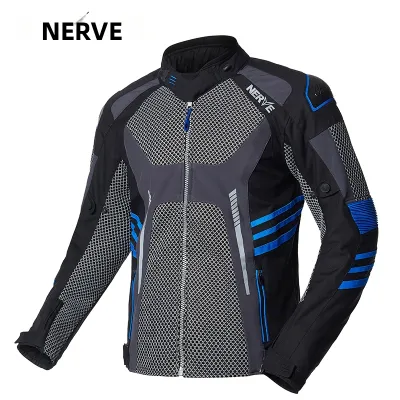
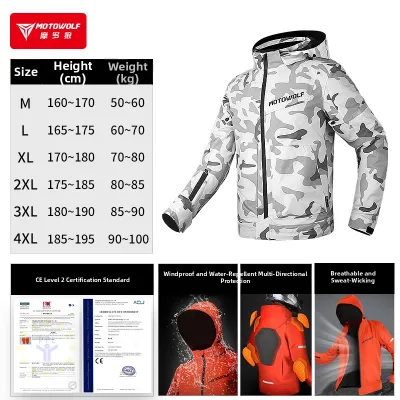
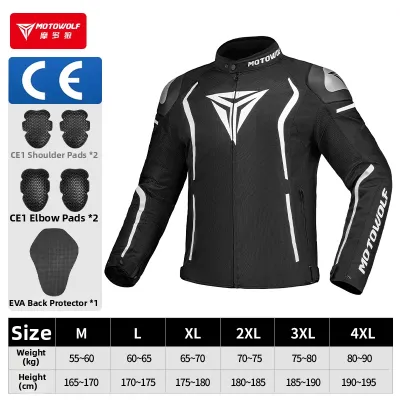
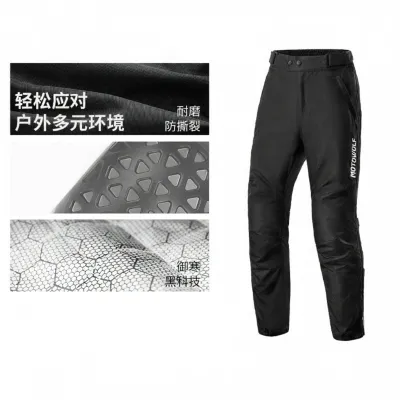
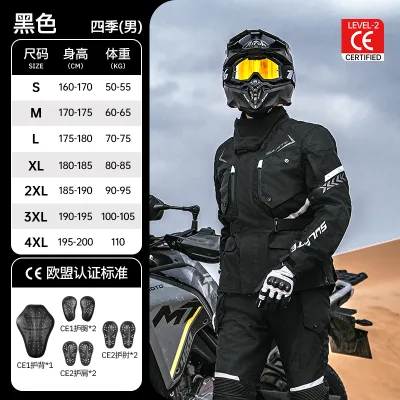
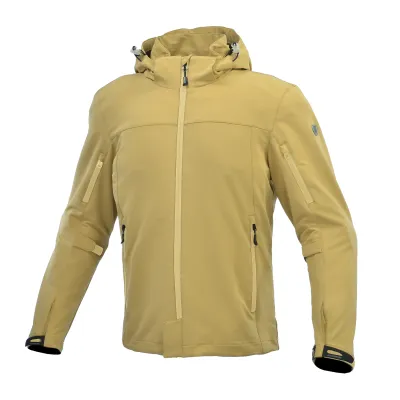
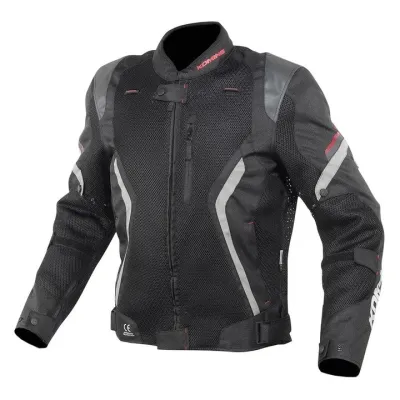
Prices are valid at publication and may change. Please refer to the product page for the latest price.
When heat and humidity trap thermal energy inside your riding gear, your core body temperature rises. This leads to rapid dehydration, physical exhaustion, and cognitive decline. On a motorcycle, even a minor delay in reaction time due to heat fatigue can have severe consequences. Consequently, passive safety—the ability of your gear to keep you alert, focused, and physically comfortable—is just as critical as active impact protection.
This reality forces a crucial design trade-off. To ride safely in the tropics, you must maximize continuous airflow across your skin to facilitate evaporative cooling. However, you cannot simply wear lightweight, non-motorcycle clothing, as it offers zero protection against impact and road abrasion. The challenge lies in finding an adventure jacket for motorcycle use that balances these competing demands, ensuring that cooling features do not compromise structural safety.
Evaluating Ventilation Features for Hot and Humid Conditions
To ensure a jacket can handle tropical heat, you must look past generic marketing terms like “maximum breathability” and evaluate the physical construction of its ventilation systems. Effective cooling relies on moving air directly across your body to carry away heat and moisture.

Direct Airflow Mechanisms
For a jacket to ventilate efficiently, it must feature a combination of intake and exhaust vents. Intake vents, typically located on the chest, forearms, and bicep areas, capture oncoming air as you ride. However, air cannot enter the jacket unless there is a path for it to escape. Exhaust vents, positioned on the upper and lower back, allow the high-pressure air entering the front to flow through the garment and exit. This continuous movement utilizes the low-pressure zone behind your torso, creating a chimney effect that draws hot air away from your skin.
Mesh Panels
In extremely humid conditions where zippered vents do not provide enough surface area, mesh panels are highly effective. These panels are constructed from open-weave, high-tenacity polyester or polyamide threads that allow air to pass through unimpeded. Look for jackets that position mesh across the entire chest, underarms, and back. When evaluating these panels, inspect the structural integrity of the surrounding seams. The mesh must be securely integrated into the jacket’s chassis with double- or triple-stitching to ensure the seams do not burst under tension during an accident.
Liner Systems
Many adventure jackets feature multi-layer designs with removable waterproof and thermal liners. In tropical climates, thermal liners are rarely necessary unless you are ascending to high-altitude mountain passes in the early morning. Removable waterproof liners offer versatility, but they must be completely detached during hot, dry weather. If left inside the jacket, even highly breathable waterproof membranes will restrict airflow and trap body heat, turning your gear into a humid greenhouse. Ensure that all internal liners can be zipped out quickly and packed away.
Verification
Before purchasing, verify the ventilation features by checking the physical garment tags, product labels, and manufacturer specifications. Look for detailed descriptions of the vent layouts, the specific surface area of the mesh zones, and the attachment mechanisms of the inner liners. Do not rely on visual styling alone; confirm that the vents lead directly to the inner mesh liner rather than being blocked by solid fabric backings.
Assessing Armor and Abrasion Protection Without Overheating
While ventilation keeps you comfortable, the primary job of a motorcycle jacket is to protect you during an impact or slide. Achieving this protection in a highly ventilated jacket requires advanced materials and certified armor designs.
Impact Protection
Your jacket must include dedicated armor inserts at the shoulders, elbows, and back. Always verify that these inserts carry official CE (Conformité Européenne) certification labels. Under European safety standards, armor is classified as either CE Level 1 or CE Level 2. Level 2 armor absorbs more impact energy and transmits less force to your body, making it the safer choice for high-speed adventure riding. To confirm these ratings, open the internal armor pockets of the jacket and inspect the molded stamps on the pads, which must display the CE motorcycle icon and the corresponding standard number (EN 1621-1 for joints, EN 1621-2 for back protectors).
Abrasion Resistance
In a slide, specific areas of your body are highly vulnerable to friction and road rash. These high-wear zones include the shoulders, outer elbows, and forearms. Even on a highly ventilated mesh jacket, these specific areas must be constructed from solid, high-denier textiles. Look for materials like 500D or 1000D Cordura, or specialized polyamide reinforcements. Check the manufacturer’s technical specifications to ensure that these protective overlays are stitched over the impact points, providing a robust barrier against asphalt or gravel while the lighter mesh fabric is relegated to low-impact zones.
Armor Ventilation
Traditional solid foam or rubber armor pads can act as thermal blocks, trapping sweat and heat directly against your joints. To mitigate this, many modern gear manufacturers utilize perforated or open-grid armor designs, such as D3O LP1 or LP2 protectors. These components feature molded geometric channels that allow air to flow directly through the armor to your skin without reducing impact absorption. Verify whether the jacket comes equipped with these ventilated protectors or if the armor pockets are compatible with aftermarket upgraded ventilated pads.
Safety Boundary
No matter how high the safety rating of the armor is, it cannot protect you if it shifts away from your joints during a fall. Always verify that the jacket’s internal armor pockets hold the pads securely in place. The jacket should feature external adjustment straps on the forearms and biceps to cinch the fabric down, keeping the elbow and shoulder pads locked in their correct positions during sudden movement.
Design Compromises: Finding the Right Balance
Because no single material can be perfectly breathable and completely indestructible, choosing an adventure jacket for motorcycle riding in the tropics requires evaluating hybrid designs that balance these properties.
Hybrid Material Layouts
The most successful tropical adventure jackets utilize a zoned construction model. This layout places heavy-duty, abrasion-resistant solid textiles on the outer sleeves, shoulders, and upper back to handle slide friction. Meanwhile, the chest, inner arms, and lower back feature high-airflow mesh panels to maximize cooling. This hybrid approach ensures that your core remains ventilated while your critical joint areas are wrapped in highly durable materials.
Adjustability
Weather conditions in tropical environments can change within minutes. A jacket with high adjustability allows you to adapt to these shifts on the fly. Look for adjustable collars that can be snapped open to guide air down your chest, adjustable cuffs that can be widened to let breeze travel up your sleeves, and waist adjusters that prevent the jacket from billowing at highway speeds while maintaining a comfortable fit.
Weather Adaptability
Managing sudden tropical downpours is a major consideration for adventure riders. While jackets with integrated waterproof membranes keep rain out, they are often too hot for humid, dry spells. A highly effective strategy is to use a fully ventilated mesh jacket as your primary layer and carry a separate, lightweight, packable rain jacket. When a storm hits, you can quickly pull the rain shell over your ventilated jacket. This keeps the primary jacket dry, prevents wind chill, and allows you to easily remove the outer shell and regain full ventilation once the sun returns.
Decision Framework
To choose the right balance for your riding style, use a simple decision framework based on your typical routes:
- High-Speed Touring: If your rides consist primarily of high-speed highway cruising, prioritize solid textile jackets with large zippered intake and exhaust vents. The high speed provides enough air pressure to force ventilation through zippered openings, while the solid textile offers superior high-speed slide protection.
- Low-Speed Off-Road and Urban Riding: If you frequently ride on technical dirt trails, slow-moving gravel roads, or through congested city traffic, prioritize a hybrid jacket with extensive mesh panels. Low speeds do not generate enough air pressure for zippered vents to work effectively, making open-mesh construction essential to prevent heat stroke.
In terms of budget, entry-level adventure jackets in the local market typically range from ‑8,000 to ‑15,000, while premium, highly technical gear featuring advanced ventilated armor and specialized high-tenacity fabrics can exceed ‑30,000.
Fit, Comfort, and Tropical Maintenance
Once you have identified the right balance of ventilation and protection, ensuring the correct fit and performing regular maintenance will prolong the lifespan of your gear and keep you comfortable on the road.
Fit for Heat
A proper motorcycle jacket must fit snugly enough to keep the armor inserts aligned with your joints during an impact, but it must not be so tight that it restricts blood circulation or airflow. When trying on a jacket, ensure there is enough room to wear a lightweight, synthetic, moisture-wicking base layer underneath. Avoid wearing cotton shirts, as cotton absorbs sweat and holds moisture against your skin, blocking the cooling effects of the jacket’s ventilation. Ensure you can move your arms freely without the collar digging into your neck or the cuffs binding your wrists.
Humidity Maintenance
Tropical humidity, combined with sweat and rainwater, creates an ideal environment for mold, mildew, and bacteria to grow. This can degrade the synthetic fibers of your jacket and cause persistent, unpleasant odors. After every ride, hang your jacket in a well-ventilated, shaded indoor area to dry completely. Never leave a damp jacket zipped up inside a gear bag, top box, or closed closet.
Cleaning
To maintain the performance of the technical fabrics, clean your jacket regularly according to the manufacturer’s care label. Before washing, always remove all armor inserts and detach any internal liners. Hand wash the outer shell or use a front-loading washing machine on a gentle cycle with a mild, technical liquid detergent designed for synthetic outdoor apparel. Do not use standard household detergents, fabric softeners, or bleach, as these chemical agents can break down the fibers, clog the breathable mesh pores, and strip away any durable water-repellent (DWR) coatings applied to the textile panels.
Frequently Asked Questions (FAQ)
Is a mesh jacket safe enough for adventure riding?
Yes, provided you choose a high-quality hybrid design rather than a basic city mesh jacket. A jacket made entirely of lightweight, single-layer mesh may tear quickly during a high-speed slide on asphalt or rough gravel. For adventure riding, look for jackets that feature heavy-duty, abrasion-resistant textiles (such as 500D nylon or polyester) on the shoulders, elbows, and back, using mesh primarily on the chest and inner arms to keep you cool.
How do I handle sudden tropical rain with a ventilated jacket?
The most practical approach in tropical climates is to carry a separate, packable waterproof rain jacket and pants to wear over your ventilated motorcycle gear. Internal waterproof liners can make the jacket feel incredibly hot and humid once the rain stops. An external rain shell keeps your primary jacket dry, is easy to remove when the sun returns, and prevents wind chill at higher elevations.
Community discussion
Share your experience or ask a question. Comments are reviewed before publication.