
Upgrading the braking system of a Honda Click 125i is a common modification for riders seeking more consistent lever feel and reliable stopping power, especially when navigating congested urban streets or handling steep descents in tropical climates. While Racing Boy (RCB) is a highly visible brand in the Southeast Asian aftermarket scene, choosing the right caliper involves more than selecting a popular name or an appealing anodized color. A successful upgrade requires a precise understanding of hydraulic ratios, mounting dimensions, and material specifications to ensure the new component actually improves safety rather than compromising it.
To make an informed decision, you must compare RCB against other aftermarket alternatives by analyzing physical compatibility, manufacturing quality, and long-term serviceability. The ideal caliper for your Honda Click 125i is one that matches your existing master cylinder’s fluid displacement, fits securely without unsafe modifications, and remains reliable under heavy daily use. This guide breaks down the critical technical factors, safety boundaries, and brand evaluation steps to help you select the safest and most effective braking setup for your scooter.
Key Specifications to Verify Before Choosing a Caliper
Before committing to any aftermarket caliper brand, you must verify that the component is physically and hydraulically compatible with your specific Honda Click 125i. The front fork assembly and wheel hub dimensions dictate what can be safely mounted. Never assume a caliper will fit simply because it is marketed for a 125cc scooter; always cross-reference the manufacturer’s technical drawings with your vehicle’s physical measurements.
Products mentioned in this guide
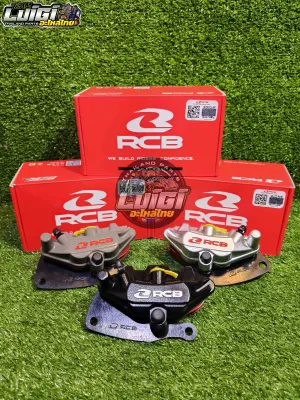
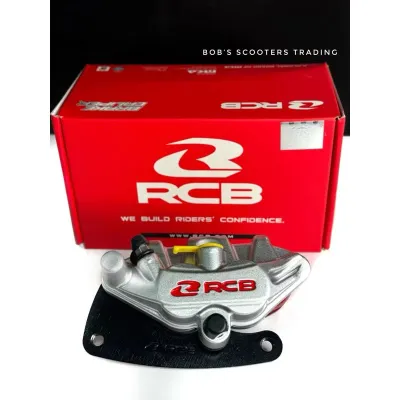
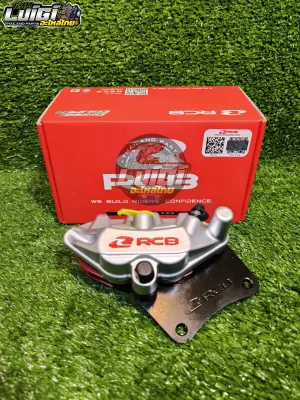
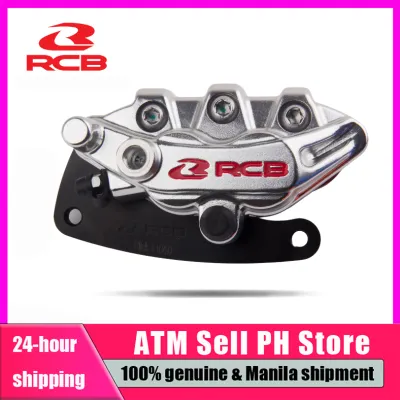
Prices are valid at publication and may change. Please refer to the product page for the latest price.
The first physical dimension to check is the mounting bracket hole spacing. The Honda Click 125i typically utilizes an axial-mount caliper, and any aftermarket upgrade will require a bracket that aligns perfectly with the fork’s mounting bosses. The bracket must position the caliper so that the brake pads make full, even contact with the rotor without rubbing against the inner wheel rim or the spokes.
Next, consider the brake disc diameter and thickness. If you are retaining the stock 190mm fixed rotor, the caliper bracket must be designed specifically for that diameter. Upgrading to a larger 220mm or 260mm rotor—whether fixed or floating—requires a corresponding bracket offset to prevent the caliper from binding or failing to clamp the outer edge of the disc. The thickness of the rotor must also fall within the caliper’s specified operating range to prevent the pistons from overextending as the pads wear down.
Hydraulic matching is the most critical, yet frequently overlooked, aspect of a brake upgrade. The master cylinder piston diameter must match the total piston area of the new caliper. The stock Honda Click 125i master cylinder is hydraulically optimized for a single-piston or small dual-piston sliding caliper. If you install a multi-piston caliper with a significantly larger total piston surface area, the master cylinder will not displace enough fluid per stroke, resulting in a spongy lever, excessive lever travel, or a complete lack of immediate braking response.
Finally, verify the banjo bolt size and brake line thread pitch. Most Japanese and regional scooters use an M10 banjo bolt with a 1.25mm thread pitch, but some European-style aftermarket calipers utilize a 1.0mm pitch. Using the wrong bolt or forcing a thread match will strip the caliper housing, leading to catastrophic brake fluid leaks under pressure.
Evaluating RCB Calipers for the Click 125i
RCB has established a strong presence in the regional aftermarket, making it a highly accessible option for Honda Click 125i owners. When evaluating RCB calipers, such as the popular S-series or S3 dual-piston models, you must focus on verifiable product specifications rather than general brand reputation. Start by checking the manufacturer’s official documentation to confirm the piston diameter and the intended application of the specific model you are considering.

Because of the brand’s popularity, counterfeit products are a significant risk in the online marketplace and physical retail shops. When purchasing an RCB caliper, inspect the packaging for official security holograms, unique QR codes for authenticity verification, and high-quality printing. Purchasing directly from authorized distributors or official brand stores is the most reliable way to ensure you are receiving a genuine product made from certified materials.
Review the manufacturer’s stated material and finish specifications to assess how the caliper will perform in daily riding conditions. Genuine RCB calipers are typically constructed from forged or high-grade cast aluminum alloys, which offer a balance of heat dissipation and structural rigidity. The anodized finish is not merely cosmetic; it serves as a protective barrier against the high humidity, heavy rains, and road salt common in tropical environments. Inspect the finish for uniform coverage and check that the bleeder valve and banjo bolt threads are clean and precisely cut.
Additionally, evaluate the warranty terms and the availability of local distributor support. A reputable brand should offer a clear warranty policy against manufacturing defects. Confirm whether local shops stock genuine RCB rebuild kits, including replacement piston seals and dust boots, as these components will eventually wear out and require replacement to prevent fluid leaks and piston binding.
Assessing Alternative Aftermarket Caliper Brands
When looking beyond RCB, you will encounter a wide spectrum of aftermarket caliper brands, ranging from premium global manufacturers to unbranded, generic replicas. To evaluate these alternatives safely, you must establish a strict framework that prioritizes traceable manufacturing standards over low prices or aggressive marketing claims.
Distinguish clearly between established braking specialists and generic, unbranded components. Brands with a history of manufacturing OEM braking systems or certified racing components adhere to strict quality control protocols. In contrast, cheap, unbranded replicas often use inferior cast alloys that can crack under extreme thermal stress or hydraulic pressure, posing a severe safety hazard. Avoid any product that does not clearly state its manufacturer, country of origin, and material certifications.
Analyze the manufacturer’s spec sheets for engineering data rather than relying on vague performance promises. Look for specific details regarding clamping force, fluid displacement requirements, and the type of brake pad compound supplied with the caliper. A high-quality alternative should provide clear instructions on compatible pad shapes, allowing you to source replacement pads easily from major friction material manufacturers.
Consider the long-term availability of maintenance parts. A caliper is a wear item that requires periodic servicing. Before purchasing an alternative brand, verify if you can easily source replacement seal kits, slide pins, and bleed screws. If a brand does not offer replacement seals, the caliper must be discarded once a seal fails, making it a poor long-term investment.
Calculate the total system cost before making a purchase. A seemingly affordable caliper may require an expensive custom-machined bracket, a specialized braided steel brake line, and premium brake fluid to function correctly. Compare this total cost against a complete, model-specific kit to determine the true value of the upgrade.
Safety Boundaries and Professional Installation Requirements
Modifying a motorcycle’s braking system carries inherent risks, as any failure can lead to a complete loss of control. Therefore, you must establish strict safety boundaries and adhere to professional installation standards when upgrading the caliper on your Honda Click 125i.
Before starting the installation, cross-reference the aftermarket caliper’s manual with the official Honda Click 125i service manual. You must use a calibrated torque wrench to tighten all mounting bolts to the exact specifications defined by the manufacturer. Under-tightening can cause the caliper to work loose under braking forces, while over-tightening can strip the aluminum threads on the fork leg or bracket. Additionally, ensure you use the correct brake fluid type—typically DOT 3 or DOT 4—as specified by the master cylinder reservoir cap, and never mix different fluid bases.
Professional installation and thorough system testing are non-negotiable. Once the caliper is mounted, the hydraulic system must be meticulously bled to remove all trapped air. Any residual air in the lines will compress under pressure, resulting in a spongy lever and severely reduced braking efficiency. After bleeding, perform a static pressure test by squeezing the brake lever firmly and checking all connections, banjo bolts, and bleed valves for any signs of fluid weeping.
Establish clear stopping points during the installation process. If you find that the caliper bracket does not align perfectly with the rotor, or if mounting requires you to drill, weld, or make any irreversible modifications to the front fork legs or wheel hub, stop the installation immediately. Modifying structural suspension components compromises their integrity and can lead to catastrophic failure under load.
Finally, recognize the physical limits of braking upgrades. While a multi-piston caliper can provide a firmer lever feel and better modulation, it does not automatically decrease your stopping distance. The ultimate limiting factor in emergency braking is the traction of your front tire and the ability of your front suspension to manage weight transfer. Upgrading your caliper without ensuring your tires have adequate tread and your forks are properly damped can lead to premature wheel lockup, especially on wet or dusty roads.
Decision Framework: Which Caliper Setup Fits Your Needs?
To choose the right caliper setup for your Honda Click 125i, you must evaluate your typical riding environment, maintenance habits, and budget. There is no single option that suits every rider, so your choice should be guided by practical, conditional criteria.
An RCB caliper setup is highly suitable if you use your scooter for daily commuting and want a reliable, cost-effective upgrade with excellent local support. Because RCB is widely distributed in the region, finding replacement brake pads and seal kits at local motorcycle shops is straightforward. This accessibility ensures that your scooter will not be sidelined for weeks while waiting for imported maintenance parts. The brand’s model-specific kits often include the correct bracket for the Click 125i, simplifying the installation process.
If you use your scooter for competitive track riding or high-performance applications, and you have the budget for a comprehensive system overhaul, established global brands may be more appropriate. These premium options offer highly precise machining and specialized piston coatings designed to withstand extreme thermal loads. However, you must be prepared to purchase a matching master cylinder, custom-machined brackets, and high-end braided lines, as well as perform more frequent maintenance.
You should stick to the OEM Honda caliper or halt your upgrade plans if you cannot find a caliper that matches your master cylinder’s hydraulic requirements, or if the available brackets require unsafe modifications to your front forks. The stock braking system on the Honda Click 125i is engineered to provide safe, balanced stopping power for the vehicle’s weight and speed capabilities. Maintaining the OEM system with high-quality fresh fluid and premium replacement pads is always preferable to installing an ill-fitting or mismatched aftermarket setup.
Before finalizing your purchase, perform a final physical check. Verify that the aftermarket caliper and its bracket do not interfere with the wheel speed sensor or the ABS ring if your Click 125i model is equipped with those features. Any misalignment can cause electronic system errors or physical damage to the sensors, compromising your safety on the road.
Frequently Asked Questions (FAQ)
Do I need to upgrade the master cylinder when installing an aftermarket caliper?
You do not always need to upgrade the master cylinder, but you must verify that its piston diameter is compatible with the new caliper. The stock master cylinder on the Honda Click 125i is designed to push a specific volume of brake fluid. If you install a larger caliper with significantly more piston surface area, the stock master cylinder may not displace enough fluid to push the pistons outward effectively. This mismatch results in a spongy lever that must be pulled almost to the handlebar grip before the brakes engage. If the caliper’s total piston area is substantially larger than stock, upgrading to a master cylinder with a larger bore size is necessary to maintain proper hydraulic leverage and responsive braking.
Are bigger calipers always better for braking performance on a 125cc scooter?
Bigger calipers are not inherently better for a lightweight scooter like the Honda Click 125i. While a larger caliper with more pistons can distribute clamping force more evenly across the brake pads and improve heat dissipation, it also adds unsprung weight to the front wheel assembly. This extra weight can negatively affect suspension responsiveness and steering agility. Furthermore, the maximum stopping power of any scooter is limited by the grip of the front tire. If a large caliper clamps the rotor too aggressively without offering good modulation, it can easily lock the front wheel, leading to a skid. A well-matched, smaller dual-piston caliper that offers progressive lever feel and excellent modulation is far more effective for daily riding than an oversized caliper that lacks control.
Community discussion
Share your experience or ask a question. Comments are reviewed before publication.