
Riding a motorcycle in tropical climates presents a constant battle between thermal comfort and physical safety. To stay cool while maintaining maximum protection, choosing the right airbag vest requires balancing high-airflow materials with certified impact-absorption systems. The ideal vest must allow continuous ventilation to prevent heat exhaustion while remaining fully capable of deploying within milliseconds during an emergency.
Why Tropical Climates Demand a Different Approach to Airbag Vests
Operating a motorcycle in high-temperature, high-humidity environments like the Philippines places unique physiological demands on your body. When ambient temperatures hover above 30°C and humidity exceeds 80%, sweat cannot evaporate efficiently. This thermal strain rapidly elevates your core body temperature, leading to physical and mental fatigue. On the road, heat fatigue degrades your reaction times, impairs spatial awareness, and reduces overall focus, which directly increases the risk of an accident.
The discomfort of heavy, non-breathable protective gear often leads to a dangerous compromise: gear abandonment. Many riders choose to leave their heavy protective jackets or solid textile vests at home during midday city commutes, opting instead for light t-shirts or thin windbreakers. This decision leaves them completely vulnerable to severe road rash and impact injuries. A specialized tropical airbag vest solves this dilemma by offering a high-flow ventilation pathway that encourages daily gear compliance.
Products mentioned in this guide
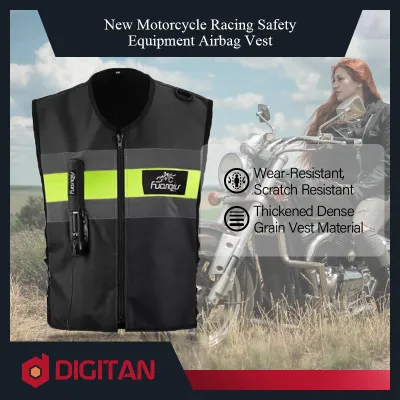
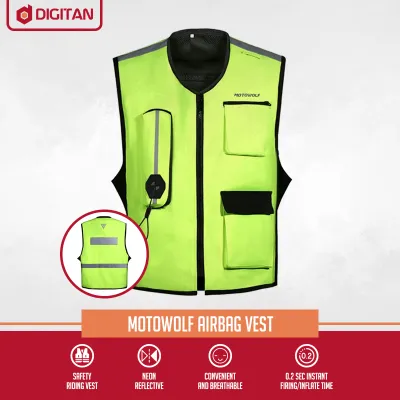
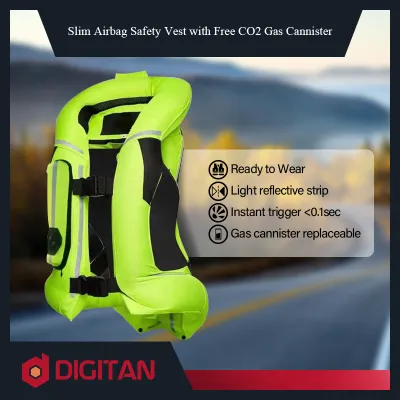
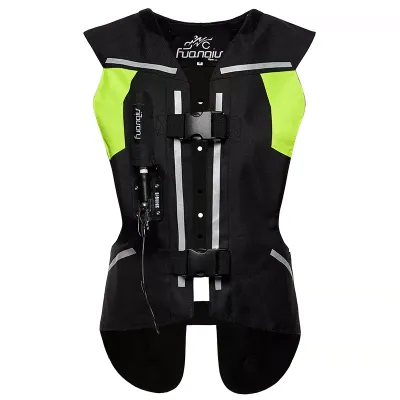
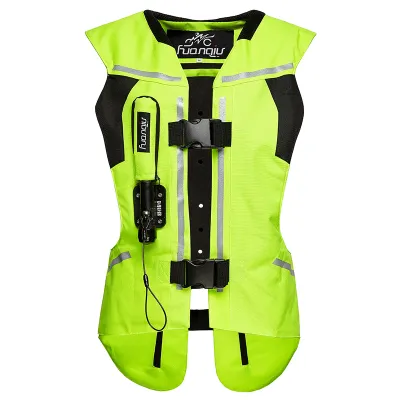
Prices are valid at publication and may change. Please refer to the product page for the latest price.
To ride safely in tropical regions, your protective equipment must actively support thermoregulation. The baseline requirement for any warm-weather airbag vest is simple: it must provide verified, certified impact protection while facilitating enough airflow to prevent heat exhaustion. Protecting your body from impact is meaningless if the gear itself causes you to lose consciousness or focus due to heatstroke.
Design Features That Balance Airflow and Impact Protection
Selecting an airbag vest for hot climates requires a close examination of its construction, deployment mechanism, and overall bulk. Not all lightweight vests are created equal, and some designs manage heat much better than others without compromising safety.

Shell Materials and Strategic Ventilation
The outer shell of an airbag vest acts as the primary barrier against both the wind and the road. When evaluating these garments, you must distinguish between full-mesh shells and hybrid designs. Full-mesh vests utilize open-weave synthetic fabrics across almost the entire surface, maximizing direct air penetration. Hybrid designs, on the other hand, place heavy, abrasion-resistant textile or leather panels over high-impact zones like the shoulders and spine, while utilizing highly breathable mesh panels across the chest, flanks, and underarms.
When inspecting mesh panels, look closely at the density, tear-resistance, and structural reinforcement of the weave. High-quality summer vests often use high-tenacity polyester or polyamide mesh (such as 500D or 600D cordura-grade weaves) that allows wind to pass through while resisting tearing during a slide. Check that the seams holding these mesh panels together are double- or triple-stitched with high-strength nylon thread.
A common pitfall is assuming that any garment labeled “perforated” will keep you cool. Perforated leather or solid textile panels often have very small holes that provide minimal airflow unless you are moving at highway speeds. Furthermore, if the inner lining or the airbag bladder itself is solid and sits directly behind those perforations, the cooling effect is completely blocked. Always verify that the air flowing through the outer shell has a clear path to reach your body.
Deployment Mechanisms and Physical Bulk
The physical system that triggers and inflates the airbag significantly influences how much heat the vest retains. Mechanical tether systems are generally lighter and less bulky. These systems rely on a physical cord clipped to the motorcycle, which pulls a mechanical pin to release compressed gas when you are thrown from the bike. Because they lack internal batteries, complex wiring, and electronic control units, mechanical vests tend to have a slimmer profile and do not generate any electrical heat against your body.
Electronic sensor systems use onboard accelerometers, gyroscopes, and microprocessors to detect a crash and trigger inflation. While these systems offer incredibly fast deployment and do not require a physical tether, they are inherently heavier and bulkier. The battery packs and electronic modules are often housed in a sealed back protector unit, which can act as a solid thermal barrier against your spine, trapping sweat and heat.
The physical coverage area of the internal airbag bladder also dictates heat retention. A full-torso wrap bladder provides comprehensive coverage around your ribs, chest, back, and neck, but the thick, impermeable nylon bladder material acts like a plastic wrap when uninflated. Vests with targeted bladders focus protection on the critical spine, collarbone, and chest areas, leaving the sides of your torso open for maximum cross-ventilation. You must weigh this trade-off: a larger bladder offers more protective coverage but limits airflow, while a targeted bladder keeps you cooler at the cost of lateral torso protection.
Sizing and Base Layer Compatibility
Achieving the correct fit is critical not only for comfort but also for the safe operation of the airbag. If you plan to wear your airbag vest under a riding jacket, you must ensure there is adequate expansion clearance. Most manufacturers specify a minimum clearance—often around 2 to 4 inches of extra space around the chest and circumference of the jacket—to allow the bladder to inflate fully without compressing your chest or restricting your breathing during deployment. If the vest is too tight, the sudden inflation can cause physical injury or prevent the airbag from reaching its full protective pressure.
Your choice of undergarment plays a massive role in how cool you feel inside the vest. Wearing a standard cotton t-shirt under an airbag vest is a recipe for discomfort, as cotton absorbs sweat and holds it against your skin, creating a hot, humid microclimate. Instead, pair your vest with a dedicated moisture-wicking base layer made of synthetic polyester or polyamide blends. These technical fabrics pull sweat away from your skin and spread it across a larger surface area, allowing the incoming airflow from the vest’s mesh panels to evaporate the moisture rapidly and cool your body.
How to Verify Safety Certifications on Breathable Vests
When manufacturers reduce weight and increase ventilation, they must not compromise the core protective capabilities of the vest. You should never rely on marketing claims of “high protection” or “race-proven safety” without verifying official certification labels.
First, look for the European Conformity (CE) certification labels sewn directly inside the garment. For the airbag module itself, look specifically for the EN 1621-4 standard. This certification guarantees that the airbag system has undergone standardized testing for inflation speed, minimum deployment pressure, and impact energy absorption. A certified vest ensures that the bladder will inflate fully before your body impacts the ground or an obstacle, typically within 40 to 80 milliseconds.
It is equally important to understand the difference between the airbag module certification and the outer garment’s structural certification. The outer shell, which holds the bladder and resists road abrasion, should carry a certification under the EN 17092 standard. This standard grades protective motorcycle garments from Class C (impact protection only, low abrasion resistance) up to Class AAA (highest abrasion resistance). For a tropical riding vest, a Class A or Class B rating is common, indicating that the mesh and textile panels provide a verified level of tear and abrasion resistance during a slide.
Be highly skeptical of unbranded, cheap airbag vests sold on online marketplaces that claim to be “ultra-lightweight” or “cooling” but lack verifiable test marks. These uncertified vests often use low-grade plastic triggers, thin nylon bladders that can burst upon inflation, or weak mesh fabrics that disintegrate instantly when sliding on asphalt. Saving money or gaining a bit of extra airflow is never worth the risk of a system failure during a high-speed crash. Breathability should never be used as an excuse to bypass mandatory safety certifications.
Maintaining Your Airbag Vest in High Heat and Humidity
The combination of intense tropical heat, high humidity, and heavy sweat creates a harsh environment for safety gear. Salt buildup from sweat and ambient moisture can degrade fabrics, clog valves, and corrode mechanical parts if the vest is not maintained correctly.
After every hot ride, do not simply throw your vest into a closet or leave it in a hot gear bag. Instead, perform a basic wipe-down of both the interior and exterior. Use a soft, damp microfiber cloth with clean water to gently wipe away sweat residue, road grime, and salt buildup from the mesh panels and inner lining. Never submerge an airbag vest in water, and never place it in a washing machine or tumble dryer, as this will permanently damage the inflation mechanism, electronic sensors, and sealed bladders.
+-----------------------------------------------------------------------------+
|                        AIRBAG VEST DRYING PROTOCOL                          |
+-----------------------------------------------------------------------------+
|  [ YES ]                                                                    |
|  - Hang on a heavy-duty, wide-shouldered plastic hanger.                    |
|  - Place in a shaded, indoor area with active cross-ventilation.            |
|  - Use a household floor fan to accelerate air drying.                      |
|                                                                             |
|  [ NO ]                                                                     |
|  - Do NOT expose to direct tropical sunlight (UV degrades nylon & sensors). |
|  - Do NOT use hair dryers, radiators, or artificial heat sources.           |
|  - Do NOT leave crumpled on the floor or in a sealed gear bag.              |
+-----------------------------------------------------------------------------+
When drying your vest, hang it on a heavy-duty, wide-shouldered plastic hanger in a shaded, well-ventilated indoor area. Avoid exposing the vest to direct tropical sunlight for extended periods, as intense ultraviolet (UV) radiation can degrade the synthetic nylon fibers of the shell and weaken the bladder material over time. Keep the vest far away from artificial heat sources like space heaters or hair dryers, which can warp plastic components or compromise the pressurized gas canister.
Regularly inspect the critical mechanical and electronic components of your vest. If you use a mechanical system, check the steel tether cable, the spring-loaded trigger mechanism, and the key ball for any signs of surface rust or salt corrosion caused by sweat exposure. For electronic systems, inspect the external charging ports and sensor housings for dirt or moisture ingress. Always check your specific product’s label and the manufacturer’s instructions before applying any cleaners or performing maintenance. If instructions conflict or the procedure is unclear, stop and consult the manufacturer or a qualified professional. Always adhere strictly to the manufacturer’s recommended service intervals to ensure the internal bladders, sensors, and seals are pressure-tested and verified.
Frequently Asked Questions (FAQ)
Can I wear a mesh airbag vest directly over a t-shirt?
While it is physically possible to wear a mesh airbag vest over a standard cotton t-shirt, doing so is highly discouraged in tropical climates. Cotton is a hydrophilic fiber, meaning it absorbs and holds onto moisture rather than letting it evaporate. During a sweaty ride, a cotton shirt will quickly become saturated, heavy, and clammy beneath the vest, blocking the airflow provided by the mesh panels and significantly reducing the vest’s cooling efficiency. Furthermore, wet cotton rubbing against your skin under the weight of the vest can cause severe skin chafing and irritation over long rides. For optimal comfort and cooling, always wear a synthetic, moisture-wicking athletic base layer that allows sweat to evaporate quickly.
Does high humidity affect the airbag inflation gas or mechanism?
The pressurized carbon dioxide (CO2) or argon gas canisters used in both mechanical and electronic airbag vests are completely sealed and are not affected by high ambient humidity or atmospheric pressure changes. However, the external mechanical trigger components, metal tethers, and electronic connection points are vulnerable to the corrosive effects of humid air and salty sweat. To ensure the system remains fully operational, you must perform regular visual inspections of all metal parts for surface rust and keep electronic charging ports clean and dry. Always adhere strictly to the manufacturer’s recommended service schedule to prevent environmental degradation from compromising your safety gear.
Community discussion
Share your experience or ask a question. Comments are reviewed before publication.