
Riding a motorcycle in the Philippines during the rainy season requires robust, dependable gear to shield you from sudden tropical downpours and the southwest monsoon (habagat). For riders who are also fans of anime, combining utility with personal style is highly appealing, leading many to search for a rain coat akatsuki. However, transitioning the iconic red-cloud aesthetic of the Naruto series from a cosplay convention to the open road presents significant safety and functional challenges. A standard, loose-fitting costume cloak is not only ineffective against heavy rain but also poses severe physical dangers to a motorcyclist. To ride safely and stay dry, you must look for a specialized, motorcycle-grade rain coat akatsuki that prioritizes technical waterproofing, aerodynamic stability, proper fit over protective armor, and high visibility. This guide details the critical safety boundaries, material specifications, and customization options you must evaluate to ensure your themed rain gear is road-ready rather than a safety hazard.
Why Standard Akatsuki Cloaks Are Dangerous for Riding
The primary conflict between a traditional, screen-accurate Akatsuki cloak and motorcycle riding dynamics lies in the garment’s physical design. A standard cosplay cloak is characterized by its long, flowing hem, wide sleeves, and loose, open-front construction. While this silhouette looks dramatic on foot, it introduces extreme risks when introduced to the physics of a moving motorcycle. At speed, any loose or flowing fabric is subject to intense wind forces, causing it to flap violently. This rapid flapping creates significant aerodynamic drag, which pulls at the rider’s shoulders and neck, leading to rapid physical fatigue and making it much more difficult to maintain stable control of the motorcycle, especially when navigating high-speed expressways or dealing with sudden crosswinds.
Beyond the physical strain of wind drag, loose fabric presents a catastrophic mechanical hazard. The long, unsecured hem of a traditional cloak can easily drape down into the moving parts of the motorcycle. It takes only a fraction of a second for loose fabric to become entangled in the rear wheel, drive chain, sprocket, or foot pegs. If the fabric snags, it can instantly lock up the rear wheel, snap the drive chain, or violently pull the rider off balance, resulting in a severe crash. Additionally, an open-front cloak can easily balloon out like a parachute at highway speeds. This ballooning effect can block your rear-view mirrors, obscure your motorcycle’s tail light and turn signals from trailing motorists, or even blow forward to cover your face and obstruct your line of sight. For these reasons, a functional riding raincoat must completely abandon the loose, flowing cloak design in favor of a structured, form-fitting jacket-and-pants set or a highly tailored coat with secure leg straps.
Products mentioned in this guide
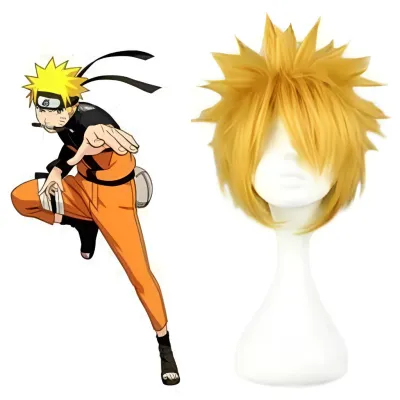
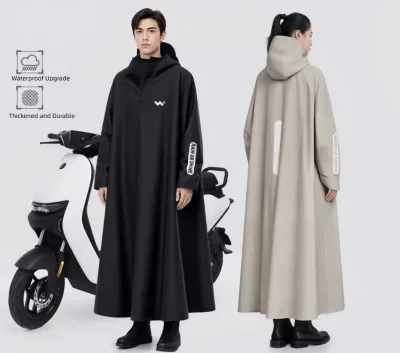
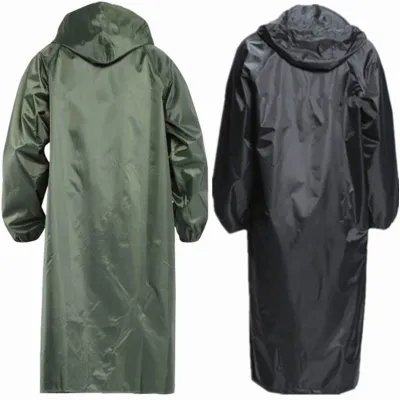
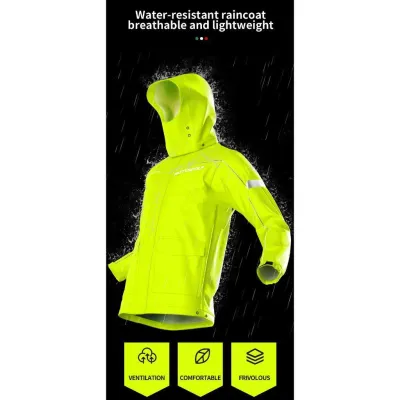
Prices are valid at publication and may change. Please refer to the product page for the latest price.
Must-Have Features for a Functional Akatsuki Raincoat
Transitioning from a novelty costume to functional riding gear requires a shift in focus from visual accuracy to technical performance. To survive the intense rainstorms common in tropical climates, your rain gear must be constructed from materials and designs engineered specifically for high-speed exposure to water and wind.

Waterproofing and Seam Construction
When evaluating a rain coat akatsuki, the choice of textile is the most critical factor in determining whether you stay dry. Standard cosplay cloaks are typically made from thin, uncoated polyester, satin, or cotton blends, which absorb water almost instantly. For motorcycle riding, you must look for heavy-duty, waterproof textiles such as polyvinyl chloride (PVC), coated nylon (like Taslan), or polyester treated with a thick polyurethane (PU) coating. These materials are engineered to block water molecules while resisting the tearing forces of high-speed wind.
To verify the quality of the waterproofing, look for the manufacturer’s hydrostatic head rating, which measures the water pressure the fabric can withstand before leaking. For motorcycle riding, where wind pressure actively forces rain against the fabric, you should aim for a rating of at least 10,000 mm. Equally important is how the garment’s panels are joined. Standard stitching creates thousands of microscopic needle holes that allow water to seep through under pressure. A functional riding raincoat must feature fully taped, sealed, or heat-welded seams on the interior. Before purchasing, inspect the inside of the garment to ensure that a flexible waterproof tape has been heat-sealed over every stitched seam, providing a continuous barrier against water intrusion.
Fit Over Riding Armor and Gear
A common mistake when purchasing rain gear is selecting a size based on your standard clothing measurements. A motorcycle raincoat is an outer layer that must comfortably accommodate your complete set of protective riding gear underneath. This includes your CE-certified motorcycle jacket, shoulder and elbow armor, and a bulky back protector. If the raincoat is too tight, it will restrict your range of motion, making it difficult to steer, reach the handlebars, or perform emergency maneuvers. Conversely, if it is excessively loose, it will flap violently in the wind, causing discomfort and drag.
To achieve the correct fit, look for a raincoat with a relaxed, articulated cut designed specifically for motorcyclists, or intentionally select one to two sizes larger than your standard jacket size. The garment must feature highly secure, adjustable closures to seal out the elements and prevent the fabric from shifting at speed. Look for heavy-duty, corrosion-resistant zippers protected by a double storm flap that secures with hook-and-loop fasteners or snap buttons. Adjustable hook-and-loop cuffs at the wrists are essential for sealing the gap between your jacket and riding gloves, while drawstring or elasticized waist and hem closures prevent the wind from blowing up under the jacket and causing it to balloon.
Visibility and Reflective Elements
The classic Akatsuki aesthetic relies on a dark color palette, primarily deep black with red cloud accents. While this design is visually striking, it represents a severe safety hazard on the road. During heavy tropical downpours, visibility drops dramatically, and grey rain curtains make it incredibly difficult for car and truck drivers to spot motorcyclists. A rider dressed entirely in black and dark red blends completely into the wet asphalt and dark surroundings, drastically increasing the risk of a collision.
To mitigate this risk without completely destroying the Akatsuki aesthetic, you must integrate high-visibility and reflective elements into the design. Look for raincoats that feature retroreflective piping, strips, or panels strategically placed along the shoulders, upper back, and sleeves. Retroreflective materials use microscopic glass beads or prisms to reflect light directly back to its source, making you stand out brightly in the headlights of trailing or oncoming vehicles. If you are customizing a jacket, you can use reflective silver or high-visibility red materials for the borders of the red cloud prints. If the raincoat lacks built-in reflective elements, you must wear a high-visibility reflective harness or vest over the coat, or apply specialized retroreflective adhesive tape designed for outdoor gear.
Evaluating Akatsuki-Themed Rain Gear Options
The vast majority of Akatsuki-themed garments available on general e-commerce platforms are mass-produced novelty items designed for indoor cosplay or casual wear. Finding a version that is safe and durable enough for motorcycle riding requires exploring specialized sourcing methods.
Custom-Made and Tailored Riding Rain Gear
One of the most effective ways to obtain a safe, high-performance Akatsuki raincoat in the Philippines is to commission a custom piece from a local tailor or a specialized motorcycle gear maker. The Philippines has a vibrant community of custom riding gear craftsmen who understand the unique demands of local road conditions and the tropical climate. By working with a professional, you can ensure that the garment is built to strict safety standards while still featuring your desired anime aesthetic.
When commissioning a custom build, you can personally select and purchase high-grade waterproof textiles, such as 600D Oxford polyester with a heavy PU coating. You can instruct the tailor to design a structured, two-piece rain suit (jacket and pants) rather than a single long coat. This design is inherently safer as it eliminates the risk of loose fabric catching in the wheels. A custom build also allows you to specify critical performance features, such as reinforced double-stitching in high-stress areas like the underarms and crotch, a soft microfiber-lined high collar to prevent water from chafing your neck, and integrated zippered ventilation ports with mesh backings to help manage heat and humidity. Most importantly, you can work with the tailor to seamlessly integrate wide, retroreflective panels into the red cloud motifs, ensuring you remain highly visible at night.
Functional Rain Jackets with Anime Prints
If you prefer to purchase a pre-made rain jacket, you must carefully evaluate online listings to distinguish true riding gear from cheap fashion windbreakers. Avoid purchasing thin, single-layer plastic ponchos or unlined polyester jackets, as these materials will quickly tear under the physical stress of highway wind speeds and will trap body heat, causing you to sweat profusely in humid weather.
When browsing online marketplaces, use a strict checklist to evaluate the product’s suitability for riding. Look for listings that explicitly mention motorcycle-specific branding, heavy-duty construction, and adjustable fitment systems. Check the product description for details on the inner lining; a high-quality riding raincoat should feature a breathable polyester mesh inner lining. This lining prevents the waterproof outer shell from sticking to your skin or riding jacket, improving comfort and airflow. Additionally, look for user reviews that mention the jacket’s performance in actual riding conditions, paying close attention to feedback regarding water leakage through the zippers or seams during sustained highway rides.
Pre-Ride Safety and Maintenance Checks
Owning high-quality rain gear is only half the battle; you must also maintain it properly to ensure it continues to provide reliable protection and remains safe to use over multiple riding seasons.
Before every ride during the rainy season, perform a quick pre-ride inspection of your raincoat. Check the inner seams to ensure the waterproof sealing tape is not peeling, cracking, or lifting away from the fabric. Inspect the zippers to ensure they glide smoothly without catching, and clean out any dirt, sand, or debris from the hook-and-loop fasteners, as clogged fasteners will fail to hold the storm flaps secure against high winds.
Proper drying and storage are critical, especially in the highly humid climate of the Philippines. After riding through a downpour, never fold your wet raincoat and stuff it into a motorcycle top box, under-seat compartment, or backpack. Trapping moisture in this manner creates an ideal breeding ground for mold, mildew, and bacteria, which not only cause foul odors but can also chemically degrade the polyurethane waterproof coatings and cause the seam tape to delaminate. Instead, hang the wet raincoat on a wide, sturdy plastic hanger in a shaded, well-ventilated indoor area to air dry completely. Avoid exposing the garment to direct sunlight for extended periods, as ultraviolet (UV) radiation can break down the waterproof coatings, weaken the fabric fibers, and cause the red cloud prints to fade and crack.
When cleaning your raincoat, always check the applied product’s label and the manufacturer’s care instructions first. If instructions conflict, the item is unidentified, or the use is not covered, stop and consult the manufacturer or a qualified professional. Never machine wash or machine dry a motorcycle raincoat, as the agitation and heat will destroy the waterproof membranes and peel off the seam tape. Instead, hand wash the garment using cold water and a mild, non-detergent soap specifically formulated for technical outerwear. Gently wipe away road grime and dirt with a soft sponge, rinse thoroughly, and allow it to air dry. Finally, always remember that a raincoat is designed solely for weather protection, not impact or abrasion resistance. You must always wear your standard armored riding jacket and protective gear underneath the raincoat to ensure you are protected in the event of a fall.
Frequently Asked Questions (FAQ)
These common queries highlight the practical safety and usage considerations for riding with themed rain gear.
Can I wear a standard cosplay Akatsuki cloak over my motorcycle jacket?
No, you should never wear a standard, loose-fitting cosplay Akatsuki cloak while riding a motorcycle. The long, flowing fabric of a traditional cloak poses an extreme safety hazard on a motorcycle. At speed, the fabric will flap violently, creating severe wind drag that can destabilize your ride and cause rapid fatigue. More critically, the long hem can easily become entangled in your motorcycle’s rear wheel, drive chain, sprocket, or foot pegs, which can instantly lock the wheel and cause a catastrophic crash. For your safety, choose a structured, motorcycle-specific rain jacket or a custom-tailored riding suit that incorporates the Akatsuki design in a safe, aerodynamic, and form-fitting cut.
Does a black and red raincoat provide enough visibility at night?
No, a standard black and red raincoat does not provide sufficient visibility for safe night riding, especially during heavy rain. Dark colors absorb light and blend into the wet asphalt and dark surroundings, making you virtually invisible to other motorists. To ride safely in low-light conditions, you must ensure your raincoat features integrated retroreflective piping, panels, or prints that reflect headlight beams back to other drivers. If your themed raincoat lacks these elements, you should wear a high-visibility reflective vest or harness over the coat, or apply specialized retroreflective adhesive tape to your helmet and motorcycle to ensure you are visible from all angles.

Community discussion
Share your experience or ask a question. Comments are reviewed before publication.