
Driving through a sudden tropical downpour in the Philippines can quickly reveal the compromised state of your windshield. When wiper blades sweep across the glass only to leave behind a hazy, smeared pattern of semi-permanent spots, you are likely dealing with acid rain damage and hard water spots. This common automotive issue is particularly severe in urban areas like Metro Manila and Metro Cebu, where atmospheric pollutants mix with heavy monsoon rains to create corrosive deposits.
The intense tropical heat and high humidity of the local climate accelerate the chemical reaction between these acidic deposits and the silica in your windshield. As rainwater pools on the glass and rapidly evaporates under the sun, it leaves behind concentrated mineral rings that eventually etch into the surface. Restoring your windshield’s optical clarity requires understanding the nature of this damage and choosing an appropriate acid rain remover that can safely dissolve or polish away these stubborn imperfections without damaging your vehicle’s paint or trim.
Identifying Acid Rain and Water Spot Damage on Your Windshield
Before purchasing any specialized cleaning products, it is essential to accurately diagnose the condition of your automotive glass. Water spots generally fall into two distinct categories: superficial mineral deposits (often referred to as Type I spots) and physical glass etching (Type II spots). Superficial spots are raised, chalky white rings composed of calcium, magnesium, and silica compounds that have bonded to the outer surface of the glass. These spots are highly visible when the windshield is dry and can cause severe glare from oncoming headlights during night driving.
Products mentioned in this guide
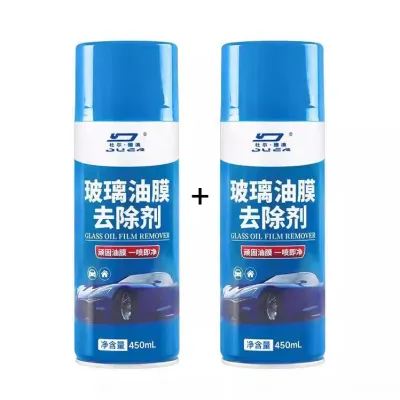
68 Lazada user ratings
Fast cleaning result, Safe for car paint, Effective acid rain removal, Great for windshield care, Great for windshield care, Environmentally…Read full reviewShow less
Fast cleaning result, Safe for car paint, Effective acid rain removal, Great for windshield care, Great for windshield care, Environmentally friendly formula,
Clear liquid formula, Improves visibility, Great for car windows, No damage to glass, Non-abrasive formula, Fast delivery
Good packaging, Fast shipping, hindi ko pa nasubukan, sana lang hindi budol 👌Ease of Use:easy, it's in a spray bottle
medyo matagal lang dumating un item kasi naabutan ng baha, tignan ko muna kung maganda un item na to.
Walang silbi di makalinis ng salamin ng kotse sayang pera
39 Lazada user ratings
Easily removes stains, Fast delivery service,
Improves visibility, Easy to use,
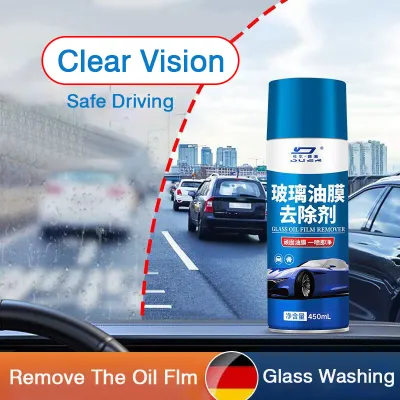
24 Lazada user ratings
Price:Affordable price, Excellent value, Great value, Durability:greqtLong-lasting quality, Resistant to wear, Versatility:Adaptable tools, …Read full reviewShow less
Price:Affordable price, Excellent value, Great value, Durability:greqtLong-lasting quality, Resistant to wear, Versatility:Adaptable tools, Flexible usage, Useful for various jobs, Multi-purpose tools,
Very fast delivery and packed very well. Products are in good condition. Definitely we would reorder again from this reseller. Very Satisfie…Read full reviewShow less
Very fast delivery and packed very well. Products are in good condition. Definitely we would reorder again from this reseller. Very Satisfied !
👌Ease of Use:easy to use 💪Effectiveness:not yet tried, I will update my review once applies.
Very effective n easy to used.
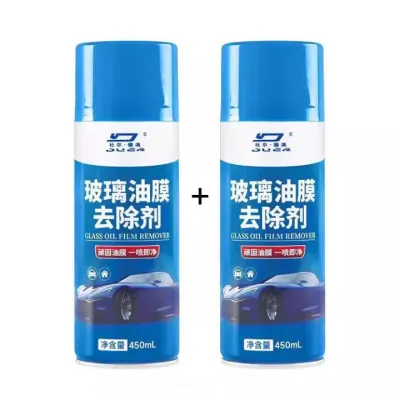
63 Lazada user ratings
Removes oil film effectively, Safe for wiper blades, Improves night visibility, Easily removes water stains, Quick and efficient cleaning, N…Read full reviewShow less
Removes oil film effectively, Safe for wiper blades, Improves night visibility, Easily removes water stains, Quick and efficient cleaning, No residue after use,
Leaves glass crystal clear, Achieve spotless glass in no time, No more smudged glass, No more worries about acid rain damage,
Removes stubborn stains easily, Quick and easy to use, Great for removing acid rain stains,
I just received the item! And looking forward it will work well! Thank you
👌Ease of Use:10 🔨Durability:10 🔒Safety:10 💪Effectiveness:10
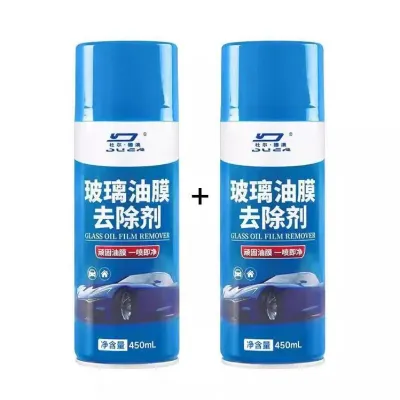
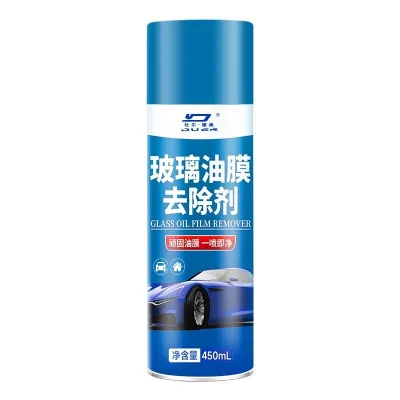
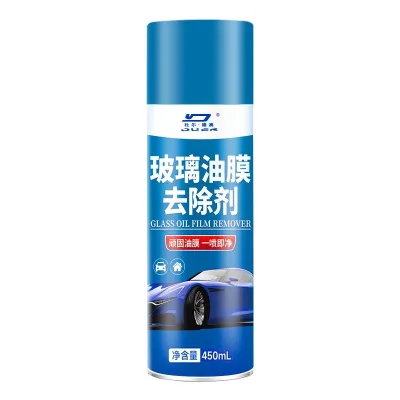
87 Lazada user ratings
Removes oil film, Protects glass surface, Easy to apply, Great for windows, Tropa, gusto ko sanang i-update mismo yung Marshal ID para maisa…Read full reviewShow less
Removes oil film, Protects glass surface, Easy to apply, Great for windows, Tropa, gusto ko sanang i-update mismo yung Marshal ID para maisama yung “CONNECT” theme at John 9:16, pero hindi ko ma-invoke ngayon yung image-generation tool. Kapag nag-reset na ang limit, puwede nating i-integrate yung CONNECT design sa existing 4-up A4 layout.
Removes oil film,
very nice item 👍🏻
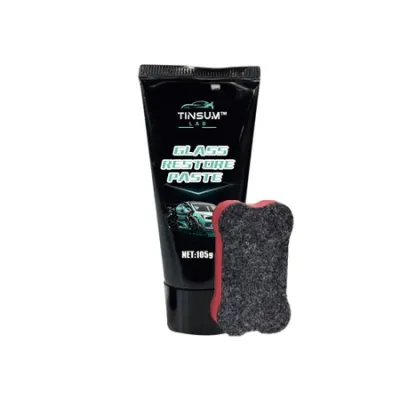
771 Lazada user ratings
I'm rating this only a 4 star, I didn't receive the "sponge" or "scrub" in my package. I saw the product and should have THAT item.
hindi sya effective kapag umuulan, kapag kala2gay lang tapos sinabuyan ng tubig dun lang sya gumagana, pero sa actual na ulan hindi
tumagas po ung laman next tym pki ayos ulit pagka pack kawawa po Yung malabili sa shop nyu halos kalahati Yung tumapon
iba ung pinadala kesa don s inorder ko color red black ang dumating tapos malabnaw p ndi katulad ng nsa video
Prices are valid at publication and may change. Please refer to the product page for the latest price.
Acid rain etching, on the other hand, represents structural damage to the glass itself. When acidic rainwater—carrying dissolved sulfur dioxide and nitrogen oxides from vehicle emissions and industrial activity—remains on the glass, it slowly eats away at the silica structure. This chemical reaction creates microscopic depressions and pits in the glass surface. Unlike surface-level mineral deposits, which feel slightly raised when you run a clean fingernail over them, etched spots are recessed and cannot be simply washed or chemically dissolved away.
To assess the severity of the damage, thoroughly clean a section of the windshield and inspect it under a strong, angled light source or direct sunlight. If the spots appear as dull, matte rings that remain completely unaffected by standard car wash shampoos and glass cleaners, they have progressed beyond simple road grime. If you can feel distinct physical grooves or if the glass remains hazy even after a thorough cleaning, the acid rain has likely caused deep etching.
Knowing when to transition from a do-it-yourself approach to professional intervention is critical for maintaining vehicle safety. If the etching is deep enough to catch your fingernail, or if the windshield exhibits widespread, deep pitting from years of exposure, aggressive DIY polishing can be risky. Attempting to grind down deep glass imperfections without professional-grade rotary tools and precise thickness measurements can create uneven surfaces. This unevenness acts like a lens, distorting your view of the road and creating dangerous optical illusions while driving. If mild chemical treatments and light hand-polishing do not yield results, consult a professional auto glass specialist.
Types of Acid Rain Removers for Windshields
When addressing windshield damage, matching the correct product type to the severity of the mineral bonding is crucial. Automotive glass treatments generally fall into three primary categories, each operating on different chemical or mechanical principles.

Chemical water spot removers are formulated liquid solutions that rely on mild acids to break down the alkaline bonds of mineral deposits. These products typically contain active ingredients like phosphoric, sulfamic, or oxalic acid, which chemically convert stubborn calcium carbonate and magnesium compounds into water-soluble salts that can be easily rinsed away. They are highly effective for light to moderate surface-level water spots and require minimal physical effort to apply. However, because they are chemically active, they demand strict adherence to safety protocols and precise dwell times to prevent damage to surrounding vehicle components.
Glass polishes and abrasive compounds are designed to physically level the surface of the glass, making them the primary solution for moderate acid etching and deep-set water spots. These specialized polishes often utilize micro-abrasives such as cerium oxide, a compound specifically engineered to polish silica glass without leaving deep scratches. Unlike standard paint polishes, which are too soft to affect automotive glass, glass-specific compounds physically shave down the microscopic high spots surrounding the etched depressions, restoring a perfectly flat, optically clear surface. These products can be applied by hand with a firm applicator pad or with a dual-action polishing machine for more consistent results.
Automotive clay bars and mechanical decontamination kits serve as an excellent preparatory step or maintenance solution for lightly contaminated glass. A clay bar works by gliding over a heavily lubricated glass surface, physically shearing off bonded environmental contaminants such as industrial fallout, tree sap, overspray, and loose mineral crusts. While claying is incredibly safe and highly recommended for cleaning the glass surface before applying protective coatings, it is important to note that clay bars cannot remove sub-surface acid etching or chemically bonded mineral deposits that have already integrated into the glass structure.
Each of these product types has clear limitations that car owners must recognize. No over-the-counter chemical remover or mild polish can repair deep structural cracks, stone chips, or severe pitting caused by road debris. Attempting to use aggressive chemical acids or excessive mechanical pressure to resolve these structural defects will not succeed and may instead weaken the windshield, compromising its ability to withstand impacts or support the vehicle’s structural integrity during an emergency.
Key Factors When Selecting a Windshield Treatment
Selecting the right windshield treatment requires a careful evaluation of your vehicle’s specific condition, your available tools, and your comfort level with automotive detailing. The first step is matching the product’s strength to the age and severity of the water spots. Fresh spots that have accumulated over a single rainy season can often be resolved with a mild chemical water spot remover. Conversely, older, baked-on spots that have endured years of intense tropical sun and heavy monsoons will almost certainly require a dedicated glass polish compound to physically restore the surface.
Your DIY skill level and the equipment at your disposal should also dictate your choice. Chemical removers are highly effective and require no specialized machinery, making them an accessible option for beginners, provided they follow safety instructions carefully. If you choose an abrasive glass polish, consider whether you are prepared to apply it by hand—which requires significant physical stamina and time—or if you have access to a dual-action polishing machine. Machine polishing yields much faster and more uniform results but requires a steady hand and proper technique to avoid overheating the glass or creating swirl marks.
Material compatibility is a paramount safety consideration when choosing any chemical treatment. The chemical agents that dissolve mineral deposits can be highly corrosive to other parts of your vehicle. Before purchasing, read the product label carefully to verify its safety on adjacent materials. Many aggressive acid-based removers can permanently stain anodized aluminum trim, dull chrome accents, dry out rubber window seals, and discolor plastic wiper cowls. If a product lacks clear instructions or safety warnings regarding these materials, it is best to look for a formula specifically labeled as safe for surrounding automotive trim.
Finally, verify the availability and real-world performance of the product within the local market. Look for established brands stocked by reputable automotive supply stores or official brand stores on local e-commerce platforms. Reading user reviews from buyers in the Philippines can provide valuable insights into how a product performs under local environmental conditions, such as high humidity and intense heat, which can affect the drying time and ease of removal of various chemical formulas.
Safe Application Steps for Windshield Acid Rain Removers
Applying an acid rain remover requires a systematic approach to ensure both your personal safety and the protection of your vehicle’s surfaces. Never attempt to apply these treatments in direct sunlight or on a hot windshield, as the heat will cause the chemicals to dry out prematurely, potentially staining the glass or making the product incredibly difficult to remove.
Begin by parking your vehicle in a well-ventilated, shaded area, such as a carport or garage. Wash the windshield thoroughly using a dedicated automotive glass cleaner or a wax-free car shampoo to remove all loose dirt, dust, and road film. If these abrasive particles are left on the glass, they can cause fine scratches during the polishing or chemical application process. Dry the glass completely with a clean, lint-free microfiber towel.
Once the glass is clean and dry, prepare the surrounding areas. Use high-quality automotive masking tape to cover all adjacent rubber window seals, plastic trim pieces, the wiper cowl, and the painted pillars surrounding the windshield. This simple step prevents accidental chemical runoff or abrasive polish residue from contacting and potentially damaging these sensitive surfaces. Additionally, lift the windshield wiper arms away from the glass or remove the wiper blades entirely to keep them clear of the treatment area. Equip yourself with appropriate personal protective gear, including nitrile gloves and safety glasses, to protect your skin and eyes from chemical splashes.
When applying the product, always work in small, manageable sections, such as a 12-by-12-inch square, rather than attempting to treat the entire windshield at once. Apply a small amount of the chemical remover or glass polish to a dedicated microfiber applicator pad or foam polishing pad. Work the product into the glass using light to moderate pressure in overlapping circular or cross-hatch patterns to ensure even coverage.
Strictly monitor the dwell time specified on the product label. For chemical removers, this is typically only a minute or two; never allow the product to dry on the glass. Keep a spray bottle filled with clean water or a dedicated neutralizing solution nearby. If you observe the product beginning to dry, or if you notice any unexpected hazing, discoloration, or bubbling, stop immediately. Rinse the treated section thoroughly with copious amounts of clean water, wipe it dry with a fresh microfiber towel, and inspect the results before proceeding to the next section. Once the entire windshield is treated, perform a final rinse of the entire front of the vehicle to ensure no chemical residue remains on the paint or trim.
Maintaining Your Windshield to Prevent Future Etching
Once you have successfully restored your windshield’s clarity, implementing a proactive maintenance routine is essential to prevent mineral deposits and acid rain from reclaiming the surface. The most effective line of defense is the application of a high-quality hydrophobic glass coating or sealant. These specialized coatings bond with the silica in the glass to create an ultra-smooth, water-repellent barrier. When rainwater hits a treated windshield, it beads up into tight droplets and rolls off easily, preventing the water from pooling and leaving behind mineral deposits as it evaporates.
Establishing regular washing habits is equally important, particularly during the wet season in the Philippines. Try to wash your vehicle or at least rinse and dry the windshield after driving through heavy rain. Because rain in urban areas carries suspended pollutants, allowing rainwater to dry naturally on your windshield under the hot sun is the direct catalyst for acid etching. Keeping a clean microfiber cloth and a bottle of quick detailing spray or distilled water in your vehicle allows you to quickly wipe down the glass and remove fresh mineral deposits before they have a chance to chemically bond.
Proper maintenance of your windshield wiper blades is another critical factor in preserving your glass. Over time, wiper blades accumulate road grime, oil, and abrasive mineral dust along their rubber edges. When operated, dirty or degraded wipers can drag these abrasive particles across your clean windshield, creating fine scratches that degrade optical clarity and strip away protective hydrophobic coatings. Inspect your wiper blades monthly for signs of cracking, tearing, or hardening. Clean the rubber squeegee elements regularly using a soft microfiber cloth dampened with a mild, rubber-safe soapy water solution to ensure smooth, scratch-free operation.
Additionally, pay close attention to where you park your vehicle. Whenever possible, avoid parking under concrete structures, bridges, or building overhangs during rainy weather. Rainwater filtering through concrete can carry highly alkaline lime and calcium hydroxide drippings, which are extremely corrosive to automotive glass and paint. If your vehicle is exposed to concrete drippings, wash them off immediately with water, as these deposits can cause severe, permanent etching within a matter of hours.
Frequently Asked Questions (FAQ)
Can I use household vinegar to remove acid rain from my windshield?
While household vinegar contains acetic acid, which can dissolve mild, surface-level mineral deposits, it is not recommended as a primary automotive glass treatment. Household vinegar lacks the specialized surfactants, lubricants, and stabilizers found in dedicated automotive products, making it difficult to control during application. The acidic runoff can easily seep into your vehicle’s cowl, potentially accelerating corrosion on hidden metal components, stripping protective wax or ceramic coatings from your paint, and drying out sensitive rubber window seals. For safe and predictable results, it is always best to use formulated automotive glass cleaners that feature clear safety instructions for vehicle surfaces.
Will removing acid rain spots damage my windshield wipers?
The process of removing acid rain spots will not damage your windshield wipers, provided you take the necessary precautions to protect them during the application. Getting chemical water spot removers or abrasive glass polishes on the rubber squeegee elements of your wipers can cause the rubber to dry out, harden, crack, or degrade prematurely. To prevent this, always lift the wiper arms away from the glass or remove the blades entirely before starting the treatment. If any product accidentally contacts the wiper rubber, wipe it off immediately with a damp cloth and a mild soap solution.
How often should I treat my windshield in the Philippines?
There is no single calendar schedule that fits every vehicle, as the need for treatment depends heavily on your driving habits, parking conditions, and environmental exposure. For vehicles parked outdoors in highly urbanized or industrial areas, a thorough inspection and potential spot treatment may be necessary every three to six months, particularly at the end of the monsoon season. A reliable way to monitor your windshield’s condition is to observe how water behaves on the glass; when rainwater stops sheeting off cleanly or when you notice the return of faint, circular outlines after a rainstorm, it is time to clean the glass thoroughly and reapply a protective hydrophobic coating.
Community discussion
Share your experience or ask a question. Comments are reviewed before publication.