
Choosing the best LED signal lights for your motorcycle in the Philippines requires balancing high visibility, weatherproofing, and electrical compatibility. With the country’s intense tropical downpours, high humidity, and bright daylight, standard halogen bulbs often fall short in both durability and brightness. Upgrading to high-quality LED signal lights ensures you remain visible to other motorists on busy highways and during sudden afternoon rainstorms. However, finding the right set involves more than just picking the brightest option; you must evaluate housing materials, IP ratings, electrical load requirements, and Land Transportation Office (LTO) guidelines to ensure your upgrade is both safe and road-legal.
Why Upgrade to LED Signal Lights?
Upgrading the signal lights on your motorcycle is one of the most practical modifications you can make for both safety and efficiency. Traditional halogen bulbs rely on delicate filaments that are highly susceptible to failure from the constant vibrations of daily riding. In contrast, light-emitting diodes (LEDs) are solid-state electronics with no moving parts or fragile filaments, making them exceptionally resistant to the rough road conditions often encountered on local streets and provincial highways. This structural durability translates directly to a significantly longer operational lifespan, reducing the frequency of bulb replacements.
Another critical advantage of LEDs is their minimal power consumption. Halogen signal lights draw a relatively high amount of current, which can strain a motorcycle’s electrical system, particularly on smaller-displacement underbone motorcycles and scooters with limited stator output. LEDs require only a fraction of the wattage to produce the same, or even greater, light output. This reduced electrical load preserves your battery’s charge and prevents premature wear on your stator and regulator-rectifier, leaving more electrical headroom for other essential accessories.
Products mentioned in this guide
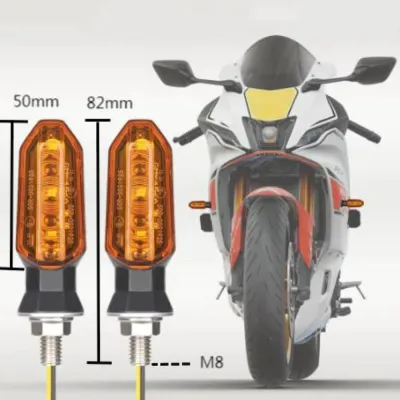
50 Lazada user ratings
🔌Compatibility:easey
faat dwlivery
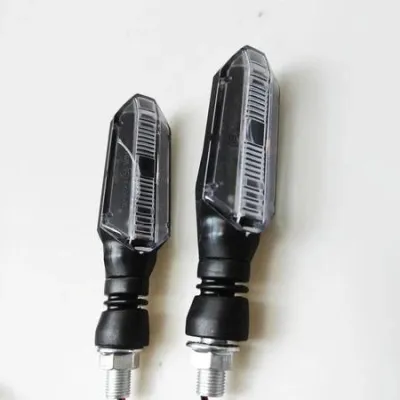
14 Lazada user ratings
🔨Durability:very goo
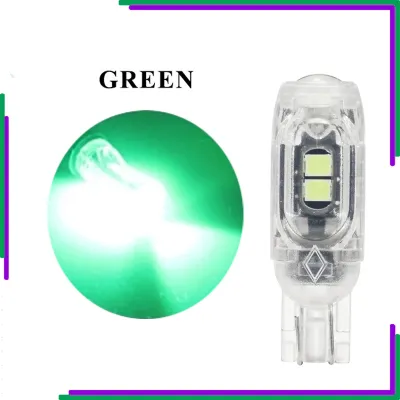
1,067 Lazada user ratings
All 4bulbs that was delivered are functional. However I ordered NORMAL bulbs and NOT BLINKING. Please review my order. What arrive are BLINK…Read full reviewShow less
All 4bulbs that was delivered are functional. However I ordered NORMAL bulbs and NOT BLINKING. Please review my order. What arrive are BLINKING. Please see attached video. I will be requesting for a replacement or return/ refund. Thanks
ok po salamat 8pcs gumagana lahat sobrang ganda ka linaw ewan ko lang kung hindi pa makita ng mga ibang riders na ano naka flasher signal ka…Read full reviewShow less
ok po salamat 8pcs gumagana lahat sobrang ganda ka linaw ewan ko lang kung hindi pa makita ng mga ibang riders na ano naka flasher signal kana babanat padin tapos sila pa galit
nandito na po Ang matagal na hinintay Ng anak ko.mejo matagal lang dumating pero ok Naman Ang items 😊
sana po tumagal d k p n install maraming Salamat sa seller delivery Rider s Lugar nmin.
Multipack bundle offer, Signal light upgrade, Durable motorcycle use,
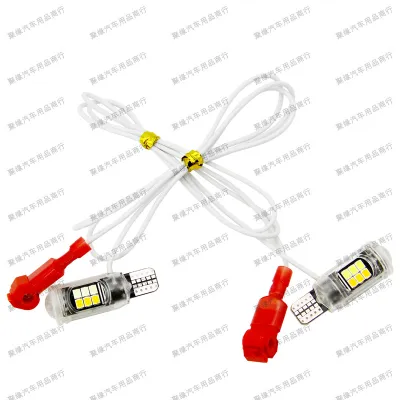
2 Lazada user ratings
I love the dual contact feature!, Easy to install and use!, kitang kita sya kahit sa umaga napakalakas nya lalo sa gabi💯
Provides excellent visibility on the road!, I love the dual contact feature!, Easy to install and use!
Prices are valid at publication and may change. Please refer to the product page for the latest price.
Visibility is where LED signal lights truly excel, especially under challenging tropical weather conditions. The light emitted by LEDs is sharper, more intense, and reaches full brightness instantly compared to the gradual warm-up of halogen bulbs. This instantaneous response gives trailing drivers more time to react when you signal a turn or activate your hazard lights. Whether you are navigating through a sudden torrential downpour during the monsoon season or riding under the glare of the midday sun, the distinct flash of a high-quality LED signal light ensures your intentions are clearly communicated to everyone on the road.
Key Specifications to Evaluate
When shopping for aftermarket LED signal lights, understanding technical specifications is essential to avoid purchasing low-quality products that fail prematurely or create safety hazards. The first specification to analyze is the relationship between lumen output and wattage. Lumens measure the total amount of visible light emitted by the source, while wattage indicates power consumption. High-quality LEDs achieve high lumen output with very low wattage. However, excessively bright signal lights can blind oncoming drivers or those trailing closely behind you, creating a severe safety hazard at night. Look for products that offer a balanced, moderate lumen output designed specifically for signaling rather than auxiliary illumination.

The construction materials of the light housing play a decisive role in heat dissipation and overall durability. LED chips generate a concentrated amount of heat at their base, which must be dissipated quickly to prevent the diodes from degrading or burning out. Aluminum housings, particularly those made from CNC-machined or die-cast aluminum, offer superior thermal conductivity compared to cheap plastic alternatives. While plastic housings are lighter and often more affordable, they are prone to cracking under prolonged exposure to intense sunlight and engine heat. If you choose plastic, ensure it is high-impact, UV-resistant ABS plastic that can withstand the harsh Philippine climate.
Lens design and optics are equally important for ensuring that the emitted light is distributed effectively. A well-designed lens uses internal reflectors or specialized optics to disperse light over a wide angle, ensuring you are visible not just from directly behind or in front, but also from the sides. Avoid signal lights with flat, uncollimated lenses that project a narrow, laser-like beam, as these are difficult for drivers in adjacent lanes to see. Look for convex or multi-faceted lens patterns that scatter light evenly across a wider field of view.
Given the frequent exposure to heavy rain, flooded streets, and high humidity in the Philippines, checking the Ingress Protection (IP) rating is non-negotiable. The IP rating consists of two digits: the first indicates protection against solid particles like dust, and the second indicates water resistance. For motorcycle signal lights, an IP67 rating is the recommended minimum, meaning the unit is completely dust-tight and can survive temporary immersion in water. An IP68 rating offers even greater protection, ensuring the lights remain fully sealed against high-pressure water sprays during bike washes and deep puddle crossings. Examine the sealing methods, such as rubber gaskets and silicone potting around the wire entry points, to verify the manufacturer’s weatherproofing claims.
Electrical Compatibility and Legal Compliance
Integrating LED signal lights into a motorcycle originally equipped with halogen bulbs requires careful attention to electrical compatibility. The most common issue riders encounter after installing LEDs is “hyper-flashing,” where the signal lights blink at an extremely rapid, erratic pace. This occurs because traditional thermal flasher relays rely on the high electrical resistance of halogen bulbs to regulate the flashing speed. Because LEDs draw so little current, the relay misinterprets the low resistance as a burnt-out bulb and speeds up the cycle. To resolve this, you must either install load resistors in parallel with each LED light or replace the stock flasher relay with an adjustable, LED-specific electronic flasher relay.
Before purchasing any lighting upgrade, it is vital to verify your motorcycle’s overall electrical system capacity. While LEDs draw less power overall, adding multiple auxiliary lights, horn upgrades, and high-output signal lights simultaneously can still overwhelm a small battery or a weak charging system. Consult your vehicle’s owner’s manual to determine the maximum output of your stator and ensure your total electrical load remains well within safe operating limits.
Road legality is another critical factor that every rider must consider to avoid costly fines and confiscation by law enforcement. In the Philippines, the Land Transportation Office (LTO) enforces strict guidelines regarding vehicle lighting modifications. According to standard regulations, front signal lights must emit an amber or yellow light, while rear signal lights can be either amber, yellow, or red. White signal lights or exotic colors like blue, green, or purple are strictly prohibited on public roads as they confuse other motorists and mimic emergency vehicle lighting.
Furthermore, the flashing pattern must remain steady and consistent; rapid strobe effects or sequential patterns that do not meet minimum visibility distances can lead to penalties during roadside inspections. The physical placement of the signal lights must also conform to standard configurations, ensuring they are mounted symmetrically and remain clearly visible from a distance of at least 150 meters in normal daylight. Always verify that any aftermarket LED signal light you choose complies with these local standards before installation.
Fitment and Pre-Purchase Checklist
To avoid the frustration of purchasing signal lights that do not fit your motorcycle, you must perform a thorough physical and electrical compatibility check before finalizing your order. Start by measuring the mounting hole sizes on your motorcycle’s fairings or brackets. Most aftermarket signal lights use standard threaded stems, typically M8 or M10 sizes. Compare these measurements with the thread pitch and stem length of the product you plan to buy. If the aftermarket stem is too short, it may not clear the bodywork; if it is too long, it might interfere with internal components or look unsightly.
Next, inspect the wiring harness and connector types on your motorcycle. Stock signal lights often use proprietary plug-and-play connectors that vary by manufacturer, such as bullet connectors, spade terminals, or multi-pin block connectors. Many aftermarket LED signal lights come with universal bare wires or simple bullet connectors. If you want to avoid cutting and splicing your factory wiring harness—which can void your motorcycle’s electrical warranty—look for model-specific adapter harnesses or be prepared to purchase matching male and female connectors to build a clean, removable adapter.
Physical clearance is another critical dimension that is easily overlooked. Ensure that the new signal lights will not interfere with the full movement of your handlebars, front forks, or suspension travel. For rear signal lights, check that they do not come into contact with aftermarket saddlebags, passenger grab rails, or custom tail tidies. Turn the handlebars fully from lock to lock and compress the front suspension to verify that no part of the signal light housing touches the fairings or radiator.
Finally, when sourcing LED signal lights from online marketplaces, exercise caution and perform due diligence on the seller. Read customer reviews carefully, paying close attention to photos and feedback regarding long-term durability, water intrusion, and actual brightness. Verify the seller’s warranty terms and return policies, especially for electrical components, as some sellers do not offer returns once the wires have been cut or modified. Choosing reputable sellers who offer clear customer support can save you significant time and money if you receive a defective unit.
Installation Boundaries and Maintenance
While installing LED signal lights is a popular do-it-yourself project, understanding the proper techniques and safety boundaries is essential to prevent electrical shorts or mechanical failures. When connecting the wiring, always refer to your motorcycle’s wiring diagram to identify the correct positive and negative leads. LEDs are polarity-sensitive, meaning they will not light up if the positive and negative wires are reversed. Use high-quality heat-shrink tubing and electrical tape to insulate all connections, and apply a small amount of dielectric grease inside the connectors to seal out moisture and prevent corrosion over time.
When mounting the signal lights to your motorcycle’s frame or fairings, pay close attention to torque specifications. Over-tightening the mounting nuts can easily crack plastic fairings or strip the threads on aluminum light stems. To prevent the nuts from backing off due to engine and road vibrations, apply a medium-strength thread-locking compound to the threads before tightening. Avoid using permanent thread lockers, as you may need to remove or replace the lights in the future.
There are certain scenarios where you should stop and consult a certified motorcycle mechanic or auto electrician rather than attempting a DIY installation. If your motorcycle features a complex CANbus electrical system, integrating aftermarket LEDs can trigger error codes on your dashboard or disrupt other electrical functions. Similarly, if you are integrating your signal lights with an aftermarket alarm system, a remote starter, or a complex integrated tail light conversion, professional installation is highly recommended to avoid damaging sensitive electronic control units.
Once installed, regular maintenance is key to ensuring your LED signal lights continue to perform reliably. Periodically inspect the light lenses for road grime, mud, or UV-induced cloudiness, and clean them with a mild soap and water solution to maintain maximum light output. Check the wiring harnesses regularly for signs of rubbing, fraying, or heat damage from nearby engine components. Finally, gently wiggle the light housings to ensure the mounting hardware remains tight and secure, preventing the lights from shifting or falling off during a ride.
Frequently Asked Questions (FAQ)
Do I need a load resistor for every LED signal light?
No, you do not always need a load resistor for every LED signal light, but it depends on your motorcycle’s electrical setup. If your motorcycle uses a traditional thermal flasher relay, installing LEDs will cause hyper-flashing because the relay expects the higher resistance of halogen bulbs. While you can install a load resistor in parallel with each LED to mimic that resistance, resistors generate a significant amount of heat and must be mounted securely to metal parts of the frame away from plastic fairings and wiring. A safer, more efficient, and cleaner alternative is to replace your stock flasher relay with an electronic, LED-compatible flasher relay, which regulates the flash rate electronically regardless of the electrical load.
Are smoked or tinted LED lenses legal for street use?
Smoked or tinted LED lenses occupy a legal gray area and can pose safety risks on public roads. While they offer a sleek, customized aesthetic when the lights are turned off, tinted lenses inevitably reduce the overall light output and narrow the visibility angles of the LEDs. Under Land Transportation Office (LTO) regulations in the Philippines, all vehicle lighting must remain clearly visible from specified distances to ensure road safety. If a law enforcement officer deems your tinted signal lights too dim or difficult to see—especially during bright daylight or heavy rain—you may face fines for unauthorized modifications. To maintain both style and safety, consider choosing signal lights with clear lenses but blacked-out internal housings, which provide a dark aesthetic without compromising light transmission.
Community discussion
Share your experience or ask a question. Comments are reviewed before publication.