
The tropical climate of the Philippines presents a relentless challenge for exterior automotive accessories. Between the scorching midday sun that pushes asphalt temperatures to extreme levels and the sudden, torrential downpours of the monsoon season, standard decals quickly degrade. To ensure your car decorative stickers remain vibrant and securely bonded, you must look beyond basic aesthetics and evaluate the underlying material science.
Choosing the right sticker requires understanding how specific vinyl types, protective laminates, and adhesive formulations interact with intense heat and high humidity. By selecting materials engineered for harsh outdoor environments and following precise application techniques, you can protect your vehicle’s paint while enjoying a personalized look that lasts for years.
Understanding Tropical Weather Stress on Car Stickers
The Philippine sun delivers high levels of ultraviolet (UV) radiation year-round, which acts as a constant catalyst for material degradation. As UV rays penetrate standard vinyl films, they break down the chemical bonds of both the film and the printing inks, leading to rapid color fading. In addition to fading, high ambient temperatures accelerate plasticizer migration. Plasticizers are the chemical additives that keep vinyl flexible; when extreme heat forces them to migrate to the surface and evaporate, the sticker becomes brittle, shrinks, and begins to crack.
Products mentioned in this guide
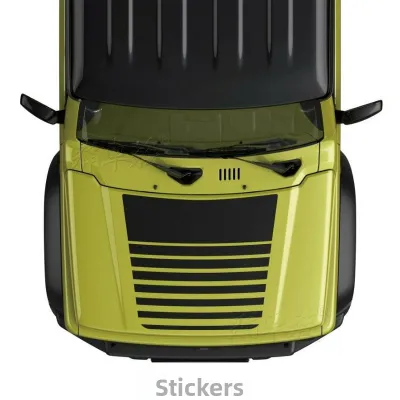
4 Lazada user ratings
Item arrived on time, properly packed, rolled and covered. Item feels sturdy enough. Will give final review once installed.
The material is really good and feels trustworthy to use.

21 Lazada user ratings
Really great friends, really great stickers, really great experience!
Vibrant colors, exquisite craftsmanship, great results!
Great stickers, thick and beautifully made.
Really great and I love it!
Really great, I love it!
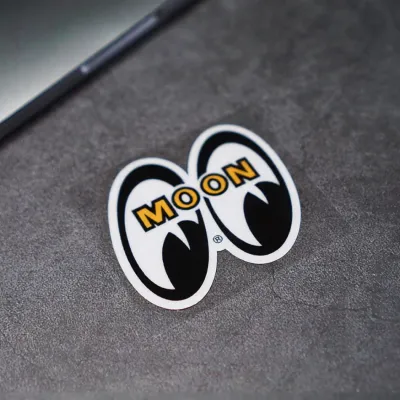
3 Lazada user ratings
quality and appearance perfect!
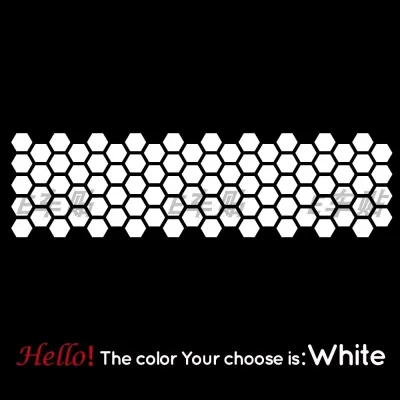
13 Lazada user ratings
Stick it on your bike wheels for a colorful, cool light show, really flashy.
Easy to apply,
23 Lazada user ratings
🛠️Durability: cghjkkkkkkvvf vguh hi iiifr drrtbhyuuhggff ffghyyfffgfrr bhjhdffhhuffrt hhuuhgf ok
🎨Design:Waterproof and fade proof,
quality ok naman
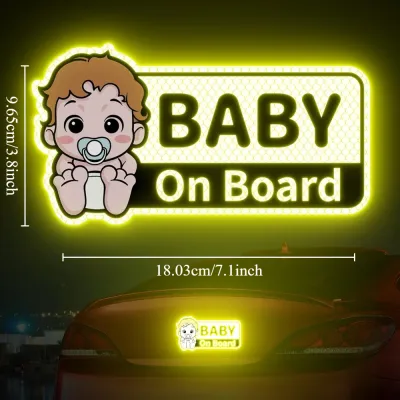
122 Lazada user ratings
🎨Design:Bright color visibility,
Ok na ok sya lalo na pag gabi
Bright color visibility,
Modern style design,
Prices are valid at publication and may change. Please refer to the product page for the latest price.
Heavy rainfall and persistent tropical humidity introduce severe moisture-related stresses. During torrential downpours, water molecules actively seek out microscopic imperfections along the edges of the sticker. If the adhesive backing is susceptible to moisture, water will slowly seep underneath through capillary action, weakening the bond and causing the edges to lift. Once edge lifting begins, wind resistance during driving quickly peels the rest of the sticker away.
Furthermore, the daily cycle of heating and cooling creates continuous mechanical stress along the sticker’s boundaries. During the day, your car’s metal panels expand as they absorb solar heat, and they rapidly contract during sudden afternoon rainstorms or cooler night temperatures. Because vinyl and metal expand and contract at different rates, the adhesive layer must constantly shear and stretch to maintain its grip. Over time, this thermal cycling fatigues low-quality adhesives, leading to bond failure particularly around complex body curves and panel gaps.
Key Material Features for Heat and Rain Resistance
To find a sticker that can withstand these intense environmental forces, you must check the manufacturer’s specifications for the vinyl’s manufacturing process. Car decorative stickers are generally made from either cast or calendered vinyl. Calendered vinyl is produced by rolling heated plastic through heavy rollers, which leaves the material with an inherent physical memory of its original, flat shape. Under intense heat, calendered vinyl attempts to shrink back to that original form, leading to edge curling. Cast vinyl, however, is manufactured by pouring a liquid mixture onto a casting sheet, resulting in an incredibly stable, stress-free film that does not shrink and easily conforms to complex automotive curves.

Another critical feature to verify is the presence of a dedicated protective overlaminate layer. This clear, secondary film is applied directly over the printed graphics to shield them from physical abrasion and solar degradation. High-quality overlaminates contain advanced UV inhibitors that absorb harmful solar radiation before it can reach and fade the printed ink. When evaluating stickers, look for products that explicitly specify a UV-blocking or UV-resistant overlaminate on their packaging or technical data sheets.
Finally, always look for waterproof ratings, weather-resistant certifications, and outdoor lifespan estimates explicitly stated on the product labels. Reputable manufacturers test their films under simulated weathering conditions and provide clear durability ratings. While these ratings are often based on standard testing environments, they serve as an essential benchmark for comparing material quality. Ensure the product is certified for exterior automotive use, indicating it can resist water, road salt, and mild environmental acids.
Evaluating Adhesives for Humid Conditions and Paint Safety
The adhesive backing is the critical interface between the decorative sticker and your vehicle’s clear coat. Before purchasing, review the manufacturer’s guidelines to verify the application and service temperature thresholds. The application temperature is the window required for the adhesive to form an initial bond, while the service temperature represents the extreme limits the cured adhesive can withstand. For the Philippine climate, the adhesive must have a service temperature rating that comfortably exceeds 80°C, as dark-colored car panels parked under direct sunlight can easily reach these extreme temperatures.
Adhesives are generally formulated as either water-based or solvent-based acrylics. Water-based adhesives are economical but highly vulnerable to tropical humidity and heavy rain, which can cause the adhesive to re-emulsify, lose its tackiness, and slide off the vehicle. In contrast, solvent-based acrylic adhesives use chemical solvents to create a permanent, cross-linked bond that is completely impervious to water once fully cured. For any exterior automotive application, verifying the use of a solvent-based adhesive is essential for long-term durability.
Additionally, check the manufacturer’s surface compatibility charts to ensure the adhesive is safe for your specific vehicle substrates. High-quality automotive adhesives are engineered to bond securely to original equipment manufacturer (OEM) clear coats, glass, and high-energy plastics without causing chemical damage. However, aftermarket paint, fiberglass, or textured plastic trim may react differently. Verifying compatibility beforehand ensures the sticker will adhere properly without bonding so aggressively that it damages the clear coat during eventual removal.
Installation and Care Rules for Maximum Lifespan
Even the highest-quality sticker will fail prematurely if the installation surface is not meticulously prepared. The vehicle panel must be completely free of road grime, wax, grease, and detailing sprays, as any residual contaminants will prevent the adhesive from making direct contact with the clear coat. Clean the application area thoroughly using a dedicated wax remover or a mixture of isopropyl alcohol and water, and ensure the panel is completely dry and lint-free before applying the vinyl. When selecting the mounting position, always consult your vehicle’s documentation and local road safety regulations to ensure the stickers do not obstruct driver visibility, cover essential safety sensors, or violate lighting laws.
The environmental conditions during installation are equally critical to the adhesive’s curing process. Avoid applying stickers in direct sunlight or on hot car panels, as the heat will cause the adhesive to grab instantly, trapping air bubbles and preventing proper alignment. High humidity, wind, and dusty outdoor environments should also be avoided. The ideal installation environment is a shaded, clean, and well-ventilated garage or carport where the temperature is moderate, allowing the adhesive to cure and bond undisturbed.
Proper maintenance is vital to preserving the sticker’s edges and adhesive bond over time. When washing your vehicle, avoid directing high-pressure water jets from a pressure washer directly at the edges of the decal, as the intense force can easily lift the vinyl and drive water underneath. Use a soft microfiber mitt and a mild, pH-neutral car shampoo to gently clean around the sticker. When cleaning the sticker or removing adhesive residue, only use care products and solvents that are explicitly label-authorized for automotive clear coats; generic household solvents can permanently damage your vehicle’s paint, plastics, or rubber seals.
Frequently Asked Questions (FAQ)
Can I apply car stickers during the rainy season?
Yes, you can apply car stickers during the rainy season, but you must take extra precautions to ensure a successful bond. The primary risk during high-humidity periods is trapping microscopic moisture droplets on the vehicle’s surface, which prevents the adhesive from curing properly and leads to bubbling and premature peeling. To avoid this, always perform the installation in a fully covered, dry, and well-ventilated environment. Ensure the car panel is completely dry by wiping it down thoroughly and allowing any residual ambient moisture to evaporate before applying the vinyl.
How do I safely remove a sun-baked sticker without damaging the paint?
To safely remove a sticker that has become brittle and heavily bonded due to extreme heat, begin by applying gentle, controlled heat using a household hair dryer or a heat gun on its lowest setting. Keep the heat source moving constantly to avoid blistering the vehicle’s clear coat. Once the vinyl and adhesive are softened, slowly peel the sticker back at a sharp angle. If the sticker fractures into tiny pieces or you feel excessive resistance that suggests the paint might lift, stop immediately. Apply a paint-safe, label-authorized adhesive remover to dissolve the remaining residue, and avoid using metal scrapers or abrasive pads that cause micro-scratches. If the sticker remains fused, consult a professional automotive detailer to prevent permanent damage to your vehicle’s finish.
Community discussion
Share your experience or ask a question. Comments are reviewed before publication.