
Choosing the right motorcycle clutch plates, springs, and bearings is essential for maintaining smooth power delivery, preventing slippage, and ensuring a comfortable ride. Whether you are navigating the daily gridlock of metropolitan streets or climbing steep mountain passes, your motorcycle’s clutch assembly is under constant thermal and mechanical stress. Selecting the appropriate replacement components—often categorized alongside other clutch parts—requires a precise understanding of your vehicle’s specifications, your typical riding environment, and the material properties of the parts you install.
Clutch Plates Explained: Friction Materials and Thickness
To understand how a clutch functions, you must first distinguish between the two types of plates housed inside the clutch basket: friction plates and steel (separator) plates. Friction plates are coated with an abrasive material and lock onto the outer clutch basket, which spins with the engine’s crankshaft. Steel plates sit between each friction plate and lock onto the inner clutch hub, which connects directly to the transmission input shaft. When you release the clutch lever, the springs compress these plates together, locking them into a single rotating mass that transfers power to the rear wheel.
The material composition of your friction plates directly dictates how your motorcycle handles power transfer and heat:
Products mentioned in this guide
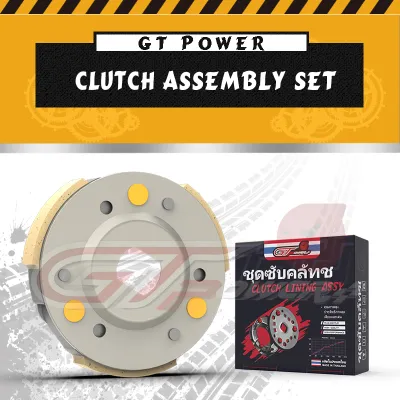
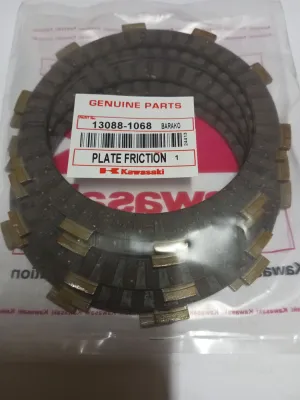
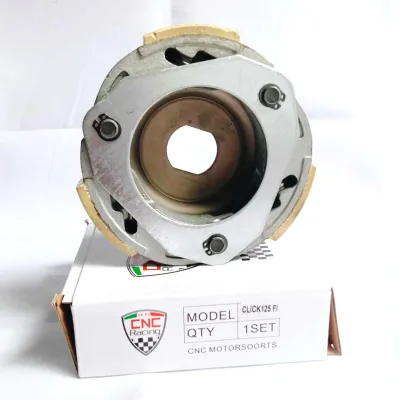
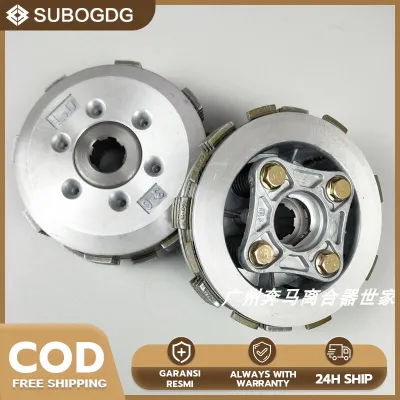
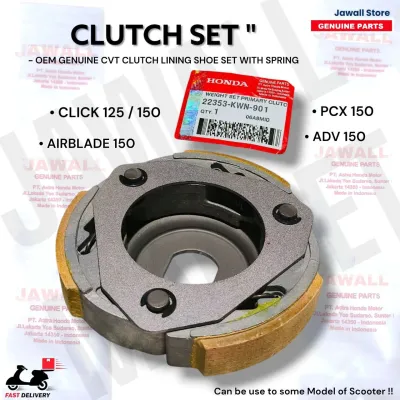
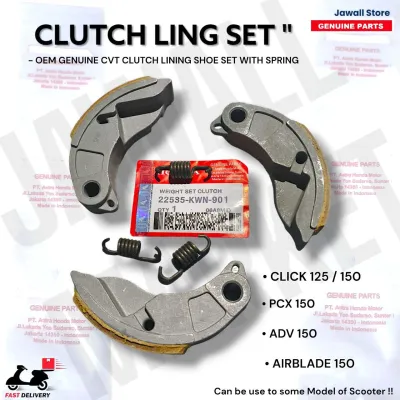
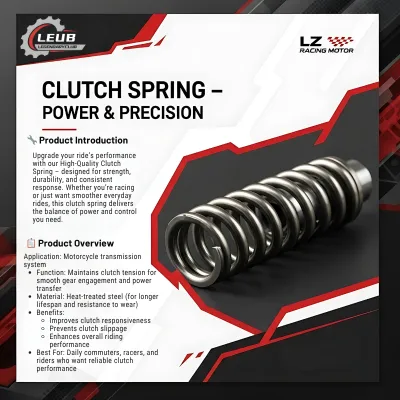
Prices are valid at publication and may change. Please refer to the product page for the latest price.
- Organic or Cork-Based: Standard for daily commuter motorcycles. They offer smooth, predictable engagement and a forgiving bite point, making them easy to manage in stop-and-go traffic. However, they are prone to accelerated wear and glazing under extreme heat or heavy loads.
- Kevlar: Known for high durability and exceptional thermal resistance, Kevlar plates are ideal for riders who carry heavy loads or travel long distances. They resist glazing much better than organic plates, though they require a slightly longer break-in period.
- Carbon or Ceramic: Designed for aggressive, high-performance, or racing applications. They provide an immediate, positive grip and can withstand extreme operating temperatures. The trade-off is a very grabby engagement feel that is often too harsh for casual street riding.
Beyond material choice, individual plate thickness is a critical specification that dictates the overall clutch stack height. The stack height is the cumulative thickness of all friction and steel plates measured together. Deviating from the manufacturer’s specified stack height can severely compromise your transmission’s operation. If the stack is too tall, the clutch pressure plate cannot lift far enough to fully separate the plates, leading to clutch drag, difficult gear shifts, and trouble finding neutral. If the stack is too short, the clutch springs cannot apply sufficient clamping force, resulting in severe clutch slippage and rapid acceleration wear. Always use a vernier caliper to verify individual plate thickness against your motorcycle’s official service manual rather than assuming aftermarket parts are a universal fit.
Clutch Springs Decoded: Spring Rate and Free Length
Clutch springs provide the mechanical clamping force required to hold the friction and steel plates firmly together. The stiffness of these springs, known as the spring rate, directly influences both the holding capacity of your clutch and the physical effort required to pull the clutch lever.

Upgrading to stiffer, heavy-duty springs increases the clamping pressure on the plate stack, preventing clutch slippage under high torque or heavy cargo loads. However, this performance benefit comes with a distinct trade-off: a significantly heavier, more fatiguing clutch lever pull. For riders who spend their daily commutes navigating congested urban roads, the constant squeezing of a stiff clutch lever can quickly lead to severe hand and forearm fatigue. Unless you have significantly modified your engine’s power output or frequently haul heavy loads, sticking to OEM-spec spring rates is generally the best choice for daily comfort.
To evaluate the health of your existing springs during maintenance, you must measure their uncompressed “free length.” Over thousands of kilometers of heat cycles and mechanical compression, steel clutch springs gradually lose their tension and sag. Using a vernier caliper, measure each spring from end to end and compare the values to the service limit specified in your motorcycle’s service manual. If any spring measures below the minimum allowable free length, the entire set must be replaced. Reusing sagged springs will result in inadequate clamping pressure, causing your brand-new friction plates to slip and burn out prematurely.
Clutch Release Bearings and Other Clutch Parts: Compatibility and Wear Signals
The clutch release bearing, often referred to as the throw-out bearing, plays a vital mechanical role in ensuring smooth clutch disengagement. When you pull the clutch lever, the actuator mechanism pushes against this bearing, which in turn pushes the pressure plate outward to release the tension on the clutch pack. Because the pressure plate spins with the engine while the actuator remains stationary, the release bearing absorbs this rotational friction, allowing you to disengage the transmission smoothly.
Because of their precise operating tolerances, release bearings and other clutch parts are highly model-specific. Dimensions, load capacities, and mounting interfaces vary significantly even between different model years of the same motorcycle. Never rely on generic category descriptions or assume a bearing will fit based on visual similarity alone. Always cross-reference the exact Original Equipment Manufacturer (OEM) part number or a verified aftermarket equivalent before making a purchase.
Recognizing the early warning signs of a failing release bearing can save you from a sudden breakdown on the road:
- Gritty or Notchy Lever Feel: If you feel a rough, stepped, or grinding sensation through the clutch lever when pulling it in, the bearing's internal balls or races may be pitted or worn.
- Unusual Mechanical Noises: A worn bearing often produces a distinct whining, rumbling, or squealing noise when the clutch lever is pulled in. This noise typically quietens down or disappears completely when you release the lever.
- Uneven Disengagement: If the bearing does not slide smoothly along its guide, the pressure plate may lift unevenly, causing the clutch to drag or engage unpredictably.
Because accessing the release bearing requires removing the clutch cover and pressure plate, it is highly recommended to replace this bearing as a preventative measure whenever you perform a full clutch teardown. The cost of a replacement bearing is relatively low, whereas the labor or personal effort required to open the engine casing a second time to replace a failed bearing shortly after installing new plates is substantial.
Matching Clutch Specs to Your Riding Scenario
Selecting the right combination of plates, springs, and bearings requires balancing your motorcycle’s mechanical requirements with your typical riding conditions. In the Philippines, where riders regularly face a combination of extreme tropical heat, dense urban traffic, and steep provincial terrain, matching your components to your environment is essential for longevity.
If your primary riding consists of daily urban commuting through heavy city traffic, your main priorities are comfort, smooth engagement, and a light lever pull. For this scenario, standard organic friction plates paired with OEM-spec springs are highly recommended. This combination provides a gentle, predictable bite point and minimizes hand fatigue, while easily handling the typical operating temperatures of small-to-medium displacement commuter bikes. Standard replacement kits for these models are widely available and typically range from ₱1,500 to ₱3,500.
If you regularly use your motorcycle for long-distance touring, carry heavy luggage or passengers, or frequently climb steep provincial roads—such as the scenic routes through Benguet or Tagaytay—your clutch faces sustained thermal loads and high stress. In this scenario, upgrading to highly durable Kevlar friction plates and slightly stiffer heavy-duty springs is a wise investment. The Kevlar material resists heat glazing during prolonged climbs, while the stiffer springs prevent slippage under heavy loads, ensuring reliable power delivery when you need it most.
Regardless of the components you choose, always consult your motorcycle’s official service manual to verify the exact OEM specifications, torque values for the spring bolts, and overall stack height limits before finalizing any purchase. Proper installation is just as critical as the quality of the parts. Ensure that you pre-soak new friction plates in clean engine oil for at least several hours before installation, and verify that your clutch cable free-play is adjusted correctly. Because transmission work directly impacts your vehicle’s safety and control, consider seeking professional installation from a qualified mechanic if you do not possess the specialized tools or experience required for the task.
Frequently Asked Questions (FAQ)
Can I mix different brands of friction and steel plates?
Mixing different brands of friction and steel plates within the same clutch pack is highly discouraged. Different manufacturers use varying material formulations, surface textures, and thickness tolerances. Mixing these parts can lead to uneven wear, inconsistent heat distribution, and unpredictable engagement. To ensure smooth operation and prevent premature failure, always install a complete, matched clutch plate set from a single reputable manufacturer.
Should I always replace clutch springs when installing new plates?
While it is not strictly mandatory if your existing springs measure within the service manual’s allowable free-length limits, replacing your clutch springs during a plate installation is highly recommended. Over time, older springs lose their tension even if they meet the minimum length requirements. Reusing fatigued springs can lead to insufficient clamping force, causing your brand-new friction plates to slip, overheat, and glaze prematurely. Replacing the springs is a low-cost preventative measure that protects your investment in new plates.
Community discussion
Share your experience or ask a question. Comments are reviewed before publication.