
Riding a motorcycle at night on Philippine roads presents a unique set of challenges. From unlit provincial highways and sudden tropical downpours to unpredictable traffic patterns in dense urban areas, maintaining high visibility is one of the most effective ways to protect yourself. While high-quality motorcycle jackets provide essential abrasion and impact protection, they are often dark in color and difficult for other motorists to spot in low-light conditions. Adding a dedicated reflective motorcycle vest over your standard riding gear significantly increases your visual profile, giving drivers more time to react.
Choosing the right reflective vest involves balancing visibility, comfort, and durability. In a tropical climate characterized by high humidity and sudden weather shifts, a poorly chosen vest can quickly become uncomfortable, hot, or even hazardous if it flaps excessively at highway speeds. Rather than relying on unverified marketing claims or aesthetic appeal, riders must evaluate specific material standards, structural designs, and fit adjustments to ensure maximum nighttime protection. This guide outlines the essential factors to consider when selecting a reflective vest tailored for night riding in the Philippines.
Key Features to Evaluate for Nighttime Visibility
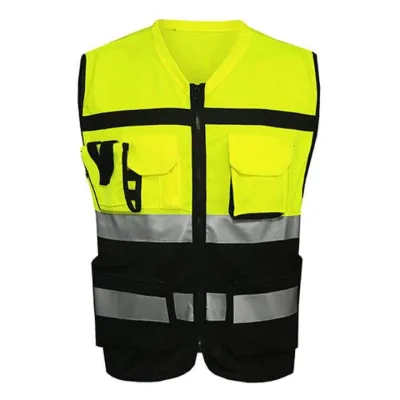
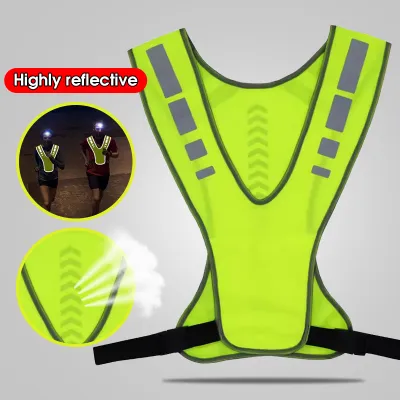
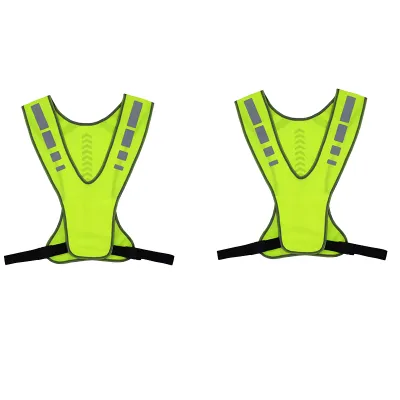
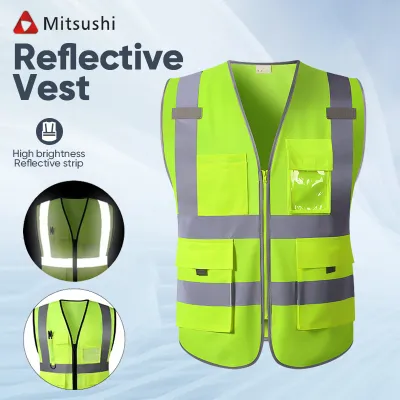
To maximize your safety during night rides, the reflective vest must be engineered to catch and return light from all angles. The primary feature to evaluate is the placement, width, and pattern of the reflective elements. True 360-degree visibility requires reflective strips that run horizontally across the chest and lower back, as well as vertically or diagonally over the shoulders. This configuration ensures that whether a vehicle is approaching you from the front, rear, or side intersections, its headlights will strike a reflective surface. Look for vests with reflective bands that are at least 50 millimeters wide, as narrower strips may not return enough light to be easily noticed from a distance.
Products mentioned in this guide
Prices are valid at publication and may change. Please refer to the product page for the latest price.
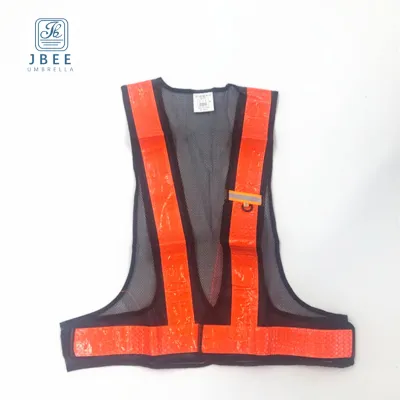
The base material of the vest is equally critical, especially given the tropical climate of the Philippines. Solid, non-breathable polyester fabrics trap body heat and sweat, leading to rapid rider fatigue and discomfort during long night rides. To combat this, look for vests that utilize heavy-duty polyester mesh panels. These mesh sections allow continuous airflow, keeping you cool even when riding through slow-moving city traffic. Additionally, the material should have water-resistant properties or be quick-drying to handle sudden monsoon rains. A waterlogged vest not only becomes heavy and uncomfortable but can also temporarily reduce the effectiveness of certain reflective materials if water pools on the surface.
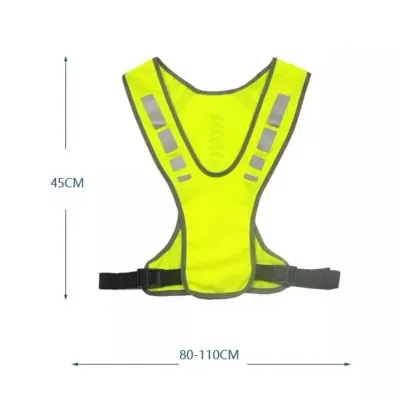
Another vital design element is the closure and adjustment mechanism. When riding at highway speeds, wind resistance can cause a loose vest to flap violently. This flapping is not only highly distracting but can also cause the fabric to wear out prematurely or even obscure your mirrors. To prevent this, high-quality motorcycle vests feature robust closure systems such as heavy-duty, corrosion-resistant zippers, reinforced hook-and-loop fasteners, or adjustable quick-release buckles. Some advanced designs incorporate side expansion panels made of elastic or adjustable webbing straps, allowing you to cinch the vest tightly against your body regardless of the thickness of the jacket underneath.
Sizing and Layering Over Motorcycle Jackets
A common mistake among riders is purchasing a reflective vest based on their standard t-shirt size. Because a safety vest is designed to be worn as an outermost layer, it must comfortably accommodate your armored motorcycle jackets and other protective gear. If the vest is too small, it will compress your jacket’s impact protectors, restrict your arm movement, and make it difficult to perform shoulder checks or reach your handlebars comfortably. Conversely, an oversized vest will balloon in the wind, creating drag and potentially shifting out of place during a ride.

To determine the correct size, you should take physical measurements while wearing your bulkiest armored riding jacket. Use a flexible measuring tape to measure the widest part of your chest, keeping the tape snug but not tight. Next, measure your waist or midsection, especially if your riding jacket features a thermal liner or integrated kidney belt. Once you have these dimensions, compare them directly to the manufacturer’s specific sizing chart. Many reputable riding gear brands design their safety vests with built-in layering allowances, meaning a size “Medium” vest is already patterned to fit over a size “Medium” jacket. However, other brands use standard sizing, which requires you to size up by one or two increments to achieve a proper fit.
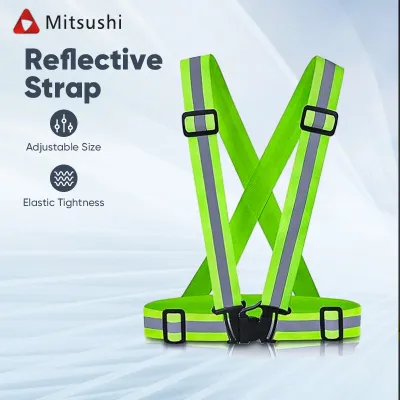
In addition to static measurements, look for vests that offer dynamic adjustability. Adjustable side straps, shoulder toggles, and elasticized side panels are incredibly valuable features. They allow you to customize the fit of the vest depending on your daily gear configuration. For instance, on a hot evening when you are wearing a lightweight mesh jacket, you can tighten the side straps to keep the vest aerodynamic. On cooler nights or during the rainy season when you add a windproof or waterproof liner to your jacket, you can loosen the straps to accommodate the extra bulk without feeling restricted.
Verifying Safety Labels and Reflective Standards
With numerous high-visibility products available on the market, it is essential to distinguish between professional-grade safety gear and cheap, unverified imitations. The most reliable way to verify the quality and performance of a reflective vest is by checking the product tags for recognized international safety standards. Look for certifications such as EN ISO 20471 (the European standard for high-visibility clothing) or ANSI/ISEA 107 (the American national standard). These certifications guarantee that the garment has undergone rigorous testing for retroreflective performance, colorfastness, and structural durability under various environmental conditions.
It is also important to understand the difference between fluorescent materials and retroreflective materials. Fluorescent fabrics, typically in bright neon yellow, green, or orange, are highly effective during daylight and twilight hours because they absorb invisible ultraviolet light and re-emit it as visible light. However, fluorescent colors do not glow in the dark and lose their effectiveness once night falls. For nighttime visibility, you rely entirely on retroreflective materials. These materials contain thousands of tiny glass beads or microprisms that act like mirrors, bouncing the light from oncoming headlights directly back to the driver’s eyes. A high-quality motorcycle vest should combine both elements: a fluorescent base for daytime riding and premium retroreflective strips for nighttime safety.
Before making a purchase, perform a physical inspection of the vest’s construction quality. Examine the stitching along the seams and around the reflective panels; it should be clean, even, and double-stitched to withstand the high-speed wind shear experienced on a motorcycle. Check the edges of the reflective tape to ensure they are fully bonded or stitched to the base fabric. Low-quality vests often use cheap heat-pressed tape that begins to peel, crack, or flake off after only a few rides or exposure to rain. Additionally, inspect the quality of the binding tape along the collar and armholes, as rough or poorly finished edges can chafe against your neck and ruin your riding experience.
Maintenance and Visibility Upkeep
Owning a high-quality reflective vest is only the first step; maintaining its reflective properties is crucial for long-term safety. Reflective materials are sensitive to improper washing, harsh chemicals, and physical abrasion. Over time, dirt, road grime, engine oil, and insect splatters can accumulate on the reflective strips, creating a barrier that prevents light from reaching the retroreflective elements. To keep your vest performing at its best, you must clean it regularly according to the manufacturer’s instructions.
Most manufacturers recommend hand washing reflective vests in cold water using a mild, neutral detergent. Avoid using bleach, fabric softeners, or strong chemical solvents, as these can dissolve the adhesive backing of the reflective tape or degrade the glass beads and microprisms. Never wring or twist the vest to remove excess water, as this can cause micro-cracks in the reflective material. Instead, gently squeeze out the water and hang the vest to air dry in a well-ventilated area away from direct, intense sunlight. Prolonged exposure to harsh UV rays when not riding can fade the fluorescent dye and weaken the synthetic fibers of the vest.
Regularly inspect your vest for signs of wear and degradation. You can perform a simple visibility check in a dark room by holding your smartphone at eye level and taking a photo of the vest with the camera flash turned on. The reflective strips should glow brightly and uniformly in the photo. If you notice dark patches, dull areas, or extensive cracking along the fold lines, the retroreflective properties have degraded, and the vest will no longer provide adequate protection on the road. As a general rule, safety vests should be replaced immediately if they exhibit significant peeling of the reflective tape, permanent staining that covers more than ten percent of the reflective surface, or structural damage such as torn seams or broken zippers.
Frequently Asked Questions (FAQ)
Are reflective vests legally required for motorcycle riding in the Philippines?
The legal requirements for wearing reflective vests while riding a motorcycle in the Philippines can vary depending on your location and the latest regulatory updates. While there have been various national proposals and regional administrative orders discussed by the Land Transportation Office (LTO), enforcement often depends on local government unit (LGU) ordinances. For example, certain cities, municipalities, or provinces have enacted specific local laws mandating the use of high-visibility or reflective vests for all motorcycle riders, particularly during nighttime hours or on specific highways. Riders should always check the latest guidelines issued by the LTO and their local municipal traffic bureaus to ensure compliance. Regardless of whether a strict legal mandate is active in your immediate area, wearing a high-quality reflective vest is highly recommended as a fundamental defensive riding practice to protect yourself on poorly lit roads.
Can I use a standard construction safety vest for motorcycle riding?
While a standard construction safety vest is better than wearing no high-visibility gear at all, it is not recommended for motorcycle riding due to significant design and safety differences. Construction vests are engineered for low-speed, pedestrian work environments where wind resistance is not a factor. They are typically made of lightweight, loose-fitting polyester with simple hook-and-loop closures that easily pull apart under pressure. When worn on a motorcycle at highway speeds, these vests will flap violently, balloon with air, and can slide up your torso, potentially blocking your peripheral vision or covering your side mirrors. Furthermore, construction vests offer zero abrasion resistance and can easily tear apart in a slide, whereas motorcycle-specific reflective vests are constructed from heavy-duty, wind-resistant materials, feature secure zipper closures, and are tailored to fit snugly over armored riding jackets without flapping.
Community discussion
Share your experience or ask a question. Comments are reviewed before publication.