
Finding reliable brake rotors for daily driving in the Philippines requires balancing intense thermal stress from stop-and-go city traffic with the corrosive effects of high tropical humidity and seasonal flooding.
Because safety depends on precise mechanical compatibility, the most reliable brake rotor is not simply a specific brand name. Instead, it is a high-quality component that matches your vehicle’s exact original equipment manufacturer (OEM) specifications and features protective treatments suited for wet, humid climates.
By focusing on verified material compositions, protective coatings, and authorized distribution channels, you can secure dependable braking performance and avoid the safety hazards of substandard or counterfeit parts.
Products mentioned in this guide
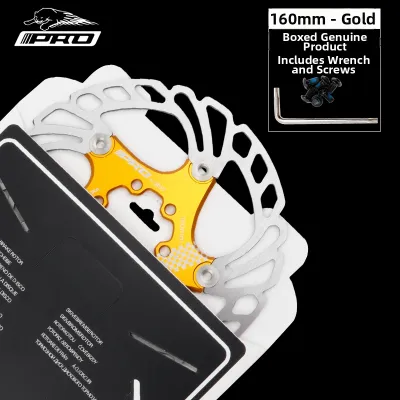
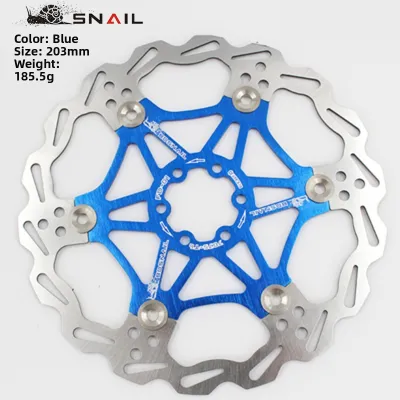
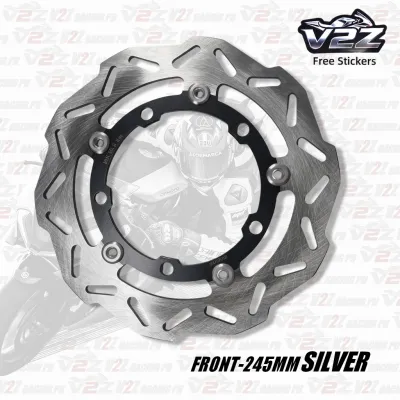
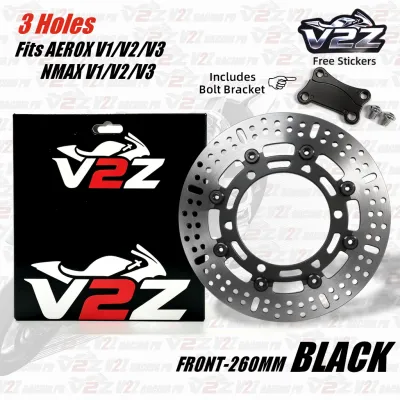
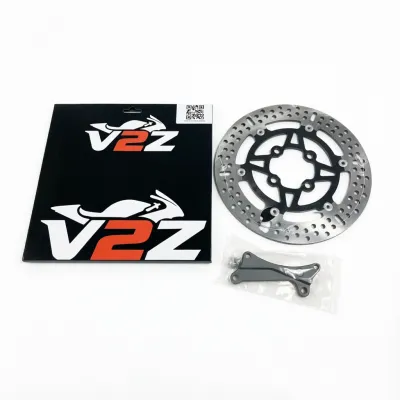
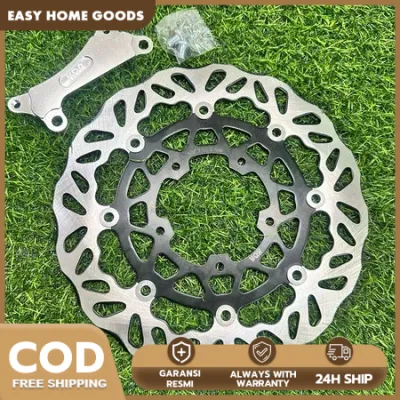
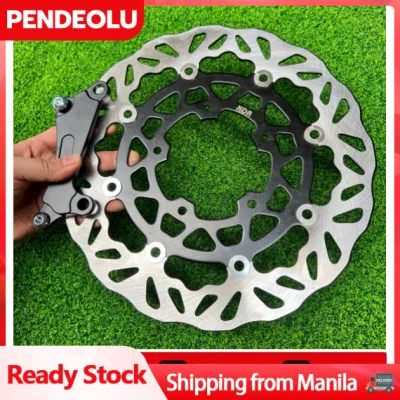
Prices are valid at publication and may change. Please refer to the product page for the latest price.
How Local Driving Conditions Affect Rotor Reliability
Daily commuting in major Philippine urban centers presents a unique set of challenges for braking systems. The prolonged stop-and-go traffic characteristic of metropolitan areas forces drivers to apply brakes frequently at low speeds, preventing adequate airflow from cooling the braking components.
This continuous friction leads to rapid heat buildup within the brake rotors. Over time, this extreme thermal stress can cause the rotor material to expand unevenly, leading to thermal distortion or what drivers commonly experience as pedal pulsation and steering wheel vibration.
Beyond traffic, the tropical climate itself acts as a constant catalyst for wear. High ambient temperatures combined with relative humidity levels that frequently exceed 80 percent accelerate the oxidation of bare cast iron.
This leads to rapid surface rust on the rotor hat, cooling vanes, and outer edges. While a thin layer of rust on the contact patch is swept away during initial braking, unchecked corrosion on the internal cooling vanes can weaken the rotor’s structural integrity and reduce its ability to dissipate heat efficiently.
Seasonal weather shifts introduce sudden thermal shocks. During the monsoon season, vehicles frequently navigate flooded streets or encounter deep puddles immediately after prolonged braking.
When a hot brake rotor is suddenly submerged in cold rainwater, the rapid, uneven cooling causes severe thermal shock. This sudden contraction can lead to micro-cracking along the rotor surface or cause the disc to warp permanently, necessitating immediate replacement to restore safe stopping power.
Physical Traits That Indicate a Durable Brake Rotor
When evaluating replacement brake rotors, drivers should look past marketing claims and inspect the physical and material specifications provided by the manufacturer. The foundational element of any durable rotor is its metallurgy.

Standard replacement rotors are typically cast from gray iron, which offers adequate thermal conductivity and dampening. However, for vehicles subjected to heavy loads or demanding commutes, high-carbon alloy rotors provide superior thermal stability.
The increased carbon content allows the rotor to handle higher temperatures without cracking or warping. You can verify this by checking the material specifications on the product packaging or the manufacturer’s official technical datasheet.
Surface protection is another critical indicator of longevity in humid environments. Uncoated rotors quickly develop unsightly and damaging rust.
To combat this, reputable manufacturers apply specialized surface treatments, such as geometric coatings, zinc plating, or electrostatically applied paint, particularly on the non-contact areas like the rotor hat and internal vanes.
These coatings act as a barrier against moisture and road salt, preventing rust from taking hold and ensuring the cooling vanes remain clear and functional over years of service.
Finally, high-quality manufacturing is visible in the machining precision of the disc. Look for rotors that feature clean, uniform cooling vanes and precise balance cuts.
Many premium rotors undergo mill-balancing during production, where small amounts of material are machined from the edges to ensure the rotor spins without any lateral runout.
High-precision machining ensures that the rotor face is perfectly flat and parallel, minimizing the risk of brake judder and ensuring consistent pad contact from the moment of installation.
Comparing Rotor Designs for Daily Commuting
Selecting the right rotor design involves matching the disc surface to your daily driving habits and maintenance preferences. For the vast majority of daily commuters in the Philippines, standard smooth rotors are the most practical and reliable choice.
Smooth rotors provide the maximum surface area for brake pad contact, which translates to consistent, predictable stopping power and quiet operation. They also promote even brake pad wear, extending the lifespan of your entire braking system.
Because they lack surface interruptions, smooth rotors are less prone to structural cracking under thermal stress and are highly cost-effective for daily city driving.
Slotted and drilled rotors are often sought after for their performance appearance, but they serve specific functional purposes that come with distinct trade-offs.
Slotted rotors feature shallow grooves across the face to help channel away water, brake dust, and gasses that build up between the pad and the rotor during hard braking. This can be beneficial during heavy downpours to maintain immediate bite.
Drilled rotors feature holes through the disc to aid in rapid cooling. However, for standard daily commuting, these designs are generally unnecessary.
The holes in drilled rotors can act as stress-concentration points, increasing the risk of micro-cracking under the rapid thermal cycles of tropical driving. Furthermore, both slotted and drilled surfaces act like a grater against brake pads, accelerating pad wear and producing more brake dust and noise.
For most passenger cars, sports utility vehicles, and family crossovers, sticking strictly to OEM-equivalent specifications is the safest and most reliable path.
Vehicle manufacturers design braking systems with specific weight distributions, hydraulic pressures, and thermal capacities in mind. Altering these parameters with aggressive aftermarket designs without upgrading other system components can disrupt the vehicle’s braking balance and compromise safety.
How to Verify Quality and Avoid Counterfeit Rotors
The Philippine automotive aftermarket contains a wide variety of replacement parts, making it essential to verify the authenticity of your brake rotors before installation. Counterfeit braking components pose a severe safety risk, as they are often cast from inferior scrap metals with poor thermal properties and inadequate structural strength.
To protect yourself, always inspect the packaging carefully. Genuine manufacturers package their rotors in heavy-duty, branded boxes that feature secure sealing, high-quality printing, and often security holograms or QR codes that link directly to a verification portal.
Cross-reference the part numbers printed on the box with the official online catalog of the brand to ensure the dimensions match your vehicle model and year.
Another reliable verification method is to inspect the physical rotor itself. Reputable brands cast or permanently stamp essential safety information directly onto the rotor hat or outer edge.
This stamping typically includes the brand name, the part number, the production batch code, and—most importantly—the minimum thickness limit marked as “Min Thk” in millimeters. If a rotor lacks these permanent markings, or if the stamping is faint, uneven, or misspelled, it is highly likely a substandard imitation.
Be vigilant against warning signs of counterfeit products during the purchasing process. Suspiciously low pricing in ₱ compared to authorized dealer rates is a primary red flag.
If a deal seems too good to be true, the product likely compromises on raw material quality and manufacturing standards.
Additionally, inspect the physical finish of the rotor; rough, unfinished edges, uneven cooling vanes, or an unusually light weight compared to the rotor being replaced are clear indicators of poor quality control. Always purchase braking components from authorized distributors or established, reputable auto supply shops to guarantee product authenticity.
Decision Framework: Choosing the Right Rotor Setup
To simplify your selection, use this structured framework to match your driving profile with the correct rotor specifications:
First, choose standard OEM-equivalent smooth rotors if your daily commute consists of typical city driving, highway cruising, and standard family transport. This setup prioritizes maximum pad life, quiet operation, and excellent cost-effectiveness, making it the ideal choice for drivers who want reliable, fuss-free performance without unnecessary maintenance overhead.
Second, opt for coated or high-carbon smooth rotors if you frequently drive in highly corrosive environments, such as coastal provinces, or if your daily route involves severe stop-and-go traffic on steep terrain. The protective coating will prevent premature rust from salt air and humidity, while the high-carbon metallurgy will provide the thermal resilience needed to resist warping under heavy, repeated braking.
Third, always verify your selection with a qualified mechanic before purchasing or installing any braking components. A professional technician can inspect your vehicle’s calipers, pads, and brake lines to ensure complete system compatibility.
If you are considering upgrading to slotted or drilled rotors, or modifying your braking system beyond factory specifications, professional guidance is essential to maintain proper brake bias and ensure your vehicle remains safe and road-legal.
Frequently Asked Questions (FAQ)
How often should brake rotors be replaced in heavy traffic?
Brake rotors do not have a fixed mileage interval for replacement, especially under the demanding conditions of heavy city traffic. Instead, their lifespan is determined by physical wear and structural condition.
You must replace your rotors when they wear down to or below the minimum thickness specification stamped on the rotor edge. A qualified mechanic can measure this using a micrometer during routine maintenance.
Other clear indicators that replacement is necessary include the formation of a pronounced lip along the outer edge of the rotor face, deep scoring or grooving on the friction surface, or persistent steering wheel vibration and pedal pulsation when applying the brakes.
Can I mix different brake rotor brands on the same axle?
No, you should never mix different brake rotor brands, designs, or wear levels on the same axle. Installing mismatched rotors on the left and right sides of your vehicle can lead to dangerous braking imbalances.
Different brands may use slightly different iron alloys, cooling vane configurations, and surface finishes, resulting in variations in weight, heat dissipation, and friction coefficients.
This imbalance can cause the vehicle to pull violently to one side during hard braking, compromise the effectiveness of your anti-lock braking system (ABS), and lead to uneven tire and pad wear. Always replace brake rotors in pairs across the same axle to ensure symmetrical, predictable stopping performance.
Community discussion
Share your experience or ask a question. Comments are reviewed before publication.