
Equipping your Suzuki Smash 115 with the right accessories can transform a basic daily commute into a highly efficient, comfortable, and organized journey. As one of the most popular underbone motorcycles on the road, this model serves as a reliable workhorse for daily riders, delivery partners, and weekend travelers alike. However, because the aftermarket landscape is flooded with generic components, finding parts that fit perfectly without compromising safety requires a methodical approach. Selecting the ideal phone holder, top box, guard bars, and decals involves understanding the physical dimensions of your motorcycle, the environmental challenges of tropical riding, and the mechanical limits of the underbone chassis.
Essential Compatibility and Safety Checks Before You Buy
The Suzuki Smash 115 has undergone subtle design updates over its production lifespan. While the core frame remains largely consistent, minor changes in fairing shapes, mounting tab locations, and electrical wiring layouts can prevent a “universal” accessory from fitting correctly. Always cross-reference the accessory’s specifications with your motorcycle’s exact manufacturing year rather than relying solely on the model name.
Any accessory mounted near the front of the motorcycle must not restrict the movement of the handlebars. Before finalizing any installation, perform a full lock-to-lock steering test by turning the handlebars completely to the left and right. Ensure that cables, brake lines, and wiring harnesses are not pinched, stretched, or pressed against the fairings, as this can lead to sudden control loss or electrical short circuits.
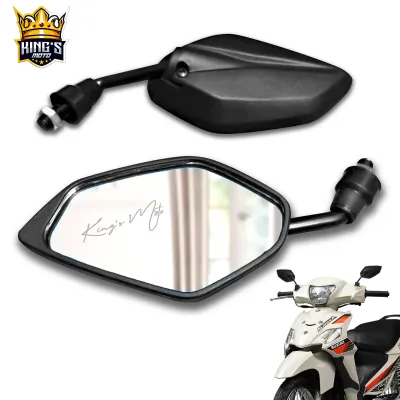
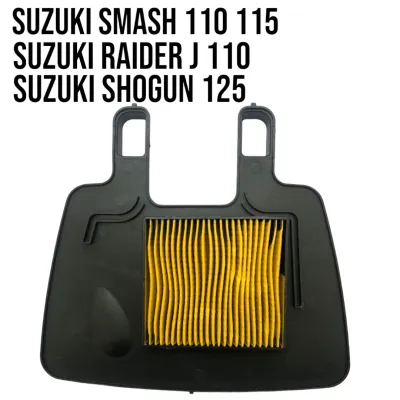
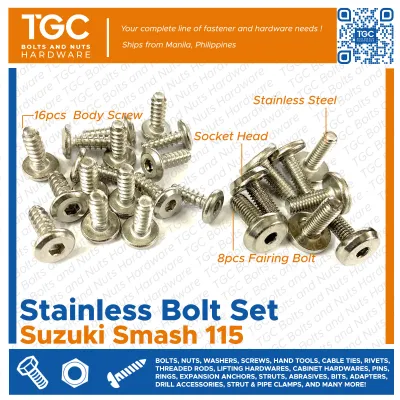
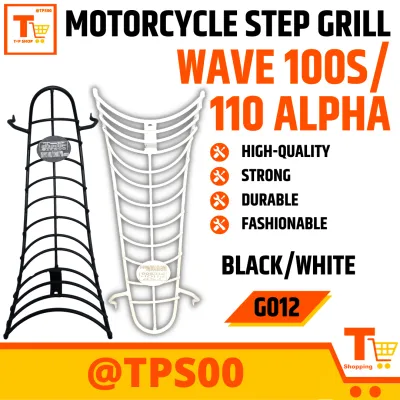
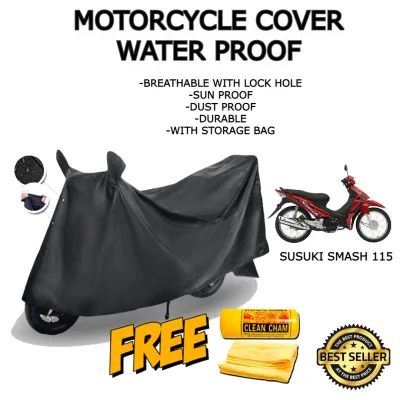
Products mentioned in this guide
![GPC Suzuki Smash 115 Rear Brake Shoe Set [54410B23F10N000]](https://img.lazcdn.com/g/p/f710f9f52d046300f5ea41a663c7e12a.jpg_400x400q80.jpg_.webp)
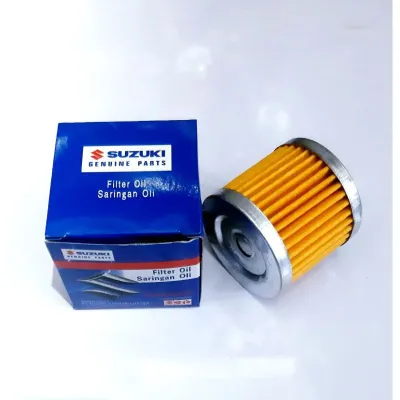
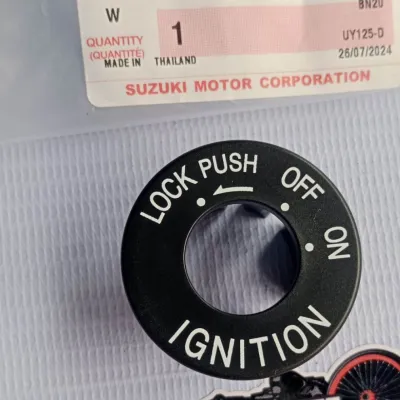
Prices are valid at publication and may change. Please refer to the product page for the latest price.
Adding accessories like USB chargers, auxiliary lights, or GPS trackers requires tapping into the motorcycle’s electrical system. The Smash 115 utilizes a compact stator and battery setup designed primarily for stock lighting and ignition. Overloading this system can drain the battery or damage the charging circuit. Always consult the original vehicle documentation or a qualified motorcycle electrician before splicing into any factory wiring.
The frame of an underbone motorcycle is optimized for light weight and agility. Mounting heavy accessories or carrying excessive cargo can alter the center of gravity and stress structural weld points. Avoid drilling into the main frame or modifying load-bearing brackets, as these actions can compromise the structural safety of the vehicle and potentially void manufacturer warranties.
How to Choose a Reliable Phone Holder
Unlike naked street bikes with exposed metal handlebars, the Smash 115 features fully enclosed plastic fairings around the steering column. This design prevents the use of standard handlebar clamp mounts. Instead, riders must look for mirror stem mounts or specialized bracket extensions that attach directly to the side mirror mounting threads. These brackets elevate the mounting point, providing a clear view of the screen without obstructing the instrument panel.

Single-cylinder engines naturally produce high-frequency vibrations, especially at higher engine speeds. When transmitted directly through the motorcycle frame to a rigidly mounted phone holder, these vibrations can permanently damage the delicate optical image stabilization systems found in modern smartphone cameras. To prevent this, prioritize phone holders equipped with integrated vibration dampeners or rubberized isolation modules that absorb high-frequency resonance.
A reliable phone holder must withstand rough road surfaces, potholes, and sudden speed bumps. Look for mounts constructed from high-grade aluminum alloys or reinforced engineering plastics rather than cheap, brittle polymers. The clamping mechanism should feature a secure locking system, such as a screw-tightened clamp or a spring-loaded jaw with a secondary manual lock, ensuring the phone remains firmly in place even during sudden jolts.
Riding in a tropical climate means encountering sudden downpours and intense sunlight. While fully enclosed waterproof phone cases offer excellent rain protection, they can trap heat, leading to smartphone overheating and automatic shutdown during hot midday rides. An open-face mount paired with a water-resistant phone or a quick-deploy silicone rain cover often provides the best balance of cooling and weather protection.
Selecting a Top Box and Rear Rack System
The foundation of any rear luggage system is the rack. The Suzuki Smash 115 comes equipped with a stock rear grab rail, which is not designed to support the mounting plate of a top box directly. To install a top box safely, you must replace this grab rail with a dedicated, model-specific rear rack. Verify that the rack’s mounting brackets align perfectly with the factory bolt holes on the motorcycle’s frame to ensure a secure, non-destructive installation.
Placing a heavy top box far behind the rear axle acts as a lever, shifting the motorcycle’s center of gravity rearward. This shift lightens the front wheel, which can severely compromise steering precision, front-tire traction, and overall stability, particularly when cornering or riding on wet roads. Keep the cargo weight within the limits specified by both the rack manufacturer and the motorcycle’s owner’s manual.
Top boxes are generally available in lightweight plastic (such as polypropylene) or rugged aluminum. For an underbone motorcycle like the Smash 115, a compact plastic box ranging from 30 to 45 liters is typically ideal. This size provides ample space for a single full-face helmet and daily essentials without overwhelming the motorcycle’s physical profile or adding unnecessary aerodynamic drag.
A high-quality top box system features a quick-release base plate that bolts securely to the rear rack. This allows you to detach the box easily when parking in unsecured areas or when the extra storage is not needed. Ensure the locking mechanism is robust, with a reliable key system that secures both the box lid and the box-to-plate connection to prevent theft and accidental detachment while riding.
Evaluating Guard Bars for Engine and Body Protection
Guard bars, often referred to as crash guards or engine protectors, are designed to shield the motorcycle’s engine cases and plastic fairings from damage during low-speed tip-overs or slides. For the Smash 115, these bars typically mount to the lower frame down-tube and the footpeg assembly. It is crucial to choose guard bars that utilize existing chassis mounting points rather than requiring custom welding, which can weaken the frame’s structural integrity.
Look for bars made from thick-walled, seamless steel tubing with high-quality welds and a durable powder-coated finish to resist rust in humid environments. The mounting brackets should be thick enough to absorb and distribute impact forces across multiple frame points rather than concentrating the energy on a single, vulnerable bolt, which could crack the engine casing or bend the frame.
Poorly designed guard bars can protrude too far outward or sit too low to the ground. This can severely limit the motorcycle’s lean angle during cornering, causing the metal bars to scrape against the asphalt and potentially lift the tires off the ground, leading to a crash. Ensure the guard bars follow the natural contours of the Smash 115’s bodywork and do not interfere with your feet when using the gear shifter or rear brake pedal.
Full-coverage crash cages offer maximum protection for the fairings and engine but add significant weight and bulk to the motorcycle, which can affect fuel efficiency and maneuverability in tight traffic. Minimalist engine sliders or frame sliders provide a lighter, more aerodynamic alternative that protects key mechanical components while keeping the motorcycle’s profile slim and agile.
Picking Decals and Stickers for Customization
Customizing your Suzuki Smash 115 with decals and stickers is an excellent way to personalize its appearance while adding a layer of protection to the factory paint. However, the tropical climate presents harsh conditions, including intense ultraviolet radiation and heavy seasonal rains. Standard paper or low-grade vinyl stickers will quickly fade, crack, and peel under these conditions. To ensure longevity, select high-quality polymeric or cast vinyl decals designed specifically for outdoor automotive use.
Premium decals feature UV-resistant laminates that preserve color vibrancy and protect the underlying design from sun damage. Additionally, consider incorporating reflective safety stickers on the side and rear fairings. These stickers utilize microprismatic technology to reflect light back to other motorists, significantly improving your visibility during night rides or heavy downpours when road visibility is compromised.
The key to a long-lasting sticker application lies in meticulous surface preparation. Before applying any decals, thoroughly wash the plastic fairings with a wax-free motorcycle shampoo to remove dirt and road grime. Follow this with a wipe-down using isopropyl alcohol to eliminate any remaining oils, polish, or detailing waxes, which can prevent the adhesive from bonding correctly to the plastic surface.
For large decals or full-body wrap kits, using a dry application method requires a steady hand to avoid trapping air bubbles. Alternatively, a light mist of soapy water on the adhesive side allows you to slide the decal into the perfect position before squeegeeing out the moisture. Using a heat gun or a household hair dryer on a low setting helps soften the vinyl, allowing it to conform smoothly to the complex curves and recessed areas of the Smash 115’s fairings.
Sourcing Accessories and Verifying Seller Claims
When shopping for aftermarket accessories on online marketplaces or at local motorcycle shops, it is easy to be misled by generic product titles. Many sellers label their items as “universal” or “compatible with Smash 115” without verifying the actual fitment. To avoid purchasing incompatible parts, always cross-reference the product descriptions with official manufacturer specifications, dimensions, and mounting diagrams before making a purchase.
Look for online listings that feature customer reviews with uploaded photos or videos of the accessory successfully installed on a Suzuki Smash 115. Pay close attention to comments regarding build quality, ease of installation, and whether any modifications were required. This real-world feedback is often more reliable than the seller’s product description and can save you from the hassle of returning ill-fitting items.
Before finalizing your order on any e-commerce platform, check the seller’s overall rating, response rate, and return policy. Opt for established shops that offer hassle-free returns or warranties on structural components like rear racks and guard bars. Whether you are planning a modest budget of around ₱500 for basic decals or investing upwards of ₱3,000 for a complete heavy-duty rack and top box system, verifying these seller credentials ensures your money is well spent. If you are purchasing from a physical local shop, ask if they offer installation services, as having a professional mount the accessories ensures proper torque specifications and safety compliance.
Frequently Asked Questions (FAQ)
Will installing aftermarket guard bars void my motorcycle warranty?
Generally, installing bolt-on accessories like guard bars does not automatically void the entire motorcycle warranty. However, if an aftermarket accessory causes direct damage to the frame, engine casing, or other components due to improper installation or poor design, the manufacturer may deny warranty claims related to that specific damage. To protect your warranty, choose non-destructive, bolt-on guards that do not require drilling or welding, and consult your authorized dealer before making any structural modifications.
Do I need to drill holes to install a top box on the Smash 115?
No, you do not need to drill holes into your motorcycle’s frame or plastic fairings to install a top box, provided you use a dedicated rear rack designed specifically for the Suzuki Smash 115. These model-specific racks are engineered to bolt directly into the existing mounting points used by the stock rear grab rail. Always avoid universal racks that require custom drilling or modification, as they can weaken the structural integrity of the rear subframe and lead to unsafe riding conditions.

Community discussion
Share your experience or ask a question. Comments are reviewed before publication.