
Navigating the daily hustle of urban commuting requires gear that works as hard as your motorcycle. For riders looking to invest in premium foot protection, finding the right options from Alpinestars Philippines is crucial to balancing safety, comfort, and style. The ideal commuting boot must protect your feet from unpredictable traffic hazards while remaining comfortable enough to wear during long stretches of stop-and-go riding and subsequent walking at your destination.
Selecting the perfect pair involves understanding how different designs handle the unique challenges of tropical climates. While track-focused boots offer maximum armor, they are often too stiff and hot for daily travel. On the other hand, casual shoes may lack the structural reinforcement needed for high-speed impacts. By focusing on the right balance of ventilation, waterproofing, and ergonomic flexibility, you can find a pair of boots that keeps you safe and comfortable throughout your daily journey.
The Real Demands of Daily Commuting in the Philippines
Daily riding in major Philippine metropolitan areas presents a unique set of environmental challenges that quickly expose the limitations of substandard footwear. The primary factor is the extreme seasonal contrast. During the dry season, riders face intense heat rising from the asphalt, which is often compounded by engine heat in slow-moving traffic. Conversely, the monsoon season brings sudden, torrential downpours that can turn streets into fast-flowing streams within minutes. Your footwear must be capable of handling these rapid transitions without leaving your feet soaked or overheated.
Products mentioned in this guide
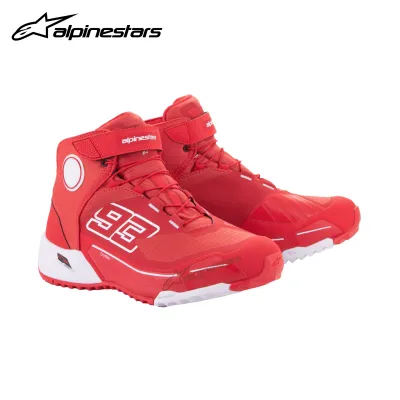
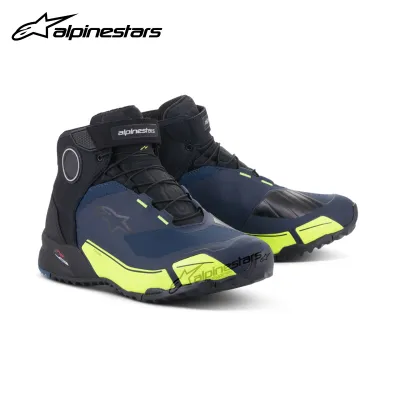
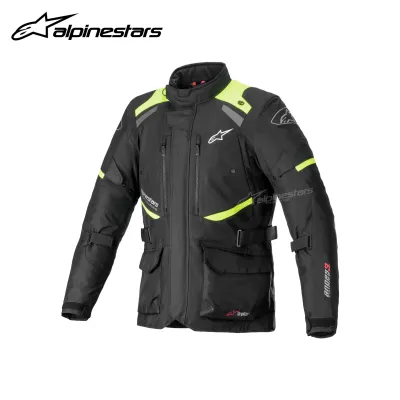
Prices are valid at publication and may change. Please refer to the product page for the latest price.
Stop-and-go traffic is another defining characteristic of the daily commute. Sitting in gridlock on major thoroughfares like EDSA, C5, or Commonwealth Avenue means your feet are constantly touching down to balance the motorcycle. This repetitive motion requires a boot with a highly supportive sole and flexible ankle zones. Heavy traffic also increases the ambient temperature around your lower legs, making highly breathable materials essential to prevent excessive sweating and subsequent discomfort.
Once you reach your destination, the “off-bike” transition begins. Whether you are heading into a corporate office in Bonifacio Global City, walking across a university campus, or running errands in a shopping mall, walking in stiff, squeaky track boots is highly impractical. Commuters need footwear that blends into casual or semi-formal environments while allowing for a natural walking gait. The boot must offer a discreet aesthetic that does not look overly aggressive or out of place when paired with everyday trousers or riding jeans.
Despite the desire for casual comfort, safety cannot be compromised. The high density of vehicles, unpredictable lane changes, and mixed road surfaces increase the risk of minor spills, side-swipes, or getting a foot pinched between vehicles. Footwear must provide robust toe, heel, and ankle protection to guard against impact and abrasion. Striking the perfect balance between this essential armor and daily walkability is the key to choosing the right commuting boot.
Key Features to Prioritize for Tropical Riding with Alpinestars Philippines
When exploring the range of options available from Alpinestars Philippines, understanding technical specifications helps you make an informed decision. The first major decision point is deciding between breathability and waterproofing. Highly ventilated boots feature extensive mesh panels or perforated microfiber uppers that maximize airflow, keeping your feet cool and dry on hot days. However, these models offer virtually no resistance to heavy rain.

If you ride year-round regardless of the weather, waterproof models are highly beneficial. Alpinestars utilizes its proprietary Drystar membrane, as well as premium Gore-Tex liners, to keep water out while allowing moisture vapor to escape. The trade-off is that waterproof boots naturally retain more heat than fully ventilated mesh options. If your commute primarily occurs during dry daylight hours, a highly ventilated boot is generally more comfortable, whereas riders with strict all-weather schedules should prioritize waterproof membranes.
Safety standards are another critical factor to verify before purchasing. Rather than relying solely on product descriptions, look for the official CE certification label, typically located on the inner tongue or shaft of the boot. The CE standard EN 13634 grades footwear based on height, abrasion resistance, impact cut resistance, and transverse rigidity. For daily commuting, prioritize boots that feature:
- Dual-density ankle cups embedded beneath the outer material to absorb lateral impacts.
- Reinforced heel counters and toe boxes to prevent crushing injuries.
- Integrated shift pads made of TPU or textured synthetic material to protect the top of the foot from gear-shifter wear.
- A crush-resistant shank or frame within the sole to prevent unnatural foot bending.
Walkability and ergonomics are determined by the sole construction and overall flexibility of the boot. Look for models featuring Alpinestars’ Transversal Protection Frame (TPF), which protects the foot while allowing the sole to flex naturally at the forefoot for comfortable walking. An EVA midsole provides cushioning similar to a running shoe, reducing fatigue when standing or walking for extended periods. Articulated flex zones, such as accordion microfiber panels on the Achilles tendon, further enhance comfort by allowing your ankle to move freely during gear shifts and foot placement.
Matching Alpinestars Boot Categories to Your Commute
Alpinestars categorizes its footwear to suit different riding styles, distances, and protection requirements. Finding the best model for your daily routine involves matching these categories with your specific commuting distance, typical weather exposure, and professional dress code.
Urban Riding Shoes and Sneakers
Urban riding shoes are designed for riders who prioritize a casual look and maximum walkability. These shoes look identical to everyday high-top sneakers or skate shoes but feature hidden protective elements. Constructed from durable materials like lightweight microfiber or canvas-reinforced textiles, they incorporate internal toe boxes, heel counters, and discreet ankle discs.
These models are highly suited for short city commutes, warm dry days, and environments where you need to wear your riding footwear all day. They blend seamlessly with casual office wear or riding jeans, eliminating the need to carry a spare pair of shoes. However, their lower cut offers minimal shin protection, and they are generally less suited for deep standing water or high-speed highway riding.
Short-Cut City Boots
Short-cut city boots represent a middle ground between casual sneakers and full-scale touring boots. These boots typically rise just above the ankle and feature a more technical, sport-oriented design. They often utilize robust zip-and-loop closures or quick-lacing systems that ensure a highly secure fit while remaining easy to slip on and off.
These boots offer enhanced structural support, featuring external TPU ankle sliders, reinforced shift zones, and highly oil-resistant rubber soles for excellent grip on slippery roads. They are ideal for medium-to-long commutes that involve a mix of city streets and elevated highways. To handle the tropical heat, look for perforated variants, or opt for waterproof versions if you frequently commute during the rainy season.
Mid-Height and Touring Boots
Mid-height and touring boots are built for maximum protection and weather resistance. Rising high up the shin, these boots offer comprehensive coverage against impacts, road debris, and water intrusion. They are almost exclusively constructed with waterproof membranes, making them the ultimate defense against heavy monsoon downpours and deep street flooding.
While they provide unmatched safety and weather protection, they come with significant trade-offs for daily commuters. Their thick construction retains substantial heat, and their rigid structure makes walking long distances uncomfortable. These boots are best suited for riders with long highway commutes or those who must ride through severe weather, and they are typically paired with a change of footwear kept at the office.
Sizing, Fit, and Pairing with Daily Riding Gear
Securing the correct fit is essential for both comfort and safety. Alpinestars footwear generally uses European sizing, which can vary slightly between casual riding shoes and structured technical boots. When trying on boots, always wear the specific socks you plan to use for riding. In high-temperature environments, your feet will naturally swell slightly over the course of the day, so trying on boots in the afternoon can help prevent purchasing a pair that is too tight.
Consider how the boot interacts with your daily riding pants. If you wear slim-fit riding jeans or chinos, a low-profile riding shoe or short boot can easily sit underneath the pant leg for a clean look. If you prefer wider trousers or heavy-duty overpants, ensure the boot’s ankle shaft is slim enough to prevent unsightly bulging or interference. A secure fit around the ankle is crucial; your foot should not slip inside the heel pocket when walking or operating the foot controls.
Always consult the manufacturer’s specific sizing chart before purchasing, as some models run slightly narrow. If you fall between sizes, it is generally safer to size up slightly to accommodate thicker socks or orthopedic insoles. Ensure that the protective ankle cups align perfectly with your ankle bones to guarantee the armor functions correctly in the event of an impact.
Maintaining Your Boots in High Humidity and Heavy Rain
To maximize the lifespan of your investment, proper maintenance is essential, especially in tropical climates where high humidity can accelerate material degradation and mold growth. After riding through a heavy downpour, never leave your wet boots in a closed gear bag or storage box. Always dry them in a well-ventilated, shaded indoor area away from direct sunlight, as extreme heat can dry out leather, warp protective plastic inserts, and weaken sole adhesives.
Regular cleaning is necessary to remove acidic road grime, mud, and oil deposits that accumulate during urban riding. Wipe the exterior of the boots down with a damp microfiber cloth after dirty rides. For stubborn grime on textile or mesh panels, use a soft-bristled brush and mild soapy water. Avoid harsh chemical detergents that can strip the protective coatings from synthetic leather or damage breathable membranes.
Before applying any aftermarket waterproofing sprays, leather conditioners, or cleaning agents, always check the care label inside the boot or the manufacturer’s official instructions. Mixed-material uppers, which combine natural leather with advanced synthetic textiles, require specialized care to maintain both their structural integrity and their breathability over years of daily use.
Frequently Asked Questions (FAQ)
Can I use regular athletic sneakers instead of dedicated riding shoes for short commutes?
Regular athletic sneakers are designed for flexibility and cushioning, meaning they lack the structural rigidity required to protect your feet during a motorcycle accident. Standard sneakers do not feature reinforced toe boxes, heel counters, or crush-resistant soles, leaving your feet highly vulnerable to severe twisting, crushing, and abrasion injuries. Dedicated urban riding shoes are specifically engineered with hidden protective armor and stiffened soles to keep your feet secure while maintaining a casual aesthetic.
How do I safely dry my boots after riding through flooded streets?
If your boots become waterlogged, start by removing the insoles and laces so they can dry separately. Stuff the interior of the boots tightly with crumpled, plain paper to absorb moisture from the inside out, replacing the paper every few hours as it becomes saturated. Avoid using high-heat hair dryers, heat guns, or placing the boots directly next to hot engines, as excessive heat can warp internal protective elements, melt structural adhesives, and permanently damage waterproof membranes.

Community discussion
Share your experience or ask a question. Comments are reviewed before publication.