
Protecting a vehicle from rust in the Philippines requires a targeted approach that addresses the constant challenges of high humidity, intense monsoon seasons, and salt-laden coastal air. Because no single product can safeguard every part of a vehicle, the most effective rust protection strategy combines specialized barrier coatings for the undercarriage, creeping wax-based sealants for internal cavities, and light penetrating fluids for moving parts. Choosing the right solution involves matching the specific product formulation to the vulnerable areas of your car while carefully observing application instructions to avoid trapping moisture.
Understanding Rust Risks in the Philippine Environment
The tropical climate of the Philippines presents a continuous threat to automotive metals. High ambient humidity means that moisture is almost constantly in contact with exposed steel, providing the electrolyte necessary for electrochemical oxidation. During the monsoon season, frequent heavy rainfall and flooded streets submerge lower vehicle components in standing water, which often contains road grime and acidic contaminants that accelerate the degradation of factory protective coatings.
For vehicles operating in coastal regions, the risk is significantly compounded. Airborne salt particles settle on metal surfaces, drastically increasing the conductivity of any moisture present and accelerating the rate of rust formation. Daily commutes along coastal highways or exposure to salty sea breezes can initiate rapid corrosion on unprotected metal.
Products mentioned in this guide
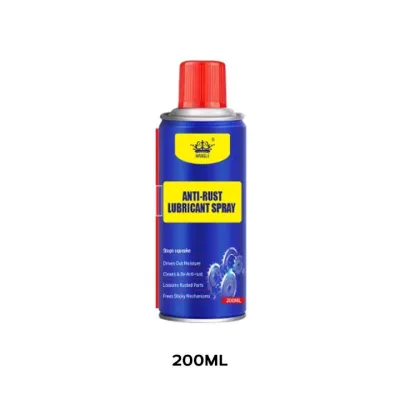
289 Lazada user ratings
Received the items in good condition. Best value for money. Much cheaper to buy here online than at a store. Thanks to the seller and this o…Read full reviewShow less
Received the items in good condition. Best value for money. Much cheaper to buy here online than at a store. Thanks to the seller and this online platform.
👌Ease of Use:spray on is convenient 🔨Durability:protection is good 🔌Compatibility:spray on rubber parts without damaging
mag base sa drawing kkase mabasa hahaha Pero Sana effective hinde ko pa ba try curious lang atlga ako
thank you seller na received kona order ko , hindi kopa nasubukas
🛠️Durability:nice great
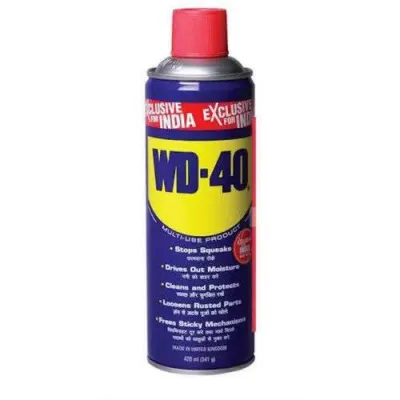
82 Lazada user ratings
Item received but not yet used will provide updated review soon
thank sa rider
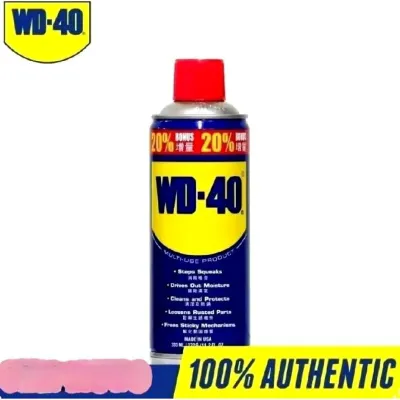
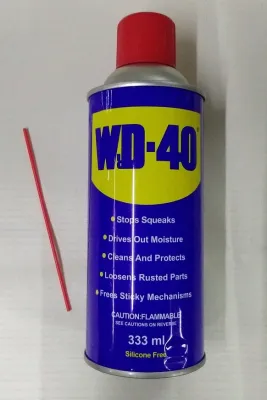
6,796 Lazada user ratings
maraming Salamat Seller buti nakahabol sa aking ginagawang Preno nang Jeep. Legit at Salamat din sa Nag Deliver na si madam at Lazada salama…Read full reviewShow less
maraming Salamat Seller buti nakahabol sa aking ginagawang Preno nang Jeep. Legit at Salamat din sa Nag Deliver na si madam at Lazada salamat sa inyo. Great for lubricating and protecting, A must-have for every toolbox, Perfect for DIY projects, Versatile and reliable oil, Trusted brand for all your maintenance needs, Convenient size for easy application, Long-lasting and effective, Protects against moisture and corrosion,
Trusted brand for all your maintenance needs, Great for lubricating and protecting, Great for lubricating and protecting, Protects against m…Read full reviewShow less
Trusted brand for all your maintenance needs, Great for lubricating and protecting, Great for lubricating and protecting, Protects against moisture and corrosion, Protects against moisture and corrosion, Convenient size for easy application, Convenient size for easy application,
nagamit na,di ko malaman kung peke o legit pero after mailgay wala nmn ngyari,firstime gumamit ng ganyan kaya di ko alam ano dapat nyang res…Read full reviewShow less
nagamit na,di ko malaman kung peke o legit pero after mailgay wala nmn ngyari,firstime gumamit ng ganyan kaya di ko alam ano dapat nyang results kung tlga bang nakakatangal ng kalawang.kc di nmn natanggal ang kalawang
Keeps your equipment running smoothly, Helps loosen rusted parts, Long-lasting and effective, Trusted brand for all your maintenance needs, …Read full reviewShow less
Keeps your equipment running smoothly, Helps loosen rusted parts, Long-lasting and effective, Trusted brand for all your maintenance needs, A must-have for every toolbox,
Quality:good Appearance:good Performance:good
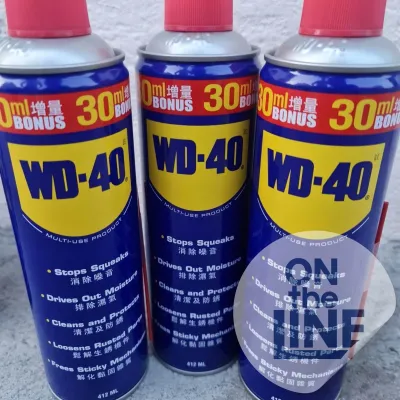
1,432 Lazada user ratings
Great value for money!, A must-have for every household!, Superior quality and performance!, Authentic WD 40, beware of fakes!, legit na leg…Read full reviewShow less
Great value for money!, A must-have for every household!, Superior quality and performance!, Authentic WD 40, beware of fakes!, legit na legit at sulit na sulit ang presyo slmat kay seller at rider
Convenient delivery options during quarantine!, So many uses, it's a game-changer!, A must-have for every household!, Malaki
Convenient delivery options during quarantine!, Great value for money!, Authentic WD 40, beware of fakes!,
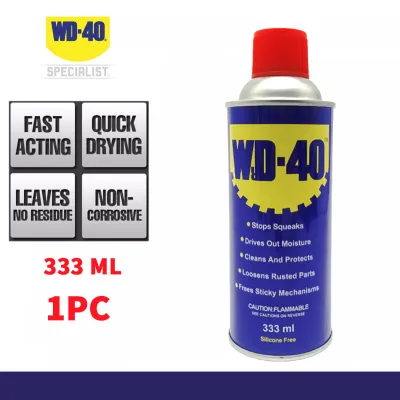
5,313 Lazada user ratings
Removes grease, grime, and gunk easily, Effective rust remover, Keeps surfaces clean and shiny, Works on a variety of materials, Great lubri…Read full reviewShow less
Removes grease, grime, and gunk easily, Effective rust remover, Keeps surfaces clean and shiny, Works on a variety of materials, Great lubricant for sticky mechanisms, Perfect for household and automotive use, Versatile and multipurpose oil, A must-have for DIY enthusiasts,
A must-have for DIY enthusiasts, Keeps surfaces clean and shiny, Removes grease, grime, and gunk easily, Perfect for household and automotiv…Read full reviewShow less
A must-have for DIY enthusiasts, Keeps surfaces clean and shiny, Removes grease, grime, and gunk easily, Perfect for household and automotive use,
Astig maganda ang serbisyo ni seller. Walang damage ang item. What you see is what you get
Great lubricant for sticky mechanisms, Thanks Lazada. Will order another one.
3,409 Lazada user ratings
High-quality brand, Great for automotive use, Effective rust remover, Long-lasting results, Multipurpose product, Excellent for household re…Read full reviewShow less
High-quality brand, Great for automotive use, Effective rust remover, Long-lasting results, Multipurpose product, Excellent for household repairs, Removes rust easily,
Effective rust remover, Multipurpose product, Great for automotive use, fast shipping. easy to use. package delivered secured and complete. …Read full reviewShow less
Effective rust remover, Multipurpose product, Great for automotive use, fast shipping. easy to use. package delivered secured and complete. no damage.
masusubokan natinnkung tama at epektibo ang pang sparkly na ito. Sana maging maganda ang resulta sa pagagamitan ko. salamat.
Long-lasting results, Convenient spray bottle, Penetrates deeply, Multipurpose product, will buy again
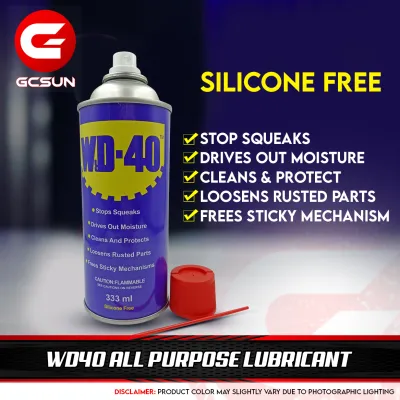
172 Lazada user ratings
dumating naman sya agad, ok naman ang packaging nya. salamat at may nagamit na agad ako, ok naman sya tama sya price nya.
Good quality and very useful on rusty parts easy to ise and very affordable,handy pack anfmd not bulky and easy to find
the items is not the right order..I ordered WD40 but not the one.. hindi tama i don't order you again.
Prices are valid at publication and may change. Please refer to the product page for the latest price.
Evaluating your daily driving routes and parking conditions is essential for determining your vehicle’s risk profile. Cars parked on open streets without shelter are exposed to daily dew cycles and direct sunlight, which can degrade paint and expose underlying panels to moisture. Conversely, vehicles stored in poorly ventilated garages can trap humid air, preventing the undercarriage from drying completely after a wet drive.
High-risk areas on your vehicle require the closest inspection. The undercarriage, including the frame rails, suspension arms, and floor pans, bears the brunt of road debris and water splash. Wheel wells are constantly bombarded by gravel and sand, which chip away at protective paints. Hidden areas, such as the inside of door panels, rocker panels, and seams where metal sheets overlap, are particularly vulnerable because they trap moisture and dirt out of sight, allowing rust to develop undetected.
Types of Car Rust Protection and Their Climate Suitability
Selecting the appropriate rust protection requires understanding how different formulations behave under tropical conditions. The market offers several distinct categories of rust prevention products, ranging from thin DIY aerosol sprays to heavy, professional-grade undercoatings. Each type serves a specific purpose, and using the wrong product on a particular component can lead to premature failure or even worsen corrosion.

In the intense heat and heavy rains of the local climate, protective coatings must withstand both thermal expansion and physical wash-off. Some products form a hard, permanent barrier, while others remain soft and self-healing. No single formulation is universally superior; a product that excels at protecting a chassis rail might damage rubber bushings or trap moisture inside a door panel if applied incorrectly.
Aerosol Sprays and Penetrating Fluids
Thin, penetrating fluids and aerosol sprays are designed to reach tight spaces that thicker coatings cannot access. These products typically feature low viscosity and high capillary action, allowing them to creep into tight metal seams, spot welds, and internal panel cavities. They work by displacing existing moisture and leaving behind a thin, water-resistant film that prevents oxygen from contacting the metal.
While highly effective for protecting door hinges, hood latches, and internal frame cavities, these light fluids have distinct limitations in wet environments. The heavy downpours and deep puddles common during the rainy season can physically wash away lighter oil-based or solvent-based sprays from exposed undercarriage areas. Consequently, these products require regular inspection and more frequent reapplication—often every few months—if applied to areas directly exposed to road spray.
Undercoating and Rubberized Coatings
Thick, barrier-forming products like rubberized or asphalt-based undercoatings are engineered specifically for high-impact areas like the chassis and wheel arches. Once cured, they form a tough, resilient shield that physical debris, mud, and salt splash cannot easily penetrate. This physical barrier also provides a secondary benefit of dampening road noise, making the cabin quieter during drives.
However, applying these heavy coatings in a highly humid environment carries a significant risk. If the metal surface is not completely dry and free of contaminants before application, the thick rubberized layer will trap moisture and microscopic salt particles underneath. Because the coating is impermeable, this trapped moisture cannot evaporate, creating a highly corrosive microenvironment where rust can eat through the metal completely unseen until the outer coating finally cracks or peels away.
Wax-Based and Ceramic Sealants
Wax-based cavity waxes and ceramic-infused sealants offer a middle ground, providing a durable, water-repellent barrier without the extreme thickness of rubberized coatings. Wax-based products remain flexible over time, allowing them to self-heal if scratched by road debris and preventing the cracking that often plagues older, dried-out rubber coatings. They are highly resistant to salt spray and UV exposure, making them excellent for protecting exposed metal parts in the engine bay and suspension components.
Ceramic sealants and specialized metal waxes are particularly useful for areas where aesthetics and precision matter. They can be applied to painted surfaces, exposed metal brackets, and suspension components without leaving a messy, black residue. These sealants create a hydrophobic surface that forces water to bead and roll off, carrying away dirt and salt before they can settle on the metal.
Key Specifications to Check on Product Labels
To choose a product that can truly withstand the local climate, you must look past marketing claims and carefully analyze the technical specifications on the product label. One of the most critical terms to look for is “water displacement.” A product with strong water-displacing properties is capable of pushing moisture out of tight seams and electrical connections, which is vital when treating a vehicle that has already been exposed to humid air or rain.
Another key specification is “salt spray resistance,” often measured in hours according to standardized testing protocols. While you do not need to memorize testing standards, look for products that explicitly state they have been tested for salt spray resistance, as this indicates how well the barrier will hold up against coastal air and road salt. Additionally, “creeping ability” or “capillary action” indicates that the fluid will actively spread into hidden joints and seams after application, ensuring comprehensive coverage.
You must also verify the manufacturer’s specified temperature and humidity ranges for proper curing and application. Many high-performance coatings require specific humidity limits—often below 85%—to cure correctly. Applying these products on a typical humid afternoon in the Philippines without checking these limits can result in a soft, tacky finish that fails to bond with the metal, leading to premature peeling.
Finally, check whether the product requires a completely dry surface or if it is formulated to be applied to damp areas. Some specialized moisture-tolerant primers and penetrating fluids can be applied to slightly damp metal, which is highly advantageous during the rainy season when achieving absolute dryness is difficult. However, for most permanent barrier coatings, the label will strictly mandate a bone-dry substrate, and ignoring this instruction will compromise the entire application.
Application and Maintenance in High Humidity
Applying rust protection in a humid tropical climate requires meticulous preparation to ensure the protective barrier does not trap destructive moisture. The first and most critical step is a thorough cleaning of the vehicle’s undercarriage and target areas. Use a high-pressure washer to remove all mud, road salt, grease, and loose debris, then use a dedicated degreaser on areas with heavy oil buildup.
After washing, you must allow the vehicle to dry completely. In high-humidity environments, this process can take significantly longer than expected. Parking the vehicle in a well-ventilated area, using industrial fans, or leaving it to dry overnight is highly recommended. Do not attempt to apply any permanent barrier coating if there is visible moisture in the seams, bolt threads, or panel overlaps.
When applying the products, always follow a systematic sequence. Begin by treating the hidden cavities, door interiors, and rocker panels using thin, penetrating fluids with extension wands. Once the internal areas are treated, proceed to apply the thicker undercoatings or wax-based barriers to the exposed undercarriage and wheel arches. Be extremely careful to avoid spraying moving parts, exhaust systems, brake assemblies, suspension bushings, and electrical sensors, as coating these components can cause mechanical failure, safety hazards, or sensor malfunctions. Always consult your vehicle’s manual and the product label to verify material compatibility before application.
Maintenance does not end with the application. After heavy monsoon rains or driving through flooded streets, inspect the undercarriage for any signs of coating damage. Look for cracks, peeling sections, or areas where road debris has scraped away the protective layer. For areas treated with light penetrating fluids, perform a visual check every six months to see if the water-beading effect has diminished, and reapply the product as necessary to maintain continuous protection.
When to Seek Professional Undercoating Services
While DIY aerosol sprays and touch-up kits are excellent for localized protection and regular maintenance, certain scenarios demand professional intervention. If your vehicle already exhibits signs of moderate to severe undercarriage corrosion, a simple spray-on protectant will not suffice. Professional shops have the specialized equipment, such as heavy-duty lifts, pneumatic scale-scaling tools, and sandblasters, required to safely remove existing rust down to bare metal before applying a protective system.
Professional application services also offer the advantage of specialized, high-pressure spray equipment designed to atomize thick protective waxes and rubberized coatings. This ensures that the product penetrates deep into the chassis rails and hard-to-reach crevices that standard aerosol cans cannot effectively coat. Furthermore, professional technicians are trained to identify and mask off sensitive components like oxygen sensors, brake lines, and exhaust heat shields, reducing the risk of accidental damage.
When selecting a professional service provider, ask detailed questions about their preparation and drying processes, especially during the humid rainy season. A reputable shop should explain how they clean the undercarriage, how they ensure the metal is completely dry before application, and what specific curing protocols they use. Avoid shops that offer rapid “wash-and-spray” services within a couple of hours, as this speed almost guarantees that moisture will be trapped beneath the newly applied coating.
Frequently Asked Questions (FAQ)
How often should I reapply rust protection in a coastal area?
In coastal areas where salt exposure is constant, the reapplication interval depends heavily on the type of product used. Light, penetrating fluids and cavity waxes applied to exposed undercarriage areas should be inspected every six months and typically require touch-ups or full reapplication annually. Heavy, professional-grade rubberized or wax-based undercoatings can last several years, but they still require annual visual inspections to identify and repair any localized cracking or peeling caused by road debris.
Can I apply rust proofing over existing surface rust?
No, you should never apply standard rust-proofing barriers directly over active, loose surface rust. Doing so traps moisture and oxygen beneath the coating, allowing the corrosion process to continue silently and rapidly beneath the surface. Before applying any protective layer, you must physically remove loose rust scale with a wire brush or sandpaper, clean the area thoroughly, and apply a high-quality rust converter or rust-inhibiting primer to neutralize the remaining oxidation.
Community discussion
Share your experience or ask a question. Comments are reviewed before publication.