
Finding the best clutch spring sniper 135 options for your Suzuki Sniper 135 requires balancing your daily riding habits with the mechanical demands of your machine. In the Philippines, where daily commutes involve intense stop-and-go traffic and weekend rides might take you up steep mountain passes, the performance of your clutch system is paramount. The right clutch springs ensure efficient power transfer from the 135cc engine to the rear wheel without causing excessive hand fatigue. Whether you ride a classic 4-speed manual or the 5-speed Sniper 135 MX, upgrading or replacing your clutch springs can restore lost acceleration and improve overall throttle response.
Selecting the ideal clutch springs is not just about finding the stiffest option available. An overly stiff clutch can make daily commuting a painful chore, while weak springs will fail to hold the power of even a mildly modified engine. By understanding how clutch springs function, recognizing the signs of wear, and matching the spring rate to your specific riding environment, you can make an informed decision that enhances both performance and rideability.
Signs Your Sniper 135 Needs New Clutch Springs
Recognizing when your Suzuki Sniper 135 requires new clutch springs is essential for maintaining optimal performance and preventing further damage to your transmission. Over thousands of kilometers, the constant heat cycles and mechanical stress cause the metal in the clutch springs to fatigue, leading to a loss of tension. The most common symptom of weak or fatigued clutch springs is clutch slippage under heavy load. You might notice this when climbing a steep flyover or attempting to overtake a vehicle; the engine RPMs will rise rapidly, but the motorcycle’s actual speed will not increase proportionally.
Products mentioned in this guide

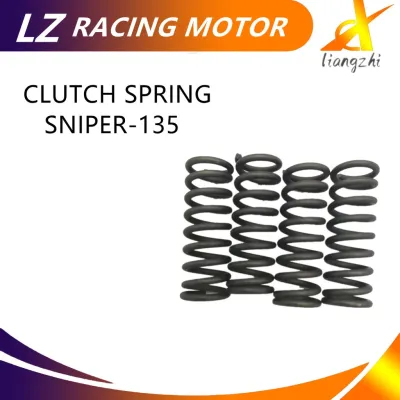
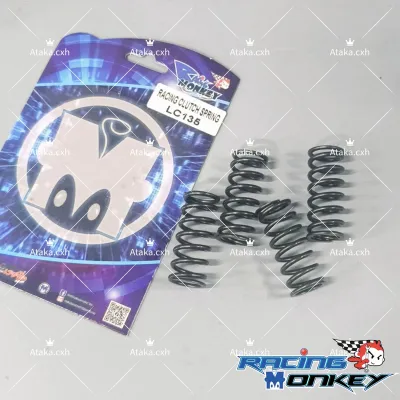
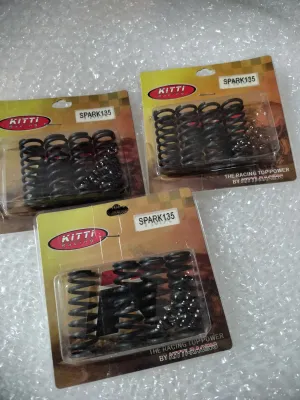
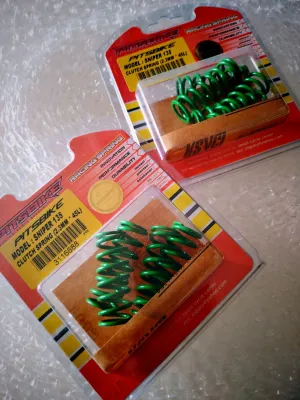
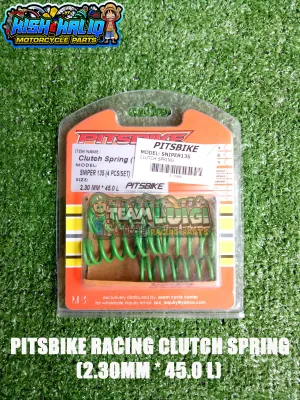
Prices are valid at publication and may change. Please refer to the product page for the latest price.
Another clear indicator is delayed or mushy clutch engagement. When you release the clutch lever, the motorcycle should respond immediately with a crisp, positive forward motion. If the engagement feels soft, slow, or inconsistent, the springs may no longer be applying sufficient clamping force to lock the clutch plates together. This lack of pressure allows the plates to slide against each other, generating excessive heat and accelerating wear.
To accurately diagnose the issue, you must differentiate between worn clutch friction plates and fatigued springs during a physical inspection. After draining the engine oil and removing the clutch cover, extract the clutch springs and use a digital vernier caliper to measure their free length. Compare these measurements against the service limit specified in your official Suzuki Sniper 135 service manual. If the springs have shrunk below the wear limit, they must be replaced. Conversely, inspect the friction plates for a glazed, mirror-like finish, a burnt smell, or a thickness below the recommended minimum, as these indicate plate wear rather than spring fatigue.
Deciding whether to stick with standard Original Equipment Manufacturer (OEM) replacements or upgrade to aftermarket options depends on your motorcycle’s setup and usage. If your Sniper 135 is completely stock and used primarily for casual daily commuting, OEM springs are the most reliable choice to maintain a comfortable lever pull. However, if you have modified your engine with a high-compression piston, an upgraded carburetor, or a performance exhaust, the increased torque will likely overwhelm stock springs, making an aftermarket upgrade necessary to prevent slippage.
Understanding Clutch Spring Rates and Materials
The spring rate, or stiffness, of a clutch spring directly dictates how much clamping force is applied to the clutch pack. A higher spring rate increases the pressure holding the friction plates and steel plates together, which minimizes the risk of slippage and ensures instantaneous power transfer to the transmission. However, this mechanical advantage comes with a direct trade-off: a stiffer spring rate increases the effort required to squeeze the clutch lever, altering the engagement bite point and potentially making the clutch feel grabby or difficult to modulate.

Clutch springs are generally manufactured from different metal alloys, each offering distinct performance characteristics. Standard OEM springs typically use high-tensile carbon steel, which provides a balanced, comfortable lever feel and adequate durability for stock power levels. High-performance aftermarket springs often utilize heat-treated silicon-chrome alloy steel. This material is highly resistant to sagging and retains its structural tension even when subjected to the extreme operating temperatures common in tropical riding conditions.
The relationship between the clutch springs and the friction plates is highly symbiotic. Upgrading to stiffer springs increases the friction between the plates, but if your friction plates are already worn, glazed, or warped, the extra pressure will not solve the underlying slippage and may accelerate plate destruction. Therefore, whenever you plan to upgrade your clutch springs, you should thoroughly evaluate the condition of the friction and steel plates, replacing them as a complete set if necessary.
When considering modifications, you must observe critical safety boundaries. Mismatching extremely high aftermarket spring rates with stock clutch components can lead to premature wear of the clutch boss, pressure plate, and release bearing. Furthermore, the excessive tension puts immense strain on the stock clutch cable, significantly increasing the risk of the cable snapping unexpectedly while riding. A heavy clutch lever also causes rapid hand fatigue, which can compromise your ability to react quickly and safely control the motorcycle in dense traffic.
Matching Spring Upgrades to Your Riding Needs
The best clutch spring setup for your Suzuki Sniper 135 is entirely subjective and depends on where and how you ride. Balancing clutch lever effort with power transfer efficiency is key to achieving a satisfying riding experience that suits your daily routine.
Daily Commuting and City Traffic
Navigating the congested streets of Metro Manila, Cebu, or Davao requires constant clutch modulation, low-speed maneuvering, and lane filtering. In these stop-and-go environments, a rider might squeeze the clutch lever hundreds of times during a single commute. For this type of riding, maintaining a light and comfortable lever pull is essential to prevent wrist strain and hand fatigue.
Commuters should prioritize OEM-equivalent springs or mildly upgraded aftermarket options that are designed to keep the lever pull light. A predictable, progressive engagement bite point is crucial for low-speed balance and smooth takeoffs. Avoid aggressive racing springs in a daily commuter, as they make the clutch engage too abruptly, increasing the risk of stalling in tight spaces and making low-speed filtering highly stressful.
Performance Riding and Touring
For riders who frequently travel long distances, carry heavy cargo, ride with a pillion passenger, or enjoy spirited weekend rides along winding mountain highways like the Marilaque, stiffer aftermarket springs are highly beneficial. These riding scenarios subject the transmission to sustained high loads and elevated temperatures, which can easily cause standard springs to slip.
Stiffer aftermarket springs prevent clutch slip during hard acceleration and high-RPM shifting, ensuring that every bit of engine power is directed to the rear wheel. However, you must be prepared for a noticeably heavier clutch lever pull. To manage this trade-off, ensure your clutch cable is in excellent condition, properly routed, and regularly lubricated with a dedicated cable lubricant to minimize friction and prevent premature failure.
Buying Guide: What to Verify Before Purchasing
Before purchasing new clutch springs from a local motorcycle shop or an online marketplace, you must perform several verification checks to ensure compatibility, safety, and product quality.
Fitment Verification
The Suzuki Sniper 135 has been produced in several configurations over the years, including the classic 4-speed manual, the automatic clutch variant, and the 5-speed Sniper 135 MX. Because transmission designs and clutch basket dimensions vary between these generations, clutch springs are not universally interchangeable. Never assume a product will fit simply because it is labeled for a “Sniper.” Always cross-reference the manufacturer’s part numbers, spring dimensions, and model-year compatibility with your motorcycle’s official documentation before finalizing your purchase.
Seller and Brand Evaluation
The market is flooded with unbranded, low-cost clutch springs that claim to offer racing performance. Avoid these generic options, as inconsistent manufacturing tolerances can result in uneven spring rates within the same set, leading to uneven pressure on the clutch plate and causing severe clutch shudder. Stick to reputable, established aftermarket brands that specialize in motorcycle transmission components. When shopping on e-commerce platforms, read verified customer reviews specifically looking for feedback regarding long-term durability, actual lever feel, and precise fitment on the Sniper 135.
Kit Completeness
When planning a clutch spring replacement, check what is included in the purchase and identify any additional parts you will need. A proper installation requires a new clutch cover gasket, as reusing the old, compressed gasket almost always results in engine oil leaks. Additionally, consider whether your current engine oil needs to be changed. Since the clutch on the Sniper 135 is a wet system, using fresh, high-quality motorcycle-specific engine oil meeting JASO MA or MA2 standards is vital for proper clutch operation and heat dissipation.
Professional Consultation
Modifying internal engine and transmission components carries inherent safety and warranty risks. Always consult the Suzuki Sniper 135 service manual for the correct disassembly procedures and torque specifications. Overtightening the clutch spring bolts can easily strip the threads or snap the mounting posts on the aluminum clutch boss, requiring an expensive replacement. If you do not possess a calibrated torque wrench or do not feel confident performing internal mechanical work, have the installation completed by a qualified professional mechanic at a reputable motorcycle service center to ensure road safety and preserve component longevity.
Frequently Asked Questions (FAQ)
Can I mix OEM and aftermarket clutch springs?
Mixing different types of clutch springs is highly discouraged. Combining springs of varying stiffness or mixing old, fatigued springs with new ones results in uneven pressure distribution across the clutch pressure plate. This uneven clamping force causes the pressure plate to lift at an angle, leading to severe clutch shudder, rapid and uneven wear of the friction plates, and difficulty finding neutral when stationary. Always replace clutch springs as a complete, matching set to ensure balanced pressure and smooth operation.
Do stiffer clutch springs increase top speed?
No, stiffer clutch springs do not increase the horsepower or the theoretical top speed of your Suzuki Sniper 135. Clutch springs do not generate power; their sole function is to provide enough clamping force to prevent power loss through clutch slippage. If your existing clutch was slipping, installing stiffer springs will restore the efficient transfer of power, making the motorcycle feel faster and more responsive. However, if your clutch was already functioning correctly without slipping, upgrading to stiffer springs will not yield any additional speed.
How often should clutch springs be replaced?
There is no fixed mileage interval for replacing clutch springs, as wear depends heavily on your riding style, load, and traffic conditions. In highly congested urban areas where the clutch is constantly slipped, the springs will fatigue much faster than on motorcycles used primarily for open-highway touring. As a general guideline, you should inspect the clutch springs whenever you replace your clutch friction plates, or roughly every 15,000 to 20,000 kilometers. If the free length of the springs measures below the service limit specified by Suzuki, they must be replaced immediately.
Community discussion
Share your experience or ask a question. Comments are reviewed before publication.