
Choosing the right engine and cabin air filters for your Toyota Innova in the Philippines is essential for maintaining both vehicle performance and passenger comfort. The Innova is a true workhorse on local roads, serving as a family MPV, a daily commuter, and a reliable long-distance traveler. However, the combination of intense tropical heat, high humidity, seasonal monsoon rains, and heavy urban traffic puts unique stress on your vehicle’s filtration systems. To keep your engine running efficiently and your cabin air clean, you must understand how to select, verify, and replace these critical components based on your specific model year and driving conditions.
Quick Selection Criteria for Engine and Cabin Filters
When shopping for filters, you will primarily choose between Original Equipment Manufacturer (OEM) parts and aftermarket alternatives. OEM filters are designed by Toyota specifically for your Innova’s engine and HVAC housing. They offer guaranteed fitment, predictable filtration performance, and peace of mind, especially if your vehicle is still under dealership warranty.
Aftermarket filters, on the other hand, provide a wider range of options, from budget-friendly paper replacements to high-performance synthetic or activated carbon upgrades. While aftermarket options can offer excellent value, they require a higher level of vigilance to ensure correct fitment and material quality.
Products mentioned in this guide
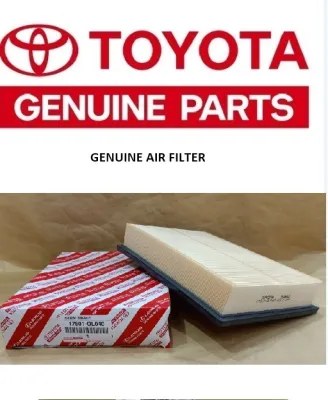
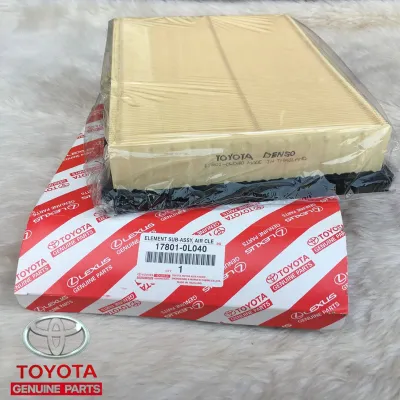
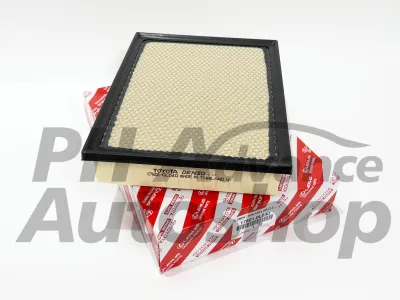
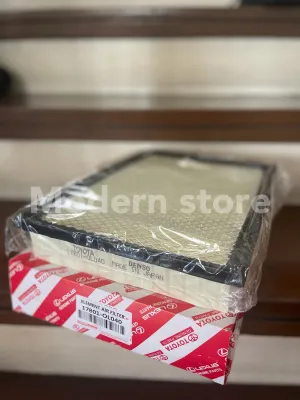
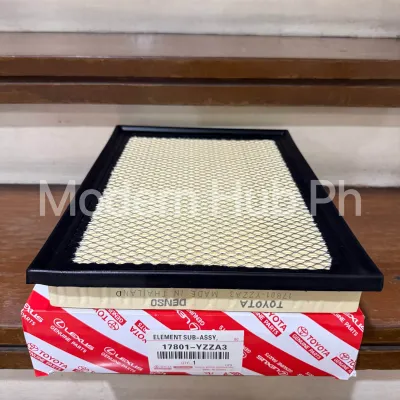
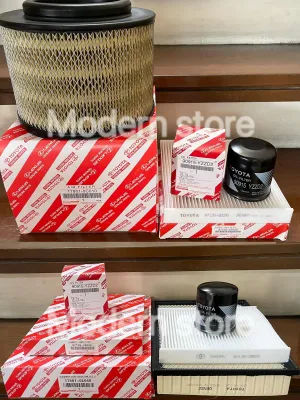
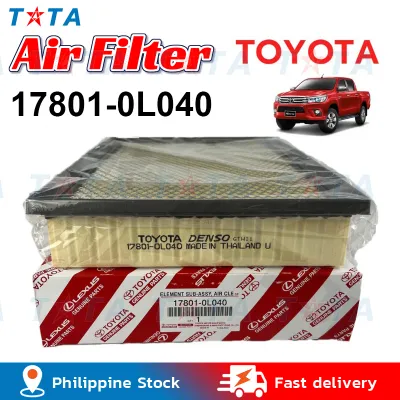
Prices are valid at publication and may change. Please refer to the product page for the latest price.
To narrow down your choices, always cross-reference the part numbers. The Toyota Innova has been produced across multiple generations—such as the first-generation and the second-generation platforms—with various engine options including the 2.0-liter gasoline engine and the 2.5-liter or 2.8-liter diesel engines. Because of these variations, a filter that fits an older Innova will not fit a newer model. Always check your owner’s manual or inspect the part number printed on your existing filter before making a purchase.
Environmental factors in the Philippines also dictate your selection. High relative humidity can cause low-grade paper filters to absorb moisture, leading to structural sagging and restricted airflow. If you frequently drive in highly humid or coastal areas, prioritizing filters with moisture-resistant synthetic media or reinforced frames is highly recommended.
Evaluating Engine Air Filters for Optimal Airflow and Protection
The engine air filter is your motor’s first line of defense against airborne contaminants like dust, sand, and soot. When evaluating your options, the choice of filter media is paramount. Standard paper filters are the most common and affordable option. They use a dense network of cellulose fibers to trap particles. While highly effective in clean, dry environments, paper filters can clog quickly in dusty areas and may degrade if they become damp during the rainy season.

Synthetic filter media represents a significant upgrade. Made from lofted synthetic fibers, these filters offer a deeper three-dimensional structure that traps more dirt without severely restricting airflow. Synthetic media is naturally resistant to moisture, meaning it will not swell or lose its structural integrity when exposed to the high humidity levels common in the Philippines. This makes synthetic filters an excellent choice for drivers who frequently travel on unpaved provincial roads or through heavy city smog.
To verify the correct OEM part number, consult your owner’s manual or look at the plastic casing of your current filter. For example, the second-generation Innova with the 2.8-liter diesel engine uses a distinct rectangular filter with a thick rubber gasket, while older models with the 2.5-liter diesel engine use a different configuration. Writing down this part number ensures you do not accidentally purchase a filter designed for a different model year or engine variant.
Before installing a new engine air filter, perform a thorough visual inspection of the filter housing (the airbox) in your engine bay. Check for any cracks in the plastic, worn-out metal tension clips, or accumulated debris at the bottom of the box. The new filter must sit perfectly flush within the housing’s grooves. The rubber gasket along the edge of the filter must compress slightly when the airbox cover is clamped down. If the seal is not completely airtight, unfiltered air will bypass the filter, carrying abrasive silica dust directly into your engine, which can cause premature wear on cylinder walls and piston rings.
Selecting Cabin Filters for HVAC Efficiency and Odor Control
While the engine air filter protects your vehicle’s mechanical components, the cabin air filter protects you and your passengers from breathing in harmful pollutants. Standard particulate cabin filters are designed to trap dust, pollen, road debris, and soot. They are highly effective at keeping your air conditioning system’s blower motor and evaporator core clean, but they do not stop gases, exhaust fumes, or odors from entering the cabin.
For drivers in the Philippines, upgrading to an activated carbon cabin filter is often highly beneficial. These filters feature an additional layer of charcoal that chemically traps volatile organic compounds, sulfur dioxide, nitrogen oxides, and unpleasant odors. This is particularly useful when navigating congested urban highways, where exhaust fumes from buses and jeepneys can easily penetrate a standard filter. Additionally, the moisture-absorbing properties of activated carbon help combat the musty, sour odors that frequently develop in vehicle HVAC systems due to mold and bacteria growth in humid climates.
Recognizing when your cabin filter needs replacement is crucial for maintaining HVAC efficiency. The most common sign of a clogged cabin filter is a noticeable reduction in airflow from your dashboard vents. If you find yourself turning the fan speed to its maximum setting just to stay cool on a hot afternoon, or if the cabin takes an unusually long time to reach a comfortable temperature, the filter is likely restricted. Persistent musty smells or increased dust accumulation on your dashboard are also clear indicators that the filter has reached the end of its service life.
When purchasing a replacement cabin filter, always verify its physical dimensions and pay close attention to the orientation markers. Cabin filters are designed to fit precisely inside a dedicated tray behind the glovebox. A filter that is even slightly too small will allow unfiltered air and dust to bypass the media, eventually clogging your air conditioning evaporator core—a repair that is both difficult and expensive. Look for the “Air Flow” arrow printed on the side of the filter frame and ensure it points in the direction of the system’s actual airflow (typically downward toward the blower motor) during installation.
Verifying Fitment and Avoiding Counterfeit Auto Parts
The popularity of the Toyota Innova in the Philippines makes it a prime target for counterfeit auto parts. Using a counterfeit air filter can have serious consequences, ranging from poor engine performance and increased fuel consumption to severe engine damage caused by unfiltered debris. To protect your vehicle, you must know how to spot fake products and where to shop safely.
When inspecting a replacement filter, examine the packaging and the product itself very closely. Genuine manufacturers invest in high-quality packaging with crisp, clear printing, accurate brand logos, and robust cardboard. Counterfeit filters often come in flimsy boxes with blurry text, misspelled words, or faded colors. Many reputable brands also include security features such as holographic stickers, unique serial numbers, or QR codes that you can scan to verify authenticity on their official websites. Inspect the filter’s rubber gasket and filtration pleats; genuine filters have evenly spaced, sturdy pleats and a flexible, well-molded rubber seal, whereas counterfeits may exhibit uneven pleats, excess glue, or hard, brittle rubber.
To minimize the risk of purchasing counterfeit parts, avoid buying from unverified online sellers or generic roadside shops offering prices that seem too good to be true. Instead, make your purchases from authorized dealerships, reputable local auto parts stores, or official brand stores on established ecommerce platforms. While these options may cost slightly more, the assurance of receiving a genuine, high-quality product is well worth the investment.
If you receive a new filter and notice that the dimensions do not perfectly match your original part, or if the sealing edges are too thick or warped, do not attempt to force it into the housing. Forcing a mismatched filter can crack the plastic airbox or bend the filter frame, creating gaps that render the filtration media useless. If the fit is not perfect, stop the installation immediately, double-check your vehicle’s model year and engine specifications, and return or exchange the filter for the correct part number.
Inspection and Replacement Guidelines for Both Filters
Replacing your engine and cabin air filters is a straightforward maintenance task that you can perform yourself with basic tools or no tools at all. However, safety must always be your top priority. Before beginning any work, ensure your Innova is parked on a flat, level surface, the handbrake is firmly engaged, and the engine is turned off. If you have recently driven the vehicle, allow the engine bay to cool down completely to avoid accidental burns from hot engine components. If you feel unsure about performing these steps, consult your vehicle’s manual or seek the assistance of a qualified automotive professional.
To replace the engine air filter, locate the airbox in your engine bay. In most Toyota Innova models, this is a black plastic box situated on the passenger side. Depending on your model year, the airbox cover is secured by either metal tension clips or screws. Carefully release the clips or unscrew the fasteners, then gently lift the cover. Slide the old filter out, taking care to keep it level so that any loose leaves, twigs, or heavy dust do not fall into the clean side of the intake tract. Before inserting the new filter, use a clean, damp microfiber cloth to wipe away any dust or debris from the inside of the airbox housing. Slide the new filter in, ensuring the rubber gasket seats perfectly in the housing grooves, then resecure the cover.
To replace the cabin air filter, open your front passenger door and locate the glove compartment. Open the glovebox and empty its contents. Squeeze the sides of the glovebox inward to release the stop tabs, allowing the door to swing downward completely. Behind the glovebox, you will see a rectangular plastic cover that seals the cabin filter housing. Gently pinch the release tabs on the cover to remove it. Slide the old cabin filter tray out. Just like with the engine filter, pull it out slowly to prevent dust and debris from falling into the HVAC blower motor below. Wipe the tray and housing clean, place the new filter into the tray with the “Air Flow” arrow pointing in the correct direction, slide the tray back in, and reassemble the glovebox.
Rather than relying solely on a fixed mileage schedule, establish a conditional inspection routine based on your driving environment. The standard recommendation of replacing filters every 10,000 to 15,000 kilometers may not be sufficient if you frequently drive in harsh conditions. If your daily commute involves crawling through heavy, soot-heavy traffic in Metro Manila, or if you regularly travel on dusty, unpaved roads in rural provinces, you should inspect both filters every 5,000 kilometers or six months. If a visual inspection reveals heavy gray or black discoloration, clogged pleats, or signs of moisture damage, replace the filters immediately to maintain optimal engine protection and cabin air quality.
Frequently Asked Questions (FAQ)
Can I Clean and Reuse a Standard Engine Air Filter?
No, you should not attempt to clean and reuse a standard disposable engine air filter. Standard filters are made of cellulose paper media designed to trap microscopic particles deep within their fibers. Tapping the filter against a hard surface or blowing it with compressed air might remove large, visible debris, but it cannot clear the deeply embedded microscopic dust. In fact, using high-pressure compressed air can easily tear or stretch the delicate paper fibers, creating invisible holes. These holes allow abrasive dirt to pass directly into your engine, risking severe internal damage. Unless you have purchased a specialized aftermarket filter explicitly labeled as washable and reusable, always replace a dirty filter with a new one.
Does a Clogged Cabin Filter Affect Fuel Economy?
No, a clogged cabin air filter does not directly affect your vehicle’s fuel economy. The cabin air filter is solely responsible for cleaning the air that enters the passenger compartment through the heating, ventilation, and air conditioning (HVAC) system. It has no connection to the engine’s air intake or combustion process. However, a severely clogged cabin filter will restrict airflow, forcing your air conditioning blower motor to work harder and reducing the system’s cooling efficiency. This may prompt you to run the AC fan at higher speeds or lower temperature settings, which can place a minor indirect load on the engine, but it will not cause the direct drop in fuel efficiency associated with a clogged engine air filter.
How Do Dusty Conditions Change Replacement Intervals?
Dusty environments significantly accelerate the accumulation of particulates on both your engine and cabin air filters, requiring more frequent replacements. When driving on unpaved provincial roads, near construction sites, or in areas with high levels of agricultural dust, the filter pleats can become saturated with dirt much faster than under normal driving conditions. Instead of waiting for the standard service interval, you should perform visual inspections every 5,000 kilometers. If you observe that the filter media has turned dark gray, the pleats are packed with visible dirt, or there is a noticeable drop in engine responsiveness or AC airflow, replace the filters immediately to ensure continuous protection and performance.
Community discussion
Share your experience or ask a question. Comments are reviewed before publication.