
Selecting the right exhaust pipe cover for your Honda ADV 160 requires balancing heat protection, material durability, and precise physical fitment. Because this adventure-style scooter is designed for both urban commuting and light off-road riding, its exhaust system is subjected to diverse environmental stressors and high operating temperatures. A well-chosen cover protects the rider and passenger from accidental burns while shielding the exhaust components from road debris and weather-induced wear.
Evaluating aftermarket options involves looking closely at how different materials handle heat, moisture, and vibration. Rather than relying on generic compatibility claims, riders must verify the exact specifications of each cover against the Honda ADV 160 chassis design. This guide outlines the essential factors to consider, from material characteristics to safety checks, ensuring your selection provides reliable protection and matches your riding conditions.
Why Upgrade or Replace Your ADV 160 Exhaust Cover?
The Honda ADV 160 features an upswept exhaust design that complements its rugged, adventure-oriented styling. However, this elevated position places the hot muffler and exhaust pipe in close proximity to the rider’s right leg and the passenger’s feet. In congested urban traffic where stop-and-go riding is common, the exhaust system quickly reaches high temperatures, making a functional protective barrier essential to prevent accidental contact burns.
Products mentioned in this guide
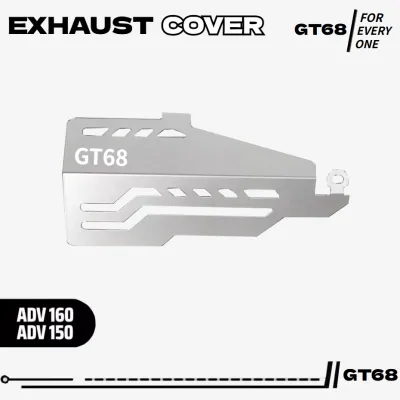
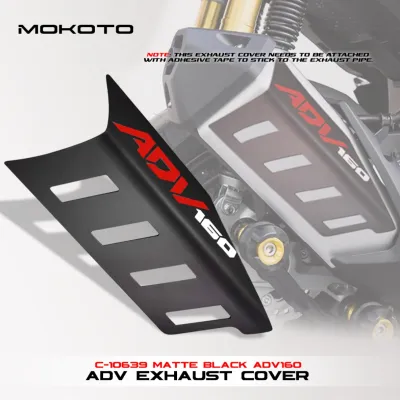
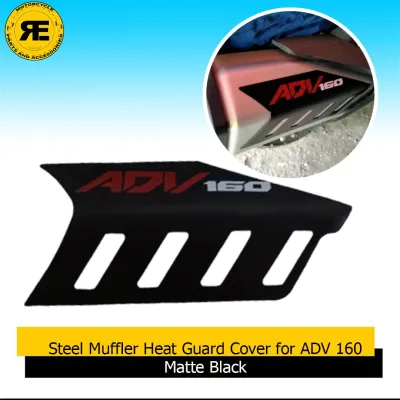
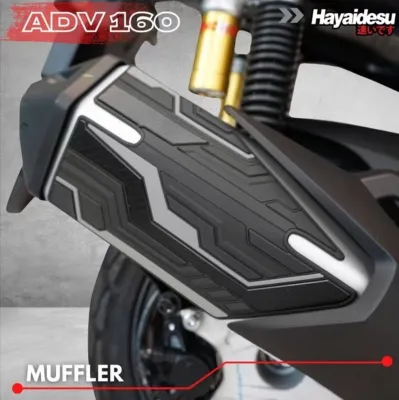
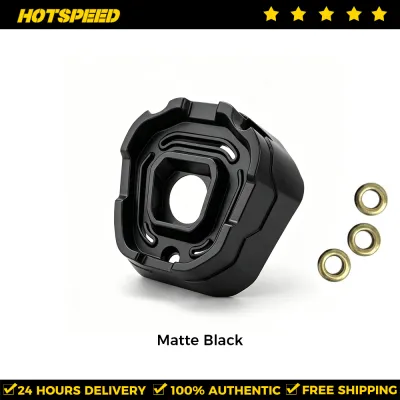
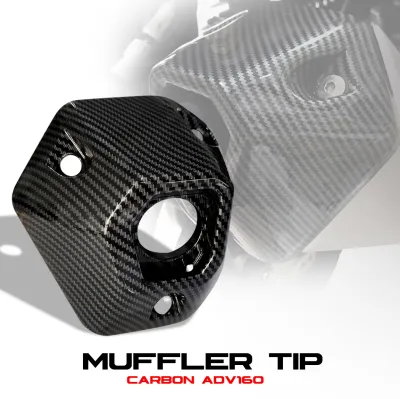
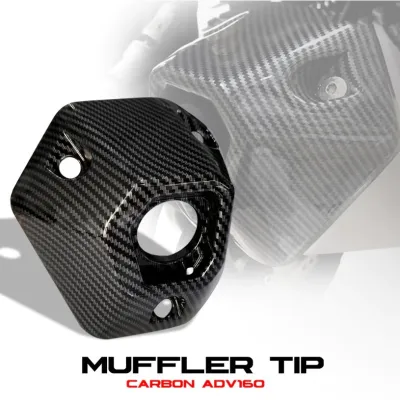
Prices are valid at publication and may change. Please refer to the product page for the latest price.
Over time, the original equipment manufacturer (OEM) plastic cover can suffer from cosmetic degradation. Daily exposure to road grit, gravel, and debris kicked up by the front tire can leave deep scratches and scuffs on the surface. Additionally, the intense heat radiating from the exhaust pipe can cause the factory plastic to discolor, fade, or become brittle over years of continuous thermal cycling.
Upgrading to an aftermarket cover also allows riders to customize their scooter to match a specific aesthetic theme. Whether you prefer a rugged adventure look with brushed metal or a sleek, sporty appearance with carbon fiber, the exhaust cover is a highly visible component that significantly influences the overall profile of the machine. Replacing a damaged or plain factory shield is an easy way to restore the clean look of your scooter while upgrading its physical durability.
Critical Safety and Fitment Checks Before Buying
Before purchasing any aftermarket exhaust cover, verifying exact compatibility with your specific Honda ADV 160 model year is a critical safety step. Do not assume that accessories designed for older scooter models or different engine displacements will fit. The ADV 160 utilizes a specific engine casing and frame layout, meaning the mounting points, bolt hole spacing, and overall clearance requirements are highly precise.

When reviewing product specifications, pay close attention to the recommended physical clearance between the inner surface of the cover and the hot metal of the exhaust pipe. A cover mounted too close to the pipe can transfer excessive heat directly to the outer shield, defeating its purpose as a burn guard. In worst-case scenarios, insufficient clearance can cause composite materials to melt, warp, or scorch.
Ensure the design of the aftermarket cover does not interfere with the mechanical operation of other scooter components. The cover must allow completely unobstructed movement of the rear suspension swingarm, the center stand deployment, and the rear brake assembly. There should be no contact between the cover and these moving parts, even when the rear shock absorber is fully compressed under a heavy passenger or cargo load.
Always prioritize safety and structural integrity during installation. If an aftermarket cover or bracket requires you to drill into the exhaust pipe, weld new tabs, or make structural modifications to the frame, stop immediately. Modifying these components can compromise the exhaust system’s pressure balance and road legality. If the mounting hardware does not align perfectly with the factory mounting points, consult a qualified motorcycle mechanic to avoid damaging your vehicle.
Comparing Exhaust Cover Materials and Styles
Aftermarket exhaust covers for the Honda ADV 160 are generally divided into metal alloys and composite materials. Each category offers distinct physical properties, maintenance requirements, and visual characteristics that perform differently under daily riding conditions.
Metal and Alloy Options
Metal covers, typically constructed from stainless steel or aluminum, are highly valued for their structural toughness and resistance to impact damage. Aluminum options are lightweight and help minimize any additional weight on the right side of the scooter, preserving the balanced handling dynamics of the machine. Stainless steel is heavier but offers exceptional resistance to denting from flying road debris.
In humid and wet tropical climates, rust and corrosion are constant threats to metal motorcycle accessories. When choosing a metal cover, verify that it features an anodized finish, a powder-coated layer, or an anti-rust treatment. These protective coatings prevent moisture and road salt from oxidizing the metal, ensuring the cover maintains its structural integrity and appearance through heavy rainy seasons.
Metal covers are available in various finishes, including matte black, polished chrome, and brushed silver. While highly durable, polished or chrome-finished metals can show heat discoloration, often turning blue or straw-colored near the hottest sections of the exhaust pipe. If you prefer a consistent look that hides heat staining, a matte black powder-coated finish or a brushed alloy texture is generally more forgiving over long-term use.
Carbon Fiber and Composite Options
Carbon fiber and composite covers are popular among riders seeking a high-tech, sporty aesthetic. Real carbon fiber is exceptionally light and strong, offering a distinct woven pattern that stands out visually. However, because composites are bound together by polymer resins, they require careful thermal management to prevent heat damage.
Before buying a carbon fiber cover, verify that it includes an integrated heat shield or a high-temperature thermal barrier on its underside. Direct, unshielded contact with the exhaust pipe can cause the resin in composite materials to degrade, turn yellow, or crack over time. A proper thermal barrier, such as a fiberglass or ceramic lining, reflects the radiant heat away from the composite outer shell.
Inspect the quality of the outer clear coat on any composite cover you consider. The clear coat must be UV-resistant to prevent yellowing and fading under intense sunlight. Keep in mind that high-quality carbon fiber components sit at a premium pricing tier, often costing significantly more ₱ than standard metal options. Additionally, while carbon fiber has high tensile strength, it is more brittle than metal and can crack or chip if struck directly by large, sharp stones thrown up from the road.
How to Match the Right Cover to Your Riding Needs
To select the most suitable exhaust cover, evaluate your typical riding environment, passenger frequency, and budget. Matching the cover’s material and design to your specific usage pattern ensures you get the best practical value from your purchase.
If your Honda ADV 160 serves primarily as a daily commuter carrying passengers, prioritize safety and maximum coverage. Look for full-coverage metal shields that extend along the entire length of the exposed exhaust pipe. These designs provide a comprehensive physical barrier, ensuring that even if a passenger accidentally brushes their leg against the exhaust area while mounting or dismounting, their skin or clothing will not make contact with the hot metal.
For riders focused on building a cohesive custom theme, verified carbon fiber or color-matched anodized alloys are excellent choices. These options align well with the adventure-touring aesthetic of the ADV 160. When choosing these styled covers, ensure that the visual design does not compromise the primary function of heat dissipation; look for models that incorporate ventilation slots or mesh panels to allow hot air to escape from around the muffler.
If you are working within a strict budget, high-quality stamped aluminum covers offer a practical middle ground. They provide reliable burn protection and basic impact resistance without the premium cost associated with real carbon fiber. Stamped aluminum is easy to clean and can be repainted with high-temperature paint if it becomes scratched or scuffed over time.
When shopping on online motorcycle accessory stores, use a structured pre-purchase checklist to ensure a smooth transaction. Verify the seller’s reputation by reading customer reviews specifically written by other Honda ADV 160 owners. Check the return policy to ensure you can exchange the item if you discover a fitment issue upon delivery. Finally, confirm that the package includes all necessary mounting hardware, such as rubber vibration-damping grommets, spacers, and bolts, so you do not have to source these parts separately.
Installation Boundaries and Maintenance
Proper installation is essential to prevent the exhaust cover from rattling, coming loose, or causing damage to the exhaust pipe. Always refer to the torque specifications provided in your product manual or the original vehicle documentation. Over-tightening the mounting bolts can crack plastic or composite covers and strip the threads on the exhaust mounting tabs, while under-tightening can lead to the cover falling off during a ride.
Because single-cylinder engines like the one in the ADV 160 produce noticeable vibrations, mounting bolts can gradually back out over time. To prevent this, apply a medium-strength, high-temperature thread-locking compound to the bolt threads before installation. If you are mounting metal-to-metal brackets directly adjacent to the hottest parts of the exhaust manifold, using an anti-seize compound on the threads can prevent the bolts from galling or seizing due to extreme heat.
Maintain the appearance and function of your exhaust cover by establishing a simple cleaning routine. Only clean the cover when the engine and exhaust system are completely cool to the touch. Use mild soap, water, and a soft microfiber cloth; avoid harsh chemical solvents, abrasive scrubbing pads, or acidic cleaners, as these can strip anodized coatings, scratch polished metals, and dull the clear coat on carbon fiber.
Make it a habit to inspect the mounting hardware periodically. Check the tightness of the bolts after the first 50 to 100 kilometers of riding following installation, as the initial heat cycles can cause components to settle. Regularly inspect the rubber grommets or spacers for signs of dry rotting or cracking, replacing them as needed to maintain proper vibration isolation and clearance.
Frequently Asked Questions (FAQ)
Will an aftermarket exhaust cover void my Honda warranty?
Installing a simple bolt-on cosmetic accessory like an exhaust pipe cover generally does not void your overall vehicle warranty. These covers are external shields that do not alter the engine’s performance, exhaust backpressure, or emissions control systems. However, if the installation requires structural modifications, such as welding brackets directly onto the exhaust pipe or drilling into the muffler body, those specific modified parts—and any related engine components affected by the modification—may lose warranty coverage. Always consult your local authorized dealership and review your owner’s manual to understand the specific warranty terms before making modifications.
Can I install a heat shield and an exhaust cover together?
Stacking an aftermarket exhaust cover directly over an existing heat shield is generally not recommended unless the product is specifically designed as a multi-layered system. Stacking components without adequate clearance can trap excessive heat between the layers, which can accelerate the thermal degradation of both the cover and the underlying muffler. If you attempt to combine thermal protection layers, you must verify that there is sufficient physical clearance, adequate airflow between the components, and that the mounting bolts are long enough to engage the threads securely without binding.
Community discussion
Share your experience or ask a question. Comments are reviewed before publication.