
Selecting the right fibella raincoat for motorcycle riding during the Philippine rainy season requires balancing protection, visibility, and ease of use. For long-distance commuters navigating highway speeds, a heavy-duty two-piece Fibella rain suit with heat-sealed seams is the optimal choice to prevent water ingress from high wind pressure. Conversely, for low-speed city riding or quick delivery runs, a specialized motorcycle rain poncho with weighted hems and a clear headlight panel provides convenient, rapid coverage.
Evaluating your specific riding habits, commuting distance, and safety requirements will help you identify which model best fits your daily routine. By understanding how different designs handle wind, water pressure, and visibility, you can make an informed decision that keeps you dry and safe on the road.
Essential Features for Motorcycle Rain Gear in the Philippines
Motorcycle commuting during the Philippine wet season presents unique challenges that standard, walking-use rainwear cannot handle. When you are walking, rain falls vertically, and your movement creates minimal wind resistance. On a motorcycle, however, riding at speeds of 40 to 80 kilometers per hour transforms a moderate downpour into a high-pressure water assault. The wind forces water into tiny structural gaps, such as zipper teeth, needle holes along the seams, and collar openings, quickly soaking your inner clothing.
Products mentioned in this guide
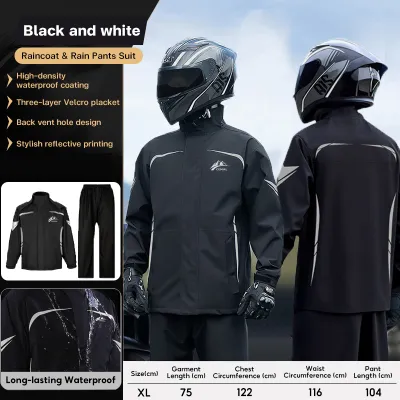
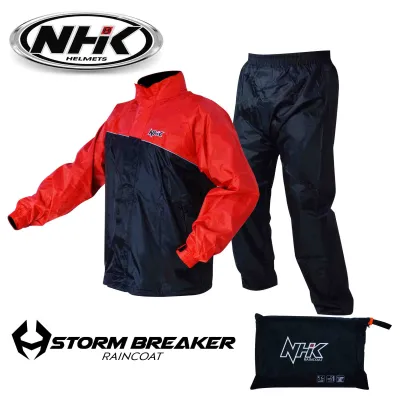
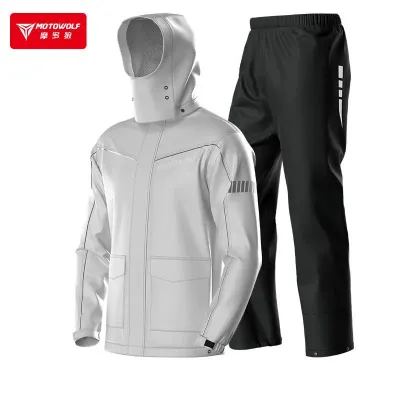
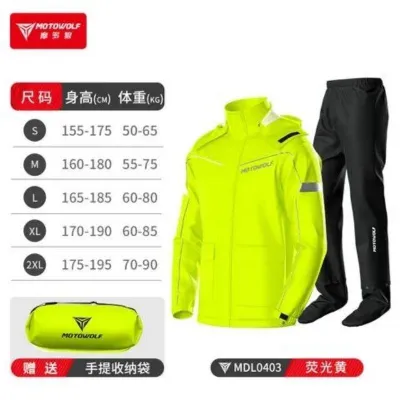
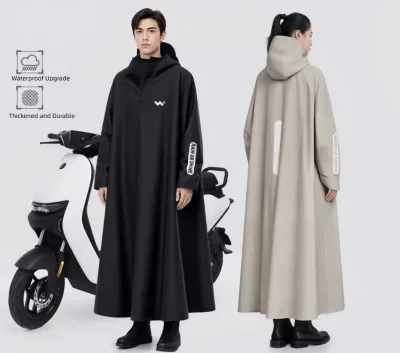
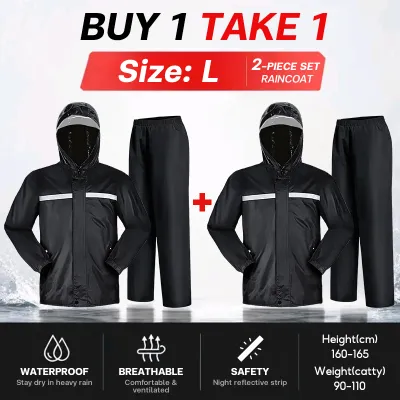
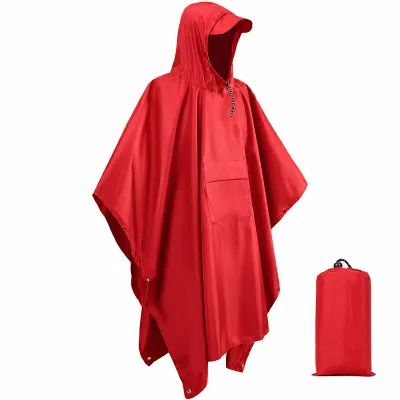
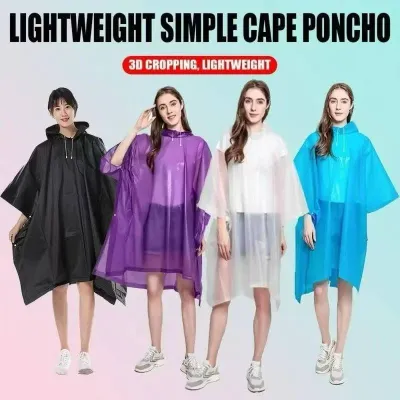
Prices are valid at publication and may change. Please refer to the product page for the latest price.
Another major issue is water pooling. As you sit on your motorcycle, water naturally flows down your torso and pools on your lap. Standard rain pants or one-piece suits without specialized crotch construction will quickly fail under this concentrated hydrostatic pressure. Furthermore, high humidity levels during the tropical rainy season can cause intense condensation inside non-breathable rainwear, leaving you just as wet from sweat as you would be from the rain.
Visibility drops dramatically during heavy afternoon downpours, especially along poorly lit roads or during the evening rush hour in urban areas. Spray from passing trucks and buses creates a constant mist that coats your helmet visor and reduces your visibility to other drivers. For these reasons, a riding-grade raincoat must offer more than basic water resistance; it must feature robust windproofing, ergonomic tailoring that accommodates an active riding posture, and high-visibility elements that ensure you remain visible to other motorists from all angles.
Any Fibella raincoat considered for daily motorcycle commuting should meet a baseline standard of durability and weatherproofing. It must feature thick, water-resistant fabrics, reinforced high-stress areas, and secure closures that prevent wind from ballooning the garment. Investing in gear that addresses these specific riding dynamics is essential for maintaining control, comfort, and safety throughout the wet months.
How to Evaluate Fibella Raincoats for Riding Coverage and Fit
An effective motorcycle raincoat must fit properly while you are in the active riding position. Standard jackets and pants are designed for a standing posture, which can lead to severe coverage gaps once you mount your motorcycle and reach for the handlebars.

Jacket Length, Collar, and Sleeve Articulation
When evaluating the upper half of a rain suit, the jacket’s cut must accommodate a forward-leaning posture. A standard jacket often rides up at the back when you lean forward to grip the handlebars, exposing your lower spine and waist to wind-driven rain. To prevent this, look for Fibella models that feature a dropped tail or an extended rear hem. This extra coverage ensures that the jacket remains tucked or layered securely over your riding pants, maintaining a continuous barrier against water.
- Collar Height and Storm Flaps: The collar must extend high up the neck, ending just below the chin, to prevent water from running down your neck from the bottom of your helmet. A double storm flap system—where an outer fabric flap folds over the zipper and secures with snap buttons or hook-and-loop fasteners—is critical for blocking wind-driven water from penetrating the main zipper.
- Sleeve Length and Articulation: When you extend your arms to reach the handlebars, your sleeves naturally pull back. If the sleeves are too short, your wrists will be exposed, allowing water to run directly into your riding gloves. Choose a model with pre-curved or articulated sleeves that maintain full coverage down to the knuckles, and ensure the cuffs feature tight elastic bands or adjustable straps to seal around your gloves.
Pant Fit, Knee Articulation, and Boot Clearance
The lower half of a two-piece rain suit must withstand constant movement, stretching, and high water pressure. Standard trousers lack the specialized tailoring required to comfortably straddle a motorcycle seat for extended periods.
- Gusseted Crotch Design: A gusseted crotch features an extra triangular piece of fabric sewn into the junction where the seams meet. This design distributes stress more evenly across the fabric, preventing the seams from ripping when you mount your motorcycle or adjust your seating position. It also eliminates the single point of failure where water typically pools on the seat.
- Pre-Bent Knee Areas: When sitting, your knees are bent at a sharp angle, which pulls the pant legs upward. Rain pants must have sufficient inseam length and pre-bent knee tailoring so they do not ride up to your shins, which would expose your socks and boot tops to the rain.
- Ankle Closures and Boot Clearance: To easily put on or take off rain pants over bulky riding boots or closed shoes, the pant cuffs must have wide openings. Look for models with ankle zippers, snap buttons, or wide hook-and-loop cuffs that allow you to slide the pants on quickly at the roadside and then cinch them tightly around your ankles to prevent water from splashing upward.
Assessing Visibility and Safety Elements
Remaining visible to other drivers is your primary defense against accidents during heavy downpours. When evaluating Fibella raincoats, safety features should be prioritized alongside waterproofing performance.
Reflective strips are essential for low-light and nighttime riding. These strips must be wide—ideally at least two inches—and constructed from high-grade retroreflective material that bounces light back to oncoming headlights. For comprehensive safety, these strips should not be limited to a single line on the back. Look for models that feature reflective piping or panels across the chest, upper back, outer sleeves, and lower legs. This strategic placement creates a recognizable human silhouette from the front, side, and rear, allowing other motorists to judge your distance and speed accurately.
Color choice also plays a major role in your safety on the road. While dark colors like black, navy, or deep grey are popular because they hide road grime and grease, they make you nearly invisible in heavy rain or at night. High-visibility colors, such as neon yellow, bright green, or fluorescent orange, are highly recommended for daily commuters. These bright shades stand out against the grey backdrop of a storm, giving other drivers more time to react to your presence.
Hood design is another critical safety factor for motorcyclists. If you wear a full-face helmet, a bulky hood can bunch up around your neck, restricting your ability to turn your head and check your blind spots. Ensure the raincoat has a detachable hood or a dedicated collar pocket where the hood can be rolled up and secured. If you choose a model with a built-in hood designed to be worn under a helmet, verify that the fabric is thin enough to fit comfortably without causing pressure points, and ensure it does not muffle traffic sounds or block your peripheral vision.
Comparing Fibella Raincoat Styles: Two-Piece vs. Poncho
Fibella offers different structural styles of rain gear to suit various riding needs. Choosing between a two-piece suit and a motorcycle poncho depends on your daily commute, average riding speed, and cargo requirements.
Two-Piece Rain Suits (Jacket and Pants)
A two-piece rain suit consists of a separate waterproof jacket and matching pants. This style is widely considered the safest and most effective option for high-speed riding, long-distance commutes, and severe weather conditions.
- Pros: Because the jacket and pants fit closely to your body, they eliminate the "parachute effect" where wind gets trapped under loose fabric and pulls at the rider. This close fit minimizes aerodynamic drag and prevents the fabric from flapping violently, which can be distracting and tiring over long distances. Two-piece suits also offer complete, individual limb protection, ensuring that water cannot splash up from the road onto your legs.
- Cons: The main disadvantage of a two-piece suit is the time and effort required to put it on. When a sudden downpour begins, you must pull over, remove your shoes or carefully slide the pants over them, put on the jacket, and secure all the zippers and flaps. Additionally, two-piece suits are bulkier and take up more storage space under your motorcycle seat or in a top box.
Motorcycle Rain Ponchos and Capes
Motorcycle-specific rain ponchos are single-piece garments designed to drape over both the rider and the front of the motorcycle, often featuring a clear panel that allows the headlight to shine through.
- Pros: Ponchos are exceptionally fast and easy to put on; you simply pull the garment over your head, and you are covered. They are highly convenient for low-speed city riding, short errands, and riders who need to quickly cover a backpack or front-mounted delivery cargo. The open bottom design also provides excellent ventilation, reducing sweat buildup in hot, humid weather.
- Cons: The loose, flowing fabric of a poncho presents safety risks at higher speeds. Without secure fastenings, the wind can blow the fabric upward, blocking your view, covering your mirrors, or catching on moving motorcycle parts like the chain, sprockets, or rear wheel. To mitigate these risks, look for specialized riding ponchos that feature weighted hems, internal leg straps, or thumb loops that keep the fabric secured tightly against your body and the motorcycle frame.
Material, Seams, and Waterproofing Standards
To ensure your raincoat can withstand heavy tropical downpours, you must look past marketing terms and examine the actual materials, construction methods, and technical specifications of the garment.
Seam Construction
The seams are the most vulnerable parts of any waterproof garment. When fabric panels are sewn together, the sewing needle punctures thousands of tiny holes through the waterproof barrier. Under wind pressure, water will easily seep through these holes.
To prevent this, high-quality motorcycle raincoats use fully taped or heat-sealed seams. This process involves applying a specialized polyurethane (PU) tape over the seams under high heat and pressure, sealing the needle holes completely. Before purchasing, verify that the product description explicitly states “fully taped seams” or “heat-sealed seams,” and inspect the inside of the garment to ensure the tape is smooth, continuous, and free of bubbles or lifting edges.
Fabric Types and Coatings
Motorcycle raincoats are typically constructed from one of two primary material types, each offering distinct trade-offs:
- Polyvinyl Chloride (PVC): PVC is highly waterproof, durable, and relatively inexpensive. It provides an excellent barrier against heavy rain and is highly resistant to tearing. However, PVC is heavy, stiff, and completely non-breathable. In the hot, humid climate of the Philippines, wearing a PVC raincoat for extended periods can lead to intense heat buildup and heavy sweating.
- Polyester or Nylon with PU Coating: This material consists of a woven polyester or nylon outer shell coated with a thin layer of polyurethane on the inside. This combination is much lighter, more flexible, and more comfortable to wear than PVC. High-end PU coatings can also offer mild breathability, allowing moisture vapor to escape while blocking liquid water. However, these coatings require more careful maintenance and can degrade over time if stored improperly.
Waterproof Ratings
Waterproofness is measured using a hydrostatic head rating, which indicates the height of a water column (in millimeters) that the fabric can support before water begins to penetrate.
- Under 5,000mm: Suitable for light rain or short walks, but will quickly leak under the wind pressure experienced while riding.
- 5,000mm to 10,000mm: The minimum range required for motorcycle riding. It can withstand moderate rain at city speeds.
- 10,000mm and Above: Highly recommended for highway riding and prolonged exposure to heavy tropical downpours. This rating ensures the fabric can resist water penetration even when subjected to high wind speeds.
Zipper and Closure Quality
A premium raincoat is only as good as its closures. Look for heavy-duty, waterproof coil zippers that feature a rubberized coating over the zipper teeth to block water. Because zippers can still leak under extreme wind pressure, the raincoat should feature a double storm flap system. This system uses two layers of waterproof fabric that overlap the zipper, securing with heavy-duty snap buttons or continuous hook-and-loop strips to create a labyrinth seal that diverts water away from the opening.
Pre-Purchase Checklist and Sizing Verification
Taking the time to measure yourself accurately and inspect the product before and after purchase will prevent the hassle of returns and ensure your gear performs reliably on the road.
Sizing and Layering Considerations
Never buy a motorcycle raincoat based on your standard t-shirt size. You must account for the clothing and protective gear you wear underneath.
- Wear Your Riding Gear: Put on your typical riding attire, including any armored riding jackets, elbow pads, chest protectors, or backpacks that you plan to wear under the raincoat.
- Take Accurate Measurements: Use a flexible measuring tape to measure your chest, waist, and inseam over your riding gear.
- Consult the Brand Sizing Chart: Compare your measurements to the manufacturer's specific sizing chart. If your measurements fall between two sizes, or if you are wearing a bulky armored jacket, it is generally best to size up by one or two sizes to ensure you maintain full range of motion.
Online Purchasing Tips
When shopping on online marketplaces, verify the authenticity and reliability of the seller. Look for official brand stores or highly rated authorized distributors. Read customer reviews carefully, paying close attention to feedback regarding sizing accuracy, seam durability, and how well the raincoat performs in actual heavy rain. Avoid listings with consistently negative reviews about zipper failures or leaking seams.
Post-Arrival Inspection Checklist
Once your raincoat arrives, perform a thorough physical inspection before removing the tags or using it on the road:
- Inspect the Seams: Turn the garment inside out and check the seam tape. Ensure it is firmly adhered to the fabric and there are no peeling corners, bubbles, or missed sections.
- Test the Zippers: Zip and unzip all closures several times. The action should be smooth, and the storm flaps should lay flat without getting caught in the zipper teeth.
- Verify the Reflective Material: Shine a flashlight at the reflective strips in a dark room to ensure they bounce light back brightly.
- Check for Fabric Defects: Hold the fabric up to a light source to check for thin spots, pinholes, or cracks, particularly along the folds and creases.
Frequently Asked Questions (FAQ)
How should I dry my Fibella raincoat after a wet commute?
After a wet commute, hang your raincoat inside out on a wide, padded hanger in a shaded, well-ventilated indoor area. Avoid placing the raincoat in direct sunlight, near radiators, or using a hair dryer, as excessive heat can melt heat-sealed seam tape, crack PVC materials, and degrade protective polyurethane coatings. Ensure the garment is completely dry inside and out before folding or storing it; packing away a damp raincoat will lead to mold, mildew, and unpleasant odors, which can permanently damage the fabric.
Can I wear a standard Fibella raincoat over a bulky riding jacket?
Yes, but you must select a larger size to accommodate the extra bulk of protective armor. Standard raincoats are tailored for regular clothing, so wearing one over a thick riding jacket can restrict your arm movement and put excessive tension on the seams, leading to tears. When choosing a model, look for features like adjustable waist straps, elastic side panels, or raglan sleeves, which allow the raincoat to expand over your safety gear without flapping in the wind.
What is the best way to store the raincoat under the motorcycle seat?
To protect the waterproof layers, roll the raincoat loosely instead of folding it tightly. Tight folding creates sharp, permanent creases that weaken the fabric and can cause heat-sealed seam tape to crack or peel over time. Store the rolled raincoat in a breathable mesh bag or a soft fabric sack rather than a sealed plastic bag. This allows any residual moisture to escape, preventing the waterproof coatings from sticking together, degrading, or developing mildew while stored in the warm compartment under your seat.

Community discussion
Share your experience or ask a question. Comments are reviewed before publication.