
Quick Answer: Navigating Scoopy Front Cover Options
Selecting the ideal front cover for your Honda Scoopy in the Philippines comes down to balancing your budget against your expectations for fitment, durability, and style. If you want a seamless, rattle-free installation with paint that perfectly matches the rest of your scooter, a genuine Original Equipment Manufacturer (OEM) cover is the most reliable choice. For riders looking to customize their scooter with unique finishes like matte black or carbon fiber patterns, or those seeking a budget-friendly replacement after a minor scrape, the aftermarket offers a wide array of options.
Before making any purchase, the absolute most critical step is verifying your Scoopy’s specific model year and generation. The Scoopy has undergone several design evolutions, and a cover designed for an older model will not align with the mounting points or headlight housing of a newer version. Understanding these distinctions ensures you do not end up with a useless piece of plastic.
OEM vs. Aftermarket: Understanding Your Choices
When your Honda Scoopy needs a new front cover, you will generally find yourself choosing between two distinct paths: purchasing a genuine factory part or opting for a third-party aftermarket alternative. Each route serves different rider priorities, balancing cost against structural and aesthetic consistency.
Products mentioned in this guide
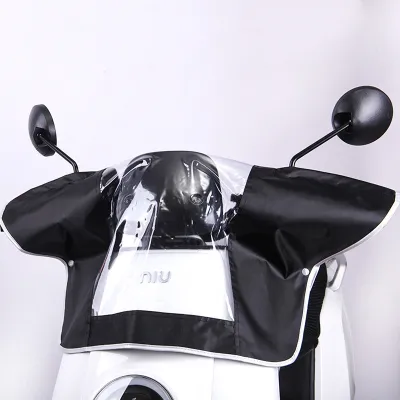
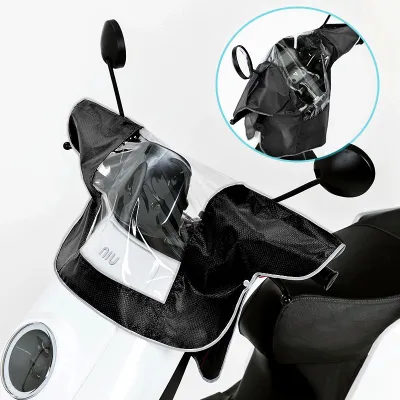
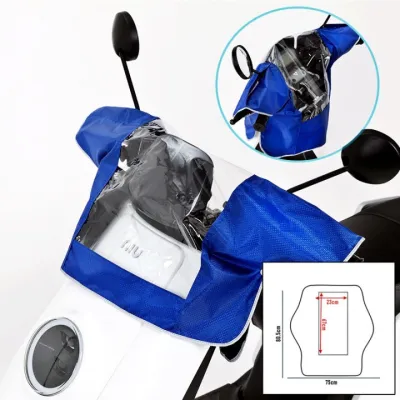
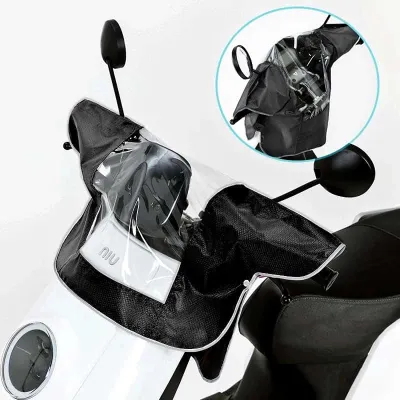
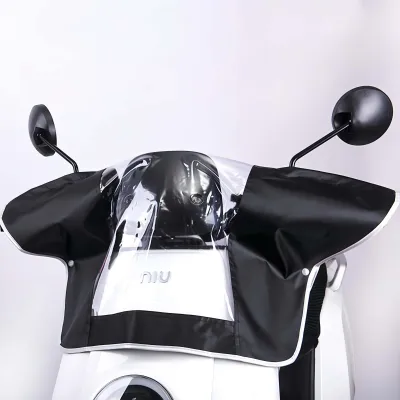
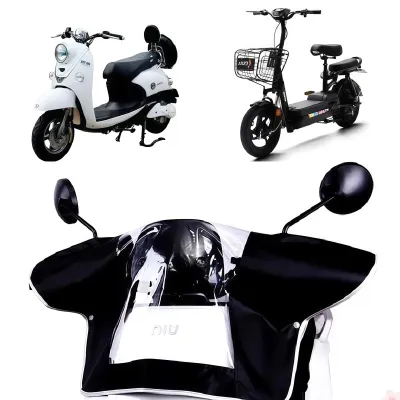
Prices are valid at publication and may change. Please refer to the product page for the latest price.

Genuine OEM Front Covers
Choosing a genuine OEM front cover ensures that your scooter retains its original factory appearance and structural integrity. These parts are manufactured to the exact specifications of the original design, meaning every mounting tab, screw hole, and clip alignment matches your scooter’s frame perfectly. This precise fitment eliminates the risk of unsightly gaps or annoying vibrations while riding on uneven roads.
Another major advantage of OEM covers is the quality of the paint and material. Factory parts use high-grade ABS plastic that offers excellent impact resistance and flexibility. The paint and clear coat are formulated to withstand the harsh tropical climate of the Philippines, where intense sunlight and high humidity can quickly degrade lower-quality finishes. With an OEM cover, you can expect the color to match your existing body panels seamlessly and resist fading over years of outdoor parking.
However, these benefits come with a higher price tag in ₱. Genuine parts are typically more expensive than aftermarket alternatives and must be sourced through authorized motorcycle dealerships or official parts distributors. Depending on your location and the specific color of your Scoopy, you may also experience waiting times if the local dealer needs to order the part from a central warehouse.
Aftermarket and Custom Alternatives
Aftermarket front covers cater to riders who want to personalize their Scoopy or find a more economical solution to body damage. Third-party manufacturers offer a diverse selection of styles, including sporty carbon fiber textures, aggressive matte finishes, and vibrant custom colors that are not available from the factory. This allows you to give your scooter a unique look that stands out on the road.
In addition to aesthetic variety, aftermarket covers are generally much friendlier on the pocket. They provide an accessible way to restore your scooter’s appearance without spending a significant amount of ₱. This makes them highly popular among daily commuters and custom builders alike.
The trade-off for these lower prices and custom designs is a potential compromise in quality and fitment. Aftermarket panels can sometimes suffer from minor manufacturing inconsistencies, such as slightly misaligned tabs, thinner plastic, or uneven paint application. Furthermore, cheaper aftermarket finishes may lack robust UV protection, making them more susceptible to chalking, fading, or peeling when exposed to daily sunlight and rain.
Critical Evaluation Criteria for Front Covers
To ensure you get the best value and performance from your replacement front cover, you must evaluate several key physical characteristics before finalizing your purchase.
Material Composition and Thickness
The durability of a front cover depends heavily on the type of plastic used in its construction. High-quality covers are made from virgin ABS (Acrylonitrile Butadiene Styrene) plastic, which provides a balanced combination of rigidity, impact resistance, and flexibility. When inspecting a cover, feel its thickness and try gently flexing the edges. Cheaply made covers often use recycled plastics that are brittle, thin, and prone to cracking around screw holes under the stress of road vibrations.
Paint and Finish Quality
A close inspection of the cover’s surface can reveal a lot about its manufacturing standards. Look at the paint under direct light to check for consistency, depth, and the presence of defects like “orange peel” texture, dust nibs, or runs. A high-quality cover will have a thick, even clear coat that protects the base color from scratches and environmental damage. For matte finishes, ensure the texture is uniform across the entire panel and does not show greasy fingerprints or smudges too easily.
Mounting Tab and Clip Integrity
The mounting tabs on the back of the front cover are what hold it securely to your Scoopy’s frame. Inspect these tabs closely to ensure they are thick, well-molded, and free of stress marks or hairline cracks. Weak or poorly aligned tabs are the primary cause of panel gaps and rattling. If the tabs are too thin, they can easily snap during installation or when riding over potholes.
Hardware and Accessory Inclusion
Replacing a front cover often requires more than just the plastic panel itself. Check whether the product listing includes essential mounting hardware, such as rubber grommets, metal speed clips, or screws. If these items are not included, you will need to carefully transfer them from your old cover. Reusing old, worn-out rubber grommets can lead to a loose fit, so having new hardware included is a significant advantage.
Verifying Fitment and Model Compatibility
One of the most common mistakes riders make is purchasing a front cover that does not match their specific Scoopy model. Because the Honda Scoopy has a long history and has undergone multiple redesigns, compatibility is not universal.
Identify Your Scoopy’s Generation
Before browsing for parts, you must identify the exact generation and model year of your scooter. For example, older carburetor-fed Scoopy models have completely different body shapes compared to the fuel-injected (FI) generations. Even within the newer eSP (enhanced Smart Power) lineups, subtle design updates can alter the headlight housing, indicator lens cutouts, and mounting point locations. A cover designed for a Club 12 variant may not fit a Prestige variant of a different model year.
Locate the Part Number
For absolute certainty, the most reliable method is to find the official part number for your specific scooter. You can often find this stamped on the inner side of your existing front cover, or by consulting the official Honda parts catalog for your model year. Matching this part number with the seller’s listing guarantees that the replacement panel will fit without any issues.
Analyze Seller Specifications
When shopping on online marketplaces, do not rely solely on generic titles like “Scoopy Front Cover.” Read the detailed product description and look for specific compatibility notes. Reputable sellers will list the exact model years and engine types (e.g., 110cc FI) that the cover fits. If the listing is vague, ask the seller directly for physical measurements or photos of the mounting tabs on the back of the panel to compare with your original cover.
Where to Source and What to Check Before Purchase
Finding a reliable source for your Scoopy front cover is crucial to avoiding counterfeit parts, poor quality, or shipping damage.
Authorized Dealerships vs. Independent Shops
For genuine OEM parts, your best option is an authorized Honda dealership or a certified parts distributor. While you may pay a premium in ₱, you receive a guaranteed genuine product with factory-standard quality. If you prefer aftermarket options, look for established local motorcycle accessory shops that specialize in scooter customization. These shops often curate higher-quality third-party brands and can offer practical advice on fitment.
Online Marketplaces and Seller Ratings
If you choose to buy from an online marketplace, prioritize sellers with high ratings, positive customer reviews, and actual photos of the product uploaded by previous buyers. Avoid listings that only use stock manufacturer images, as these may not accurately represent the quality of the item you will receive. Pay close attention to reviews that mention fitment issues, thin plastic, or poor packaging.
The Unboxing Inspection Process
Because front covers are large, relatively fragile plastic panels, they are highly susceptible to damage during transit. When your package arrives, perform a thorough inspection before accepting the delivery or marking the order as complete.
- Check for any visible cracks, deep scratches, or chipped paint on the outer surface.
- Inspect the edges and corners for warping or bending that may have occurred if the package was compressed.
- Examine the mounting tabs on the back to ensure none of them have snapped off or developed white stress marks.
- Verify that all promised hardware, such as clips or grommets, is present in the package.
Return Policies and Packaging Standards
Only purchase from sellers who offer a clear, hassle-free return policy for damaged or ill-fitting parts. Ensure the seller packages the cover securely, ideally using a rigid cardboard box, multiple layers of bubble wrap, and fragile warning labels. If a seller has a history of poor packaging, it is best to look elsewhere to avoid the hassle of returning a broken panel.
Frequently Asked Questions (FAQ)
Can I install a Scoopy front cover myself, or do I need a mechanic?
Replacing a Scoopy front cover is a task that many riders can complete at home with basic tools and a bit of patience. You will generally need a Phillips screwdriver, a small socket set (typically 8mm or 10mm), and a plastic pry tool or trim removal tool to help separate interlocking panels without scratching the paint.
However, the process requires a gentle touch. Modern scooter panels use interlocking plastic tabs that can easily snap if pulled in the wrong direction or with too much force. Additionally, you will need to disconnect the wiring harnesses for the headlight and turn signals. If you are uncomfortable working with electrical connectors, or if you feel resistance when trying to separate the panels, it is highly recommended to seek assistance from a qualified mechanic to avoid damaging your scooter’s electrical system or breaking expensive body parts.
How do I maintain the finish of an aftermarket front cover?
To keep an aftermarket front cover looking its best, you must protect it from the harsh environmental conditions common in the Philippines. When washing your scooter, always use a mild, pH-neutral motorcycle shampoo and a clean microfiber cloth. Avoid using harsh household detergents, dishwashing liquids, or abrasive sponges, as these can strip the clear coat and leave fine scratches on the surface.
For painted or glossy finishes, regularly apply a high-quality wax or sealant that contains UV inhibitors. This helps shield the paint from the intense sun, preventing premature fading and oxidation. If your cover has a matte or textured finish, use specialized matte care products that protect the surface without adding unwanted shine or leaving greasy residues. Whenever possible, park your Scoopy in shaded areas or use a breathable motorcycle cover to minimize direct exposure to sun and rain.
What should I do if the aftermarket cover does not align perfectly?
Minor fitment issues are relatively common with aftermarket body panels. If you encounter a slight misalignment, first ensure that all other adjacent panels are properly seated and that no wires or cables are pinched behind the cover, as this can push the panel outward. You can sometimes resolve minor warping by carefully applying gentle heat to the affected area using a hairdryer or a heat gun on a low setting, allowing the plastic to soften slightly so it can be guided into place.
However, you must recognize when to stop. If the cover requires significant force, drilling new holes in your scooter’s frame, or cutting away structural plastic to fit, do not proceed. Forcing a poorly made panel into place can put constant stress on the mounting points, eventually causing them to snap while riding. In such cases, it is best to stop immediately, contact the seller, and return the part for a refund or exchange rather than compromising your scooter’s safety and aesthetics.
Community discussion
Share your experience or ask a question. Comments are reviewed before publication.