
Upgrading your Honda Click V3 with a dedicated grab bar sticker is an excellent way to combine personalized styling with practical surface protection. The grab bar is one of the most frequently touched areas of any scooter, making it highly susceptible to scratches from pillion riders, keys, and helmets. Choosing the right sticker involves selecting a durable, weather-resistant material that can withstand intense tropical heat and sudden downpours, while ensuring the template matches the exact contours of the V3 model. By focusing on high-quality vinyl, precise pre-cut templates, and proper installation techniques, you can keep your scooter looking sharp and well-protected for years to come.
Understanding Grab Bar Sticker Materials and Finishes
When exploring the market for Honda Click V3 grab bar stickers, the visual finish is often the first thing that catches a rider’s eye. The most popular option is the carbon fiber look, which comes in various textures such as 3D (a textured, matte-like feel) and 5D or 6D (a high-gloss, multi-layered appearance that closely mimics real carbon fiber). For riders who prefer a more understated, modern aesthetic, matte finishes offer a sleek, non-reflective surface that blends seamlessly with the matte body panels of many Click V3 colorways. Conversely, chrome and metallic finishes provide a striking, reflective look that stands out under streetlights, while custom-printed graphic decals allow for vibrant, multi-colored designs that showcase personal style.
Beyond aesthetics, the underlying material of the sticker determines how well it conforms to the grab bar and how long it will last. Most stickers are made from vinyl, PVC, or polyurethane. Standard vinyl is highly flexible and easy to manipulate around curves, making it the industry standard for vehicle wraps. PVC is slightly thicker and offers robust surface protection, but it can be more challenging to apply to complex shapes without professional tools. Polyurethane-coated stickers, often referred to as resin or 3D gel decals, feature a thick, raised protective layer that provides excellent impact resistance and a premium, tactile feel.
Products mentioned in this guide
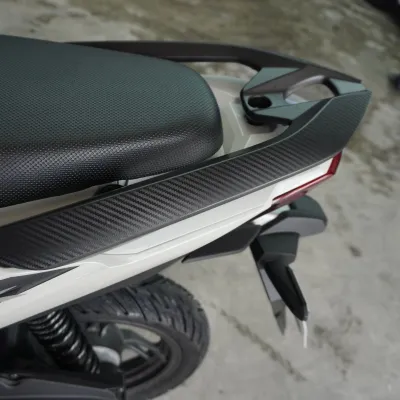
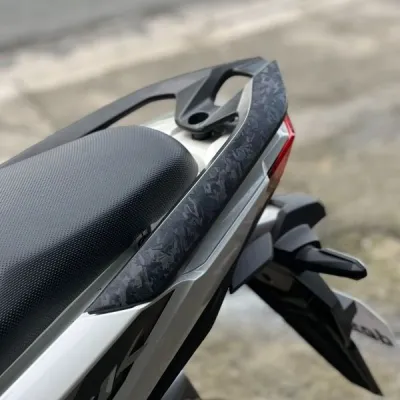
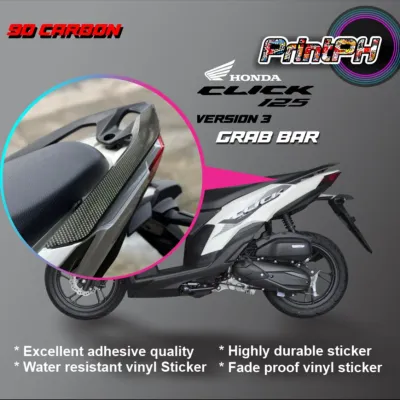
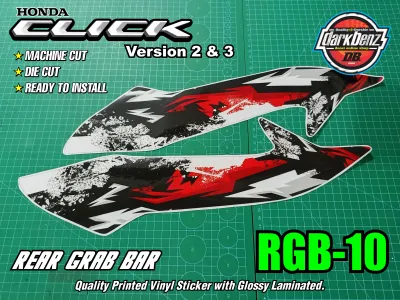
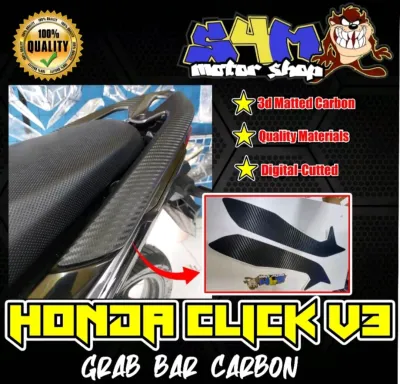
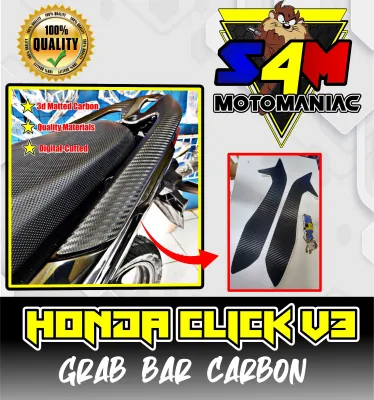
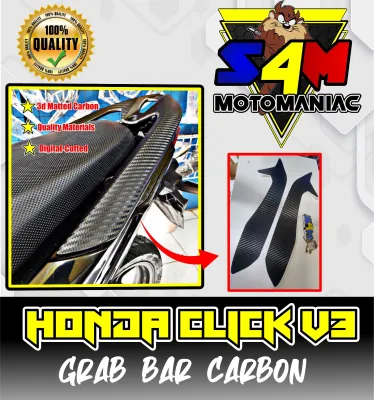
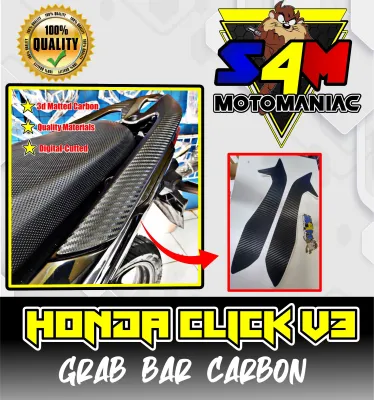
Prices are valid at publication and may change. Please refer to the product page for the latest price.
Because these accessories are exposed to harsh environmental conditions, weather resistance is a critical factor to consider. In tropical regions like the Philippines, scooters are subjected to intense ultraviolet (UV) radiation, high humidity, and heavy seasonal rainfall. Over time, these elements can cause cheap adhesives to fail, colors to fade, and materials to crack. To ensure your investment lasts, always check the manufacturer’s product descriptions and labels for explicit UV-resistant and waterproof ratings. Do not assume that a sticker will perform well under the sun simply because of its material name; look for verified product specifications that highlight weatherproofing and outdoor durability.
How to Verify Exact Fitment for the Honda Click V3
The Honda Click V3 features a distinct, angular grab bar design that sets it apart from previous generations like the V1 and V2, as well as other scooter models in the market. The sharp lines, split-wing aesthetic, and recessed bolt areas of the V3 grab bar require a highly precise sticker template. Attempting to use a sticker designed for an older model or a different scooter will result in overhangs, exposed paint, or misaligned bolt holes, which ruins the clean look of the modification. Therefore, verifying exact compatibility before making a purchase is essential.

When browsing online marketplaces, you will encounter two main types of sticker kits: universal flat sheets and pre-cut, model-specific 3D contour kits. Universal sheets are essentially solid blocks of vinyl that require you to manually cut and shape the material directly on the grab bar. This process is highly challenging, requires an extremely steady hand, and carries a high risk of accidentally scratching your scooter’s original paint with a utility knife. In contrast, pre-cut 3D contour kits are digitally designed and machine-cut to match the exact dimensions, curves, and bolt openings of the Click V3 grab bar. These kits offer a much simpler, safer, and more professional-looking installation.
To ensure you are buying the correct kit, carefully read the product title and description for explicit mentions of “Honda Click V3” or “Click 125i/150i/160 V3” compatibility. With prices for pre-cut kits generally ranging from ₱150 to ₱600, they offer an affordable way to customize your ride without breaking the bank. Take a close look at the product template images provided by the seller and compare them directly with the physical shape of your scooter’s grab bar. If the product listing does not clearly show the template layout or if you are unsure about the model year compatibility, send a direct message to the seller to confirm the fitment before finalizing your order.
Evaluating Protection and Grip Enhancement Features
While many riders purchase grab bar stickers primarily for their visual appeal, these accessories also serve a highly functional purpose. The grab bar is a primary contact point, constantly subjected to friction from passenger hands, abrasive riding gloves, and the occasional bump from a helmet or a cargo strap. Over time, this friction wears down the original factory paint, leading to unsightly scuffs and exposed plastic. A high-quality sticker acts as a sacrificial barrier, absorbing these daily micro-abrasions and preserving the pristine condition of the underlying paint.
To get the most out of your sticker, it is important to differentiate between purely decorative thin films and thicker protective tapes. Thin decorative vinyls (often under 100 microns thick) are excellent for changing colors or adding patterns, but they offer minimal resistance against sharp impacts or deep scratches. If protection is your primary goal, look for thicker protective films or polyurethane gel decals. These thicker materials absorb impacts much better and often feature self-healing properties, where minor surface scratches disappear when exposed to gentle heat from the sun.
Another key consideration is passenger safety and comfort, which can be significantly improved through textured stickers. Smooth, glossy stickers can become incredibly slippery when wet, making it difficult for a pillion rider to maintain a secure grip during sudden stops or wet-weather rides. Textured finishes, such as embossed 3D carbon fiber or rubberized grip tapes, provide a non-slip surface that enhances tactile feedback and hand comfort. However, it is crucial to remember that while these stickers improve grip and protect the paint, they do not alter the structural integrity of the grab bar. They are cosmetic and protective overlays, not replacements for heavy-duty structural modifications or crash protection systems.
Surface Preparation and Installation Best Practices
Achieving a flawless, bubble-free sticker application that lasts for years depends almost entirely on how well you prepare the surface before installation. Even the highest-quality adhesive will fail to bond if there is a microscopic layer of dust, wax, or oil on the grab bar. Begin by washing the entire grab bar thoroughly with mild dishwashing soap and water to remove road grime and dirt. Once dry, wipe down the surface using a clean microfiber cloth saturated with 70% isopropyl alcohol. This step is critical, as it strips away any residual wax, polish, or finger oils without damaging the underlying paint. Avoid using household glass cleaners or harsh degreasers, as they often leave behind a thin chemical film that prevents proper adhesion.
Once the surface is completely clean and dry, work in a shaded, dust-free environment to prevent airborne particles from getting trapped under the vinyl. Carefully peel a small portion of the backing paper from the sticker and align it with the key reference points of the grab bar, such as the bolt holes or the outer edges. Slowly apply the sticker, working from the center outward to push air bubbles toward the edges. Use a soft squeegee or a credit card wrapped in a soft microfiber cloth to smooth down the vinyl. For the sharp, complex curves of the Click V3 grab bar, use a hairdryer on a low heat setting to gently warm the vinyl. The heat relaxes the material’s memory, making it highly pliable and allowing it to stretch and conform to the contours without wrinkling or lifting.
After the sticker is fully applied, pay close attention to the manufacturer’s recommended curing instructions. The adhesive requires time to establish a permanent bond with the plastic surface, a process that typically takes between 24 and 48 hours. During this curing window, keep the scooter out of direct, intense sunlight and avoid exposing it to heavy rain or moisture. Most importantly, do not wash the scooter or use high-pressure water sprays near the grab bar during this initial period, as water can easily seep under the edges of the uncured adhesive and cause premature peeling.
Maintenance, Cleaning, and Safe Removal
Once your grab bar sticker is successfully installed, maintaining its appearance and longevity requires a gentle touch. When washing your Honda Click V3, always use a soft microfiber wash mitt and a mild motorcycle-specific shampoo. Avoid using abrasive scrubbing pads, stiff-bristled brushes, or harsh chemical solvents like gasoline, kerosene, or strong degreasers, as these can quickly degrade the vinyl material, dull the finish, and dissolve the adhesive along the edges. When using a high-pressure washer, keep the nozzle at a safe distance—at least 30 centimeters away—and avoid pointing the spray directly at the edges of the sticker, as the intense water pressure can easily lift the vinyl from the surface.
If you eventually decide to change the style of your scooter or prepare it for resale, removing the sticker safely is just as important as the installation process. Never attempt to peel off a cold sticker, as the hardened adhesive can pull up loose paint or leave behind a stubborn, sticky residue that is difficult to clean. Instead, apply mild heat to the sticker using a hairdryer on a low setting to soften the adhesive and make the vinyl pliable. Once warmed, gently lift one corner and slowly peel the sticker back at a sharp, 180-degree angle close to the surface, rather than pulling it straight up. This technique minimizes tension on the underlying paint and reduces the amount of residue left behind.
After the sticker is removed, clean up any remaining adhesive residue using a dedicated adhesive remover that is explicitly labeled safe for automotive plastics and painted surfaces. Apply a small amount to a microfiber cloth, gently wipe the residue away, and wash the area with soap and water afterward. If at any point during the removal process you notice the sticker is melting, tearing into tiny fragments, or if the underlying paint appears to be bubbling or lifting, stop immediately. In these situations, it is best to consult a professional vehicle detailer who has the specialized tools and experience to remove the material safely without damaging your scooter’s finish.
Frequently Asked Questions (FAQ)
Will applying stickers void my Honda Click V3 warranty?
Applying cosmetic, reversible vinyl stickers to your grab bar will not void your scooter’s mechanical, electrical, or structural warranty. These stickers are non-invasive modifications that do not alter the vehicle’s operation or safety systems. However, to ensure complete peace of mind, it is always a good practice to consult your local authorized dealer or review the official warranty booklet provided with your Honda Click V3 for any specific terms regarding cosmetic alterations.
Can I use universal grab bar stickers instead of model-specific ones?
While you can technically use universal stickers, it is highly discouraged for the Honda Click V3. Universal kits require you to manually cut the vinyl to shape, which is extremely difficult given the grab bar’s sharp angles and complex 3D contours. This manual process often leads to uneven edges, visible gaps, and a high risk of scratching your paint during cutting. Pre-cut, model-specific kits are designed to fit perfectly out of the box, ensuring a clean, professional finish with minimal effort.
How long do grab bar stickers typically last under daily riding conditions?
The lifespan of a grab bar sticker depends heavily on the quality of the material, environmental exposure, and how well it was installed. In tropical climates with intense sun and heavy rain, high-quality, UV-resistant vinyl stickers can easily last between two to four years before showing signs of wear. Cheaper, non-rated films may begin to fade, crack, or peel at the edges within a few months. To maximize durability, prioritize products that explicitly feature UV-resistant and waterproof labels, and follow proper surface preparation steps.
Community discussion
Share your experience or ask a question. Comments are reviewed before publication.