
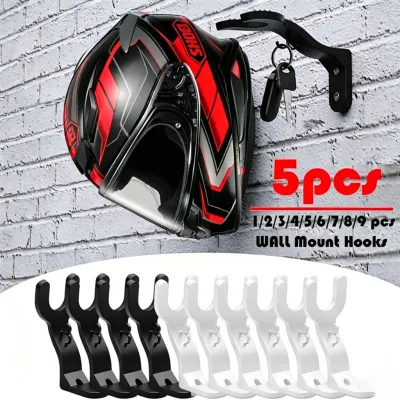
Finding the right place to store your motorcycle helmet is more than a matter of home organization; it is a critical safety decision. Your helmet is your primary line of defense on the road, designed to absorb high-impact forces through its specialized Expanded Polystyrene (EPS) liner. However, improper storage can lead to accidental drops, deformed padding, or mold growth, which silently compromise this protective gear. When choosing a 1-5PCS Motorcycle Helmet Hook Racks Wall Mount Shelf Storage Holder Helmet Display Hanger Stand, you must weigh your physical space, the number of helmets you own, and your local environmental conditions to find the perfect fit.
In the tropical climate of the Philippines, high humidity and ambient heat add another layer of complexity to gear storage. Sweat-soaked liners that do not dry properly quickly become breeding grounds for bacteria and mildew, leading to unpleasant odors and skin irritation. The right storage solution does not just hold your helmet; it actively facilitates airflow, protects the structural integrity of the EPS liner, and keeps your gear readily accessible for your next ride. By evaluating hooks, shelves, and freestanding racks, you can establish a storage setup that preserves your investment and ensures your safety on the road.
Quick Guide: Matching Helmet Storage to Your Space and Needs
Selecting the ideal helmet storage starts with a realistic assessment of your riding lifestyle and your home’s layout. A solo daily commuter navigating the busy streets of Metro Manila has vastly different storage requirements than a multi-rider household or a dedicated gear collector. Before purchasing any mounting hardware, count the exact number of helmets you need to store regularly, including passenger helmets or off-road gear. This count determines whether you can get away with a single minimalist wall fixture or if you require a high-capacity multi-tier system.
Products mentioned in this guide
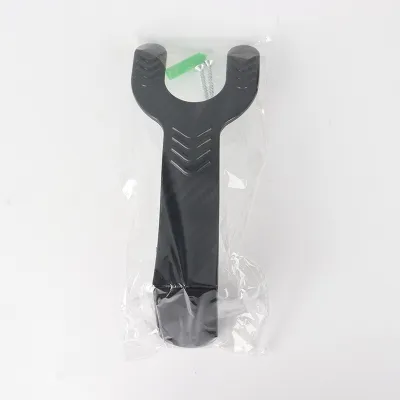
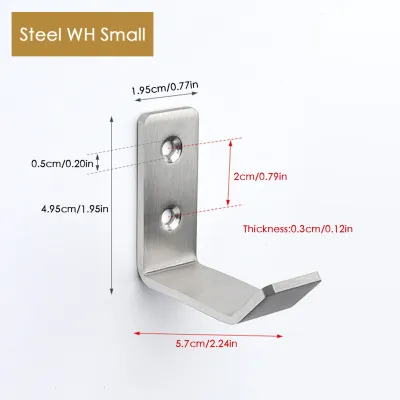
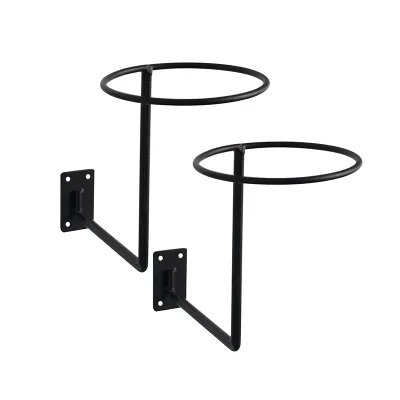
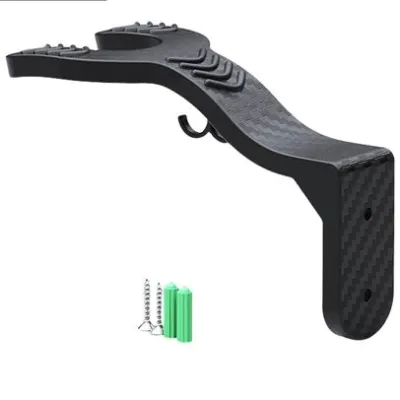
Prices are valid at publication and may change. Please refer to the product page for the latest price.
Your living situation also dictates the physical boundaries of your storage setup. For those living in tight condominium units or rental apartments, floor space is at a premium, making wall-mounted solutions highly attractive. However, rentals often come with strict rules against drilling into concrete or drywall, which might force you to consider freestanding options or damage-free mounting alternatives. Conversely, a spacious suburban garage offers the freedom to install heavy-duty wall shelves or dedicated gear zones, provided you choose the right anchoring hardware for the wall material.
The primary storage categories—hooks, shelves, and freestanding racks—each serve distinct organizational purposes. Hooks offer the smallest footprint and fastest access, making them excellent for daily commuters who need to grab their gear and go. Shelves provide a stable platform that supports the helmet from its flat bottom base, offering extra room for accessories like gloves, intercoms, and keys. Freestanding racks and display stands cater to those who prefer not to drill into walls or who want to showcase premium helmets as design pieces.
Finally, local environmental factors must guide your decision. The Philippine climate is notoriously humid, particularly during the rainy season. Enclosed cabinets or poorly ventilated corners trap moisture inside the helmet’s comfort liner, leading to rapid degradation of the interior foam and fabric. Your storage solution must allow for maximum cross-ventilation, ensuring that air can circulate freely through the bottom of the helmet and out of the vents. Keeping your helmet elevated also protects it from ground-level pests, dust, and accidental bumps from pets or vacuum cleaners.
Helmet Hooks and Hangers: Maximizing Small Spaces for Daily Riders
Wall-mounted hooks and hangers are the ultimate space-saving solutions for riders who prioritize speed and efficiency. By utilizing vertical wall space, these systems keep your entryway or garage floor completely clear, reducing clutter in narrow corridors. This elevation is also a key safety measure; keeping your helmet high on the wall prevents it from being accidentally kicked, knocked over by pets, or exposed to ground-level moisture and pests.

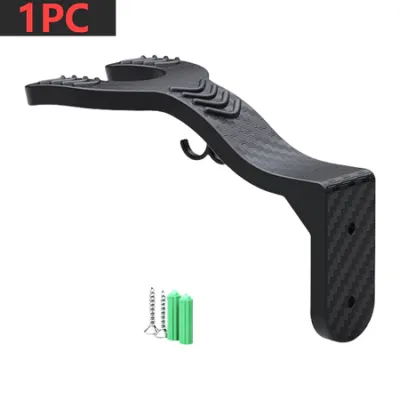
When selecting a hook-based system, the quality of the mounting hardware is just as important as the hook itself. In the Philippines, residential walls are commonly constructed from concrete masonry units (CMU) or solid poured concrete, rather than gypsum drywall. This means that the lightweight plastic wall anchors typically included in imported product packages may not provide sufficient grip. For a secure installation, you should purchase high-quality nylon expansion plugs or sleeve anchors designed specifically for masonry, and use a hammer drill with a matching masonry bit to create the mounting holes.
Single Wall Hooks
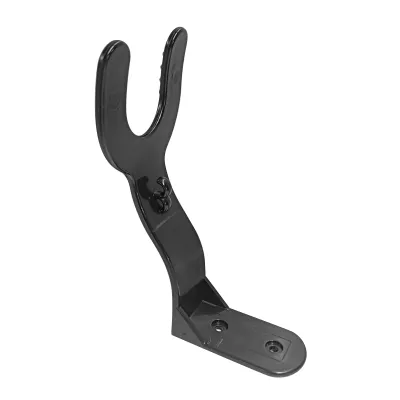
Single wall hooks are the classic choice for solo riders or minimalist entryways. These compact fixtures can be tucked behind doors, mounted next to the main entrance, or placed inside a ventilated utility closet. Because they occupy virtually no horizontal space, they allow you to create a dedicated “launchpad” for your daily commute without disrupting the flow of your living area.
However, not all hooks are created equal, and using the wrong type can permanently damage your helmet. You must look for hooks that feature wide, padded, or rubber-coated contact points. A wide, curved mounting surface distributes the helmet’s weight evenly, preventing localized pressure points from compressing the internal EPS liner. You must strictly avoid using unpadded, sharp metal utility hooks; these can easily scratch your helmet’s premium paint, tear the delicate neck roll fabric, or cause micro-fractures in the protective foam over time.
Multi-Hook Racks (2 to 5 PCS)
For households with multiple riders or enthusiasts who own separate helmets for commuting, touring, and track days, a multi-hook rack system is highly efficient. These systems, often sold in configurations of 2 to 5 pieces, allow you to centralize all your riding gear in one organized zone. This keeps the household tidy and ensures that you never have to search multiple rooms for your spare visor or passenger helmet.
When installing a multi-hook rack, horizontal spacing is a critical factor that is often overlooked. You must ensure there is adequate distance between each hook—typically at least 35 to 40 centimeters—so that adjacent helmets do not knock against each other when being hung up or retrieved. Physical contact between helmets can lead to scratched visors, chipped paint, or damaged external accessories like action camera mounts and Bluetooth communicators. Additionally, because a multi-hook rack concentrates several kilograms of gear in one area, the mounting bracket must be anchored into a solid wall stud or secured with heavy-duty masonry fasteners to prevent the entire assembly from pulling away from the wall.
Wall Shelves and Holders: Organizing Helmets and Riding Gear
Wall shelves and dedicated helmet holders offer a more comprehensive storage solution than simple hooks. Instead of suspending the helmet from an internal point, a shelf supports the helmet from its flat bottom base. This is widely considered the safest orientation for long-term storage, as it mimics how the helmet sits on your head and places zero localized stress on the internal comfort padding or the impact-absorbing EPS liner.
Installing a wall shelf requires more planning and physical space than mounting a simple hook. You must ensure you have sufficient horizontal wall clearance, as shelves protrude further into the room and can become head-strike hazards if mounted too low in narrow hallways. Precise leveling during installation is absolutely critical; a shelf that is even slightly tilted can cause a round helmet to slowly migrate and eventually roll off the edge, resulting in a costly or catastrophic drop.
Helmet Shelves with Integrated Hooks
Hybrid storage units that combine a flat top shelf with integrated lower hooks represent the gold standard of gear organization. On these units, the helmet rests securely on the top platform, while the hooks below are utilized to hang heavy leather riding jackets, gloves, keys, and even your riding pants. This consolidated design keeps your entire riding kit in one place, making pre-ride preparation incredibly efficient.
By resting the helmet on its base, these hybrid shelves keep the weight entirely off the chin strap and D-ring retention system. Suspending a heavy helmet by its strap for months at a time can gradually stretch the nylon webbing or weaken the critical stitching that holds the strap to the shell, which could compromise the retention system’s performance during an accident. Before purchasing a hybrid shelf, always verify the manufacturer’s specified load capacity. A heavy leather jacket combined with a premium helmet and additional accessories can easily exceed 10 kilograms, requiring robust wall anchors and a sturdy shelf frame to ensure long-term stability.
Flat Wall Shelves and Ledges
For riders who prefer a clean, modern aesthetic, simple flat wall shelves or dedicated helmet ledges are an excellent option. These minimalist platforms allow your helmet’s graphics and design to take center stage, effectively turning your safety gear into a piece of wall art. They are also highly versatile, allowing you to store other flat-bottomed items like riding boots, communication docks, or cleaning kits alongside your helmet.
To ensure safety, you must select shelves that incorporate safety features designed specifically for round objects. Look for shelves with a non-slip rubberized surface, a raised front edge lip, or a slight upward tilt toward the wall. These design elements prevent the helmet from sliding off due to minor household vibrations, such as doors slamming or nearby road traffic. Never place a round helmet on a completely smooth, slick floating shelf without some form of physical barrier or recess to keep it securely in place.
Freestanding and Display Stands: Showcasing Your Collection
Freestanding racks and tabletop display stands offer an excellent alternative to wall-mounted systems. These options are highly favored by renters who are prohibited from drilling holes into their walls, as well as riders who frequently reorganize their garage or living space. Because they do not require permanent installation, freestanding units can be easily moved from the entryway to the bedroom or garage as your needs change.
However, freestanding storage comes with distinct trade-offs that you must consider. These units occupy physical floor space, which can restrict movement in smaller rooms or narrow entryways. They also present a potential tipping hazard, especially in households with active pets, young children, or high foot traffic. If a freestanding rack is bumped with enough force, it can topple over, potentially damaging multiple helmets simultaneously.
Freestanding Floor Racks
Freestanding floor racks are heavy-duty, multi-tier storage towers designed to hold a complete set of riding gear. These racks typically feature dedicated cradles for multiple helmets, wide hangers for heavy riding suits, and bottom grates for airing out riding boots. They are highly efficient for households with multiple riders or for keeping your track-day gear separate from your daily commuting wear.
When choosing a floor rack, you must evaluate its base width and overall weight distribution. A stable floor rack should feature a wide, heavy base that lowers the center of gravity, preventing the unit from becoming top-heavy when loaded with helmets on the upper tiers. Look for models with adjustable leveling feet, which allow you to stabilize the rack on uneven garage floors, and ensure the frame is constructed from high-grade steel or heavy-duty aluminum to prevent flexing under load.
Desktop and Shelf Display Stands
Desktop and shelf display stands are specialized, low-profile holders designed to showcase a single premium or collectible helmet. Often constructed from polished wood, clear acrylic, or minimalist metal rods, these stands elevate the helmet slightly off a desk, bookshelf, or display cabinet. They are perfect for riders who want to display a retired racing helmet, a limited-edition model, or simply keep their daily helmet neatly positioned on an office desk.
It is important to recognize that these display stands are designed primarily for presentation rather than rugged, everyday utility. They generally lack integrated hooks for hanging heavy jackets or gloves, and they do not offer the space-saving benefits of wall-mounted systems. However, for protecting a high-value helmet from scratches while keeping it prominently displayed, a dedicated desktop stand is unmatched in elegance.
Quick Comparison: Which Storage Type Fits Your Garage?
To help you decide which storage solution best aligns with your space, helmet collection, and installation capabilities, refer to the comparison table below. This matrix outlines the key characteristics of each major storage category.
| Storage Type | Best Use Case | Space Required | Installation Effort | Key Limitation |
|---|---|---|---|---|
| Single Wall Hooks | Solo daily commuters needing quick access in tight spaces | Extremely low (vertical wall space only) | Low (requires drilling 1-2 wall anchors) | No storage for larger riding gear; potential for shell scratches if unpadded |
| Multi-Hook Racks | Multi-rider homes or owners of multiple helmets | Low to medium (requires horizontal wall span) | Medium (requires precise spacing and solid anchoring) | Helmets can knock together if hooks are spaced too closely |
| Wall Shelves | Comprehensive gear storage (helmet, jacket, gloves, keys) | Medium (requires wall depth and clearance) | High (requires leveling and heavy-duty masonry anchors) | Higher risk of helmet roll-off if not perfectly level or lip-secured |
| Freestanding Stands | Renters, collectors, or those wanting damage-free setups | High (occupies valuable floor or desk space) | None to Low (simple assembly, no wall drilling) | Can be top-heavy; potential tipping hazard in high-traffic areas |
When utilizing this table, cross-reference your specific wall type and helmet count against your budget. Basic single hooks can be found on local e-commerce platforms for as low as ₱150 to ₱300, making them highly accessible. Premium multi-hook racks and hybrid wall shelves generally range from ₱500 to ₱1,500, reflecting their sturdier materials and higher load capacities. For high-end freestanding floor towers or custom acrylic display cases, expect to invest between ₱2,000 and ₱5,000, depending on the build quality and brand.
Essential Helmet Care and Storage Safety in Humid Climates
Proper storage is not just about keeping your space tidy; it is a fundamental aspect of helmet maintenance. In the tropical climate of the Philippines, where high humidity and elevated temperatures are constant challenges, how and where you store your helmet directly impacts its lifespan and protective capabilities. Neglecting proper storage hygiene can lead to material degradation, mold infestation, and a compromise in overall safety.
Avoiding Liner and Strap Degradation Hanging a helmet by its chin strap or D-ring for extended periods is a common habit among riders, but it is highly detrimental to the helmet’s structural integrity. The continuous downward pull of the helmet’s weight stretches the nylon webbing of the retention system and can weaken the critical stitching that holds the strap to the shell. Furthermore, hanging a helmet on a narrow, unpadded hook causes the hook to press deeply into the internal EPS liner. This localized pressure compresses the microscopic air cells in the polystyrene, permanently reducing its ability to absorb impacts in that specific area. To preserve your helmet’s safety rating, always store it resting on its base or use wide, curved, padded hangers that distribute the weight evenly.
Moisture and Odor Control The combination of rider sweat and tropical humidity creates an ideal environment for mold, mildew, and bacteria to thrive inside your helmet’s comfort liner. To combat this, never store your helmet in a completely sealed, unventilated cabinet or plastic container immediately after a ride. Your storage area must have excellent cross-ventilation to allow moisture to evaporate naturally. Additionally, avoid storing your helmet in direct sunlight, such as near a window or in an open carport. Prolonged exposure to ultraviolet (UV) radiation degrades both the outer polycarbonate or fiberglass shell and the internal EPS liner, making the materials brittle and significantly reducing their impact resistance over time. For extra protection in highly humid areas, place reusable silica gel desiccant packs inside the helmet shell when storing it for extended periods.
Pre-Storage Cleaning Before placing your helmet on any rack or shelf, establish a consistent post-ride cleaning routine. Always wipe down the exterior shell with a soft microfiber cloth dampened with clean water to remove road grime, dust, and acidic insect splats, which can eat through the clear coat over time. If you have been riding in heavy rain or sweating profusely, remove the comfort liner and cheek pads (if your helmet model allows) and let them air dry completely in a well-ventilated, shaded indoor area before reassembling and storing the helmet. Putting a damp helmet onto a storage rack traps moisture against the metal or plastic components of the rack, which can lead to corrosion of the helmet’s metal rivets, D-rings, and ventilation mesh.
Frequently Asked Questions (FAQ)
Is it bad to hang a motorcycle helmet on a hook?
It depends entirely on how the helmet is hung and the design of the hook. Hanging a helmet strictly by its chin strap or D-ring on a narrow metal hook is bad for long-term storage, as it stretches the strap webbing and can permanently compress the internal EPS liner. However, hanging a helmet on a wide, curved, and padded wall mount designed specifically for helmets is perfectly safe. These specialized hangers support the crown of the helmet over a large surface area, mimicking the shape of a human head and preventing any localized pressure points or structural damage.
How much weight can a standard wall-mounted helmet hook hold?
The weight capacity of a helmet hook varies widely based on its construction materials and how securely it is anchored to the wall. A standard steel or heavy-duty plastic wall hook can typically support between 5 to 15 kilograms. However, the hook’s theoretical capacity is meaningless if it is poorly installed. In concrete or masonry walls, which are standard in the Philippines, you must use high-quality nylon wall plugs or expansion anchors to achieve maximum load capacity. Relying on cheap, generic plastic anchors or mounting hooks with adhesive tape on painted walls is highly risky and can lead to the hook failing, causing your expensive helmet to drop and sustain permanent damage.
Community discussion
Share your experience or ask a question. Comments are reviewed before publication.