
Riding a motorcycle during the rainy season in the Philippines presents a unique set of challenges. Sudden torrential downpours, high tropical humidity, and reduced road visibility require specialized gear that goes beyond basic water resistance. To stay dry and safe, a high-quality raincoat for motorcycle use must balance absolute waterproof protection with breathability and high-visibility design. Choosing the right gear ensures that your daily commute or long-distance ride remains safe, comfortable, and free from the dreaded “sauna effect” caused by trapping body heat in humid weather.
Key Features to Look for in a Motorcycle Raincoat
To survive a heavy tropical downpour, you must understand how rain gear is constructed. Many budget options rely on simple coated fabrics, where a thin waterproof layer is sprayed onto polyester or nylon. While these are initially effective, the coating can crack, peel, or wear away quickly under the friction of riding. Premium motorcycle raincoats utilize advanced waterproof membranes laminated directly to the outer fabric. These membranes feature microscopic pores that are too small for liquid water droplets to penetrate but large enough to allow sweat vapor to escape, providing a much higher level of comfort.
Even the most advanced fabric will fail if the seams are not properly constructed. When sewing a garment, needles puncture thousands of tiny holes through the waterproof material. High-quality motorcycle rainwear features taped or sealed seams, where a specialized waterproof tape is heat-activated and applied over every internal stitch. This process completely blocks water from seeping through the seams under the high-pressure wind of a moving motorcycle. When shopping, always verify that the product specifications explicitly state “fully taped seams” rather than just “waterproof fabric.”
Products mentioned in this guide
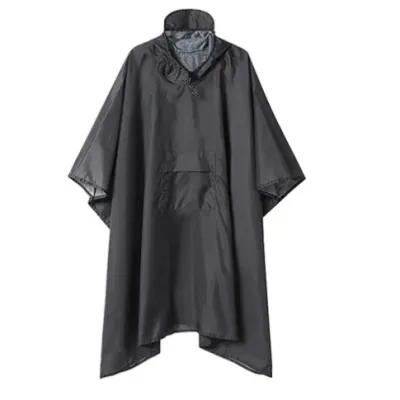
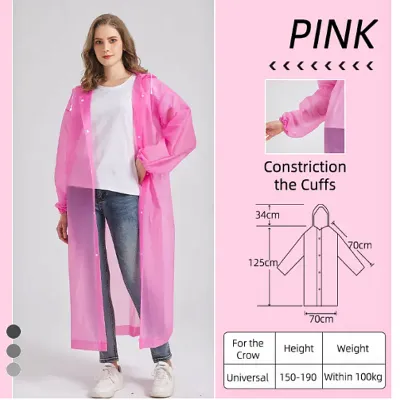
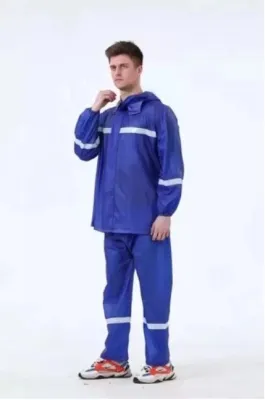
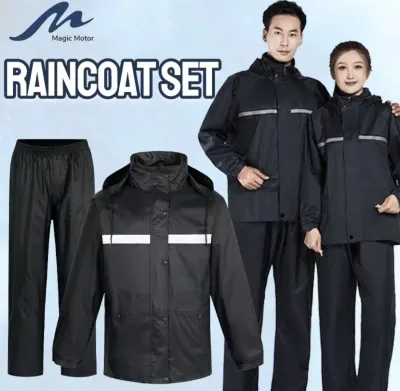
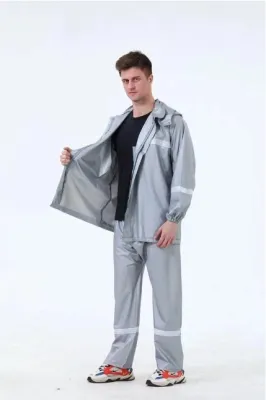
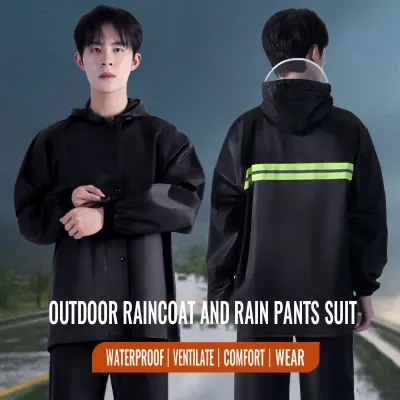
Prices are valid at publication and may change. Please refer to the product page for the latest price.
The intense humidity of the Philippine climate makes breathability a non-negotiable feature. Wearing a non-breathable plastic or heavy PVC suit in stop-and-go traffic quickly turns the interior into a humid sweatbox. Look for raincoats equipped with dedicated ventilation ports, typically located under the armpits or across the upper back. These vents are designed with overlapping flaps that allow hot air and moisture to escape while preventing wind-driven rain from entering. Some advanced models also incorporate moisture-wicking mesh linings to keep the damp outer fabric from sticking directly to your skin or riding clothes.
Visibility drops dramatically during heavy downpours, especially during late-afternoon storms or nighttime rides on poorly lit provincial roads. A safe motorcycle raincoat must incorporate high-visibility elements to ensure other motorists can see you through rain-streaked windshields. Opt for bright, high-contrast colors such as neon yellow, high-vis green, or vibrant orange. Additionally, check for strategically placed retroreflective strips on the chest, back, and sleeves. These strips bounce light from other vehicles’ headlights directly back to the driver, significantly increasing your presence on the road.
Excellent water protection also depends on the physical closures of the garment. Look for double storm flaps that fold over the main zipper and secure with hook-and-loop fasteners or heavy-duty snaps. This double-layer barrier prevents wind-driven water from forcing its way through the zipper teeth. High collars lined with soft microfleece or neoprene help seal the neck area without causing chafing. Finally, adjustable elastic cuffs on the wrists and ankles, combined with gusseted openings, allow you to create a tight seal over your riding gloves and boots, stopping water from traveling up your limbs.
Comparing Rain Gear Styles: Two-Piece Suits vs. Ponchos
Selecting the right style of rain gear requires balancing convenience, aerodynamics, and overall safety. The two primary designs available to riders in the Philippines are two-piece rain suits (consisting of a separate jacket and pants) and motorcycle rain ponchos. Each style serves different riding habits, commute distances, and motorcycle types.

The following comparison table evaluates both styles across critical performance and practical dimensions to help you identify the best option for your riding style:
| Performance Dimension | Two-Piece Rain Suits | Motorcycle Rain Ponchos |
|---|---|---|
| Aerodynamics | Excellent; fits closely to minimize drag | Poor; loose fabric balloons in the wind |
| Ease of Use | Moderate; takes time to pull over boots and gear | High; slips quickly over the head and shoulders |
| Storage Footprint | Larger; requires dedicated top box or under-seat space | Compact; folds easily into small bags or underbones |
| High-Speed Stability | High; secure fit prevents flapping and fatigue | Low; dangerous at speeds above 40 km/h |
| Waterproof Coverage | Complete; covers full body and limbs individually | Partial; can leave lower legs, feet, and back exposed |
| Safety Profile | High; does not interfere with vehicle components | Low; risk of fabric catching in wheels or chain |
Matching your rain gear to your typical riding environment is crucial for both comfort and safety. For short, slow-speed commutes on congested city streets where sudden stops are frequent, a quick-deploy option might seem tempting. However, for riders traversing open highways, provincial roads, or navigating high-speed arterial routes, the stability and comprehensive protection of a two-piece suit are indispensable.
Two-Piece Rain Suits (Jacket and Pants)
Two-piece rain suits represent the gold standard for serious riders who commute daily or embark on long-distance tours. By separating the jacket and pants, this design offers superior aerodynamics, allowing the wind to slide smoothly around your body rather than catching the fabric. This close fit minimizes drag, reduces rider fatigue during extended trips, and prevents the distracting flapping noise common with looser garments. Furthermore, a two-piece configuration provides complete, individual coverage for your upper and lower body, ensuring that water cannot pool in your lap or seep into your waistband.
Despite their clear performance benefits, two-piece suits do have practical trade-offs. Putting them on during a sudden tropical downpour requires you to pull over, remove your shoes or struggle to slide the pants over bulky riding boots, and zip up multiple layers. This process can take several minutes, during which you may already get partially wet. Additionally, two-piece suits are constructed from heavier, more durable materials, meaning they occupy more storage space. If your motorcycle has limited under-seat storage, you will need to allocate space in a top box, tail bag, or backpack to keep the gear readily accessible.
Motorcycle Rain Ponchos
Motorcycle rain ponchos are widely popular among scooter and underbone riders due to their unmatched convenience and low cost. When a sudden afternoon shower strikes, a poncho can be thrown over your head in seconds without requiring you to remove your footwear or struggle with complex zippers. Many designs feature an extended front drape that can be pulled over the front handlebars to shield your hands and instrument cluster, as well as a spacious cut that easily accommodates a large backpack or bulky riding jacket underneath.
However, riding with a poncho comes with severe safety risks that must be carefully managed. The loose, billowing fabric of a poncho acts like a sail in the wind, catching drafts and creating unpredictable aerodynamic forces that can destabilize your motorcycle at higher speeds. More critically, loose fabric can easily drape over your taillight and turn signals, rendering you invisible to drivers behind you. There is also a high risk of the long hem flapping into the rear wheel, chain, or hot exhaust pipe, which can melt the material, damage the motorcycle, or cause a sudden, catastrophic crash. For these reasons, ponchos should only be used at very low speeds on quiet streets, and never on open highways.
Critical Fit and Safety Checks Before You Ride
Before heading out into a heavy downpour, you must verify that your rain gear fits correctly and does not compromise your control over the motorcycle. Always test the fit of your raincoat and pants while sitting on your motorcycle in your natural riding posture. A jacket that fits perfectly while standing may ride up when you reach for the handlebars, exposing your lower back to cold wind and rain. Similarly, the pants must have enough rise in the seat and room in the knees so they do not restrict your leg movement, prevent you from shifting gears, or interfere with your ability to grip the fuel tank with your thighs.
The connection between your helmet and your raincoat collar is a common entry point for water. Put on your helmet and fasten the raincoat’s collar completely to check the integration. The collar should sit high and tight enough to prevent water dripping from the back of your helmet from running down your neck, yet it must remain loose enough to allow you to perform over-the-shoulder head checks without restriction. If the collar is too tight, it can limit your peripheral vision and neck mobility, creating a significant safety hazard when changing lanes in poor visibility.
Loose straps, drawcords, and flapping fabric are not just annoying; they are safety hazards. Before pulling away, carefully tuck in and secure all adjustment cords, hood drawstrings, and waist straps. Ensure that the excess material of your raincoat does not drape over your motorcycle’s mirrors, headlight, turn signals, or brake lights. It is vital that your safety signaling remains fully visible to other road users, especially when rain and road spray reduce overall visibility.
Finally, perform a quick hands-on control check. Ensure that the sleeves of your raincoat do not bunch up at the wrists or restrict your hand movement. The cuffs must not interfere with your ability to grip the handlebars firmly, modulate the throttle smoothly, or pull the brake and clutch levers. If your raincoat has thick, bulky cuffs, make sure they fit comfortably inside or over your glove gauntlets without blocking access to your handlebar switches, horn, and turn signal buttons.
Caring for Your Rain Gear in a Humid Climate
The hot, humid climate of the Philippines is a breeding ground for mold, mildew, and bacteria, which can rapidly destroy the waterproof properties of your gear if it is not maintained correctly. When cleaning your motorcycle raincoat, always refer to the manufacturer’s care label first. Avoid using harsh household detergents, bleach, or fabric softeners. These chemicals strip away the external water-repellent coatings and can clog the microscopic pores of breathable membranes, permanently ruining their performance. Instead, wash your gear by hand using a mild, technical cleaner designed specifically for waterproof fabrics, or use a gentle, scent-free soap.
Over time, even the highest-quality raincoats will begin to lose their surface water repellency. You can identify this when the outer fabric starts to absorb water and look dark and heavy—a phenomenon known as “wetting out”—rather than allowing water droplets to bead up and roll off. When this occurs, the breathable membrane underneath becomes blocked by the saturated outer fabric, causing sweat to build up rapidly inside. To restore this performance, you can safely reapply a spray-on Durable Water Repellent (DWR) treatment. Ensure the garment is completely clean and dry before spraying the treatment evenly across the exterior surface, paying close attention to high-friction areas like the shoulders and seat.
Proper drying and storage are critical to preventing the growth of foul-smelling mildew and the degradation of waterproof seam tapes. Never store a damp or wet raincoat in an enclosed compartment, such as under your motorcycle seat, inside a top box, or stuffed into a backpack. This trapped moisture will quickly break down the polyurethane coatings and adhesive tapes. Instead, hang the raincoat and pants on wide, padded hangers in a well-ventilated, shaded indoor area. Allow the gear to air-dry completely inside and out before folding it loosely and storing it in a cool, dry place away from direct sunlight.
Frequently Asked Questions (FAQ)
Can I use a standard outdoor raincoat for riding a motorcycle?
Standard outdoor raincoats designed for hiking or walking are not built to withstand the unique forces of motorcycle riding. They generally lack the heavy-duty abrasion resistance needed to survive a slide on asphalt, and their lightweight fabrics will balloon and flap violently at motorcycle speeds. This flapping causes rapid rider fatigue and can tear the seams apart. Furthermore, standard raincoats lack the specialized wind-proofing and high-pressure seam construction required to stop water from forcing its way through the fabric when riding at 50 km/h or faster.
How often should I re-waterproof my motorcycle rain gear?
There is no fixed calendar schedule for reapplying a waterproof treatment; instead, you should monitor how the fabric behaves in the rain. If you notice that water is no longer beading on the surface and the outer fabric is absorbing moisture (wetting out), it is time to reapply a DWR treatment. For daily commuters riding through the intense Philippine wet season, this maintenance check is typically required once or twice a season, or after every three to four wash cycles, depending on the severity of the rain and how often the gear is exposed to road grime.
Is it better to buy a motorcycle raincoat one size larger?
Yes, it is generally advisable to purchase a motorcycle raincoat that is one size larger than your standard shirt size, but you must avoid going too large. The raincoat needs to fit comfortably over your standard daily clothing, bulky riding jacket, body armor, or a small backpack without restricting your range of motion. However, if you choose a size that is excessively large, the loose fabric will catch the wind, create heavy aerodynamic drag, flap loudly against your body, and potentially interfere with your motorcycle’s controls or obscure your vision.

Community discussion
Share your experience or ask a question. Comments are reviewed before publication.