
Selecting the ideal adventure (ADV) motorcycle windshield visor in the Philippines is not about finding a single, universally perfect product. Instead, it is a highly individualized decision that depends on your specific motorcycle model, your physical height, your typical riding environments, and local weather patterns. A visor that provides excellent wind protection for a tall rider on the highway might cause severe helmet buffeting for a shorter rider or restrict crucial airflow during slow, congested city commutes. To make an informed purchase, you must evaluate how different visor designs interact with your motorcycle’s aerodynamics, verify exact fitment compatibility, and understand how various materials perform under the intense tropical sun and heavy monsoon rains.
Assessing Your ADV Riding Style and Needs
To narrow down your options, first define your primary riding environment and how you use your adventure motorcycle. Riders who use their ADV bikes for daily commuting through congested urban areas require a different setup than those who embark on long-distance touring across provinces. For city riding, a lower-profile visor is often advantageous because it allows maximum airflow to keep you cool in stop-and-go traffic while preserving a clear, unobstructed view of the immediate road surface and nearby obstacles.
Conversely, long-distance touring demands a taller or more aerodynamically advanced visor that deflects high-speed wind over your helmet and shoulders. This reduces rider fatigue, neck strain, and wind noise during hours of highway cruising. When determining the necessary height, consider your seated eye level. Ideally, you should be able to look over the top edge of the visor rather than through it, as dirt, rain, and road grime can quickly obscure your vision if you are forced to look directly through the plastic screen.
Products mentioned in this guide
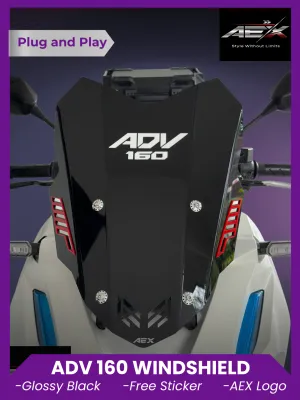
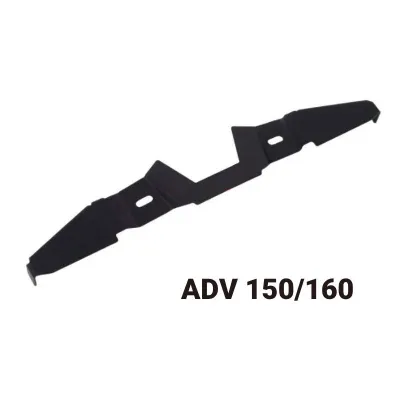
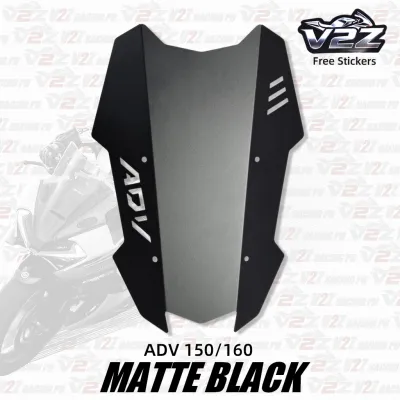
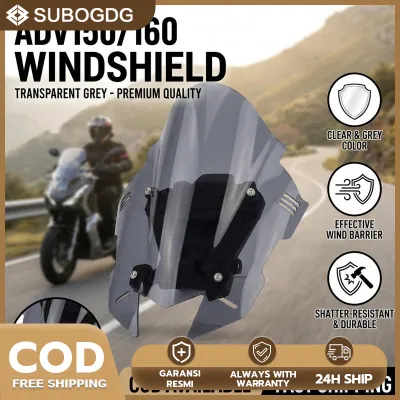
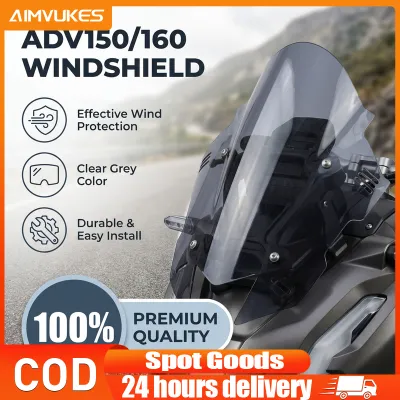
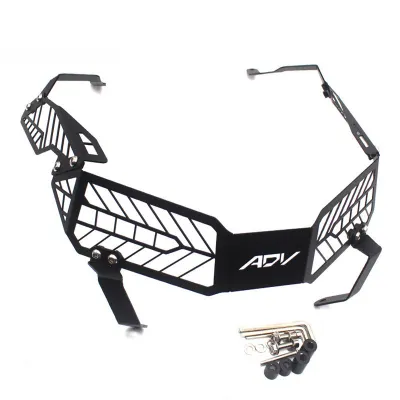
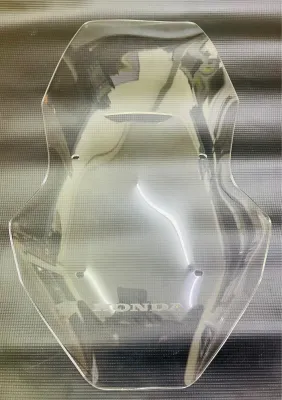
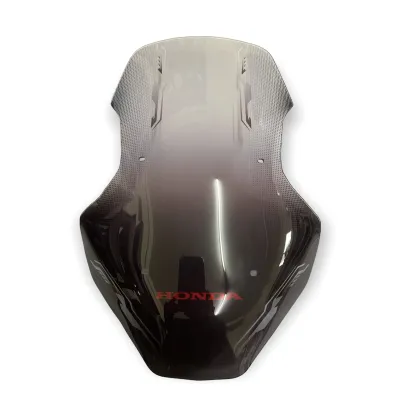
Prices are valid at publication and may change. Please refer to the product page for the latest price.
If your adventures frequently take you off-road or onto dual-sport trails, your requirements shift toward durability and physical clearance. Tall, rigid touring screens can become a hazard on rough terrain, where the bike bounces violently and you may need to stand on the footpegs. In these scenarios, a smaller, flexible, or easily adjustable visor is preferred to prevent the screen from striking your helmet or chest during steep climbs, and to minimize the risk of the visor snapping if the motorcycle tips over on a trail.
Key Features to Evaluate in a Windshield Visor
When comparing different windshield visors, look beyond generic marketing terms and carefully examine the technical specifications listed on the product labels. The two most common materials used are polycarbonate and acrylic, each offering distinct physical properties. Polycarbonate is highly impact-resistant and less likely to shatter upon impact from flying gravel or road debris, making it an excellent choice for rugged ADV riding. However, it is more susceptible to scratching unless it features a specialized hard-coated outer layer. Acrylic, while more prone to cracking under severe impact, offers superior optical clarity and scratch resistance, and it does not yellow as quickly under prolonged exposure to sunlight.

Adjustability is another critical feature to evaluate. Some visors feature tool-less adjustment mechanisms, such as quick-release levers or sliding brackets, which allow you to alter the height or angle of the screen on the go to match changing weather or road conditions. Other models rely on fixed, bolt-on brackets that require tools to adjust. While bolt-on systems are generally more robust and less prone to vibration-induced slipping, they lack the convenience of rapid adjustment when transitioning from high-speed highways to slow, hot city streets.
Aerodynamic design elements play a major role in rider comfort. Look for visors that incorporate integrated air vents, curved spoilers, or flared top edges. These features are engineered to manage air pressure differentials. An open vent near the base of the visor allows a small amount of controlled airflow to pass through, which helps equalize the pressure behind the screen and significantly reduces the turbulent, low-pressure pocket that causes helmet buffeting and fatiguing wind noise.
Adapting to Philippine Weather and Road Conditions
Riding an ADV motorcycle in the Philippines presents unique environmental challenges, ranging from sudden torrential downpours during the monsoon season to intense heat and humidity. During heavy rains, water droplets can accumulate rapidly on your windshield, severely distorting your view of the road. To maintain clear visibility, look for visors with built-in hydrophobic or water-beading surface treatments, or ensure the material is compatible with aftermarket water-repellent coatings authorized for use on optical plastics.
The intense tropical sun and high UV index also demand careful consideration. Prolonged exposure to ultraviolet radiation can cause low-quality plastics to become brittle, hazy, or yellowed over time. Choosing a visor with certified UV-resistant properties helps preserve its structural integrity and optical clarity over years of use. While tinted visors can reduce daytime glare and eye strain, you must verify local traffic regulations and Land Transportation Office (LTO) guidelines before purchasing. Extremely dark tints can become highly hazardous during night rides or sudden rainstorms when ambient light levels drop dramatically.
Furthermore, the contrast between highway cruising and urban traffic jams requires a balanced approach to wind protection. A massive, fully enclosed touring screen that blocks all wind might feel comfortable at high speeds on the expressway, but it can quickly turn your cockpit into an airless, stifling environment when you are stuck in slow-moving traffic under the midday sun. Selecting a visor that allows for adjustable airflow or features a modular design helps you stay cool and alert regardless of traffic conditions.
Verifying Fitment and Accessory Compatibility
Before purchasing any ADV windshield visor, you must perform a strict fitment check to ensure it is compatible with your specific motorcycle. Never assume a visor will fit based solely on a broad category description or because it looks similar to your bike’s stock screen. Always cross-reference the manufacturer’s official fitment guide with your motorcycle’s exact make, model, and production year, as manufacturers frequently update mounting bracket designs and fairing shapes between model years.
Inspect your motorcycle’s existing mounting points to determine if the new visor kit requires any modifications. High-quality, model-specific visors are designed to bolt directly onto the original factory mounting holes without requiring you to drill, cut, or permanently alter your bike’s fairings. If a product manual suggests making irreversible structural modifications to your motorcycle, stop and consult a qualified professional mechanic to ensure the structural integrity of your front subframe is not compromised.
Additionally, you must verify physical clearance with all other front-end accessories. Turn your handlebars fully from lock to lock—both to the extreme left and extreme right—to ensure the new visor does not collide with your side mirrors, handguards, brake reservoirs, or aftermarket crash bars. Any physical interference can restrict your steering range, which is extremely dangerous during low-speed maneuvering or emergency swerves.
Safe Installation and Routine Maintenance
Proper installation is vital to ensure your windshield visor remains secure and does not fail at high speeds. Before performing any disassembly or installation, always consult your motorcycle’s original-equipment manufacturer (OEM) manual. When mounting the visor, follow the exact torque specifications provided in the product manual. Over-tightening the mounting bolts can easily crack the plastic around the mounting holes, while under-tightening can allow vibrations to back the bolts out over time. Using rubber washers or dampening grommets between the metal hardware and the plastic screen is highly recommended to absorb road vibrations and distribute clamping pressure evenly.
Maintaining your visor requires gentle care to preserve its optical clarity. Only use cleaning solutions that are explicitly authorized by the visor manufacturer’s label. Avoid using household glass cleaners, dish soaps, or petroleum-based solvents, as these harsh chemicals can strip away protective UV coatings, cause micro-cracking along the edges, or permanently cloud the plastic. Instead, use a clean, high-quality microfiber cloth and clean water or a dedicated motorcycle plastic cleaner to gently wipe away dust, bugs, and road grime.
Finally, establish a routine inspection habit. The rough roads, potholes, and unpaved trails common in many parts of the Philippines subject your motorcycle to constant, high-frequency vibrations. Regularly check all mounting brackets, bolts, and quick-release mechanisms to ensure nothing has vibrated loose. If you notice any hairline cracks developing around the mounting holes or structural brackets, replace the affected components immediately to prevent a sudden, catastrophic failure while riding.
Frequently Asked Questions (FAQ)
Can I use a universal windshield visor on my ADV motorcycle?
While universal windshield visors are widely available on various ecommerce platforms, they present significant fitment and safety challenges compared to model-specific options. Universal kits rely on highly adjustable, multi-jointed mounting brackets designed to clamp onto handlebars or existing structures. These complex brackets have more failure points and are highly susceptible to slipping under high wind loads or heavy vibrations. Furthermore, universal visors are not aerodynamically optimized for your specific motorcycle’s fairing design, which can lead to severe helmet buffeting, increased wind noise, or handling instability. If you choose to use a universal kit, you must carefully verify that the mounting hardware does not interfere with your controls, cables, or steering clearance before riding.
Does a taller windshield visor improve high-speed stability?
A taller windshield visor does not automatically improve high-speed stability, and in some cases, it can actually degrade your motorcycle’s handling. While a taller screen is highly effective at deflecting wind over the rider to reduce physical fatigue, it also increases the motorcycle’s frontal surface area. This larger surface acts like a sail, making the bike significantly more sensitive to strong crosswinds and the aerodynamic wake of large trucks on the highway. Additionally, if the visor is not designed with proper aerodynamic relief vents, it can create a strong low-pressure vacuum behind the screen, pulling the rider forward and causing turbulent air to buffet the helmet. For optimal stability, focus on a visor that balances height with aerodynamic shaping, such as a flared top edge or integrated spoilers.
Are tinted windshield visors legal for motorcycles in the Philippines?
The legality of tinted windshield visors on motorcycles in the Philippines depends on visibility standards and specific guidelines enforced by the Land Transportation Office (LTO) and local traffic authorities. Generally, any modification that severely obstructs the rider’s clear view of the road ahead or prevents law enforcement officers from identifying the rider can be subject to citations or fines. Because regulations regarding tint darkness and windshield modifications can be updated, you should consult the latest official LTO guidelines or visit a local district office to verify current compliance requirements. For safety, if your visor is tall enough that you must look through it to see the road, it is highly recommended to stick to a completely clear screen to ensure maximum visibility under all riding conditions, especially at night or during heavy rain.
Community discussion
Share your experience or ask a question. Comments are reviewed before publication.