
To choose the right 12V electric fan for your Honda Click or Yamaha Mio, you must first identify whether you need a replacement radiator fan for engine cooling or an auxiliary fan for personal rider comfort. Because these two popular scooter families utilize completely different cooling designs and have strict electrical limits, selecting a fan requires verifying physical dimensions, mounting clearances, and electrical draw against your specific scooter’s manual. Making an incorrect choice can lead to a drained battery, blown fuses, or physical interference with your steering controls.
Determine Your Primary Goal: Engine Cooling vs. Rider Comfort
The Honda Click is a liquid-cooled scooter that relies on a radiator, coolant, and an electric radiator fan to manage engine temperatures. If your Click’s original radiator fan fails, the engine will quickly overheat, especially when idling in heavy traffic. In this scenario, you need a high-performance, weather-sealed 12V radiator fan designed specifically to pull air through the radiator fins to keep the coolant temperature within safe limits.
In contrast, most classic Yamaha Mio models, such as the Mio Sporty, Mio i125, or Mio Soul i125, are air-cooled. These scooters use a plastic cooling fan bolted directly to the engine’s flywheel to force air over the cylinder head. For these air-cooled scooters, there is no radiator. If you are looking for a 12V fan for a Mio, you are likely seeking an auxiliary personal cooling fan to blow air on your body during hot commutes, or an aftermarket auxiliary fan to assist an external oil cooler if your engine has been heavily modified.
Products mentioned in this guide
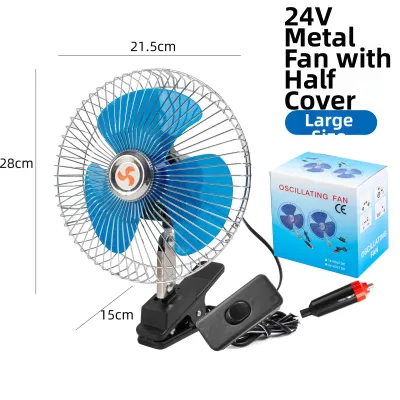
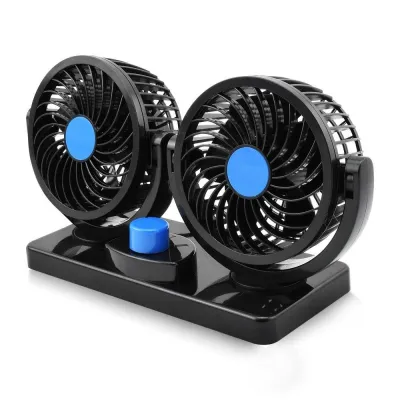
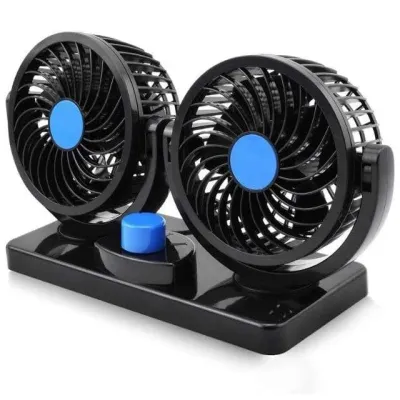
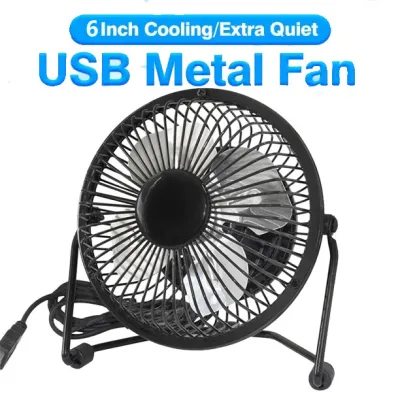
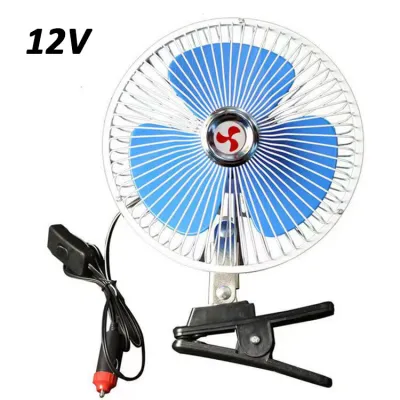
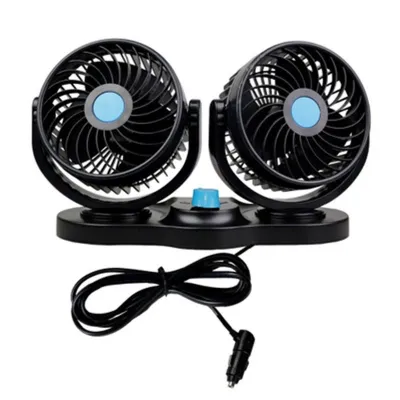
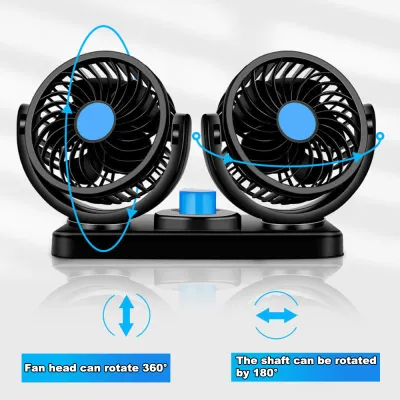
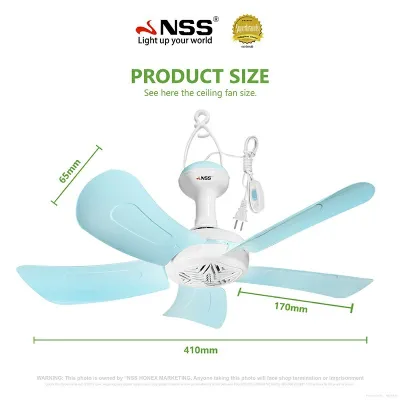
Prices are valid at publication and may change. Please refer to the product page for the latest price.
Confusing these two categories can lead to serious issues. An auxiliary personal fan is not built to withstand the extreme heat, dirt, and moisture of an engine bay, nor does it have the static pressure needed to cool a radiator. On the other hand, an engine cooling fan is bulky, lacks safety grilles to protect your fingers, and draws far too much electrical current to be safely mounted on your handlebars as a personal blower.
Furthermore, their operational controls differ significantly. An engine radiator fan must be controlled automatically by a thermostat switch or the scooter’s engine control unit so that it only runs when the engine is hot. An auxiliary rider fan, however, is typically operated via a manual handlebar switch, allowing you to turn it on and off as needed during your commute.
Essential Selection Criteria for 12V Scooter Fans
Selecting a 12V fan requires careful evaluation of physical and technical specifications. You must assess the airflow direction, waterproofing ratings, and material durability to ensure the fan can survive the harsh riding conditions in the Philippines.

Matching the physical footprint of the fan to the available space on your scooter is critical. A fan that is even a few millimeters too wide or deep can rub against fairings, pinch control cables, or restrict your steering angle.
Electrical System Limits and Power Draw
Before purchasing any electrical accessory, you must verify your scooter’s electrical capacity. The Honda Click and Yamaha Mio are equipped with small stators and batteries designed primarily to support stock components like the ignition system, fuel injection, and standard lighting. Adding a high-draw 12V fan can easily overwhelm this system.
Start by consulting your scooter’s owner’s manual to find the stator’s maximum wattage output and the main fuse rating. Most modern 125cc to 160cc scooters have limited excess electrical capacity, often leaving less than 30 to 50 watts of headroom for aftermarket accessories after accounting for the headlight, taillight, and ECU.
To determine if your scooter can handle an auxiliary fan, calculate the total amperage of all installed accessories. Use the formula: Amps = Watts / Volts. For example, if you have installed auxiliary LED lights that draw 30 watts and a phone charger that draws 10 watts, your existing accessories already draw approximately 3.3 amps on a 12V system. Adding a fan that draws another 2 amps (24 watts) might push your charging system past its limit.
Using a high-draw fan will drain your battery while idling at traffic lights, as the stator does not produce its maximum charging output at low engine speeds. Over time, this leads to a weak battery, starting difficulties, or a blown main fuse, which can leave you stranded on the road.
Mounting Mechanisms and Vibration Resistance
A secure mounting solution is essential to prevent the fan from vibrating loose during daily rides. Philippine roads present various challenges, from potholes to uneven asphalt, which subject your scooter to continuous high-frequency vibrations.
Compare the common mounting types available for auxiliary fans. Handlebar clamps are highly popular for scooters with exposed handlebars, such as certain Yamaha Mio variants. Mirror stem mounts are another versatile option, attaching directly to the mirror thread. However, keep in mind that Yamaha scooters typically use a reverse (left-hand) thread on the right-side mirror, which requires a compatible mounting bracket. Custom bolt-on brackets are ideal for the Honda Click, where the handlebars are fully enclosed in plastic fairings, requiring you to mount accessories to existing fairing bolts or mirror bases.
To prevent plastic fatigue and annoying rattles, always use rubber grommets or vibration-dampening pads at all mounting contact points. Without these, the constant vibration can crack your scooter’s plastic fairings or damage the fan’s internal motor bearings over time.
Additionally, inspect the fan’s housing material. Look for UV-stabilized plastics or anodized aluminum. Cheap, non-UV-treated plastics will quickly become brittle and crack under the intense tropical sun, while low-grade metals will corrode rapidly when exposed to rain and high humidity.
Verifying Fitment for Honda Click and Yamaha Mio
Verifying physical fitment is a crucial step before finalizing your purchase. The Honda Click and Yamaha Mio have very different body designs, each presenting unique space constraints.
For the Honda Click, the front fascia is highly compact, leaving very little room behind the fairings. If you are replacing the radiator fan, you must measure the exact depth clearance between the radiator core and the engine block to ensure the new fan does not contact any moving engine parts. If you are mounting an auxiliary rider fan, the fully covered handlebars mean you must find alternative mounting points, such as the mirror stems, while ensuring the fan does not block your view of the instrument panel.
For the Yamaha Mio, the challenges are different. Depending on the specific Mio model, you may have exposed handlebars, but the leg shield area is often tight. If you mount an auxiliary fan near the knees or on the inner fairing, you must measure the clearance carefully to ensure your knees do not hit the fan housing while riding or turning.
Always measure the available clearance with the handlebars turned fully to the left and right (full steering lock). The fan, its mounting bracket, and its wiring must not pinch the throttle cable, brake hoses, or wiring harnesses, nor should they hit any windshield or aftermarket accessories you have installed.
Finally, check the electrical connector type. Many aftermarket fans come with generic bare wires or multi-pin connectors that do not match your scooter’s OEM wiring harness. To avoid cutting or splicing your original wires—which can lead to loose connections and water intrusion—look for plug-and-play adapters or use high-quality, weather-sealed connectors that can be crimped onto the wires properly.
Safe Wiring and Installation Practices
Safe wiring practices are non-negotiable when modifying your scooter’s electrical system. Poorly executed wiring is a leading cause of electrical failures, battery drains, and even vehicle fires. Always prioritize safety and refer to your vehicle’s original wiring diagram before making any modifications.
Avoid simply stripping wires and wrapping them around battery terminals or splicing directly into the main harness with electrical tape. While plug-and-play setups using an existing 12V accessory socket are convenient for low-draw personal fans, hardwiring is necessary for permanent installations or higher-draw radiator fans.
When hardwiring a fan, always install an inline fuse on the positive power wire as close to the battery or power source as possible. This fuse acts as a safety barrier; if the fan motor seizes or a wire chafes against the frame and shorts out, the fuse will blow instantly, protecting your scooter’s expensive wiring harness from melting.
For radiator fans or any fan drawing more than a few amperes, you must use a 12V automotive relay. A relay allows you to power the fan directly from the battery through a fused circuit, using a low-current “trigger” wire connected to an ignition-switched source (such as the accessory wire). This ensures the fan only receives power when the key is turned on, preventing the fan from running continuously and draining your battery when the scooter is parked.
Route all wires carefully along the existing frame harness, securing them with UV-resistant cable ties. Keep wires away from hot engine components, sharp metal edges, and moving steering parts that could pinch or wear through the insulation. If you are not completely confident in your ability to identify correct wire polarities, crimp secure terminals, or install a relay, stop immediately and consult a qualified motorcycle electrician.
Sourcing and Evaluating Options in the Philippines
When sourcing a 12V electric fan in the Philippines, you will find a wide variety of options on e-commerce platforms and in local motorcycle parts shops. Evaluating these options carefully is key to avoiding low-quality products that fail after a few rides.
Start by checking seller ratings, return policies, and warranty terms. Reliable sellers on online marketplaces will have high positive feedback scores and a history of resolving customer issues. Be cautious of listings that offer suspiciously low prices in ₱ compared to established brands, as these often feature sub-standard motors, poor waterproofing, and brittle plastics.
Look for listings that provide detailed technical specifications, including dimensions, wattage, amperage draw, and IP (Ingress Protection) ratings. A fan rated IP67 or higher is highly recommended for scooter use, as it is designed to withstand dust and heavy rain.
Read through verifiable user reviews, paying close attention to those that include photos or videos of actual installations on a Honda Click or Yamaha Mio. These reviews often contain valuable real-world feedback regarding fitment challenges, mounting bracket compatibility, and overall performance under local tropical conditions.
Frequently Asked Questions (FAQ)
Will adding a 12V auxiliary fan void my Honda Click or Yamaha Mio warranty?
Tapping into the main wiring harness, cutting OEM wires, or splicing into factory connectors will typically void the electrical portion of your scooter’s manufacturer warranty. To preserve your warranty, use non-invasive power sources, such as a dedicated accessory socket, or use plug-and-play wiring harnesses that connect directly to accessory terminals without altering the original wiring. Always consult your dealer’s warranty terms before making modifications.
Can I use a standard automotive 12V fan on my scooter?
Using a standard automotive 12V fan on a scooter is generally not recommended. Car fans are designed for much larger electrical systems and typically draw significantly more current than a scooter’s small stator can produce, which will quickly drain your battery. Additionally, automotive fans are physically much larger and heavier, making them extremely difficult to mount securely within the tight clearances of a Honda Click or Yamaha Mio without interfering with steering or safety.
How do I maintain the fan during the rainy season?
To maintain your 12V fan during the rainy season, perform regular visual inspections of all wiring connections, looking for signs of corrosion, loose terminals, or cracked insulation. Ensure that all electrical joints are sealed with heat-shrink tubing or waterproof connector boots. Periodically check the fan blades for accumulated road debris, mud, or leaves, and verify that the motor housing seals remain intact to prevent water from entering the internal motor components.
Community discussion
Share your experience or ask a question. Comments are reviewed before publication.