
Upgrading to an aftermarket big brake disc is one of the most popular modifications for the Yamaha Sniper 155 in the Philippines. While many riders seek out larger rotors to give their underbone a more aggressive, sporty look, the primary mechanical benefit of a larger disc is improved braking leverage and better heat dissipation. In a tropical climate characterized by intense summer heat, sudden torrential downpours, and demanding stop-and-go city traffic, a well-chosen brake upgrade can significantly enhance your riding confidence.
However, selecting the right big disc is not as simple as picking the most popular brand off an online marketplace shelf. Because your motorcycle’s braking system is its most critical safety component, any modification must be approached with technical precision. To find the setup that best balances performance, durability, and cost, you must look past marketing hype and focus on verified physical specifications, system compatibility, and the real-world demands of your daily routes.
Safety Boundaries and Fitment Verification Before Upgrading
Modifying your motorcycle’s braking system directly impacts your safety on the road. Any alteration to the original factory setup can alter the handling dynamics and stopping characteristics of your vehicle. Therefore, it is essential to prioritize strict adherence to manufacturer specifications and, whenever possible, have all modifications installed or thoroughly inspected by a qualified motorcycle mechanic before taking your bike onto public roads.
Products mentioned in this guide
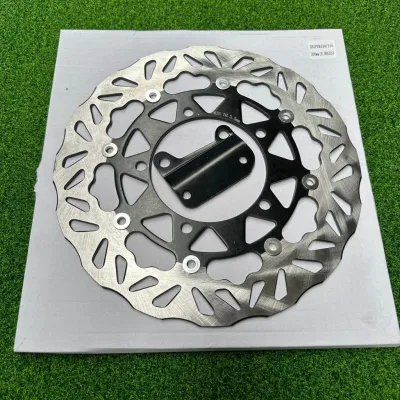
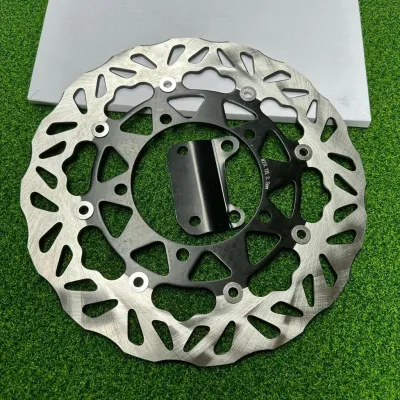
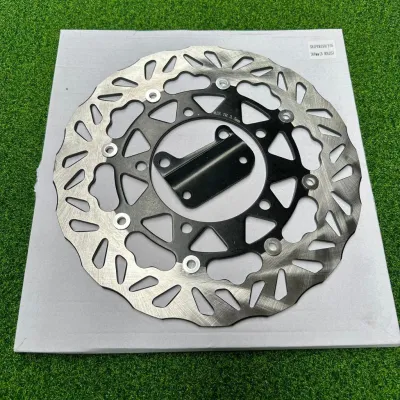
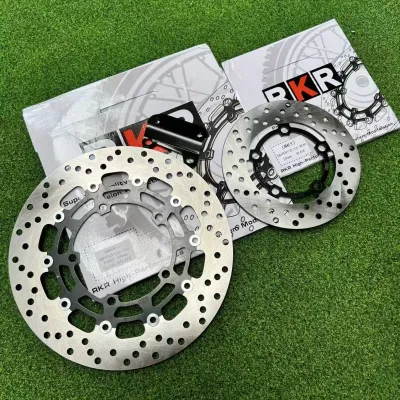
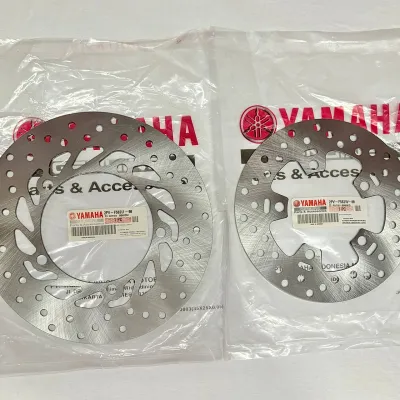
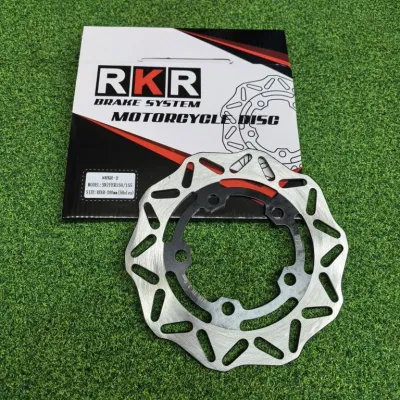
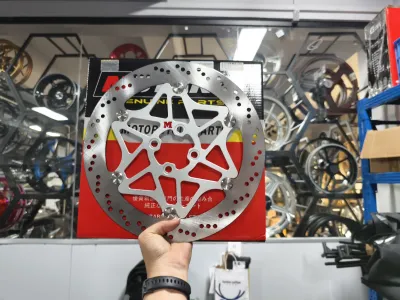
Prices are valid at publication and may change. Please refer to the product page for the latest price.
Before purchasing any aftermarket big disc, you must verify the exact model year and trim of your Yamaha Sniper 155. The Sniper 155 is available in both standard and ABS (Anti-lock Braking System) variants, and these versions often feature different wheel hub designs, bolt patterns, and sensor configurations. A disc designed for a non-ABS model may not accommodate the ABS pulser ring, which can disable your safety systems and trigger warning lights on your dashboard.
Additionally, moving to a larger disc diameter requires relocating the brake caliper further outward from the wheel axle. This means you must check the clearance between your front fork legs, the wheel spokes, and the new caliper mounting position. Ensure that the aftermarket caliper bracket included with your disc is specifically engineered for your exact fork model to prevent physical interference, uneven pad wear, or catastrophic binding while riding.
Finally, consider the hydraulic balance of your braking system. Installing a significantly larger disc increases the mechanical leverage on your front wheel, which can make your stock brake lever feel highly sensitive or grabby. To maintain a progressive and predictable lever feel, many professional mechanics recommend upgrading your master cylinder, brake lines, and calipers in tandem with the larger rotor to ensure the hydraulic pressure remains balanced and controllable.
Core Specifications to Compare Across Aftermarket Brands
When comparing different aftermarket big disc options, the first physical dimension to evaluate is the outer diameter and thickness. Standard Sniper 155 front discs typically measure around 245mm, while aftermarket upgrades commonly range from 260mm to 300mm or larger. Refer to the manufacturer’s official specification sheets to verify that the advertised diameter is compatible with your wheel size and does not interfere with the inner barrel of your rim or aftermarket fender mounts.

Material composition is another critical factor that determines how well a disc performs and how long it lasts. Most budget-friendly aftermarket discs are made of standard stainless steel, which offers decent rust resistance but can warp under extreme thermal stress. Mid-range and premium options often utilize high-carbon steel or a floating design. Floating discs feature an outer steel friction ring connected to an inner aluminum carrier by specialized rivets, allowing the outer ring to expand and contract independently as it heats up, preventing warping.
You must also carefully verify the mounting pattern of the disc to ensure a direct bolt-on fitment. This includes checking the exact bolt hole count, the Pitch Circle Diameter (PCD), and the hub offset. Some aftermarket wheels or custom hubs may use non-standard mounting dimensions. Attempting to force a disc with an incorrect offset onto your hub by using custom washers or unrated spacers can lead to wheel misalignment, severe vibration, and eventual structural failure of the mounting bolts.
Assessing Durability and Performance Claims
The aftermarket motorcycle parts market is filled with bold performance claims, but as a responsible rider, you should filter out marketing hype by looking for verifiable indicators of quality. Check the product packaging or the manufacturer’s official documentation for recognized quality certifications, such as ISO standards or European TUV markings. These certifications indicate that the manufacturing facility adheres to strict quality control protocols during production.
It is also helpful to understand that features like wave-shaped outer edges, drilled holes, and slotted faces are structural design choices rather than guaranteed performance shortcuts. Drilled holes help vent gas and water from the pad surface, while slots help sweep away brake dust and glaze. While these features assist in heat management and wet-weather performance, they also reduce the overall surface area of the disc, meaning they must be paired with high-quality brake pads to deliver a noticeable improvement in stopping power.
To gauge real-world durability in the Philippines, look for verified purchaser feedback that addresses local riding conditions. Pay close attention to reports of surface rust after exposure to heavy rain, premature warping during long descents on mountain roads, and how quickly the disc material wears down your brake pads. A high-quality disc should maintain a flat, smooth friction surface over thousands of kilometers without developing deep grooves or heat spots.
Calculating the True Cost of a Big Disc Upgrade
When budgeting for a big disc upgrade, looking only at the price tag of the rotor itself can lead to unexpected expenses. A complete and safe installation often requires several supporting components. For instance, you will need a compatible caliper support bracket to reposition your stock or aftermarket caliper. While some premium big disc kits include this bracket, budget options often sell it separately, which can quickly drive up the total cost.
To ensure optimal performance and safety, you should also factor in the cost of supporting upgrades. Installing a new disc on worn-out brake pads is highly discouraged, so budget between ₱500 and ₱1,500 for a set of high-quality aftermarket brake pads. Upgrading to a braided steel brake line (ranging from ₱1,000 to ₱3,000) is also highly recommended to prevent the spongy lever feel that can occur when stock rubber lines expand under the increased hydraulic pressure of a larger braking system.
Finally, do not overlook the cost of professional labor at a reputable local motorcycle shop. Proper installation involves mounting the disc to the correct torque specifications, aligning the caliper perfectly over the rotor, and flushing the brake system with fresh, high-quality brake fluid of the correct DOT rating. Attempting to perform these steps at home without the proper tools, such as a torque wrench and vacuum bleeder, can compromise your safety on the road.
Decision Framework: Which Setup Fits Your Riding Needs?
To choose the right big disc setup for your Yamaha Sniper 155, you must match the component specifications to your actual riding style, budget, and mechanical experience.
You should choose a basic oversized solid disc if your daily riding consists almost entirely of city commuting, low-speed lane splitting, and occasional wet-weather trips. A solid disc of moderate size (such as 260mm) provides a clean, sporty aesthetic upgrade and a slight increase in braking leverage without breaking the bank. This setup is highly cost-effective because it typically allows you to retain your stock caliper and master cylinder, keeping your overall modification budget minimal.
You should choose a floating or wave disc kit if you frequently ride on open highways, tackle steep mountain passes with a passenger, or participate in track days. The floating design is specifically engineered to handle the high thermal loads of prolonged, high-speed braking, significantly reducing the risk of rotor warping. To maximize the safety and performance of this setup, you should be prepared to pair it with upgraded brake pads, braided steel lines, and a matching master cylinder.
You must verify your setup first if you are unsure about the clearance of your aftermarket wheels, the specific mounting offset of your fork legs, or if the brand you are considering does not provide clear, model-specific fitment documentation. If you cannot find explicit confirmation that a big disc is compatible with your specific Sniper 155 variant, consult a trusted professional mechanic to measure your clearances before making any financial commitment.
Frequently Asked Questions (FAQ)
Do I need to change my brake pads when installing a big disc?
Yes, you should always install brand-new brake pads when fitting a new big disc. Old brake pads have uneven wear patterns that match your old rotor’s surface imperfections. If you reuse them, they will not make full, flat contact with the new disc, resulting in poor stopping power, localized overheating, and uneven wear on your new rotor. Additionally, you must follow a proper bedding-in process by performing several gentle, progressive stops from moderate speeds to transfer a thin, even layer of pad material onto the new disc surface.
Will a bigger brake disc affect my motorcycle's electrical system?
No, a larger brake disc is a purely mechanical and hydraulic upgrade that has no connection to your motorcycle’s electrical system or battery. However, if your Yamaha Sniper 155 is equipped with an Anti-lock Braking System (ABS), you must ensure that the aftermarket disc installation does not disturb the ABS sensor ring or the wheel speed sensor. Any physical misalignment or incorrect spacing between the sensor and the ring can cause the ABS system to malfunction, lighting up the ABS indicator on your instrument panel.
How do I maintain an aftermarket big disc in wet conditions?
To maintain your big disc in the humid and rainy climate of the Philippines, clean the rotor regularly using a dedicated, residue-free motorcycle brake cleaner to remove road grime, oil, and brake dust. When washing your motorcycle, avoid spraying high-pressure water directly at the caliper seals or the floating buttons of a floating disc, as this can force dirt inside or wash away critical internal lubricants. After riding through heavy rain or flooded streets, gently apply your brakes a few times at low speed to dry the rotors, and inspect the surfaces periodically for any signs of contamination or surface rust.
Community discussion
Share your experience or ask a question. Comments are reviewed before publication.