
Finding the most suitable engine air and cabin filters for your Toyota Vios in the Philippines is a straightforward process once you understand how to navigate compatibility requirements and material quality. The Vios has been a staple on Philippine roads for decades, spanning multiple generations and engine configurations. Because of this long production history, filters are not one-size-fits-all. Selecting the right components requires matching the exact specifications of your vehicle’s model year and engine variant. Whether you choose original equipment manufacturer (OEM) parts or certified aftermarket alternatives, prioritizing proper fitment and filtration efficiency is essential for protecting your engine from abrasive road dust and keeping your cabin air clean and breathable.
Understanding Filter Compatibility for Your Specific Vios Model
To select the correct filters, you must first identify the specific generation and engine variant of your Toyota Vios. The Vios has evolved through several generations in the Philippines, including the first generation (NCP42), second generation (NCP93), third generation (NCP150 and its subsequent Dual VVT-i updates), and the latest fourth-generation models. Each generation utilizes distinct chassis designs that directly dictate the physical dimensions of the cabin air filter housing located behind the glovebox. Attempting to install a cabin filter designed for an older generation into a newer model will result in either a loose fit that allows unfiltered air to bypass the system or a filter that is too large to fit into the slot.
Similarly, engine air filters vary significantly based on engine displacement and model year. The older 1.3-liter (2NZ-FE) and 1.5-liter (1NZ-FE) engines use a different air box shape compared to the modern Dual VVT-i engines, such as the 1.3-liter (1NR-FE) and 1.5-liter (2NR-FE) powerplants. The housing shapes, mounting tab locations, and overall surface areas of these filters are not interchangeable. Never assume a filter will fit simply because the packaging is labeled for a “Toyota Vios.” Always cross-reference your vehicle’s exact model year, engine code, and chassis number. The most reliable method to guarantee compatibility is to locate the original equipment manufacturer (OEM) part number stamped on your current filters or consult your vehicle owner’s manual before making a purchase.
Products mentioned in this guide
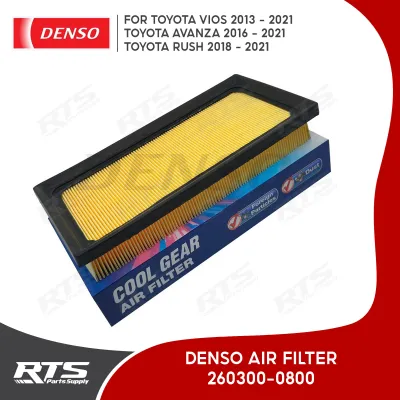
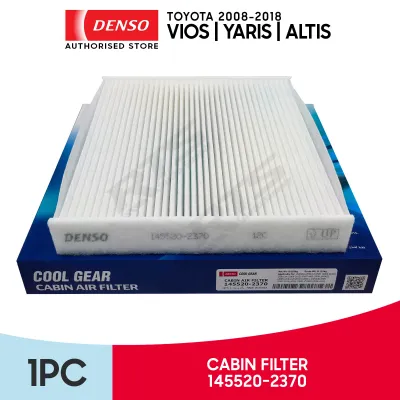
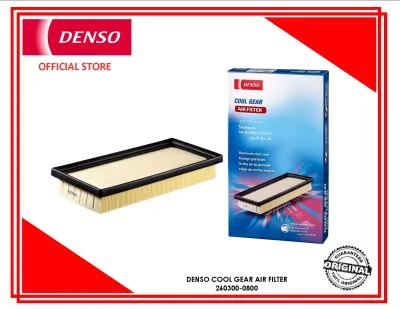
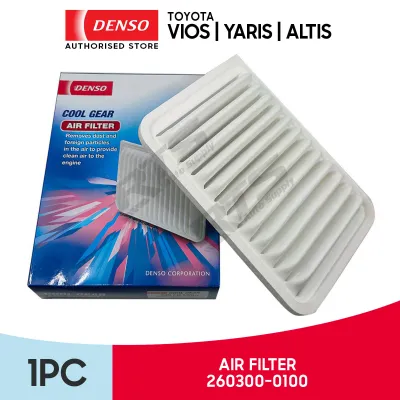
Prices are valid at publication and may change. Please refer to the product page for the latest price.
OEM vs. Aftermarket Filters: Weighing Your Options
When shopping for replacement filters, vehicle owners generally choose between genuine OEM parts and aftermarket alternatives. Genuine OEM filters offer guaranteed compatibility and consistent material quality, as they are manufactured to meet Toyota’s exact engineering standards. These filters feature precise dimensions, high-quality sealing gaskets, and filtration media calibrated for the engine’s specific airflow requirements. While OEM parts provide peace of mind, they are often more expensive and may require a trip to an authorized dealership or specialized parts distributor.

Aftermarket filters from reputable, established brands offer a practical and cost-effective alternative. High-quality aftermarket manufacturers design their products to match or exceed OEM specifications. When evaluating aftermarket options on ecommerce platforms or at local auto supply shops, look for recognized industry certifications, such as ISO standards, and ensure the product comes in secure, branded packaging with intact seals. Avoid unbranded, generic, or suspiciously cheap filters. These low-grade products often use thin, poorly pleated paper media that can easily tear under vacuum pressure, or rigid, low-quality rubber gaskets that fail to create an airtight seal. Using substandard filters risks allowing abrasive dust and debris directly into your engine, leading to severe internal wear over time.
Key Evaluation Criteria for Engine Air Filters
An engine air filter serves as your motor’s primary line of defense against airborne contaminants. When evaluating a filter’s quality, the first feature to inspect is the pleat density and structure of the filter media. High-quality filters feature a high number of evenly spaced, deep pleats. This design maximizes the surface area of the filtration media, allowing the filter to capture a large volume of dust and debris without restricting the vital airflow your engine needs for efficient combustion. If the pleats are uneven, sparse, or easily bent, the filter’s service life and efficiency will be significantly compromised.
The second critical component is the sealing gasket surrounding the filter frame. This gasket, typically made of flexible polyurethane or high-grade rubber, must be soft enough to compress and form an airtight seal when clamped inside the air box, yet durable enough to withstand engine bay heat. A stiff, brittle, or poorly molded gasket will leave small gaps, allowing unfiltered air to bypass the filter media entirely. This bypass can introduce fine silica dust into the combustion chambers, which acts as an abrasive agent against cylinder walls and piston rings. Given the dusty provincial roads and heavily congested urban environments in the Philippines, choosing a filter with a robust, high-quality sealing gasket is essential for long-term engine protection.
Selecting the Right Cabin Filter for Interior Air Quality
While the engine air filter protects your vehicle’s mechanical components, the cabin air filter is responsible for protecting the health and comfort of the passengers. Standard particulate cabin filters are typically made of non-woven synthetic fibers designed to trap physical debris such as road dust, pollen, and soot. These are highly effective for basic filtration and maintain excellent airflow through your air conditioning system. However, they do not neutralize odors or chemical pollutants.
For drivers who frequently navigate congested urban areas with heavy traffic, activated carbon cabin filters are highly recommended. These filters feature an integrated layer of activated charcoal that chemically adsorbs harmful exhaust gases, sulfur dioxide, and unpleasant odors before they can enter the cabin. When installing any cabin filter, it is crucial to identify the correct airflow direction. Most filters feature printed arrows on the side frame. An arrow labeled “AIR FLOW” indicates the direction the air should travel through the filter (usually pointing downward toward the blower motor), while an arrow labeled “UP” indicates the physical orientation of the filter frame. Installing a cabin filter upside down can restrict air conditioning performance and cause the filter media to buckle. Saturated or failing cabin filters typically manifest as a noticeable reduction in AC blower strength, persistent musty odors during the humid rainy season, or rapid dust buildup on your dashboard.
Step-by-Step Guide to Verifying Fitment Before Purchase
To avoid the inconvenience of purchasing an incompatible part, follow a systematic verification process before finalizing your order. Start by accessing your vehicle’s current filters. Locate the printed part number on the plastic frame of the cabin filter or the rubber edge of the engine air filter. Write this number down or take a clear photograph of it. If the number is worn off or missing, consult your Toyota Vios owner’s manual, which lists the exact specifications and part numbers for all consumable service items.
When searching for replacements on online marketplaces, avoid using broad search terms like “Vios air filter.” Instead, construct precise search queries that include your vehicle’s specific model year, engine displacement, and the OEM part number you retrieved. For example, searching for “Vios 2018 1.3 dual VVT-i engine air filter” yields much more accurate results than a generic query. Once your new filters arrive, perform a thorough physical inspection before attempting installation. Place the new filter side-by-side with the old one and verify that the length, width, and height match exactly. Check that any locating tabs, notches, or curved corners align perfectly, and inspect the thickness and flexibility of the sealing gasket to ensure a secure fit.
Installation Boundaries and Maintenance Best Practices
Replacing your Vios’s air and cabin filters is a highly manageable task that can be performed with basic tools, but it requires careful attention to detail. To replace the engine air filter, locate the black plastic air filter housing in the engine bay. Carefully unclamp the metal tension clips or loosen the retaining screws securing the cover. Gently lift the cover, taking care not to pull or strain any connected electrical wiring or sensors, such as the mass airflow sensor. Remove the old filter and use a clean, damp microfiber cloth to wipe away any loose dust or debris from the bottom of the housing. Insert the new filter, ensuring the rubber gasket seats flush within the groove, then lower the cover and re-secure the clips.
To replace the cabin air filter, open your glovebox and empty its contents. Gently squeeze the sides of the glovebox bin inward to disengage the stop tabs, allowing the assembly to swing downward or slide off its hinges. Locate the rectangular plastic cover of the cabin filter housing directly behind the glovebox. Squeeze the locking tabs on the cover to remove it, slide the old filter out, and clear any dry leaves or debris from the slot. Slide the new filter in, paying close attention to the airflow direction arrows, and snap the cover back into place.
Always observe safety boundaries during this process. If you encounter brittle plastic clips that resist pressure, or if you suspect that a housing screw thread is stripped, stop immediately. Forcing these components can crack the plastic housings, leading to unfiltered air leaks or expensive replacement costs. If your vehicle features aftermarket modifications, or if you feel unsure about any step of the process, consult a qualified automotive technician to complete the service safely.
Frequently Asked Questions (FAQ)
How often should I replace the air and cabin filters in my Vios?
Standard vehicle maintenance schedules generally recommend replacing the engine air filter every 20,000 to 40,000 kilometers and the cabin air filter every 10,000 to 15,000 kilometers. However, the tropical climate, high humidity, and heavy traffic conditions in the Philippines often necessitate shorter replacement intervals. If your daily commute involves congested city driving or dusty provincial roads, you should inspect both filters every 5,000 to 10,000 kilometers. Replace them immediately if you observe dark gray discoloration, heavy dust accumulation between the pleats, a noticeable drop in air conditioning blower strength, or persistent musty odors inside the cabin.
Can I clean and reuse my Toyota Vios engine air filter?
Standard paper or non-woven synthetic engine air filters are designed strictly for single-use and must not be washed or cleaned. While tapping the filter against a hard surface or using compressed air may remove large, visible debris, this practice can easily tear the delicate microscopic fibers of the filter media or force fine dust deeper into the pores, permanently restricting airflow. Washable aftermarket filters made of cotton gauze or specialized synthetic mesh are available, but they require dedicated cleaning solutions and precise re-oiling procedures specified by the manufacturer. Never apply water, household detergents, or unauthorized chemical cleaners to a standard disposable filter, as this will destroy the media and risk severe engine damage.
Will using an aftermarket filter void my car's warranty?
Using a high-quality aftermarket filter that meets or exceeds original equipment specifications does not automatically void your vehicle’s warranty. Under standard consumer protection guidelines, a vehicle manufacturer cannot deny a warranty claim simply because an aftermarket consumable was installed, unless they can prove that the specific aftermarket part was defective and directly caused the mechanical failure in question. To protect your warranty coverage, always purchase certified filters from reputable, established brands, ensure they are installed correctly according to original-vehicle instructions, and retain all purchase receipts and maintenance records as proof of proper vehicle servicing.

Community discussion
Share your experience or ask a question. Comments are reviewed before publication.