
Finding the best air filter for a Chevrolet Trailblazer depends on identifying your vehicle’s specific generation, engine type, and your typical driving conditions. For owners in the Philippines, where vehicles frequently face a mix of dense urban traffic, high humidity, and dusty provincial roads, selecting a high-quality filter is crucial for protecting the engine. The ideal choice balances reliable filtration efficiency with unrestricted airflow, whether you opt for an Original Equipment Manufacturer (OEM) replacement or a reputable aftermarket alternative. By understanding your engine’s exact requirements and verifying compatibility before purchase, you can ensure optimal combustion, protect sensitive internal components, and maintain your SUV’s performance over the long term.
The Chevrolet Trailblazer nameplate has represented very different vehicle platforms over the years. In Southeast Asia, the most common variant is the midsize, ladder-frame, diesel-powered SUV (often equipped with 2.5-liter or 2.8-liter Duramax turbo-diesel engines) produced during the 2010s. More recently, a compact crossover variant with a smaller, turbocharged gasoline engine has entered the market. Because these platforms are completely different, there is no single “universal” Trailblazer air filter. A buyer must first isolate their vehicle’s model year, engine displacement, and fuel type to avoid purchasing an incompatible part that will not fit the airbox.
Identifying Your Trailblazer's Exact Air Filter Specifications
To find a compatible air filter, you must first understand the technical specifications of your specific Chevrolet Trailblazer model. The midsize diesel SUV variants require robust, heavy-duty panel or cylindrical filters designed to handle the high intake volumes and soot characteristics of turbo-diesel engines. In contrast, the newer compact crossover variants utilize smaller, flat panel filters tailored for smaller-displacement gasoline engines. Attempting to install a filter designed for a different generation or engine size will result in a poor seal, allowing unfiltered air to bypass the filtration media and enter the engine.
Products mentioned in this guide
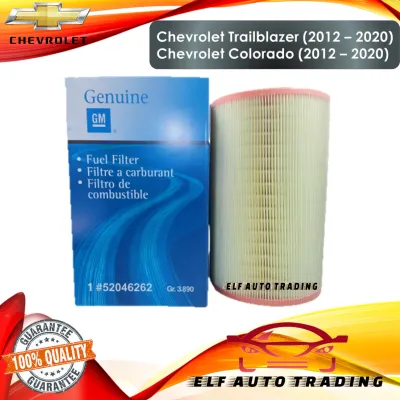
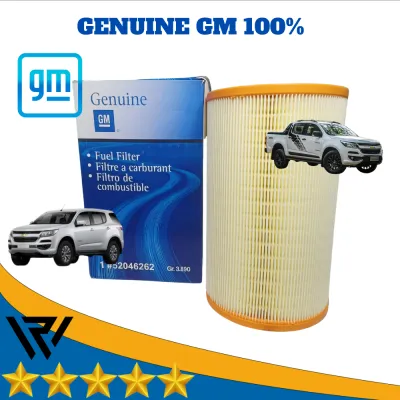
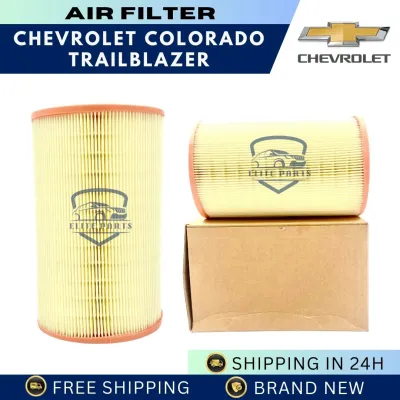
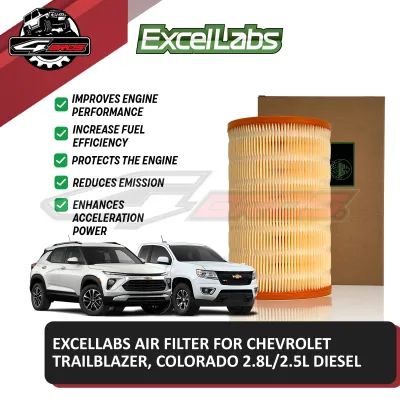
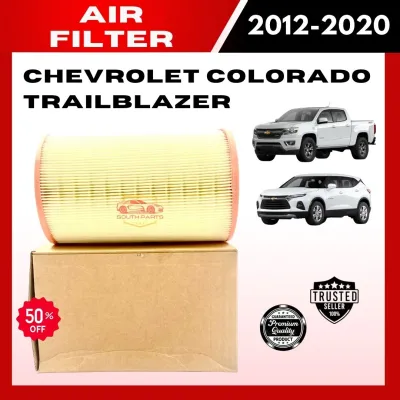
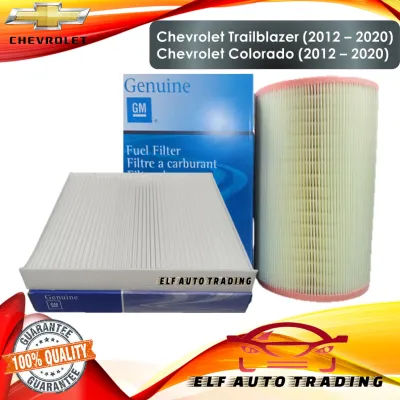
Prices are valid at publication and may change. Please refer to the product page for the latest price.
The most reliable way to determine the exact part number for your vehicle is to consult the owner’s manual or locate the Vehicle Identification Number (VIN). The VIN is a unique 17-character code found on your vehicle’s registration documents (such as the Certificate of Registration and Official Receipt) or stamped on the dashboard near the windshield. Dealership parts departments and reputable auto parts distributors can use this number to look up the precise original equipment part number, eliminating any guesswork.
It is also critical to distinguish between the engine air filter and the cabin air filter, as these are two entirely different components with distinct functions. The engine air filter is located under the hood inside a sealed plastic airbox and is responsible for cleaning the air that enters the combustion chamber. The cabin air filter, usually located behind the glove compartment, filters the air entering the passenger cabin through the air conditioning and heating system. Online marketplace listings often use vague titles like “Trailblazer Air Filter,” which can lead buyers to accidentally purchase a cabin filter when they need an engine filter, or vice versa. Always read the product description carefully to confirm the filter’s intended location and function.
Evaluating OEM vs. Aftermarket Air Filters for Your Trailblazer
When shopping for a replacement air filter, you will generally choose between Original Equipment Manufacturer (OEM) parts and aftermarket alternatives. OEM filters, typically branded under General Motors’ official parts line (ACDelco), are designed and manufactured to meet the exact engineering standards of your Trailblazer. These filters guarantee a perfect fit and provide the precise filtration efficiency and airflow rates specified by the factory. Using OEM parts is highly recommended for vehicles still covered under the manufacturer’s warranty, as it avoids any potential disputes regarding warranty coverage if engine issues occur.

Aftermarket air filters are produced by independent manufacturers and offer a wide range of options, from budget-friendly disposable filters to premium, high-performance reusable designs. Reputable aftermarket brands often design filters that match or exceed OEM specifications, sometimes utilizing advanced synthetic materials that offer superior dust-holding capacity. These options can provide excellent value, especially for older, out-of-warranty Trailblazer models where owners want to manage routine maintenance costs without sacrificing engine protection.
However, the aftermarket also contains risks, particularly when purchasing from unverified sellers on online marketplaces. The market is flooded with cheap, unbranded, or counterfeit filters that mimic the appearance of reputable brands but use inferior filtration media. These low-quality products may have inconsistent pore sizes, allowing fine dust particles to pass through the filter and enter the engine. Over time, this abrasive dust can score cylinder walls, damage piston rings, and cause premature wear on the turbocharger compressor wheel, leading to costly engine repairs.
For daily driving in standard conditions, an OEM filter or a high-quality aftermarket filter from an established brand is the safest and most practical choice. If you frequently drive in severe conditions, such as heavily congested urban areas with high particulate pollution or dusty rural roads, investing in a premium aftermarket filter with enhanced dust-trapping capabilities can provide additional peace of mind. Always prioritize brand reputation and seller credibility over the lowest price to ensure your engine receives adequate protection.
Key Material and Design Features to Compare
The performance and longevity of an air filter are largely determined by the materials used in its construction. Standard cellulose paper is the most common filtration media found in budget-friendly and OEM-style filters. Cellulose filters are highly effective at trapping fine dust and debris, but they are sensitive to moisture and high humidity. In tropical climates like the Philippines, prolonged exposure to high humidity can cause paper fibers to swell, potentially restricting airflow and accelerating the degradation of the filter media.
Synthetic blend filters combine cellulose with synthetic fibers, such as polyester, to create a more resilient filtration media. These blends offer improved resistance to moisture and humidity, making them highly suitable for tropical environments. They also tend to have a higher dust-holding capacity, meaning they can trap more dirt before restricting airflow, which extends the effective service life of the filter. While slightly more expensive than standard paper filters, synthetic blends offer a practical balance of performance and durability.
Oiled cotton gauze filters are popular among performance enthusiasts and are designed to be washed and reused. These filters feature multiple layers of cotton gauze treated with a specialized oil that acts as a tackifier to trap dust particles while allowing high airflow. While they offer long-term cost savings because they do not need to be discarded, they require meticulous maintenance. Cleaning and re-oiling must be done precisely according to the manufacturer’s instructions; applying too much oil can cause the excess oil to migrate down the intake tract and contaminate the Mass Air Flow (MAF) sensor, leading to engine performance issues and check engine lights.
Beyond the filtration media, the structural integrity of the filter frame and the quality of the sealing gasket are critical design features to evaluate. The outer frame must be rigid enough to withstand the high suction pressures generated by the engine, especially on turbocharged diesel Trailblazer models, without collapsing or distorting. The sealing gasket, typically made of soft polyurethane or rubber, must create a perfect, airtight seal against the edges of the airbox. A stiff, poorly molded, or degraded gasket will allow unfiltered air to bypass the filter entirely, rendering even the best filtration media useless.
Step-by-Step Compatibility Checks Before Checkout
Before finalizing your purchase on any ecommerce platform or at a local auto parts store, performing a few quick compatibility checks can save you the hassle of returning an incorrect part. First, utilize the vehicle fitment tools provided by many online retailers. These tools allow you to input your Trailblazer’s year, model, and engine type to filter out incompatible listings. However, because database errors can occur, you should never rely solely on these automated checkers; always cross-reference the product details with your vehicle’s actual specifications.
The most reliable verification method is to cross-reference the manufacturer’s part number. Locate the part number printed on the plastic frame of your current air filter or listed in your owner’s manual. When browsing replacement options, check the product description or packaging for a list of compatible OEM part numbers. If the aftermarket filter lists your specific OEM part number as a direct cross-reference, you can be highly confident that the filter will fit your airbox perfectly.
Additionally, pay close attention to the physical dimensions of the filter listed in the product specifications. Compare the length, width, and height of the replacement filter with your existing filter. Even a minor discrepancy of a few millimeters can prevent the airbox lid from closing properly or compromise the airtight seal around the gasket. If a listing does not provide precise dimensions or compatible engine codes, contact the seller directly to request clarification before placing your order.
Finally, verify that the product description explicitly lists the correct engine code and production years for your Trailblazer. For example, a filter designed for a 2.8-liter Duramax diesel engine from a 2015 model will not fit a 1.3-liter turbocharged gasoline engine from a 2022 model. Avoid listings that use generic compatibility claims like “Fits most Chevrolet SUVs” without specifying the exact model years and engine configurations. Taking these extra steps ensures a seamless installation and protects your engine from the risks of an ill-fitting filter.
Safe Installation and Ongoing Maintenance Practices
Replacing the engine air filter in a Chevrolet Trailblazer is a straightforward maintenance task that most owners can perform at home with basic tools. However, always consult your vehicle’s specific owner’s manual before beginning, as procedures and fastener types can vary by model year. To begin, ensure the engine is turned off, the vehicle is parked on a level surface, and the engine bay has cooled down completely to prevent burns. Locate the airbox, which is typically a black plastic housing situated on one side of the engine compartment.
Carefully release the clips or undo the screws securing the airbox lid. Lift the lid gently, taking care not to pull or strain any electrical wiring harnesses connected to sensors on the intake duct, such as the Mass Air Flow sensor. Lift the old filter straight out of the housing, noting its orientation so you can install the new one in the exact same position. As you remove the old filter, be extremely careful not to let any loose leaves, dirt, or debris fall into the clean side of the airbox or the intake hose.
Before installing the new filter, take a clean, slightly damp microfiber cloth and thoroughly wipe down the interior of the airbox housing to remove any accumulated dust, sand, or debris. Inspect the intake hose and ducting for any signs of cracking, dry rot, or loose clamps, as these issues can allow unfiltered air to enter the engine downstream of the filter. Once the airbox is clean and dry, seat the new filter firmly into the housing, ensuring the rubber gasket sits flush and flat along the entire perimeter of the airbox frame. Lower the lid back into place, ensuring it aligns perfectly, and secure the clips or screws.
Ongoing maintenance intervals should be adjusted based on your typical driving environment rather than strictly adhering to a fixed mileage schedule. While standard manufacturer guidelines may suggest replacing the filter every 20,000 to 30,000 kilometers, driving in the Philippines often involves severe conditions. Frequent travel through heavy urban traffic with high soot levels, or regular driving on unpaved, dusty roads in rural areas, will clog the filter much faster. Inspect your air filter every 5,000 to 10,000 kilometers, and replace it immediately if you notice heavy gray discoloration, accumulated debris between the pleats, or physical damage to the filter media or gasket.
Frequently Asked Questions (FAQ)
How often should I change the engine air filter in my Trailblazer?
The replacement interval for your Trailblazer’s engine air filter depends heavily on your driving environment. Under normal driving conditions, replacing the filter every 20,000 to 30,000 kilometers is generally sufficient. However, if you frequently drive in severe conditions—such as heavy stop-and-go traffic in highly polluted urban areas, or dusty provincial roads—you should inspect the filter every 5,000 to 10,000 kilometers. A visual inspection is the best way to determine if a replacement is needed; if the filter media appears dark gray, clogged with debris, or physically damaged, it should be replaced immediately to maintain engine performance.
Can a dirty air filter affect my Trailblazer's fuel economy?
Yes, a dirty or clogged air filter can negatively impact your Trailblazer’s fuel economy and overall engine performance. When the filter is restricted by dirt and debris, the engine must work harder to draw in the air required for combustion. In modern engines, the Engine Control Unit (ECU) monitors airflow and adjusts the fuel injection to maintain the correct air-fuel ratio. While the ECU can compensate for restricted airflow to prevent engine damage, the reduced air volume often leads to a decrease in power output and acceleration, forcing you to press the accelerator pedal harder and ultimately increasing fuel consumption. Regular filter replacement ensures optimal airflow and helps maintain your vehicle’s designed fuel efficiency.
Is it safe to clean and reuse a standard paper air filter?
No, standard paper air filters are designed strictly for single-use and must be discarded when dirty. Attempting to clean a paper filter using compressed air or water will damage the delicate microscopic structure of the cellulose fibers. Compressed air can tear the paper or create micro-holes that are invisible to the naked eye, allowing harmful dust particles to pass directly into the engine. Washing a paper filter with water will cause the fibers to swell and collapse, permanently restricting airflow even after it dries. Only filters explicitly designated as washable and reusable, such as those made from oiled cotton gauze or specialized synthetic media, can be safely cleaned using the manufacturer’s recommended cleaning kits.
Community discussion
Share your experience or ask a question. Comments are reviewed before publication.