
Selecting the correct air filter for your Toyota Vios is essential for maintaining engine health, fuel efficiency, and cabin air quality. With multiple generations of this popular sedan on Philippine roads, finding a compatible filter requires understanding your vehicle’s specific engine variant and model year. Choosing the wrong filter can lead to poor engine performance, increased wear, or inadequate cabin filtration, making it vital to know exactly what to look for before making a purchase.
To make an informed decision, you must distinguish between the engine air filter and the cabin air filter, verify the original equipment manufacturer specifications, and evaluate the quality of the filter materials. This guide outlines the practical steps to identify, verify, and select the right air filters for your Toyota Vios, ensuring optimal protection for both your engine and your passengers.
Understanding Air Filter Types for Your Vios
Before purchasing any replacement parts, you must identify which of the two primary air filters in your Toyota Vios requires servicing. While both components are designed to capture airborne contaminants, they serve entirely different systems within the vehicle. Purchasing the wrong type is a common mistake that can delay your routine maintenance.
Products mentioned in this guide
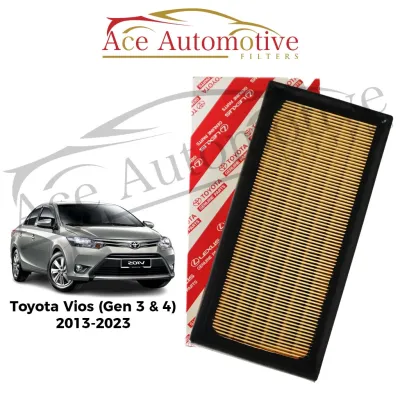
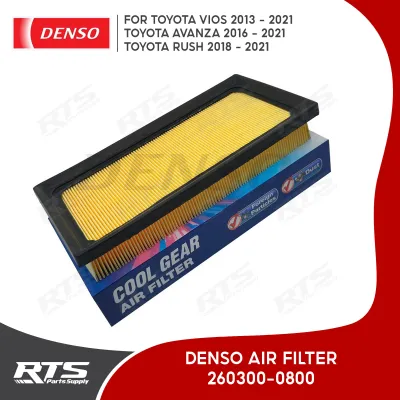
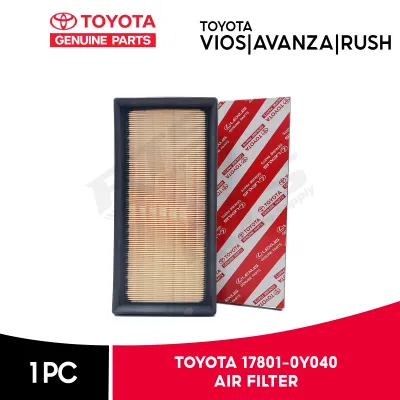
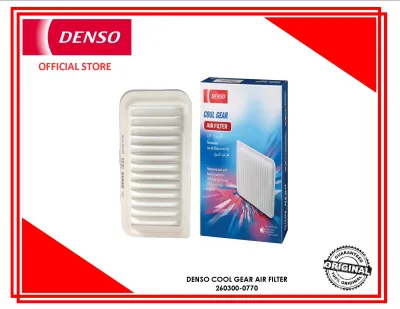
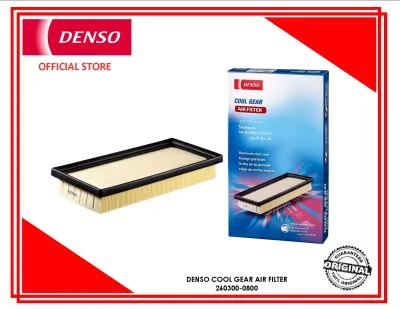
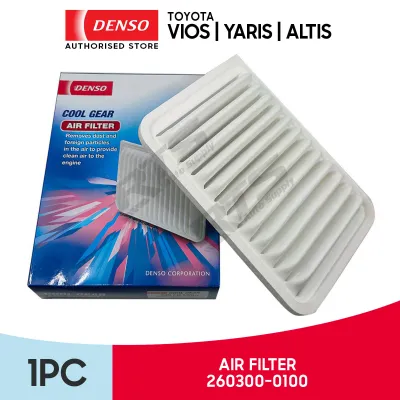
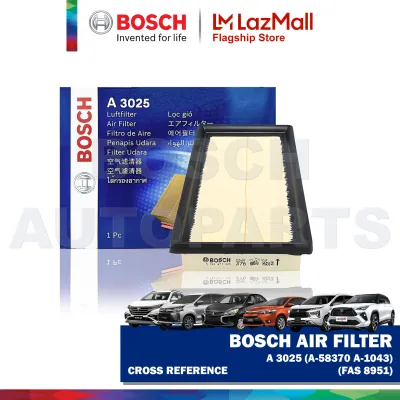
Prices are valid at publication and may change. Please refer to the product page for the latest price.
The engine air filter is located under the hood, housed inside a sealed plastic airbox near the engine intake. Its primary purpose is to prevent dust, dirt, sand, and other road debris from entering the engine cylinders. Clean air is vital for the combustion process, and a high-quality engine air filter ensures that only purified air mixes with the fuel, protecting internal engine components from premature wear and abrasion.
In contrast, the cabin air filter is situated inside the vehicle’s interior, typically accessed by removing the glove compartment. This filter is responsible for cleaning the air that circulates through your car’s heating, ventilation, and air conditioning system. It traps dust, pollen, soot, and mold spores, preventing them from entering the passenger cabin and ensuring a healthier breathing environment for you and your passengers.
Because these two filters perform completely different functions, they have entirely different shapes, dimensions, and part numbers. An engine air filter is usually thicker, often featuring a heavy-duty rubber or polyurethane seal to withstand engine bay temperatures and pressures. A cabin air filter is typically thinner, lighter, and designed to fit snugly within the HVAC ducting. Always check your maintenance schedule to determine whether you need to replace the engine filter, the cabin filter, or both.
How to Verify Compatibility and OEM Specifications
The Toyota Vios has been produced across several generations, each featuring distinct engine families and chassis designs. For instance, older generations may use the 1.5-liter 1NZ-FE or 1.3-liter 2NZ-FE engines, while newer models are equipped with Dual VVT-i engines like the 1NR-FE or 2NR-FE. Because the airbox design changes along with the engine layout, you must verify compatibility based on your specific model year and engine variant.

The most reliable way to find the correct replacement is to check your vehicle owner’s manual for the original equipment manufacturer (OEM) part number. If the manual is unavailable, you can physically remove the existing filter and inspect its frame. Manufacturers often stamp the OEM part number directly onto the plastic border or the filter media itself. Jot down this number, as it serves as the definitive reference point for cross-referencing aftermarket alternatives.
When shopping for a replacement, do not rely solely on the vehicle model name. Always cross-reference the exact year of manufacture, the generation code, and the engine displacement. A filter designed for a third-generation Vios may not fit a second-generation or fourth-generation model due to subtle differences in the airbox dimensions and mounting clip locations.
To guarantee a precise fit, consult official dealership parts catalogs or use trusted online fitment checkers provided by reputable filter manufacturers. These databases allow you to input your vehicle’s vehicle identification number (VIN) or specific engine code to retrieve a list of guaranteed compatible parts. If you are still uncertain, measure the length, width, and height of your current filter with a caliper or ruler, and compare these physical dimensions against the specifications listed on the replacement product’s packaging.
Evaluating Filter Materials and Filtration Quality
When evaluating replacement air filters, the choice of material directly impacts filtration efficiency and airflow. Standard cellulose, or paper, filters are the most common choice and are typically used as the factory standard. These filters are highly effective at trapping fine particles but are designed for single-use cycles and must be discarded once they become clogged with dirt.
Synthetic fiber filters and cotton-gauze alternatives offer different performance characteristics. Synthetic media often provides lower resistance to airflow while maintaining high filtration efficiency, making them suitable for drivers looking for consistent performance over longer intervals. Washable cotton-gauze filters allow for higher airflow and can be cleaned and reused, though they require regular oiling and maintenance to retain their filtration capabilities. You should weigh these material characteristics against your driving habits and maintenance preferences.
Beyond the filtration media itself, you must inspect the structural integrity of the filter. Look for a rigid polyurethane or rubber seal around the perimeter of the filter frame. This seal must be flexible enough to compress slightly when installed, creating an airtight barrier that prevents unfiltered air from bypassing the media. A weak or poorly molded seal can collapse under engine vacuum, allowing dust to enter the engine directly.
Additionally, examine the pleat spacing and the presence of structural support, such as a metal mesh backing or hot-melt glue strips across the pleats. Evenly spaced pleats maximize the surface area available for filtration, preventing the media from bunching up or collapsing under high airflow. Always rely on official product labels and manufacturer documentation for filtration efficiency ratings, rather than unverified marketing claims of superior performance.
Building Your Shortlist: What to Check Before Buying
The popularity of the Toyota Vios makes its replacement parts a frequent target for counterfeiters. Installing a counterfeit air filter can lead to severe engine damage if the material disintegrates or allows large debris to pass through. To protect your vehicle, you must carefully inspect the product packaging and verify the seller’s credentials before making a purchase.
When purchasing from third-party sellers or online marketplaces, examine the packaging for official branding, high-quality printing, and security features. Genuine manufacturers often include security holograms, unique QR codes, or scratch-off verification codes on the box. If the packaging appears flimsy, has misspelled words, or lacks clear manufacturing origin labels, it is highly likely to be a substandard imitation.
Price is another critical indicator of product authenticity. Compare the price of the filter against standard market rates in the Philippines. While aftermarket options can be cost-effective, an air filter priced significantly below the average market rate in ₱ should raise immediate red flags. Saving a small amount on a cheap filter is not worth the risk of costly engine repairs caused by dust ingestion.
To minimize these risks, always verify the seller’s authorization status. Purchase your filters from official brand stores, authorized dealerships, or established, reputable automotive parts retailers. If you are buying online, look for verified seller badges and read customer reviews specifically focusing on the physical quality and fitment of the received product.
When to Replace and Basic Installation Checks
Operating your Toyota Vios with a clogged air filter restricts the airflow required for efficient combustion, which can lead to reduced engine power, sluggish acceleration, and increased fuel consumption. In tropical environments like the Philippines, high humidity, seasonal dust, and urban air pollution can accelerate filter clogging, making regular inspections essential.
Perform a visual inspection of your engine air filter every few months. Remove the filter from the airbox and hold it up to a bright light source. If the filter media is heavily discolored, covered in a thick layer of dust, or clogged with leaves and insects, it is time for a replacement. If light cannot pass through the pleats, the filter’s airflow is severely restricted.
Always follow the replacement intervals specified in your Toyota Vios owner’s manual as your baseline. However, you should adjust these intervals if you frequently drive in severe conditions, such as unpaved rural roads, heavy city traffic, or construction zones. Under these dusty conditions, the filter may need to be replaced much sooner than the standard service interval.
When performing a DIY replacement, safety and precision are paramount. Always turn off the engine and allow it to cool completely before opening the airbox. Carefully unclip the airbox cover, noting the orientation of the old filter before removing it. Clean any loose debris from the bottom of the airbox using a damp cloth, ensuring no dirt falls into the clean air intake duct.
Position the new filter into the airbox, ensuring the rubber seal seats perfectly in the groove without twisting or pinching. If the airbox cover does not close easily, do not force it. A forced cover usually indicates that the filter is misaligned or is the incorrect size. If you encounter broken clips, damaged airbox seals, or if the installation requires specialized tools that you do not possess, stop immediately and consult a qualified mechanic to prevent engine damage.
Frequently Asked Questions (FAQ)
Can I use a universal air filter for my Toyota Vios?
Using a universal air filter is not recommended for a standard Toyota Vios. Universal filters rarely match the exact dimensions and seal profiles required by the Vios factory airbox. A precise fit is critical because even a millimeter of clearance space can allow unfiltered air to bypass the filter media entirely. This bypass introduces dust and abrasive particles directly into the engine cylinders, risking severe internal wear. For reliable protection, always choose a model-specific filter designed to match your vehicle’s exact engine and airbox specifications.
Does a high-flow air filter improve my Vios fuel economy?
While some aftermarket high-flow air filters claim to improve fuel economy by reducing intake restriction, any actual gains are typically minimal on a standard, unmodified Toyota Vios. Modern engine control units automatically adjust the fuel-to-air ratio based on sensor readings, meaning that simply increasing airflow potential does not guarantee better mileage. Actual fuel economy depends heavily on your driving habits, tire pressure, and overall engine maintenance. Before purchasing a high-flow filter, review the manufacturer’s technical specifications and independent test data rather than relying on promotional claims.
Community discussion
Share your experience or ask a question. Comments are reviewed before publication.