
Choosing the right aircon filter for your Mitsubishi Xpander is a straightforward yet critical maintenance task that directly impacts your cabin’s air quality and the longevity of your vehicle’s air conditioning system. To select a suitable replacement, you must verify your vehicle’s specific model year, understand the environmental demands of your daily commute, and match the physical dimensions of the filter to your car’s housing. A properly fitted filter prevents dust, pollen, and road debris from entering the cabin, ensuring a comfortable ride in tropical climates where the air conditioning system runs almost continuously.
In the Philippines, where high humidity, seasonal rains, and heavy urban traffic are common, the cabin air filter works under demanding conditions. Neglecting this simple component can lead to restricted airflow, musty odors, and unnecessary strain on your vehicle’s blower motor. By taking a systematic approach to identifying, comparing, and sourcing your replacement filter, you can maintain optimal cooling performance and breathe cleaner air on every journey.
Identifying the Correct OEM Specifications
Before purchasing any replacement cabin air filter, you must establish a reliable baseline by identifying the original equipment manufacturer (OEM) specifications for your Mitsubishi Xpander. The most reliable starting point is your vehicle’s owner’s manual or the official maintenance booklet, which typically lists the recommended part numbers and replacement intervals. If you do not have access to these documents, you can contact an authorized dealership and provide your Vehicle Identification Number (VIN) to retrieve the exact OEM part number associated with your specific model year and trim level.
Products mentioned in this guide
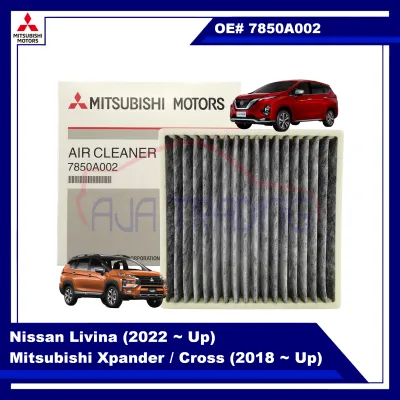
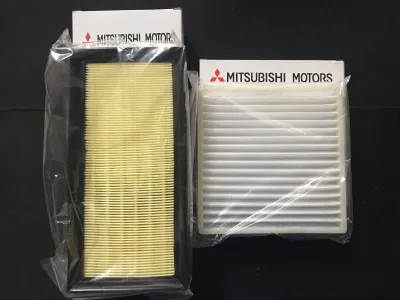
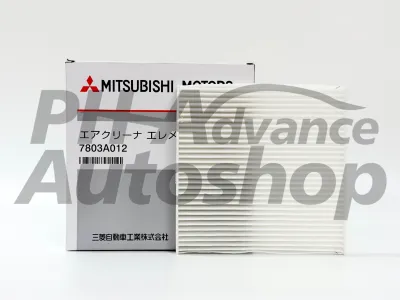
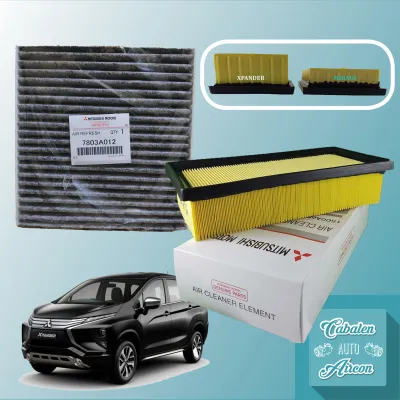
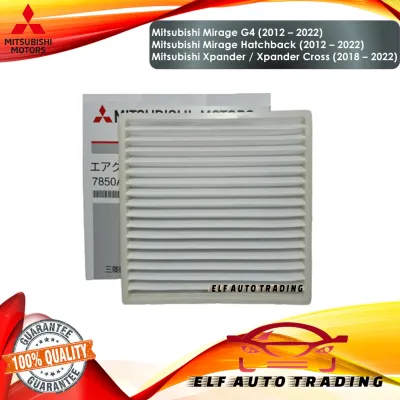
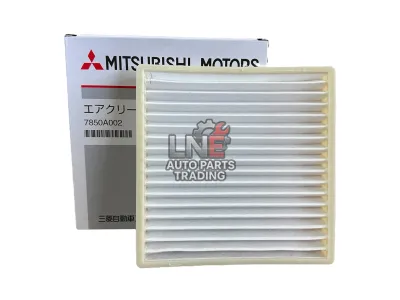
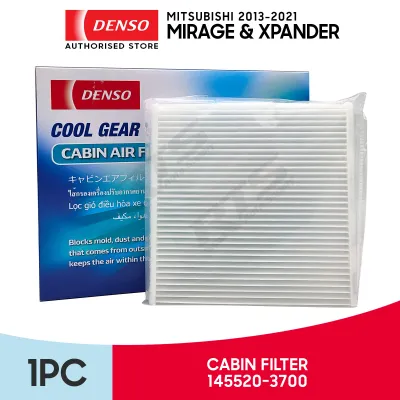
Prices are valid at publication and may change. Please refer to the product page for the latest price.
Physical dimensions and frame shapes are critical because even a minor discrepancy of a few millimeters can prevent the filter from sealing correctly within the HVAC housing. If a filter is too small, unfiltered air will bypass the media entirely, carrying dust and debris directly onto your evaporator coils, which can lead to costly repairs over time. Conversely, a filter that is too large will buckle or bend during installation, creating gaps along the edges and restricting the overall airflow into the cabin.
To ensure proper compatibility, it is highly recommended to perform a physical inspection of the currently installed filter before ordering a new one. Before performing any inspection or replacement, ensure your vehicle’s engine is turned off, the key is removed from the ignition, and the blower motor has completely stopped to prevent injury or electrical hazards. Accessing the cabin filter chamber in the Xpander is simple, as it is located directly behind the glove box compartment. Carefully remove the glove box, open the filter cover, and slide the old filter out. Take note of any printed part numbers, manufacturer logos, or dimensional markings stamped on the plastic frame or the filter media itself, as this information serves as an invaluable reference when comparing aftermarket options.
Comparing Filter Media Types for Your Driving Environment
Once you have confirmed the correct physical dimensions, you must choose the filter media type that best aligns with your typical driving environment and air quality requirements. Standard particulate filters, often made of high-quality non-woven paper or synthetic fibers, are designed to capture basic airborne contaminants such as dust, pollen, road grit, and small debris. These filters are highly effective for drivers who primarily travel in relatively clean, suburban, or rural areas where exhaust emissions and industrial odors are minimal. They offer good airflow with minimal resistance, allowing your air conditioning system to cool the cabin rapidly.

For drivers who frequently navigate congested urban areas, heavy highway traffic, or industrial zones, an activated carbon or charcoal filter is a beneficial upgrade. These filters feature an additional layer of treated carbon that chemically traps harmful gases, exhaust fumes, and unpleasant odors that standard particulate filters cannot stop. If your daily commute involves sitting in slow-moving traffic alongside diesel-powered utility vehicles and buses, an activated carbon filter will noticeably improve the freshness of the cabin air.
When deciding between these options, you should evaluate the relative price difference in ₱ and the potential impact on your vehicle’s HVAC system. Upgraded media types, such as activated carbon or specialized PM2.5 filters, generally command a higher price in ₱ compared to basic paper filters due to their multi-layered construction and advanced filtration capabilities. Additionally, denser filter media can introduce slightly higher airflow resistance, meaning your blower motor may have to work marginally harder to push air through the vents. For most drivers in tropical climates, the trade-off of slightly reduced maximum airflow is well worth the significant reduction in airborne pollutants and odors.
Verifying Third-Party and Aftermarket Compatibility
The aftermarket auto parts market offers a wide variety of cabin air filters designed to fit the Mitsubishi Xpander, often presenting cost-effective alternatives to OEM parts. However, purchasing third-party components requires careful verification to ensure they meet or exceed original specifications without compromising your vehicle’s air conditioning system. Always cross-reference the aftermarket manufacturer’s part number with your verified OEM part number to confirm that the product is explicitly designed for your specific Xpander model year.
When evaluating a third-party filter, pay close attention to its structural integrity and build quality. A high-quality aftermarket filter should feature a rigid outer frame or reinforced borders that prevent the media from collapsing under the pressure of the incoming air. The edge seals must be clean and uniform, ensuring a snug fit within the filter slot without leaving any gaps. Additionally, verify that the filter clearly displays directional arrows indicating the correct airflow direction, which is essential for proper installation and optimal filtration performance.
Avoid purchasing exceptionally cheap, unbranded, or overly thick filters that do not specify their filtration efficiency or airflow resistance. Poorly designed filters with excessive restriction can starve the blower motor of air, causing it to overheat and fail prematurely. A strained blower motor not only reduces the cooling efficiency of your aircon but can also lead to expensive electrical repairs. Stick to reputable aftermarket brands that provide clear technical specifications and compatibility guarantees for the Xpander.
Sourcing Reliable Filters and Avoiding Counterfeits
Sourcing your replacement aircon filter from reputable sellers is crucial to avoiding counterfeit products that can damage your vehicle or fail to protect your health. The most direct and reliable option is to purchase directly from authorized Mitsubishi service centers, established dealerships, or well-known physical auto parts stores in the Philippines. These establishments source their inventory directly from official distributors, ensuring that you receive genuine OEM parts that are designed to fit and perform as intended.
If you prefer the convenience of shopping on e-commerce platforms or online marketplaces, you must exercise extra caution to avoid counterfeit listings. Look for official brand stores, preferred sellers, or merchants with high positive ratings and a long history of positive customer feedback. Carefully read the product reviews, paying close attention to photos uploaded by previous buyers that show the actual packaging and the physical filter. Avoid listings with unusually low prices that seem too good to be true, as these are often low-quality imitations.
Upon receiving your ordered filter, conduct a thorough physical inspection before attempting to install it. Genuine filters typically arrive in high-quality packaging featuring clear, crisp printing, official holographic security seals, and accurate part numbers. Inspect the filter itself for clean pleats, robust frame construction, and clear directional markings. If the packaging appears flimsy, lacks official branding, or if the filter media feels unusually thin and fragile, do not install it in your vehicle; instead, contact the seller to initiate a return or exchange.
Recognizing When to Replace Your Current Filter
Knowing when to replace your cabin air filter is essential for maintaining a healthy cabin environment and preventing unnecessary wear on your aircon system. A visual inspection is the most direct way to assess the condition of your current filter. If you slide the filter out and observe a heavy accumulation of dark gray dust, leaves, twigs, or insect debris trapped between the pleats, the filter has reached the end of its service life and must be replaced immediately.
Another clear indicator of a clogged filter is a noticeable reduction in the volume of airflow coming from your cabin vents. If you find yourself constantly turning the fan speed to its highest setting just to feel a comfortable breeze, a dirty filter is likely restricting the air passage. Over time, this restriction forces the entire HVAC system to work harder, reducing fuel efficiency and accelerating the wear on critical air conditioning components.
In the humid tropical climate of the Philippines, musty, damp, or sour odors emanating from the vents when you first turn on the aircon are strong signs of a compromised filter. Moisture from the air can combine with trapped organic debris on the filter media, creating an ideal breeding ground for mold and bacteria. Replacing the filter promptly not only eliminates these unpleasant smells but also prevents harmful spores from being circulated throughout the cabin and inhaled by you and your passengers.
Frequently Asked Questions (FAQ)
Can I wash and reuse my Xpander's aircon filter?
No, you should not attempt to wash and reuse a standard or activated carbon cabin air filter. These filters are constructed from specialized paper or synthetic fibers that rely on a precise physical structure and, in many cases, an electrostatic charge to capture microscopic particles. Exposing the filter media to water, soap, or harsh cleaning agents permanently destroys these fibers, flattens the pleats, and strips away any electrostatic properties. Furthermore, a washed filter will not dry completely in humid conditions, leading to rapid mold growth and severe odors once reinstalled. For your health and the safety of your vehicle’s HVAC system, always dispose of a dirty filter and replace it with a new one.
Does changing the aircon filter myself affect the car's warranty?
Performing a routine cabin air filter replacement yourself does not void your vehicle’s manufacturer warranty, provided you use a compatible, high-quality replacement and perform the task correctly. Cabin air filters are classified as consumable maintenance items, similar to windshield wiper blades or key fob batteries, which owners are expected to replace periodically. To protect yourself from potential warranty disputes, always use OEM-equivalent filters that match the exact specifications of your Mitsubishi Xpander. Keep all purchase receipts for the replacement filters and maintain a detailed log of your maintenance dates, as this documentation serves as proof of proper vehicle care should you ever need to make a warranty claim.

Community discussion
Share your experience or ask a question. Comments are reviewed before publication.