
The Yamaha Mio Sporty remains one of the most beloved and enduring automatic scooters in the Philippines. Its lightweight frame, highly customizable platform, and reliable 115cc air-cooled engine make it a favorite for daily commuters and modification enthusiasts alike. When upgrading this classic scooter, changing the stock exhaust is often one of the first modifications riders consider. Finding the right apido for mio sporty can significantly alter your scooter’s sound, aesthetic appeal, and power delivery.
However, selecting the ideal exhaust is not as simple as picking the loudest or most visually striking option. Apido offers several configurations, and the “best” variant depends entirely on your scooter’s current engine setup, your daily riding environment, and your performance goals. A mismatched exhaust can actually hurt your scooter’s performance, making it crucial to understand how different specifications interact with the Mio Sporty’s small-displacement engine.
Quick Answer: Which Setup Fits Your Riding Style?
To make an informed decision, you must first evaluate how you use your scooter on a daily basis. The right exhaust should complement your riding style rather than work against your engine’s mechanical limits.
Products mentioned in this guide
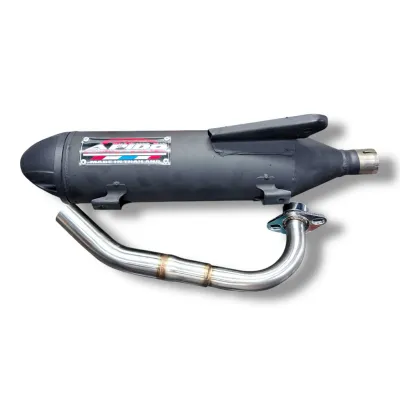
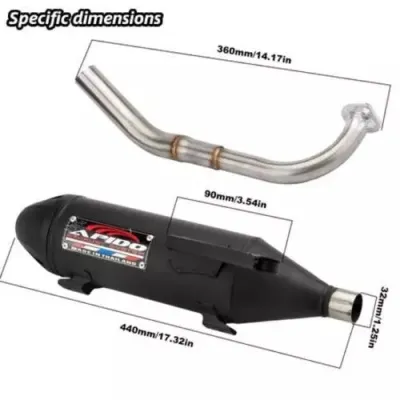
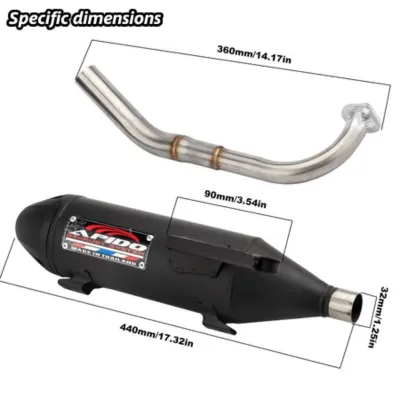
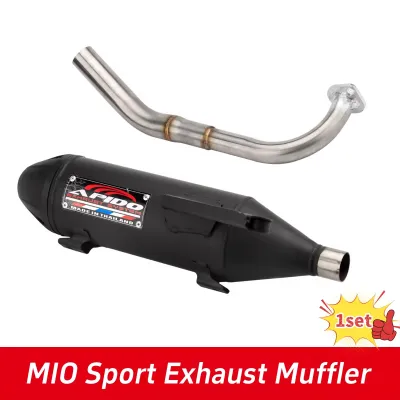
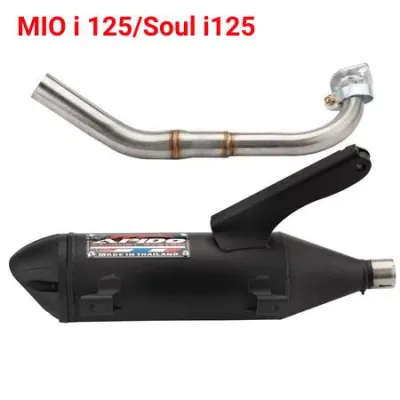
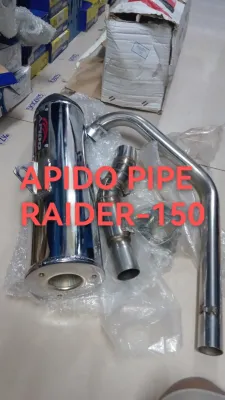
Prices are valid at publication and may change. Please refer to the product page for the latest price.
- Choose a standard slip-on or smaller-diameter full system if you use your scooter primarily for daily commuting, value fuel efficiency, and need to retain low-end torque for navigating stop-and-go city traffic. This setup keeps the exhaust gas velocity high, which preserves the pulling power needed when carrying a backrider or climbing steep flyovers, while keeping the exhaust note quiet enough to pass local noise inspections.
- Choose a larger-diameter full system with a race-style muffler if you have upgraded your engine with internal modifications, such as a 58.5mm or 59mm bore-up kit, high-lift camshafts, or a larger carburetor. This configuration provides the high-RPM airflow necessary to maximize the power gains of your modified engine, though it comes at the cost of reduced low-end torque and a significantly louder exhaust note.
- Verify first if you are unsure about your engine's current state of tune. Installing a high-flow, large-diameter exhaust on a completely stock 115cc engine without adjusting your fuel delivery will lean out the air-fuel mixture, leading to sluggish acceleration, engine overheating, and potential long-term damage.
Evaluating Apido for Mio Sporty: Core Configurations
To choose the right Apido exhaust, you must look past marketing names and evaluate the physical and structural dimensions of the pipe. These engineering details dictate how the exhaust behaves under real-world riding conditions.

Slip-On Mufflers vs. Full Exhaust Systems
When shopping for aftermarket exhausts, you will encounter both slip-on mufflers and full exhaust systems. A slip-on system replaces only the rear muffler canister while retaining the stock header pipe. This is primarily an aesthetic and acoustic modification, offering a deeper exhaust note and a custom look without significantly altering the engine’s power characteristics.
In contrast, a full exhaust system replaces everything from the engine’s exhaust port to the rear muffler tip. This includes the header pipe, mid-pipe, and canister. For the Mio Sporty, full systems are far more common because the stock exhaust is a single, welded unit. Installing a full system changes the entire flow dynamic of the exhaust gas, which can improve scavenging and power output if matched correctly to your engine’s displacement.
Header Pipe Diameter and Torque Characteristics
The diameter of the header pipe is the single most critical factor in determining where your engine makes power. This is governed by the principles of fluid dynamics, specifically the balance between exhaust gas velocity and exhaust gas volume.
Smaller header diameters, typically around 26mm for a 115cc engine, keep the exhaust gases moving at a high velocity. This high velocity creates a scavenging effect, helping to pull the remaining exhaust gases out of the combustion chamber and draw in a fresh air-fuel charge during the valve overlap phase. This process is essential for maintaining strong low-end and mid-range torque, which is exactly what you need when accelerating from a dead stop in heavy traffic or carrying heavy loads.
Larger header diameters, such as 28mm, 30mm, or even wider, allow for a larger volume of gas to flow, which is beneficial at high RPMs. However, on a stock or mildly modified 115cc engine, an oversized header causes the exhaust gas velocity to drop dramatically. This results in a loss of backpressure and poor scavenging, making your scooter feel sluggish and unresponsive during initial acceleration—a phenomenon local riders often describe as “bitaw” or a loss of low-end pull.
Sleeve Materials and Tropical Heat Management
The outer sleeve of the muffler canister is exposed to both intense internal exhaust heat and external environmental elements. In the Philippines, where high humidity, coastal salt air, and sudden monsoon downpours are common, material selection affects both durability and rider comfort.
- Stainless Steel: This is the most common and cost-effective material used in Apido exhausts. It is highly durable, structurally robust, and offers excellent resistance to impact damage from road debris. However, stainless steel is relatively heavy and retains heat for a long time. In bumper-to-bumper traffic, a hot stainless steel muffler can radiate significant heat toward the rider's leg or adjacent plastic body panels. It also requires regular cleaning and polishing to prevent surface oxidation, often referred to as "tea staining," caused by road grime and moisture.
- Titanium-Finished Alloys: These alloys offer a premium, multi-colored look that mimics professional racing exhausts. They are lighter than standard stainless steel and dissipate heat slightly faster, reducing the duration of high surface temperatures after you turn off the engine. While they resist corrosion well, the colored finish can fade or discolor unevenly if exposed to harsh chemical cleaners or road salt.
- Carbon Fiber: Carbon fiber sleeves are highly prized for their lightweight properties and superior heat dissipation. They run significantly cooler to the touch than metal alternatives, greatly reducing the risk of melting your scooter's plastic fairings or causing accidental burns. However, carbon fiber is more fragile and can degrade, discolor, or crack over time when subjected to the extreme, unshielded heat cycles of a daily-driven scooter, especially if the internal packing material degrades.
Balancing Sound, Flow, and the 115cc Engine Limits
Modifying your exhaust system changes how your engine breathes, which directly impacts its performance and acoustic profile. Achieving the right balance requires debunking common myths and understanding the mechanical limits of the Mio Sporty’s 115cc powerplant.
The internal design of the muffler canister determines both the sound level and the backpressure of the system. Apido produces variants ranging from “silent power” models, which use internal chambers and baffles to keep noise levels close to stock while optimizing flow, to open-spec or tri-cone models that feature a straight-through, perforated core wrapped in fiberglass packing. Straight-through designs produce a loud, aggressive exhaust note but offer very little backpressure.
A common misconception among scooter owners is that eliminating backpressure automatically increases horsepower. On a small, naturally aspirated four-stroke engine like the Mio Sporty’s, some backpressure is necessary to prevent fresh air-fuel mixture from escaping out of the exhaust valve before it can be ignited. Simply installing an open, free-flow pipe on an otherwise stock engine will not yield performance gains; instead, it usually results in a loss of power across most of the RPM range unless paired with supporting intake and fuel modifications.
Because the Mio Sporty uses a carbureted fuel system (typically a Keihin NCV24 carburetor), any increase in exhaust flow must be balanced with an increase in fuel delivery. Installing a less restrictive exhaust allows more air to flow through the engine, which leans out the air-fuel mixture. A lean engine runs hotter, is prone to backfiring or popping on deceleration, and can suffer from severe piston or valve damage over time. To prevent this, you must have a qualified mechanic adjust the carburetor’s jeting—usually by installing a slightly larger pilot jet and main jet, and adjusting the fuel-air mixture screw—to match the new exhaust flow.
When researching different Apido variants, be cautious when evaluating online sound clips. Mobile phone microphones, action cameras, and online audio compression heavily distort the actual volume and tone of an exhaust. A pipe that sounds like a deep, mellow bass rumble in a video can sound incredibly loud, raspy, and obtrusive when riding in person, especially when echoing off concrete walls in narrow residential streets.
Legal, Safety, and Warranty Boundaries in the Philippines
Before purchasing and installing any aftermarket exhaust, you must understand the legal and physical safety boundaries that govern motorcycle modifications in the Philippines. Failing to do so can result in heavy fines, vehicle impoundment, or physical injury.
The Land Transportation Office (LTO) and the Department of Environment and Natural Resources (DENR) enforce strict regulations regarding vehicle noise and unauthorized modifications. Under national guidelines, exhausts must not exceed specific decibel limits (often set at 99 decibels when tested under standardized conditions, though local municipal laws can be much more restrictive). Many cities and municipalities across the country have enacted local “anti-muffler” ordinances, where law enforcement officers actively apprehend riders using loud, unbaffled aftermarket exhausts. Choosing an Apido “silent power” or chambered variant is a highly practical way to enjoy improved flow and aesthetics while minimizing the risk of getting flagged at checkpoints.
Physical safety and clearance are equally critical when fitting an aftermarket exhaust to your Mio Sporty. The exhaust routing must maintain adequate clearance from several key components:
- Rear Shock Absorber: The header pipe and muffler body must not contact the rear shock absorber or swingarm, even when the suspension is fully compressed under heavy loads or when hitting potholes.
- Brake Lines and Cables: Ensure that the rear brake cable is routed far away from the hot header pipe to prevent the protective sheath from melting, which could lead to brake failure.
- Rider and Passenger Clearance: The exhaust must be fitted with a high-quality, secure heat shield. Without proper shielding, the rider's right leg or the passenger's foot can easily make contact with the scorching metal, causing severe burns.
Finally, keep in mind the warranty implications of your modification. If your Mio Sporty is relatively new or has recently undergone a professional engine overhaul, installing an aftermarket exhaust will almost certainly void the manufacturer’s or builder’s warranty on the engine and drivetrain. If preserving your warranty is a priority, it is best to stick with the stock exhaust system until the warranty period has expired.
Authenticity Checks and Installation Planning
The popularity of Apido exhausts in the Philippine market has unfortunately led to an influx of counterfeit and low-quality clone products. Ensuring you purchase a genuine exhaust and install it correctly is vital for your safety and your scooter’s longevity.
To verify the authenticity of an Apido exhaust, perform a thorough physical inspection before buying. Genuine Apido products feature clean, uniform, and consistent TIG welding along the seams of the header pipe and brackets. The brand logo and serial numbers should be precisely laser-etched or stamped into the metal, rather than applied as a cheap, crooked sticker. Additionally, genuine systems are packaged securely with high-quality mounting hardware, springs, and brackets designed specifically for the Mio Sporty’s mounting points.
Avoid purchasing extremely cheap, unbranded, or suspiciously low-priced clones on online marketplaces. These counterfeit pipes often use thin-gauge, low-grade iron or low-quality stainless steel. They are highly susceptible to rapid rusting, especially during the rainy season, and are prone to cracking at the exhaust flange or mounting brackets due to the constant vibrations of the engine. A cracked exhaust flange can cause a sudden, massive exhaust leak, which ruins engine performance and poses a fire hazard.
When you are ready to install your new exhaust, planning is key to a leak-free fit. Always purchase and use a brand-new copper or aluminum crush gasket at the cylinder head’s exhaust port. Reusing the old, compressed gasket is a common mistake that almost always results in exhaust leaks. These leaks not only create an annoying ticking sound but also disrupt the backpressure needed for proper engine operation.
While installing a slip-on or a basic full exhaust can be a straightforward DIY project if you have the proper tools, you should know when to seek professional help. If the installation requires adjusting the center stand clearance, modifying the mounting brackets, or performing carburetor jetting and tuning, it is highly recommended to take your scooter to a qualified motorcycle mechanic. A professional can ensure that the exhaust is aligned perfectly, leak-free, and that the engine is tuned to run safely and efficiently with the new pipe.
Frequently Asked Questions (FAQ)
Will a larger Apido pipe increase top speed on a stock engine?
No, installing a larger-diameter Apido pipe will not increase the top speed of a stock 115cc Mio Sporty. In fact, because a larger pipe reduces backpressure and exhaust gas velocity, you will likely experience a noticeable drop in low-end torque and acceleration. To achieve actual top speed gains, an aftermarket exhaust must be paired with comprehensive engine modifications, including a bore-up kit, high-performance CVT tuning (weights, spring, and pulley adjustments), and precise carburetor jetting.
How can I protect the exhaust finish from humid weather?
To protect your exhaust finish from the humid Philippine climate and road grime, let the pipe cool completely before washing it with a mild, pH-neutral motorcycle soap and a soft microfiber cloth. Avoid spraying cold water onto a hot exhaust pipe, as the sudden temperature drop can cause thermal shock, leading to metal fatigue, cracking, or damage to the finish. Once dry, you can apply a high-temperature ceramic spray coating or a specialized metal polish to create a protective barrier against moisture, road salt, and oxidation. Always check the care instructions on the product label to ensure compatibility with your specific sleeve material.
Community discussion
Share your experience or ask a question. Comments are reviewed before publication.