
Choosing the ideal AquaFlask size for a solo road trip comes down to finding the perfect balance between hydration capacity and cabin safety. For most solo travelers, the 24 oz or 32 oz AquaFlask is the most practical choice. These mid-range sizes provide enough cold water to keep you hydrated for several hours of continuous driving without becoming too bulky, heavy, or difficult to manage with one hand while behind the wheel.
Driving alone means you do not have a passenger to hand you drinks, open lids, or secure loose items. Every piece of gear in your cabin must be easily accessible and safe to operate. Selecting the right bottle capacity ensures you stay refreshed, alert, and focused on the road ahead, whether you are navigating the scenic coastal curves of Ilocos or cruising along the long stretches of the North Luzon Expressway.
Estimating Your Hydration Needs for a Road Trip
Many drivers underestimate how quickly they can dehydrate while sitting inside a vehicle. When you are driving a car, the air conditioning system constantly runs to combat the outside heat. This continuous flow of cool air strips moisture from the cabin, creating a low-humidity environment that accelerates the evaporation of moisture from your skin and lungs. You may not feel sweaty, but this “silent dehydration” can lead to dry eyes, mild headaches, and a slow decline in concentration—all of which are highly dangerous when navigating provincial roads alone.
Products mentioned in this guide
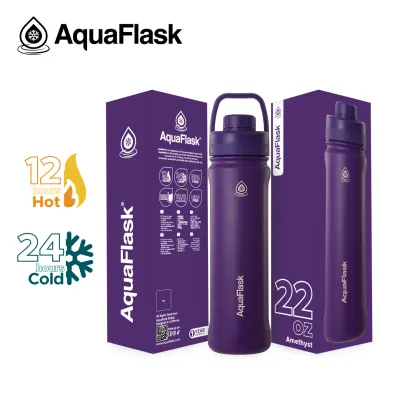
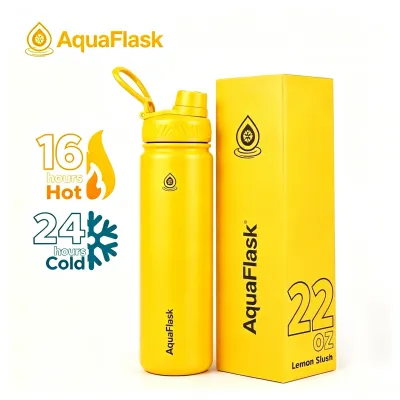
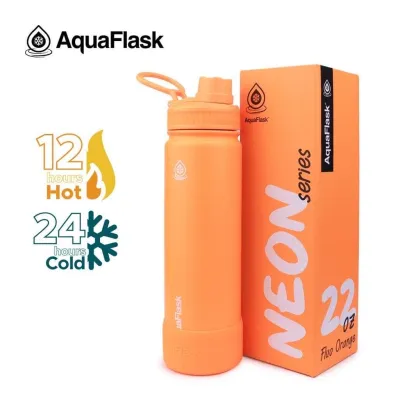
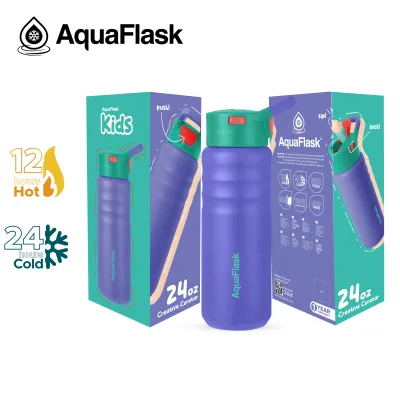
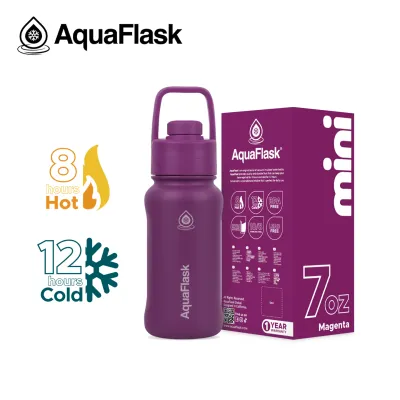
Prices are valid at publication and may change. Please refer to the product page for the latest price.
Stepping out of your air-conditioned vehicle during rest stops, refueling breaks, or sightseeing excursions introduces a sudden physical shock. The intense tropical heat and high humidity of the Philippines trigger immediate perspiration as your body attempts to cool down. This rapid fluid loss must be replenished promptly to prevent fatigue from setting in during the next leg of your journey.
To establish a safe baseline, a solo driver should aim to consume roughly 250 to 500 milliliters of water for every two to three hours of continuous travel. This rate of consumption keeps your body hydrated and your mind sharp without forcing you to make excessive, time-consuming restroom stops. Calculating your baseline this way helps you estimate how much water you need to keep within arm’s reach inside the cabin.
Evaluating AquaFlask Sizes for the Solo Driver
AquaFlask offers a variety of capacities to suit different lifestyles, but road trips introduce unique spatial and physical constraints. When you are traveling solo, your bottle must fit into your driving routine without causing distractions or safety hazards. Evaluating the standard sizes through the lens of cabin space and driving convenience reveals which options work best on the road.

Compact Sizes (16 oz to 22 oz): Cup Holder Friendly
Compact bottles holding between 16 oz and 22 oz (approximately 470 ml to 650 ml) are incredibly easy to handle. Their slim profiles allow you to lift, drink, and replace them with a single hand without taking your eyes off the road. These smaller sizes are guaranteed to fit into virtually any standard vehicle cup holder, including those in compact city cars, door panels, or air-vent mounts.
The primary drawback of these smaller sizes is their limited capacity. On long-distance drives where gas stations and convenience stores are miles apart, you will likely empty a 16 oz or 22 oz bottle long before you reach your next scheduled stop. This leaves you with the choice of either driving while thirsty or pulling over repeatedly to refill your flask from a larger backup container in the trunk, which disrupts your driving momentum.
Mid-Range Sizes (24 oz to 32 oz): The Balanced Choice
The 24 oz and 32 oz capacities (approximately 710 ml to 950 ml) represent the sweet spot for solo road travelers. A 24 oz bottle holds a generous amount of water while maintaining a relatively slim diameter that still fits securely in the vast majority of built-in car cup holders. It provides enough fluid to keep you hydrated for half a day of driving without requiring constant refills.
The 32 oz model offers a larger volume of water, which is highly beneficial if you are traveling through remote provincial areas where clean refilling stations are scarce. However, because the 32 oz bottle has a wider base, it may not fit into narrower or shallower cup holders found in some older or smaller vehicle models. If you opt for the 32 oz size, you must verify your vehicle’s console dimensions beforehand or plan to secure the bottle in an alternative spot within the cabin.
Large Sizes (40 oz and above): When to Skip Them
Oversized bottles holding 40 oz (approximately 1.1 liters) or more are excellent for stationary beach trips, long camping excursions, or office desks, but they are highly impractical for solo drivers. When fully filled, a 40 oz stainless steel flask is heavy and awkward to lift with one hand, especially when you need to keep your other hand firmly on the steering wheel.
These large flasks will not fit into standard car cup holders, meaning they must be placed on the passenger seat, the floorboard, or the center console. An unsecured, heavy metal bottle can easily slide around during sharp turns or sudden braking. If the bottle rolls down into the driver’s footwell, it poses a severe safety hazard by potentially wedging itself behind or beneath the brake and accelerator pedals, preventing you from stopping the vehicle.
Navigating Car Space and Portability Constraints
Understanding the physical space inside your vehicle and how you will transport your bottle during stops is crucial to making the right choice. A bottle that is highly functional on your desk might prove frustrating or dangerous once placed inside a moving car.
Cup Holder Compatibility and Car Space
Before purchasing an AquaFlask for a road trip, use a tape measure to check the internal diameter and depth of your car’s center console cup holders. Standard automotive cup holders typically accommodate bottles with a diameter of up to 3 inches (about 7.6 cm). If your bottle is wider than this measurement, it will sit awkwardly on top of the holder, making it prone to tipping over at the first sharp turn.
If you prefer the larger capacity of a 32 oz bottle but find it does not fit your console, consider using aftermarket cup holder expanders that slot securely into your existing holder to accommodate wider bases. Alternatively, you can utilize the molded bottle slots in your door pockets, though you should practice reaching for the bottle while parked to ensure you do not have to stretch or divert your attention from the road while driving. Another safe option is securing the bottle’s loop handle to a passenger seat headrest post using a sturdy carabiner.
Weight and Portability During Rest Stops
A solo road trip involves more than just driving; you will frequently step out of the car to stretch, visit restrooms, buy local snacks, or take photos at scenic viewpoints. Carrying a heavy, oversized bottle during these brief excursions quickly becomes a physical chore, especially if you are already carrying a camera, phone, or wallet.
A 24 oz or 32 oz bottle remains highly portable and fits comfortably into the side mesh pockets of most standard daypacks. This allows you to take your cold water with you effortlessly whenever you leave the vehicle, ensuring you stay hydrated during short walks or hikes without feeling weighed down by your gear.
Safe and Practical Usage Tips for the Road
To ensure your AquaFlask serves as a helpful companion rather than a dangerous distraction during your solo road trip, implement these practical safety and maintenance habits.
- Choose a One-Handed Lid: Avoid using standard screw-on caps that require two hands to open and close. Instead, equip your bottle with a high-quality straw lid or a quick-release spout lid. A straw lid is particularly advantageous for drivers because it allows you to sip water without tilting your head back, keeping your eyes fully focused on the road ahead.
- Pre-Chill Your Bottle: Double-wall vacuum insulated bottles are designed to maintain temperature, but they do not actively cool liquids. To get the most out of your flask in the tropical heat, fill it with ice-cold water or toss in large ice cubes before your trip. Larger ice cubes melt much slower than crushed ice, preserving the cold temperature of your water for hours even if your car is parked in the sun during a lunch break.
- Secure the Bottle Safely: Never leave your flask loose on the passenger seat, dashboard, or floorboard. If you do not have an available cup holder, use the passenger seatbelt to strap the bottle securely against the seatback, or wedge it tightly between heavy bags on the floor behind the front seats where it cannot slide forward under braking.
- Maintain Cleanliness and Hygiene: The high humidity of the tropical climate creates an ideal environment for mold and bacteria to grow, particularly around the silicone gaskets and crevices of the lid. Wash your bottle, lid, and straw daily using warm, soapy water and a dedicated bottle brush. Ensure all components are completely dry before reassembling them for your next day of driving.
Frequently Asked Questions (FAQ)
Can I leave my insulated bottle in a parked car under the sun?
You should avoid leaving a sealed, insulated bottle inside a parked car exposed to direct, intense sunlight. While the vacuum insulation protects the liquid inside from warming up quickly, the air temperature inside a closed vehicle parked under the sun can easily exceed 60°C. This extreme external heat causes the air trapped inside the bottle to expand, which can create significant internal pressure. This pressure can degrade the silicone seals, cause the lid to leak, or make the lid pop off unexpectedly and dangerously when you attempt to open it.
Is a straw lid or a spout lid better for driving?
For solo drivers, a straw lid is generally the safer and more convenient option. It allows you to drink water while keeping your head level and your eyes locked on the road. A spout lid requires you to tilt both the bottle and your head backward to drink, which temporarily obstructs your forward vision and increases your reaction time to sudden road hazards. If you prefer a spout lid, it is best to wait until you are stopped at a red light or pulled over at a rest area before taking a drink.
Community discussion
Share your experience or ask a question. Comments are reviewed before publication.