
When selecting brake pads for a motorcycle or scooter equipped with a turtle back caliper, there is no single brand that fits every setup. The term “turtle back” typically describes the rounded, shell-like aesthetic shape of the caliper body rather than a standardized technical specification. Because various manufacturers and aftermarket brands produce calipers with this distinctive shape, true compatibility depends entirely on the exact pad shape, backing plate dimensions, and piston configuration of your specific caliper model. For daily commuting in the Philippines, where riders frequently encounter sudden downpours, high humidity, and dense stop-and-go traffic, the optimal choice prioritizes immediate initial bite, consistent wet-weather performance, and low noise over extreme high-temperature track resistance. To make an informed and safe decision, you must first verify physical compatibility, select the appropriate friction material for your typical riding environment, and then choose a reputable brand category that matches your budget and safety requirements.
Verifying Caliper Compatibility Before Brand Selection
Before comparing brand names or friction compounds, you must ensure that the replacement brake pads will physically fit your specific turtle back caliper. Because “turtle back” is an informal design descriptor rather than a standardized engineering blueprint, calipers sharing this visual style can have vastly different internal dimensions. You must identify the exact pad shape, backing plate outline, and pin hole placements required by your caliper assembly. Even a millimeter of variance in the backing plate can prevent the pad from sliding freely within the caliper bracket, leading to brake drag, uneven wear, or complete brake failure.
Measuring the required pad thickness is another critical step. New brake pads must align correctly with the caliper pistons and leave sufficient clearance for the brake rotor to spin freely without rubbing. If the pads are too thick, you will not be able to reinstall the caliper over the rotor; if they are too thin, the pistons may overextend, risking fluid leaks or pressure loss. Always consult the caliper manufacturer’s official parts catalog, an authorized dealer, or a qualified mechanic to confirm the exact part number cross-reference. This verification is especially crucial if your turtle back caliper is an aftermarket upgrade, as these units often use proprietary pad shapes that do not match standard factory catalogs.
Products mentioned in this guide
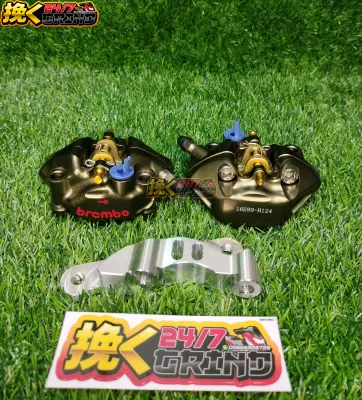
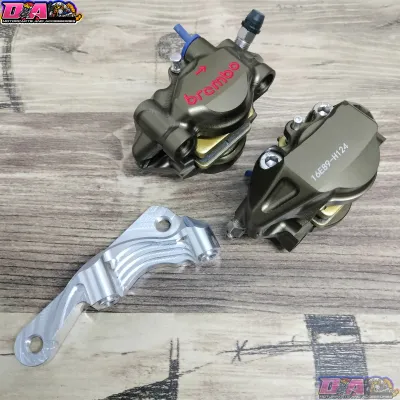
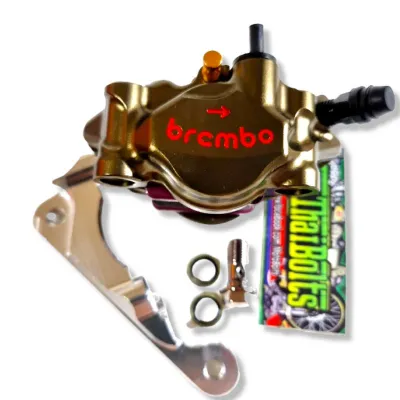
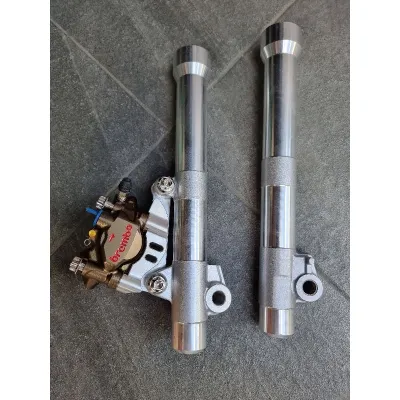
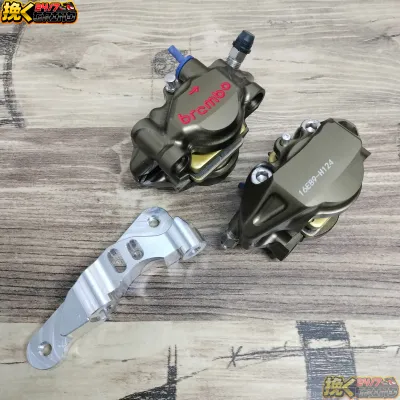
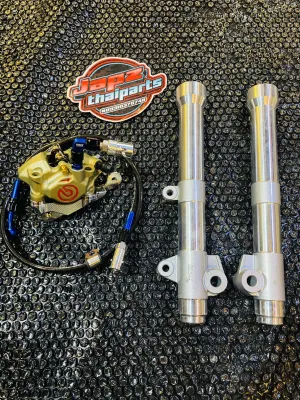
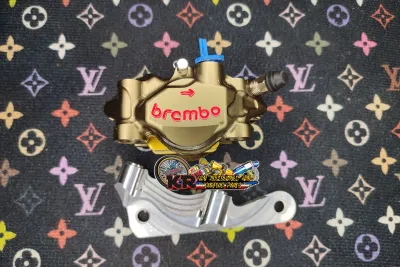
Prices are valid at publication and may change. Please refer to the product page for the latest price.
Because brakes are a critical safety system, any modification, disassembly, or installation of brake components carries inherent risks. Always refer to your vehicle’s original service manual for torque specifications and mounting instructions. If you are unsure of your caliper’s origin or the exact pad dimensions required, seek professional assistance from a certified motorcycle technician before purchasing or installing any components.
Selecting the Right Pad Material for Daily Riding
The friction material of the brake pad dictates how your brakes respond under different operating conditions. For daily commuting in tropical environments, riders generally choose between organic (or resin) compounds and sintered (or semi-metallic) compounds. Organic and resin pads are manufactured from a blend of fibers and rubber bound together with pressure and heat. These pads offer an immediate initial bite even when cold, operate quietly, and are highly rotor-friendly. This makes them exceptionally well-suited for low-speed, stop-and-go city traffic where you need predictable, gentle stopping power without having to warm up the brakes first.

Sintered and semi-metallic pads, on the other hand, are made by fusing metallic particles under high heat and pressure. These compounds provide better fade resistance, meaning they maintain their stopping power even when the brakes get hot. This characteristic is highly beneficial if your daily commute involves navigating steep downhill routes, carrying heavy loads, or riding at highway speeds. However, sintered pads tend to be more abrasive on brake rotors, generate more brake dust, and can produce a squealing noise when cold or damp.
For daily riders in the Philippines, wet-weather friction stability is a paramount safety consideration. During the monsoon season, roads are frequently flooded, and water can easily coat the brake rotors. Organic pads can absorb moisture and temporarily lose friction, resulting in a delayed braking response. Sintered and high-quality semi-metallic pads generally perform better in wet conditions because the metallic composition sheds water more effectively and maintains a stable coefficient of friction. When choosing a material, weigh your daily route’s terrain and weather exposure against your preference for quiet operation and rotor longevity.
Comparing Brake Pad Brand Categories for Street Use
Navigating the market requires understanding the three primary categories of brake pad brands available for turtle back calipers: OEM/mainstream replacements, premium aftermarket brands, and economy or unbranded options. OEM and mainstream replacement brands focus on delivering reliable, standardized friction compounds. These brands design their products to match the original specifications of major motorcycle manufacturers, prioritizing everyday longevity, predictable braking modulation, and broad availability. They are an excellent baseline choice for commuters who want hassle-free performance that mirrors the vehicle’s original factory feel.
Premium aftermarket brands cater to riders seeking enhanced performance characteristics. These brands often offer specific “street” or “sport-touring” product lines designed to improve initial bite and lever feedback without requiring the extreme operating temperatures of racing pads. They invest heavily in research and development to create proprietary friction formulas that balance wet-weather grip, low noise, and minimal rotor wear. While these options generally carry a higher price tag, they provide a noticeable upgrade in modulation and stopping power for demanding commuting scenarios.
Conversely, economy and unbranded options are widely available on online marketplaces and local shops, often appealing to budget-conscious riders. However, these products require strict verification before purchase. Many unbranded pads lack standardized friction ratings, safety certifications, or robust quality control. Poorly manufactured backing plates can bend under hard braking, and low-grade bonding agents can cause the friction material to shear off the metal plate entirely. To avoid catastrophic brake failure, always verify that any budget-friendly option carries recognized safety markings and comes from a verifiable manufacturer with a track record of safety.
Decision Framework: Matching Brands to Your Commuting Needs
To finalize your selection, you should match the brand category and material type to your specific riding profile and the physical reality of your caliper. If your daily commute consists primarily of low-speed city riding through congested urban centers, a mainstream organic or resin pad from a reputable replacement brand is highly recommended. This combination ensures quiet, low-dust braking with an immediate, gentle response that prevents accidental wheel lockups on slippery city streets.
If your daily route involves highway cruising, carrying a pillion passenger, or traversing hilly terrain, you should opt for a premium street-sintered pad. The advanced heat management of a premium brand’s sintered compound will prevent brake fade during repeated hard stops, ensuring your lever remains firm and responsive when you need it most.
Additionally, you must verify whether your turtle back caliper is a genuine brand-name component or an aftermarket replica. Replica calipers often feature slight manufacturing variances, meaning the internal tolerances for pad thickness and pin alignment may differ from official specifications. In such cases, relying solely on a catalog part number might lead to fitment issues. It is highly recommended to physically test-fit the new pads in the caliper before riding, checking that they slide smoothly on the retaining pins and do not bind against the caliper body.
Installation, Bedding-In, and Safety Checks
Proper installation and post-installation procedures are vital to ensure your new brake pads perform safely and effectively. Once the correct pads are selected, they must be properly bedded-in. Bedding-in, or burnishing, is the process of mating the new pad surface to the brake rotor. This is achieved by performing a series of controlled, gradual stops from moderate speeds, which transfers an even layer of friction material onto the rotor face. Skipping this step can lead to uneven material transfer, causing brake vibrations, squealing, and significantly reduced stopping power.
Before installing the new pads, always inspect your brake rotors. Look for signs of excessive wear, deep grooves, warping, or a lip at the outer edge of the disc. Installing fresh pads on a damaged or heavily worn rotor will accelerate pad wear and compromise braking efficiency. If the rotor is damaged, it must be resurfaced or replaced.
Additionally, check your brake fluid reservoir. As brake pads wear down, the caliper pistons extend further, drawing more fluid down into the lines. When you push the pistons back into the caliper to accommodate the thicker new pads, the fluid will be forced back up into the reservoir. Ensure the fluid does not overflow, check for any signs of leaks around the piston seals, and verify that the pistons retract smoothly without binding. If you notice any resistance, fluid leakage, or spongy lever feel, do not ride the vehicle. Consult a qualified professional to service the hydraulic system before operating the motorcycle on public roads.
Frequently Asked Questions (FAQ)
Can I use track-day brake pads for daily commuting on a turtle back caliper?
Track-focused brake pads are designed to operate under extreme heat conditions and require high temperatures to reach their optimal coefficient of friction. When used for daily commuting, these pads rarely reach their target operating temperature, resulting in poor cold-braking performance and a dangerously long stopping distance in normal traffic. Additionally, track compounds are highly abrasive, leading to rapid rotor wear, excessive brake dust, and loud squealing noises during low-speed stops. For street safety, always stick to pads rated for street or commuting use.
How do I know if my turtle back caliper needs new brake pads?
You can identify the need for new brake pads through several observable signs. Visually inspect the pads; if the friction material is worn down to the wear indicator groove or is less than two millimeters thick, they must be replaced immediately. Audible cues such as a high-pitched squealing or a harsh metal-on-metal grinding noise during braking indicate that the friction material is depleted, risking severe damage to your rotors. Physical symptoms like a spongy brake lever, a sudden reduction in stopping power, or having to pull the lever closer to the handlebar also signal that your braking system requires immediate inspection and maintenance.

Community discussion
Share your experience or ask a question. Comments are reviewed before publication.