
Choosing the right car coolant is one of the most critical decisions you can make to preserve your engine’s life in the Philippines. With ambient temperatures regularly exceeding 30°C and relative humidity levels soaring, your vehicle’s cooling system operates under constant, intense thermal stress. To protect your engine from catastrophic failure, you must select a coolant formulation that matches your vehicle’s original equipment manufacturer (OEM) specifications and is designed to handle sustained high-temperature driving.
While many drivers mistakenly focus on the “antifreeze” label of these fluids, the primary job of a coolant in a tropical climate is heat transfer and boil-over prevention. Using the wrong chemical formulation, an incorrect dilution ratio, or low-quality water can lead to rapid corrosion, radiator scale buildup, and localized boiling inside the engine block. Understanding how tropical driving conditions affect your radiator will help you make an informed decision at the auto supply shop.
Why Tropical Heat and Traffic Change Your Coolant Needs
Sustained high ambient temperatures and intense tropical humidity drastically reduce your radiator’s ability to dissipate heat. In cooler climates, a large temperature difference between the engine coolant and the outside air allows for rapid heat exchange. In the Philippines, this temperature gradient is much smaller, meaning your cooling system must work significantly harder to transfer heat away from the engine block and into the surrounding atmosphere.
Products mentioned in this guide
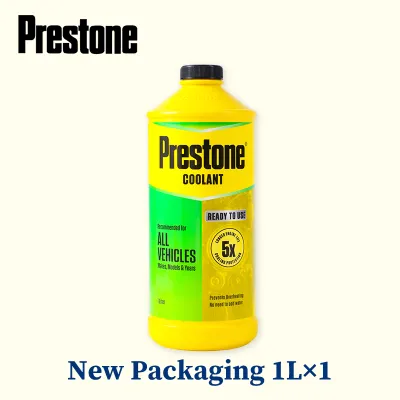
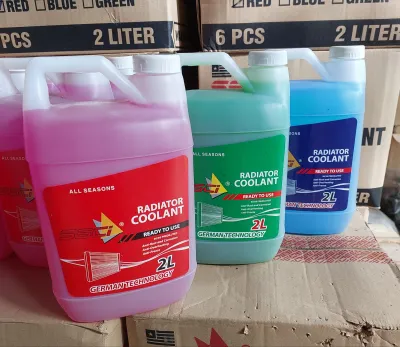
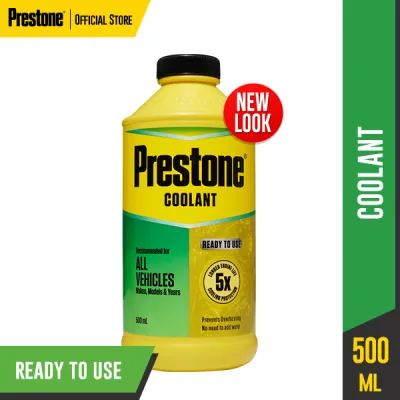
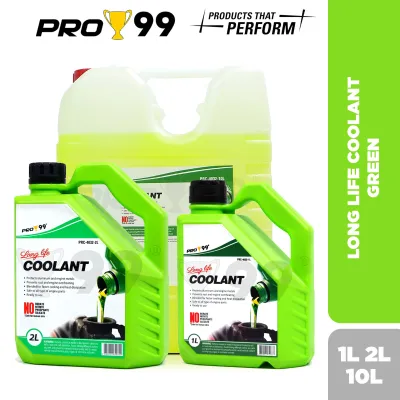
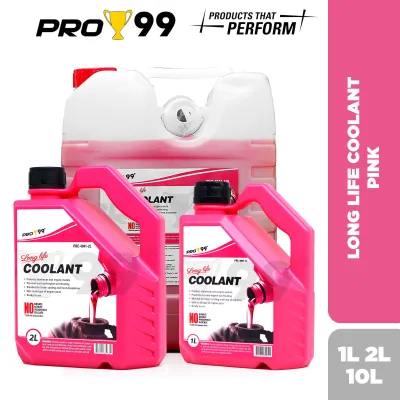
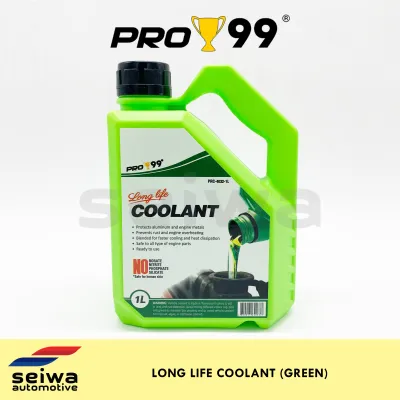
Prices are valid at publication and may change. Please refer to the product page for the latest price.
This thermal challenge is severely compounded by congested, stop-and-go traffic in major metropolitan areas like Metro Manila, Cebu, and Davao. When your vehicle is idling or moving at crawl speeds on crowded roads, there is virtually no natural ram-air flowing through the front grille to cool the radiator. Under these conditions, your engine relies entirely on the heat capacity of the coolant fluid and the mechanical draw of the electric cooling fans to prevent overheating.
Because freezing temperatures are not a concern in the lowlands of the Philippines, the “antifreeze” properties of the fluid are secondary. Instead, you must prioritize the coolant’s boiling point and its corrosion-inhibiting additives. A high-quality coolant elevates the boiling point of the water mixture, preventing the fluid from turning into vapor under extreme heat, which would otherwise cause localized hot spots and severe engine warping.
Essential Coolant Specifications for High-Temperature Driving
When shopping for a car coolant, you should always check the product label for the specific boiling point rating rather than relying on vague marketing claims. A standard pressurized cooling system operates at around 1.1 bar (15 psi), which naturally raises the boiling point of pure water. However, adding the correct coolant formulation raises this threshold even further, providing a vital safety margin against vapor lock and boil-over during prolonged idling in midday traffic.

Your vehicle’s owner’s manual is the ultimate authority for fluid selection. Modern car engines are constructed with highly specific metal alloys, plastics, and gasket materials that require tailored chemical protection. You must match the coolant to the exact manufacturer specification codes listed in your manual, such as ASTM D3306 for general automotive use, or proprietary OEM standards like Toyota Super Long Life, Honda Type 2, or Nissan Blue.
Continuous high-heat cycling accelerates chemical degradation inside your radiator. Therefore, your chosen coolant must contain robust additives designed to prevent corrosion and cavitation. Cavitation occurs when the water pump impeller spins rapidly, creating tiny low-pressure vapor bubbles that collapse violently against metal surfaces. Without proper protective additives, this micro-implosion process will rapidly erode aluminum water pumps and radiator cores, leading to pinhole leaks.
Understanding Coolant Formulations: IAT, OAT, and HOAT
Automotive coolants are categorized into three primary chemical families: Inorganic Additive Technology (IAT), Organic Acid Technology (OAT), and Hybrid Organic Acid Technology (HOAT). The correct formulation for your vehicle is strictly dictated by its engineering design and metallurgy, not by personal preference or local climate trends.
Inorganic Additive Technology (IAT)
Inorganic Additive Technology represents the traditional green-colored coolant formulation that was standard in vehicles built before the late 1990s. This chemistry relies on fast-acting mineral inhibitors, such as silicates and phosphates, to form a protective layer over iron and aluminum surfaces inside the cooling system.
While IAT provides immediate and robust corrosion protection, these inorganic inhibitors deplete rapidly under the high-temperature cycling typical of tropical driving. Consequently, IAT fluids require more frequent flushing and replacement—typically every two years or 40,000 kilometers. Neglecting this maintenance schedule in older vehicles operating in harsh heat can lead to rapid rust and scale formation.
Organic Acid Technology (OAT) and Hybrid (HOAT)
Modern vehicles are factory-filled with Organic Acid Technology (OAT) or Hybrid Organic Acid Technology (HOAT) formulations, which are designed for extended service life. OAT coolants use organic acids, such as sebacate or 2-ethylhexanoic acid (2-EHA), which do not deplete as quickly as inorganic salts, offering stable high-temperature protection for up to five years or 250,000 kilometers.
HOAT formulations combine organic acids with a small amount of silicates or phosphates to provide the rapid surface protection of an inorganic coolant alongside the long-lasting durability of an organic formula. This hybridization makes HOAT highly effective at protecting specialized aluminum cylinder heads and multi-metal radiators. Because these formulations are highly specialized, verifying the exact OEM compatibility on the product bottle is crucial before refilling your system.
The Danger of Mixing Coolant Types
Mixing different coolant formulations is one of the most damaging mistakes a vehicle owner can make. If you combine an older IAT coolant with a modern OAT or HOAT fluid, the organic acids and inorganic salts can undergo a severe chemical reaction. This incompatibility causes the protective additives to precipitate out of the liquid solution, turning into a thick, gel-like sludge.
Once this sludge forms, it quickly settles in the narrowest passages of your cooling system, such as the thin tubes of the radiator core and the cabin heater core. This blockage restricts or completely stops coolant flow through the engine block. In the intense heat of the Philippines, a blocked radiator will cause almost immediate engine overheating, potentially leading to blown head gaskets, cracked cylinder heads, and catastrophic engine seizure.
Premixed vs. Concentrated: Choosing the Right Format
When buying coolant, you will find both concentrated formulas and premixed (ready-to-use) options on auto supply shelves. Selecting the right format depends heavily on your access to high-quality water and your willingness to perform precise measurements.
The Water Quality Risk
If you choose a concentrated coolant, you must dilute it with water before pouring it into your radiator. However, using local tap water, well water, or even standard bottled mineral water introduces a massive risk to your engine. Tap water in many parts of the Philippines contains high concentrations of dissolved minerals, including calcium, magnesium, and chlorides, along with chemical sanitizers like chlorine.
When subjected to the extreme heat inside your engine, these dissolved minerals precipitate out of the water and form a hard scale (calcium carbonate) on the internal walls of your radiator tubes. This scale acts as an effective thermal insulator, blocking heat from transferring from the hot engine metal into the coolant fluid. Over time, this mineral buildup chokes the radiator tubes, permanently degrading the system’s cooling efficiency.
Premixed (Ready-to-Use) Advantages
For the vast majority of drivers in the Philippines, premixed coolants are the safest and most convenient choice. These products are factory-blended using highly purified deionized or distilled water, completely eliminating the risk of mineral contamination and scale buildup. They typically retail between ₱250 and ₱600 per liter depending on the brand and OEM specifications.
Using a premixed coolant also guarantees that the fluid is blended at the precise 50/50 ratio required for optimal performance. This ratio provides the perfect balance between the heat-carrying capacity of water and the boiling-point elevation and corrosion protection of the chemical additives. It removes all guesswork and potential mixing errors during a quick maintenance top-up.
When to Use Concentrated
Concentrated coolant is a viable option only if you have a reliable, independent source of high-quality distilled or deionized water. You must strictly avoid using drinking water from local water refilling stations, as these systems often retain some mineral content for taste. When mixing, you must carefully follow the dilution ratios printed in your vehicle’s owner’s manual, typically aiming for a 50/50 mix, or a 60/40 coolant-to-water ratio for heavy-duty applications in extreme operating temperatures.
Radiator Maintenance and Warning Signs in Tropical Conditions
Maintaining your car’s cooling system in a tropical climate requires proactive monitoring and a strict adherence to safety protocols. Regular inspections can help you catch minor cooling system issues before they escalate into expensive engine repairs.
Safety First
Before performing any inspection or maintenance on your cooling system, you must prioritize personal safety. Never open the radiator cap or the coolant overflow reservoir cap while the engine is hot or warm. A cooling system under operating conditions is highly pressurized, and the liquid temperature inside can far exceed 100°C.
Opening the cap while the system is hot will cause an instantaneous drop in pressure, forcing the superheated coolant to flash boil and erupt violently from the filler neck. This can spray scalding liquid and steam onto your face and hands, causing severe, life-altering burns. Always wait at least two to three hours after driving until the engine block and radiator are completely cold to the touch before opening any caps.
Always check the applied product’s label and your vehicle manufacturer’s instructions before performing any fluid change, flush, or top-up. If the instructions conflict, if your vehicle’s cooling system has been modified, or if you cannot identify the existing fluid type, stop immediately and consult a qualified professional technician.
Visual and Physical Inspections
Get into the habit of checking the coolant level in your plastic overflow reservoir at least once a month. This inspection must be done when the engine is completely cold, ensuring the fluid level sits comfortably between the “Low” and “Full” (or “Min” and “Max”) markings on the side of the translucent tank.
Additionally, inspect the rubber radiator hoses for signs of physical degradation, which occurs more rapidly in hot, humid environments. Squeeze the hoses gently when the engine is cold; they should feel firm but pliable. If a hose feels excessively soft, spongy, brittle, or shows visible swelling or hairline cracks near the metal clamps, it is at high risk of bursting under pressure and must be replaced immediately.
Recognizing Overheating Signals
To prevent severe engine damage, you must learn to recognize the early warning signs of a failing cooling system:
- Rising Temperature Gauge: Keep a close eye on your dashboard's temperature indicator. If the needle begins creeping past its usual midpoint position toward the red zone, or if a high-temperature warning light illuminates, your cooling system is failing to dissipate heat.
- Sweet, Syrupy Odor: Ethylene glycol has a distinctively sweet smell. If you notice a sugary aroma inside or outside the cabin while driving, it strongly indicates a coolant leak spraying onto hot engine components.
- Continuous Fan Operation: If your electric radiator cooling fans run continuously at high speed, or continue running for an unusually long time after you turn off the ignition, the system is struggling to lower the coolant temperature.
Flushing Intervals
Operating a vehicle in continuous tropical heat and heavy stop-and-go traffic falls under the “Severe Service” category in almost every manufacturer’s maintenance manual. Under these severe conditions, coolant additives degrade faster than they would under normal driving conditions. Consult your owner’s manual for the severe service maintenance schedule, which often recommends flushing and replacing the coolant twice as frequently as the standard interval to ensure ongoing corrosion and boil-over protection.
Frequently Asked Questions (FAQ)
Can I use plain water in my radiator during an emergency in the heat?
If you experience a sudden coolant loss on the road and face immediate engine overheating, adding water to the system is acceptable as an emergency measure to get your vehicle to a safe location. If possible, use bottled distilled water. Avoid tap water or river water unless there is absolutely no other option, as these contain heavy minerals and organic contaminants.
Using plain water is strictly a temporary emergency solution. Plain water lacks the corrosion inhibitors needed to protect your engine’s internal metal surfaces and has a lower boiling point than a proper coolant mixture, making it highly prone to boiling over in tropical heat. Once you reach a service station or your home, you must have the system thoroughly flushed and refilled with the correct OEM-specified coolant mixture.
Does the color of the coolant indicate its quality or boiling point?
No, coolant color is not a reliable indicator of chemical formulation, quality, or boiling point. Historically, traditional IAT coolants were green, while newer OAT formulations were orange or pink. Today, however, manufacturers use dyes purely for branding, product differentiation, and to make leak detection easier with UV lights.
Two coolants of the exact same blue or pink color can have completely different chemical bases (such as one being a pure OAT and the other a HOAT), making them chemically incompatible. You must ignore the color of the fluid and instead verify the chemical technology (IAT, OAT, HOAT) and the specific OEM approval codes printed on the product label against your vehicle’s owner’s manual.
Community discussion
Share your experience or ask a question. Comments are reviewed before publication.