
To keep your engine running safely in the intense heat of the Philippines, the best coolant is not a generic “tropical formula,” but rather the specific chemical formulation—typically Organic Acid Technology (OAT) or Hybrid Organic Acid Technology (HOAT)—mandated by your vehicle’s manufacturer. In a tropical climate characterized by high humidity, soaring ambient temperatures, and dense stop-and-go traffic, your engine relies heavily on a properly pressurized cooling system filled with the correct fluid. Selecting the right coolant requires understanding your car’s original specifications, verifying the chemical base, and maintaining the correct dilution ratio to prevent boiling, cavitation, and severe internal corrosion.
How the Tropical Climate Affects Your Car's Cooling System
Driving in the Philippines presents unique challenges for any automotive cooling system. The combination of high year-round ambient temperatures and severe traffic congestion, particularly in major metropolitan areas, drastically reduces the natural airflow passing through the radiator. Without sufficient airflow, the engine’s heat load increases rapidly, forcing the cooling system to work at its absolute limit.
This is where high-quality engine coolant becomes indispensable. Unlike plain water, which boils at 100°C under normal atmospheric pressure, a proper coolant mixture significantly raises the boiling point of the operating fluid. This elevation prevents localized boiling, or “hot spots,” from forming inside the engine block, especially around high-stress areas like the cylinder head and combustion chambers. If localized boiling occurs, vapor pockets form, preventing heat transfer and leading to rapid engine warping or catastrophic failure.
Products mentioned in this guide
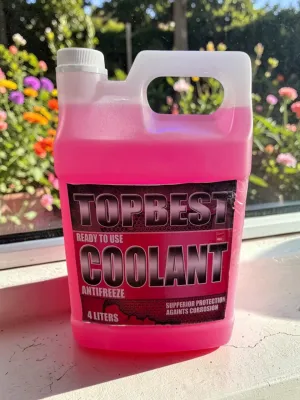
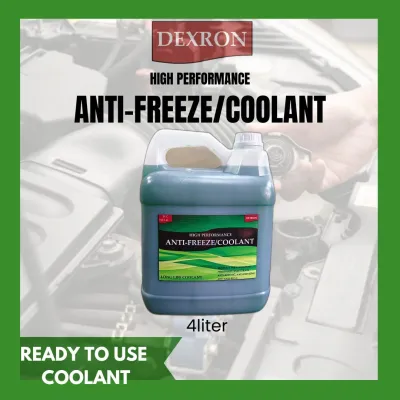
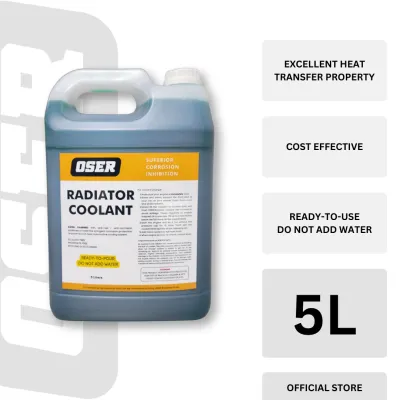
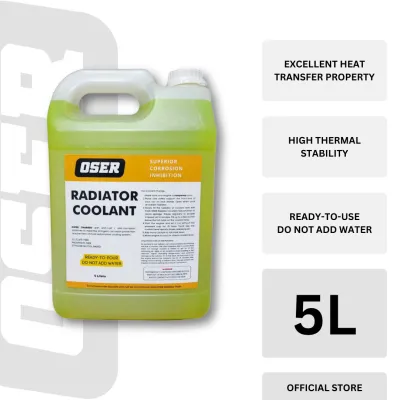
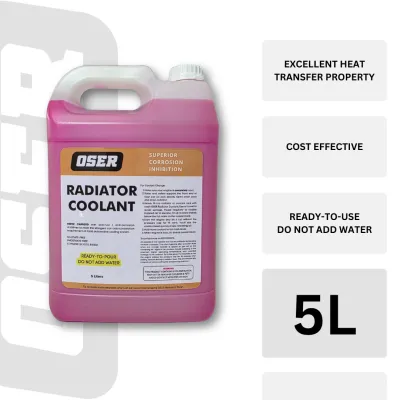
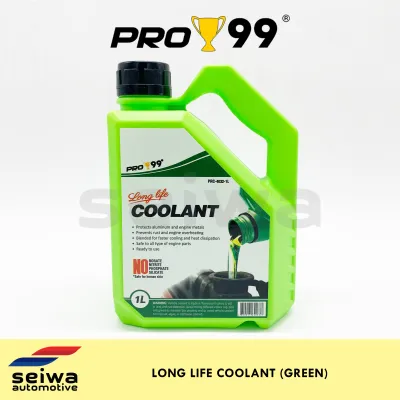
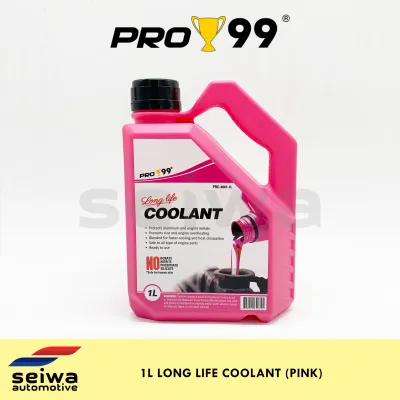
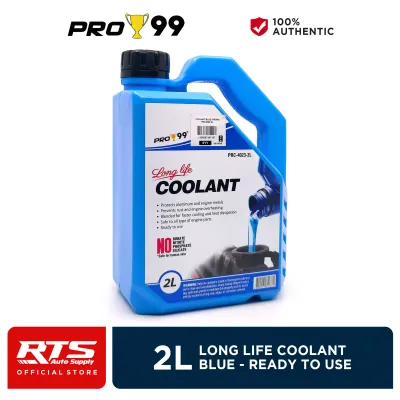
Prices are valid at publication and may change. Please refer to the product page for the latest price.
Furthermore, the high humidity levels common across the Philippine archipelago can accelerate external corrosion on exposed cooling system components. Moisture and airborne salt particles in coastal regions can degrade radiator fins, hose clamps, and the exterior of metal pipes. If the internal coolant chemistry is depleted or neglected, this external stress is compounded by internal galvanic corrosion, leading to pinhole leaks and pressure loss.
It is vital to recognize that the cooling system is a pressurized, closed loop designed to operate at specific thermal thresholds. The pressure maintained by the system further raises the boiling point of the fluid, which makes the chemical stability of the coolant just as critical as the mechanical integrity of the radiator, water pump, and hoses.
Understanding Coolant Types and Formulations
Engine coolants are categorized by their additive packages, which are designed to protect the cooling system’s metallic and synthetic components from corrosion, scaling, and cavitation. Choosing the correct chemical family is essential for long-term engine health.

Inorganic Additive Technology (IAT) represents the traditional formulation. Typically green in color, IAT coolants utilize inorganic phosphates and silicates to provide fast-acting protective layers over metal surfaces. However, these additives deplete rapidly, usually requiring complete replacement every two years or 40,000 kilometers. While suitable for older vehicles with copper and brass radiators, IAT is rarely recommended for modern aluminum engines.
Organic Acid Technology (OAT) formulations are extended-life coolants commonly specified for modern vehicles. OAT coolants do not use silicates or phosphates; instead, they rely on organic acids to provide long-term corrosion protection, often lasting up to five years or 250,000 kilometers. These formulations are highly effective at protecting aluminum and iron components in modern engine blocks.
Hybrid Organic Acid Technology (HOAT) combines the benefits of both worlds. HOAT formulations use organic acids alongside a small amount of silicates or phosphates to offer rapid passivation of metal surfaces combined with extended service life. Many European and Asian vehicle manufacturers specify distinct HOAT variations tailored to their specific metallurgy and seal materials.
A Critical Warning on Coolant Colors
One of the most common and dangerous misconceptions in automotive maintenance is that coolant color indicates its chemical formulation. While manufacturers historically used green for IAT, orange for OAT, and blue, pink, or yellow for HOAT, there is no universal standardization. Today, manufacturers use a wide variety of dyes. You must never select a coolant based solely on matching the color of the fluid currently in your reservoir. Doing so can lead to catastrophic chemical mismatches.
Using the wrong chemical family or mixing incompatible formulations can trigger a reaction known as additive dropout. When incompatible chemicals mix, the protective additives can precipitate out of the liquid, forming a thick, gelatinous sludge. This sludge clogs the tiny passages in the radiator and heater core, restricts coolant flow, and insulates the engine components, leading to localized overheating and severe mechanical damage.
Key Specifications to Check for High-Temperature Driving
To ensure your vehicle can withstand the demanding driving conditions of the Philippines, you must look past generic marketing phrases like “tropical formula” or “maximum cooling.” Instead, rely on verifiable specifications and manufacturer approvals.
Your first step must always be to consult your vehicle’s owner’s manual to locate the required Original Equipment Manufacturer (OEM) standard or approval code. This code might look like “G12+,” “MS-90032,” or “Toyota Super Long Life,” depending on the brand. This specification dictates the exact chemical balance required to protect your engine’s specific alloy composition and gasket materials.
Once you have the OEM code, cross-reference it directly with the product label of the coolant you intend to purchase. Reputable manufacturers clearly list the industry standards (such as ASTM D3306 or JIS K2234) and specific OEM approvals their fluid meets on the back of the bottle. If a product does not explicitly list your vehicle’s required standard, do not use it.
Always check the applied product’s label and your vehicle manufacturer’s instructions before adding any fluid. If the instructions conflict, the coolant is unidentified, or the specific use is not covered in your manual, stop immediately and consult the vehicle manufacturer or a qualified professional.
You must also decide between concentrated coolant and pre-diluted (50/50) formulations. Concentrated coolant must be mixed with distilled or deionized water before being added to the system. A 50/50 mix is generally the standard recommendation, but you must consult the product label and your vehicle manual for the authorized ratio. Pre-diluted coolants are highly convenient as they are mixed at the factory with high-purity water, eliminating the risk of incorrect dilution or mineral contamination.
When evaluating boiling point claims on coolant packaging, remember that these figures are measured under specific pressures. A coolant bottle might advertise a boiling point of 129°C, but this is only achievable when the fluid is under the pressure of a fully sealed system with a functioning radiator cap (typically 1.1 to 1.3 bar). At atmospheric pressure, the boiling point is significantly lower. Therefore, the mechanical integrity of your radiator cap is just as important as the fluid’s boiling point rating.
Finally, avoid any budget or unbranded products that do not clearly state their chemical base—such as ethylene glycol or propylene glycol—and their specific additive chemistry. High-quality coolants rely on these glycol bases to raise the boiling point while providing essential lubrication to the water pump seal.
Common Coolant Mistakes to Avoid in Hot Weather
Maintaining a car in hot weather requires avoiding several common maintenance pitfalls that can compromise the cooling system’s efficiency.
First, never mix different coolant chemistries. If your system is filled with an OAT formulation, topping it up with an IAT or HOAT fluid can degrade the corrosion inhibitors and cause the additives to gel. This restriction in flow is particularly dangerous in heavy traffic, where the engine relies on rapid fluid circulation to transfer heat away from the cylinders.
Second, never top up your cooling system with tap water. In the Philippines, municipal water supplies and well water contain dissolved minerals like calcium and magnesium. When subjected to the high temperatures inside an engine, these minerals precipitate out of the water, forming a hard scale on the internal walls of the radiator and engine block. This scale acts as an insulator, reducing heat transfer efficiency, and can eventually clog the radiator tubes entirely. Always use distilled or deionized water for mixing or topping up.
Third, do not overlook the radiator cap. The radiator cap is not a simple lid; it is a calibrated pressure valve. If you replace your radiator cap with one that has a lower pressure rating than specified by the manufacturer, the system will not hold the correct pressure. This lowers the effective boiling point of the coolant, leading to premature boil-over and overheating, even if you are using the highest-grade fluid.
Fourth, be highly cautious of “universal” or “multi-vehicle” coolants. While some reputable brands offer formulations compatible with a wide range of vehicles, you must still verify that the product explicitly lists your vehicle’s OEM standard on its label. Relying on vague “all makes, all models” claims without checking the back-label specifications can expose your engine to premature corrosion or seal degradation.
Maintenance and Inspection Routine for Tropical Conditions
Proactive maintenance is the key to preventing unexpected breakdowns on hot highways. Developing a simple, regular inspection routine will keep your cooling system operating at peak performance.
The Absolute Safety Boundary
Before performing any inspection or maintenance on your car’s cooling system, you must ensure the engine is completely cold. A hot cooling system is highly pressurized, and opening the radiator cap or reservoir can cause boiling liquid and steam to spray out violently, resulting in severe, life-altering burns. Always let the car sit for several hours before touching these components.
Because cooling system service involves pressurized systems and potential disassembly, always consult your original-vehicle instructions. If you are uncomfortable performing these checks or if the system requires component replacement, seek qualified professional installation and service before operating the vehicle.
Begin your inspection by checking the coolant level in the translucent plastic expansion reservoir. The fluid level should always rest between the “Min” (or Low) and “Max” (or Full) markings when the engine is cold. If the fluid is consistently low, it indicates a leak within the system that must be diagnosed immediately.
Next, inspect the physical condition and clarity of the fluid. Healthy coolant should be clear and vibrant. If you notice an oily film floating on the surface of the coolant, it may indicate a failing head gasket, which allows engine oil to mix with the cooling system. If the fluid appears rusty, muddy, or brown, the corrosion inhibitors have depleted, and the system requires an immediate flush to prevent damage to the water pump and radiator.
You should also perform a visual check of the rubber hoses, clamps, and the area surrounding the water pump. The intense under-hood heat of a tropical climate accelerates the aging of rubber. Look for hoses that are swelling, cracking, or feel excessively soft or brittle when squeezed. Ensure all clamps are secure and check for crusty, colored residue around joints, which indicates a slow, evaporating leak.
Finally, do not wait for your coolant to turn brown before replacing it. Always adhere to the manufacturer’s recommended time or mileage intervals for a complete system flush and fluid replacement. Over time, even if the fluid looks clean, the chemical additives that prevent corrosion and lubricate the water pump wear out, leaving your engine vulnerable to internal decay.
Frequently Asked Questions (FAQ)
Can I use plain water in an emergency if my car overheats?
Using plain water in your cooling system carries immediate risks, including rapid boiling, steam pockets, and accelerated internal corrosion. Water lacks the boiling-point elevators and corrosion inhibitors essential for modern engines. However, if you are stranded on the road with an overheated engine, your priority is safety. First, allow the engine to cool completely. Once cold, you may add clean water to the radiator or reservoir solely to reach the nearest safe location or professional repair shop. Once you arrive, you must have a qualified professional perform a complete system flush and refill the system with the correct OEM-specified coolant mixture to prevent long-term damage.
Does a higher price guarantee better cooling in hot weather?
A higher retail price does not automatically guarantee superior thermal performance or better protection against overheating. The effectiveness of your cooling system depends on using the correct OEM-specified chemical formulation, maintaining the proper dilution ratio, and ensuring the mechanical components—like a clean radiator, a functioning thermostat, and a properly rated pressure cap—are in good working order. A budget-friendly coolant that meets your car’s exact manufacturer specifications is infinitely better than an expensive, premium coolant of the wrong chemical family.
Community discussion
Share your experience or ask a question. Comments are reviewed before publication.