
To keep your engine running safely in the Philippines’ intense heat and high humidity, the best coolant for a car radiator is not a generic “tropical” formula, but rather a high-quality 50/50 pre-mixed ethylene glycol-based coolant that matches your vehicle’s specific Original Equipment Manufacturer (OEM) chemical requirements. Many car owners in the country mistakenly believe that tropical climates only require plain water or cheap, unbranded additives. However, the combination of bumper-to-bumper traffic on major thoroughfares like EDSA, high ambient temperatures exceeding 35°C, and coastal humidity makes a scientifically formulated coolant essential for preventing engine boil-overs and severe internal corrosion.
Selecting the right coolant requires understanding your vehicle’s manual rather than relying on the color of the fluid or generic marketing claims. Modern engines are built with highly sensitive alloys, plastics, and sealing materials that will degrade rapidly if exposed to the wrong chemicals or mineral-heavy tap water. By matching your vehicle’s required chemical technology and maintaining the correct concentration, you can protect your engine from costly thermal failures and ensure dependable performance throughout the year.
Why "Antifreeze" is Actually Essential: Selecting the Best Coolant for Car Radiator Systems
Many Filipino motorists assume that because it never snows in the Philippines, there is no practical need for “antifreeze” in their cooling systems. This misconception stems from the product’s common Western name, but the fluid is more accurately described as an engine coolant designed to stabilize operating temperatures across extreme thermal ranges. In a tropical environment, the primary job of this fluid is to raise the boiling point of the liquid circulating through your engine block and radiator, ensuring it remains in a liquid state to absorb and dissipate heat effectively.
Products mentioned in this guide
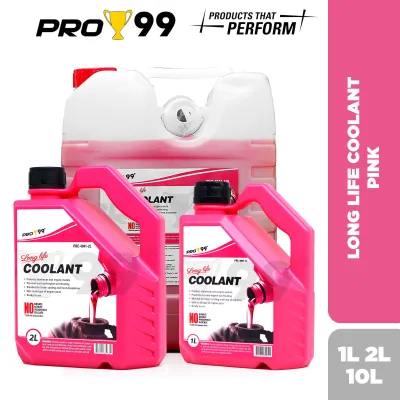
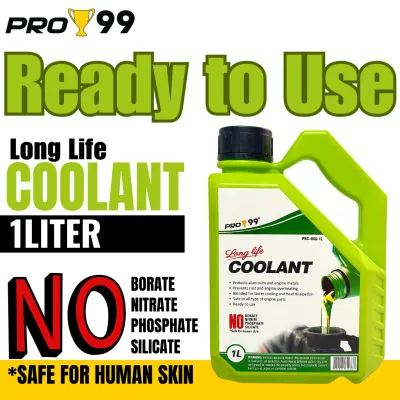
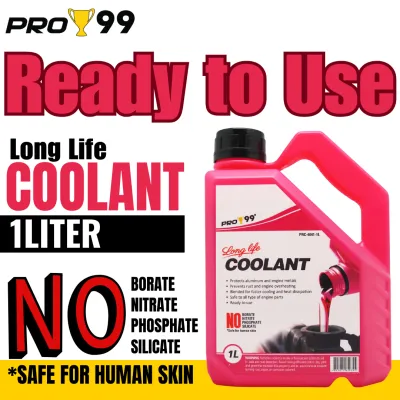
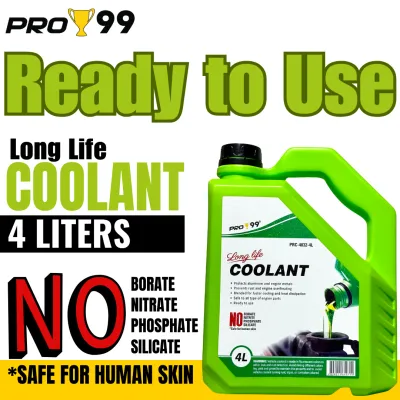
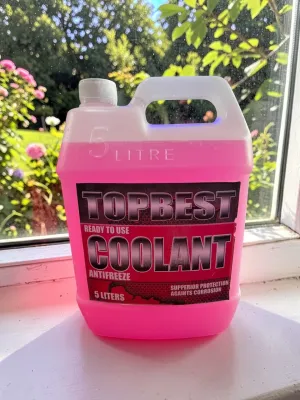
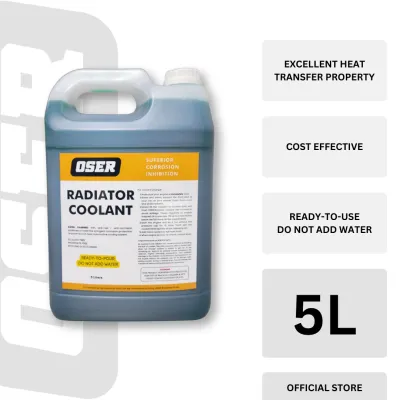
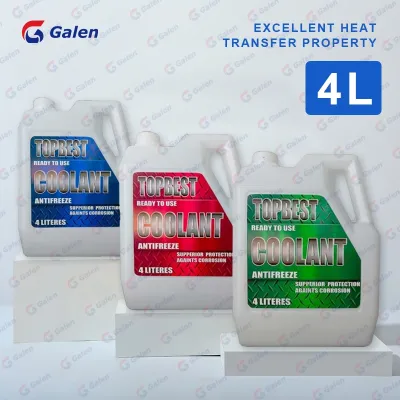
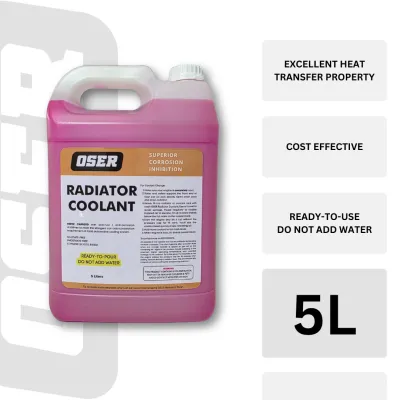
Prices are valid at publication and may change. Please refer to the product page for the latest price.
While pure water boils at 100°C under standard atmospheric pressure, the combustion chambers of a modern vehicle regularly generate temperatures that far exceed this threshold. Under heavy engine loads, such as climbing the steep inclines of Baguio or idling in midday traffic during the dry season, the temperature of the cylinder walls can easily push localized pockets of water past its boiling point. When water boils inside the engine, it vaporizes into steam pockets, which cannot transfer heat away from metal surfaces. This rapid loss of cooling efficiency can cause localized hot spots, leading to warped cylinder heads, blown head gaskets, and catastrophic engine failure.
Beyond thermal management, high-quality coolant for car radiator systems contains specialized additive packages that address the unique challenges of high humidity. The tropical climate of the Philippines accelerates chemical oxidation, making untreated metal surfaces inside your cooling system highly vulnerable to rust and scale. Modern coolants deposit a microscopic protective barrier over the internal surfaces of the radiator, engine block, heater core, and water pump. This barrier prevents the formation of rust and scale, while also providing crucial lubrication to the water pump’s internal seals, preventing premature leaks and mechanical failure.
Verifiable Specifications for Tropical Coolant Selection
Choosing the correct fluid involves verifying the specific chemical standards established by your vehicle’s manufacturer. Pouring an incompatible formulation into your cooling system can cause severe chemical reactions, leading to costly repairs that are entirely avoidable if you check the product labels carefully.

Matching OEM Chemical Formulations (IAT, OAT, HOAT)
Coolants are categorized by their additive technologies, which are tailored to the specific metals and gasket materials used in different engine designs. The three primary formulations you will encounter are Inorganic Additive Technology (IAT), Organic Acid Technology (OAT), and Hybrid Organic Acid Technology (HOAT).
- Inorganic Additive Technology (IAT): Typically found in older vehicles, often manufactured before the late 1990s. IAT formulations rely on fast-acting silicates and phosphates to protect cast iron and copper-brass cooling systems. However, these protective additives deplete relatively quickly, requiring a complete system flush and replacement every two years or approximately 40,000 kilometers.
- Organic Acid Technology (OAT): Standard in many modern vehicles, especially those from American and European manufacturers. OAT coolants do not use silicates or phosphates; instead, they utilize organic acids that provide long-lasting corrosion protection, often rated for up to five years or 240,000 kilometers. These formulas are designed to protect aluminum engine blocks and radiators.
- Hybrid Organic Acid Technology (HOAT): A hybrid chemistry popular among Asian and European manufacturers. HOAT formulations combine organic acids with small amounts of silicates or phosphates to provide rapid surface protection alongside long-term durability.
Mixing these incompatible chemical types is highly dangerous. For example, if you mix an OAT coolant with an IAT coolant, the organic acids and inorganic salts can react chemically, causing the additives to precipitate out of the liquid. This chemical reaction turns the fluid into a thick, gelatinous sludge that blocks the narrow passages inside your radiator tubes and heater core, completely cutting off coolant flow and causing rapid engine overheating. Always consult your vehicle’s owner’s manual to find the exact OEM approval code (such as Toyota Super Long Life, Honda Type 2, or Ford WSS-M97B44-D) rather than relying on generic “universal” labels.
Understanding Concentration and Pre-Mixed Ratios
To achieve optimal heat transfer and chemical protection, the ratio of ethylene glycol to water must be carefully balanced. A common mistake is assuming that a higher concentration of coolant is always better for severe driving conditions.
In reality, pure ethylene glycol is a relatively poor heat conductor compared to water. If you fill your radiator with 100% concentrated coolant, the fluid will not be able to carry heat away from the engine fast enough, resulting in higher operating temperatures. Conversely, if the mixture is too diluted—such as 10% coolant and 90% water—the corrosion inhibitors and anti-boil additives will be spread too thin to protect the metal components and prevent vaporization.
For the tropical climate of the Philippines, a 50/50 mixture of coolant and water is highly recommended by automotive professionals. This specific ratio provides an excellent balance: it raises the boiling point of the fluid to roughly 108°C (which increases further once the system is pressurized by the radiator cap) while maintaining maximum heat transfer efficiency and robust corrosion protection. To eliminate the risk of mixing errors and ensure the highest fluid quality, it is best to purchase 50/50 pre-mixed coolants. These products are blended at the factory using demineralized or deionized water, guaranteeing that no harmful minerals are introduced into your engine’s cooling passages.
Dangerous Coolant Habits to Avoid in Hot Weather
Maintaining a healthy cooling system requires breaking several common but highly destructive habits that are prevalent among vehicle owners trying to cope with hot weather.
- Using Tap Water: When topping up a low cooling system, many drivers reach for a garden hose or tap water. Tap water contains dissolved minerals like calcium, magnesium, and silica. Under the high heat of your engine, these minerals precipitate out of the water and form a hard scale on the inner walls of the radiator tubes. This scale acts as an insulator, trapping heat inside the engine, and can eventually plug the tubes completely, restricting coolant circulation.
- Ignoring the Radiator Cap: The radiator cap is not just a lid; it is a calibrated pressure valve. By holding the cooling system under a specific pressure (usually between 0.9 and 1.1 bar, or 13 to 16 psi), the cap raises the boiling point of the coolant by an additional 20°C to 25°C. If the cap's rubber seal is cracked, or if the internal spring has weakened over time, the system will fail to hold pressure. This causes the coolant to boil and escape into the overflow tank at much lower temperatures, leading to sudden overheating in heavy traffic.
- Topping Up with Incompatible Fluids: During emergencies, it is tempting to grab any bottle of coolant available at a roadside gas station, regardless of its color or brand. Mixing different brands can compromise the additive packages even if they claim to be the same technology, as chemical stabilizers vary between manufacturers. Keep a spare liter of your vehicle's approved pre-mixed coolant in your trunk for emergency top-ups.
- Improper Storage: Ethylene glycol-based coolants are highly toxic to both humans and animals. Because glycol has a naturally sweet taste and smell, roaming pets and young children can be attracted to spills or open containers. Always store your coolant in its original, clearly labeled container with the cap tightly secured, and place it on a high shelf or in a locked cabinet out of reach.
Safe Routine Checks and Top-Up Procedures
Performing regular inspections of your cooling system is a simple way to prevent unexpected breakdowns, but you must observe strict safety boundaries to avoid severe personal injury.
- The Golden Safety Rule: Never, under any circumstances, attempt to open the radiator cap or the pressurized overflow tank while the engine is hot or even warm. The cooling system operates under high pressure and temperatures well above the normal boiling point of water. If you release the cap while the system is hot, the sudden drop in pressure will cause the coolant to flash boil instantly, erupting out of the filler neck as a violent spray of boiling liquid and steam. This can cause severe, life-altering third-degree burns to your face, hands, and chest. Always turn off the engine and let the vehicle sit for at least one to two hours. To verify it is safe, squeeze the upper radiator hose with a gloved hand; if it feels hard and pressurized, or if it is hot to the touch, the system is still too hot to open safely.
- Checking the Overflow Reservoir: Most modern vehicles feature a translucent plastic overflow reservoir connected to the radiator. You can check your coolant level visually without opening the pressurized system. Locate this tank in your engine bay and observe the fluid level relative to the molded "MIN" (or "COLD") and "MAX" (or "HOT") lines. When the engine is completely cold, the fluid should rest comfortably between these two markers.
- Visual Inspection: Take a moment to inspect the condition of the fluid inside the reservoir. Healthy coolant should be completely clear, bright, and free of floating particles, matching its original color (such as vibrant pink, blue, or green). If the fluid appears cloudy, dark brown, or rusty, the protective additives have broken down, and the system requires a professional flush. If you observe a milky texture or oil slicks floating on top of the coolant, this is a strong indicator that engine oil is mixing with the coolant, which typically points to a failed head gasket or a cracked engine block.
- Safe Topping Up: If you find that the fluid level in the reservoir is below the "MIN" mark, carefully unscrew the reservoir cap (or the radiator cap, if your vehicle does not have a pressurized reservoir) once the engine is completely cold. Pour in the exact same brand and formulation of 50/50 pre-mixed coolant until the level reaches the "MAX" line. In a strict roadside emergency where your coolant is dangerously low and you do not have the correct fluid on hand, you may top up the system with pure distilled water to safely drive to a service center. However, because this dilutes the protective additives and lowers the boiling point, you must have the system professionally flushed and refilled with the correct 50/50 mixture as soon as possible.
Recognizing System Failures That Require a Mechanic
While routine fluid checks and minor top-ups are safe DIY tasks, deeper cooling system issues require professional diagnostic tools and mechanical expertise to resolve safely.
It is normal for a cooling system to experience a very minor drop in coolant level over several months due to natural expansion and venting. However, if you find yourself needing to top up the reservoir every few weeks, or if you notice a sudden drop in the fluid level, you have an active leak. Leaks can occur in the radiator core, heater core, water pump, thermostat housing, or any of the rubber hoses connecting these components. A professional mechanic can perform a cooling system pressure test, using a specialized hand pump to pressurize the cold system and pinpoint the exact source of the leak without running the engine.
You should also watch for other warning signs of systemic cooling failure. If you smell a sweet, syrupy odor inside the cabin when the air conditioning is running, your heater core may be leaking. If you notice thick, white, sweet-smelling smoke billowing from your exhaust pipe, coolant is entering the combustion chambers, which is a classic symptom of a blown head gasket. Furthermore, if your dashboard temperature gauge begins creeping toward the red zone—or if the high-temperature warning light illuminates—even though your coolant reservoir is full, your cooling system is experiencing a mechanical failure.
Components such as the thermostat, water pump, and electric cooling fans are critical to regulating engine temperatures, and their failure cannot be resolved by simply adding more coolant. Do not attempt to bypass a stuck thermostat or wire your cooling fans to run constantly. These temporary fixes disrupt the engine’s designed thermal management, leading to poor fuel efficiency, increased emissions, and accelerated engine wear. If you suspect a mechanical failure, seek qualified professional service immediately to diagnose and replace the faulty components.
Frequently Asked Questions (FAQ)
Can I rely solely on distilled water for my radiator in the Philippines?
No, you cannot rely solely on distilled water for daily driving. While distilled water is free of scale-forming minerals and is excellent for heat transfer, it lacks the critical chemical properties required to protect your engine. Distilled water boils at 100°C, which is easily exceeded during heavy traffic or steep climbs, leading to localized boiling, steam pockets, and rapid overheating. Furthermore, water alone provides absolutely zero corrosion protection for the metal components inside your engine block and radiator, and it lacks the necessary lubricants to keep your water pump seals functioning properly. Over time, using only water will cause severe rust, cavitation, and premature water pump failure.
Is coolant color a reliable indicator of its chemical type?
No, coolant color is not a reliable indicator of its chemical formulation or compatibility. Car manufacturers and coolant brands use various colored dyes—such as green, pink, blue, orange, and yellow—primarily for branding, marketing, and making leaks easier to spot in the engine bay. There is no industry-wide standardization linking a specific color to a specific chemical technology. For example, a blue coolant from one brand might be an inorganic formulation (IAT), while a blue coolant from another brand could be a hybrid organic formulation (HOAT). Mixing them based solely on color can cause chemical reactions that clog your radiator. Always verify compatibility by reading the product label for the specific OEM specification.
Does the tropical climate require more frequent radiator flushes?
While the intense heat and humidity of the tropical Philippine climate put additional stress on your engine, you should still use your vehicle manufacturer’s recommended service intervals as your primary guideline. These intervals are typically detailed in your owner’s manual by mileage or time (for example, every 40,000 kilometers or two years for IAT, or up to 150,000 kilometers for some OAT formulations). However, environmental factors can accelerate fluid degradation. You should perform regular visual inspections of your coolant reservoir. If you observe any discoloration, cloudiness, rust particles, or a suspended oily film, you should have the system professionally flushed and refilled immediately, regardless of the time or mileage elapsed since your last service.
Community discussion
Share your experience or ask a question. Comments are reviewed before publication.