
Preparing your vehicle for the challenging weather conditions of the Philippine rainy season requires careful attention to your windshield wiper system. During the monsoon months, sudden and heavy downpours can severely compromise your visibility on the road, making functional wiper blades a critical safety requirement. However, the intense tropical heat and high UV exposure during the preceding dry months often degrade the rubber elements of your wipers long before the first raindrop falls.
A car wiper protector serves as a practical preventative solution to extend the lifespan of your wiper blades and maintain their clearing efficiency. These protective measures generally fall into two distinct categories: physical shields that block environmental damage when parked, and chemical conditioners that restore flexibility to the rubber compound. Selecting the right approach depends on your daily parking environment, vehicle usage patterns, and the current physical state of your wiper blades.
By understanding how these different protective methods work and how to apply them safely, you can ensure your vehicle is fully prepared for sudden tropical storms. This comprehensive guide will help you evaluate your specific needs, understand key material requirements, and establish a safe maintenance routine to keep your windshield clear and your drives secure.
Products mentioned in this guide
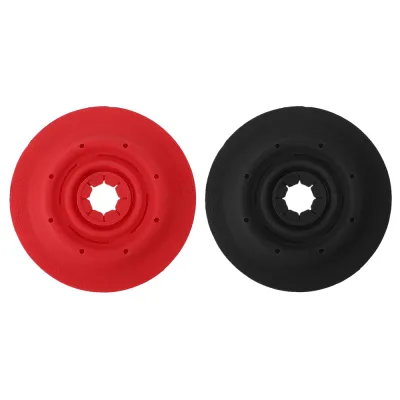
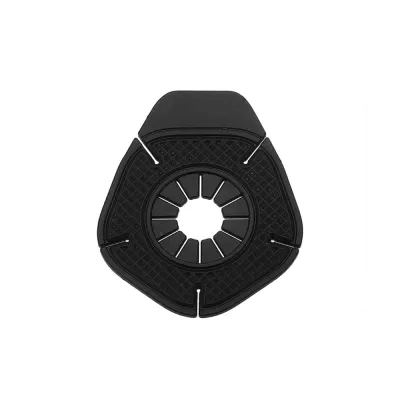
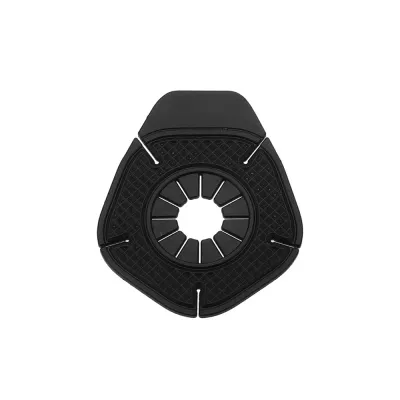
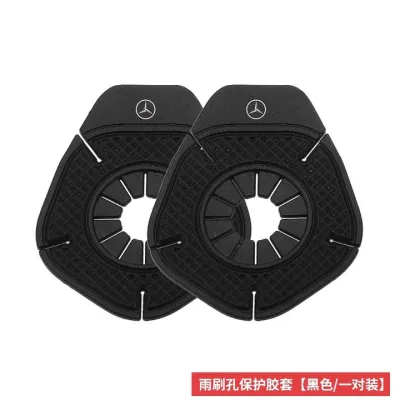
Prices are valid at publication and may change. Please refer to the product page for the latest price.
Wiper Protector Types: Physical Covers vs. Chemical Conditioners
Physical wiper blade covers are designed to act as a defensive barrier against harsh environmental elements when your vehicle is stationary. Typically constructed from reflective or heat-resistant materials, these sleeves slide directly over the wiper arms and blades when you park. Their primary function is to shield the delicate rubber wiping elements from direct sunlight, high ozone levels, and extreme ambient heat, which are the leading causes of rubber degradation in tropical climates.
These physical covers are highly beneficial for vehicles parked in open, uncovered spaces. By blocking solar radiation, they prevent the rubber from baking against hot windshield glass, which leads to warping, while also keeping falling debris and tree sap from accumulating on the wiping edge.
Chemical rubber conditioners and restorers offer a different, active approach to blade preservation. These liquid, gel, or wipe-on formulations are applied directly to the clean rubber elements of the wiper blades. The chemical compounds are designed to penetrate the porous structure of the rubber, replenishing essential plasticizers and oils that evaporate over time due to heat and atmospheric exposure.
Regular application of a compatible chemical conditioner helps maintain the rubber’s natural flexibility, ensuring it can easily flip and sweep across the glass without chattering. Additionally, these conditioners often leave a micro-thin protective barrier that reduces friction, minimizes squeaking, and helps repel light road grime. This active conditioning is particularly useful for maintaining consistent performance throughout the transition from the dry season to the wet season.
It is crucial for vehicle owners to distinguish true wiper protectors from windshield water repellents or glass coatings. Windshield water repellents are hydrophobic treatments applied directly to the glass surface to encourage water beading and runoff at higher driving speeds. While these glass treatments improve visibility, they do not protect or condition the wiper blades; in fact, some hydrophobic glass coatings can actually increase friction and cause untreated wiper blades to skip or chatter.
What to Look for in a Wiper Protector for Tropical Climates
When shopping for a physical wiper cover suitable for tropical climates, UV resistance and heat tolerance are your primary selection criteria. Look for covers with highly reflective outer layers, such as aluminum foil laminates or silver-coated polyester, which reflect solar energy away from the wiper assembly to keep the underlying rubber cool.

In addition to heat reflection, verify that the inner lining of the physical cover is made of a soft, non-stick, and heat-stable material. Cheaper plastics or low-grade synthetic fabrics can melt or become sticky when pressed against a hot windshield for hours, potentially leaving stubborn residues on your glass or even bonding to the wiper blade itself. A high-quality cover should maintain its structural integrity and remain completely non-reactive even under intense midday heat.
For chemical conditioners, safety and material compatibility are the most critical factors to verify on the product label. Modern wiper blades are manufactured from a variety of materials, including natural rubber, synthetic EPDM (ethylene propylene diene monomer), and silicone compounds. Because different chemical solvents can react negatively with specific elastomers, you must ensure the conditioner is explicitly rated safe for your vehicle’s specific blade material.
Applying an incompatible chemical treatment can cause the rubber to swell, soften excessively, or lose its structural integrity, rendering the blade useless. Always read the manufacturer’s instructions carefully to confirm that the formula will not degrade the specific synthetic or natural compounds used in your wipers. Avoid generic petroleum-based lubricants or harsh solvents, as these are known to rapidly destroy automotive rubber.
Ease of installation and removal is another practical aspect that directly affects how consistently you will use a physical protector. For daily commuters, a cover that requires complex straps, clips, or excessive effort to install is likely to be abandoned after a few days. Look for simple slip-on sleeve designs or secure hook-and-loop fasteners that allow you to deploy the covers in seconds when parking and store them easily in your glove compartment or door pocket.
How to Check if Your Wiper Blades Need Protection or Replacement
Before investing in any protective product, it is essential to determine whether your current wiper blades are viable candidates for preservation or if they have already degraded past the point of recovery. Wiper protectors are designed as preventative maintenance tools; they can extend the life of healthy rubber, but they cannot repair structural damage or restore completely dead material.
Begin your assessment with a thorough visual inspection of the wiper assembly. Lift the wiper arms away from the windshield and gently run your fingers along the entire length of the rubber wiping edge. Look closely under bright light for any visible signs of physical damage, such as cracking, tearing, splitting, or permanent bending of the rubber profile. If the wiping edge is visibly torn or separated from the main blade body, the blade has failed and must be replaced.
Next, perform a functional performance check using your vehicle’s windshield washer system. Spray a generous amount of washer fluid onto the glass and activate the wipers. Observe the clearing pattern closely: if the blades leave wide streaks of uncleared fluid, skip across the glass surface, or produce a loud, rhythmic chattering sound, the rubber has likely hardened or warped.
If your wipers fail either the visual or functional checks, attempting to apply a chemical conditioner or a physical cover is a waste of resources. Hardened, cracked, or deformed rubber cannot regain its original flat, flexible edge through chemical treatment. In this scenario, your immediate priority should be purchasing a high-quality set of replacement wiper blades that match your vehicle’s specifications, after which you can begin a regular protection routine to preserve the new set.
Building Your Shortlist: Matching Protectors to Your Parking Routine
To build a practical shortlist, analyze your daily routine and vehicle storage conditions. If your vehicle is routinely parked outdoors under direct sunlight—such as in an uncovered office lot or open driveway—prioritize physical, reflective wiper covers. These shields provide the robust barrier needed to block intense UV rays and prevent rapid ozone cracking.
When selecting physical covers for outdoor parking, verify the dimensions of your wiper blades and arms to ensure a proper fit. Covers that are too short will leave the ends of the blades exposed to sun damage, while covers that are too loose can flap in the wind, potentially scratching the windshield glass or becoming detached during sudden afternoon gusts. Look for models with adjustable drawstrings or secure elastic bands to keep them firmly in place.
If your vehicle is typically stored in a covered garage, carport, or shaded area, but still faces heavy seasonal rains during your daily commute, chemical conditioners are generally the more practical choice. Since your vehicle is already shielded from direct solar radiation while parked, you do not need the physical barrier of a cover. Instead, a high-quality chemical conditioner applied periodically will keep the rubber supple, reduce friction, and ensure smooth, quiet operation when you encounter sudden downpours.
For high-mileage drivers who spend hours on the road every day, look for quick-application maintenance wipes or spray-on rubber conditioners. These products are designed for rapid deployment and can be easily integrated into your weekly car wash routine. They allow you to quickly clean off accumulated road grime and apply a fresh layer of conditioning agents in a single, efficient step, keeping your wipers in peak condition despite heavy daily use.
Before purchasing any product from an online marketplace or local automotive supply store, always perform a thorough label verification. Check the product packaging for specific material compatibility warnings, safety instructions, and recommended application conditions. Avoid products that do not clearly list their active ingredients or those that make vague, unrealistic claims about permanently restoring completely ruined rubber.
How to Apply and Maintain Wiper Protectors Safely
Applying wiper protectors correctly is essential to ensure they perform effectively without causing accidental damage. Before applying any chemical conditioner, perform a thorough pre-application cleaning. Use a clean microfiber cloth dampened with water or a non-ammonia glass cleaner to wipe down both the glass and the rubber elements, removing road grime and debris so the conditioner can penetrate the rubber directly.
When handling the wiper assembly during cleaning or application, always prioritize safety and protect your windshield. When you lift the wiper arms into their vertical service position, immediately place a thick, folded towel on the windshield glass directly beneath the wiper arm. Wiper arms are under high spring tension; if an arm is accidentally bumped or snaps back down while the blade is removed or lifted, the metal arm can strike the glass with enough force to cause a severe crack or shatter the entire windshield.
Establish a regular maintenance and reapplication schedule based on your local environmental conditions and the specific instructions on the product label. In highly humid, dusty, or coastal areas, chemical conditioners may wear off more quickly due to the accumulation of abrasive airborne particles. Regularly inspect the physical flexibility of the rubber and listen for any changes in wiper noise during operation to determine when a fresh application is required.
Finally, be aware of critical stop conditions that indicate when to halt the use of a protective product. If you observe persistent smearing, oily residues on the windshield, or unusual blade slippage after applying a chemical conditioner, immediately stop using the product. Clean both the glass and the wiper blades thoroughly with a mild, wax-free car wash soap and water to remove all chemical residues. If the poor performance or visibility issues persist after cleaning, consult an automotive professional or replace the wiper blades entirely to maintain safe driving visibility.
Frequently Asked Questions (FAQ)
Can I use a chemical wiper protector on silicone wiper blades?
You should always check your wiper manufacturer’s specific guidelines before applying any third-party chemical conditioner to silicone wiper blades. Silicone blades are engineered with native water-repellent properties and specialized surface structures that can react negatively with external chemical solvents. Applying incompatible conditioners can strip these built-in hydrophobic properties or degrade the silicone material, so it is generally safest to rely on the blade’s native performance and keep them clean using only water.
How often should I reapply a chemical wiper conditioner?
The ideal reapplication frequency depends on your vehicle’s exposure to intense tropical sun and heavy monsoon rains. While you should always follow the specific product label instructions, a general guideline is to reapply the conditioner once a month for vehicles parked outdoors. You can adjust this schedule by regularly observing the physical condition and flexibility of the rubber; if the blades begin to feel stiff or show early signs of friction, a fresh application is recommended.
Do physical wiper covers cause damage to the windshield or paint?
Physical wiper covers do not inherently cause damage, but improper usage can lead to issues over time. If moisture, fine dust, or abrasive road debris becomes trapped underneath a loose cover, wind movement can rub these particles against the windshield glass or the plastic cowl panel, leading to fine scratches. To prevent this, ensure the cover is made of soft, non-abrasive inner materials, clean your wipers before covering them, and make sure the covers are securely fastened to resist wind movement.
Community discussion
Share your experience or ask a question. Comments are reviewed before publication.