
Finding the best air and cabin filters for your Mitsubishi Mirage in the Philippines involves matching the exact OEM specifications for your model year, selecting high-quality filtration media that can handle tropical dust and humidity, and verifying physical dimensions before purchase. Your vehicle relies on these two distinct filtration systems to maintain peak engine performance and ensure a healthy cabin environment. In a tropical climate characterized by heavy urban traffic, seasonal downpours, and dusty provincial roads, keeping these filters clean is one of the most cost-effective ways to prevent premature engine wear and protect your passengers from airborne pollutants.
Choosing the right filters requires understanding how different materials perform under local driving conditions. While budget-friendly options are widely available, choosing a filter that fails to seal properly or collapses under high humidity can lead to costly repairs down the road. By focusing on material quality, precise fitment, and verified sourcing, you can confidently maintain your Mirage’s efficiency and comfort.
Understanding Your Mitsubishi Mirage Filter Requirements
To select the correct filters for your Mitsubishi Mirage, you must first identify the exact specifications required by your vehicle’s model year and body style. The Mirage has been a staple on Philippine roads for over a decade, spanning both the hatchback variant and the G4 sedan. While these models share the same 1.2-liter three-cylinder engine, minor design updates and facelift versions over the years can occasionally introduce subtle changes in filter housing dimensions and mounting designs.
Products mentioned in this guide
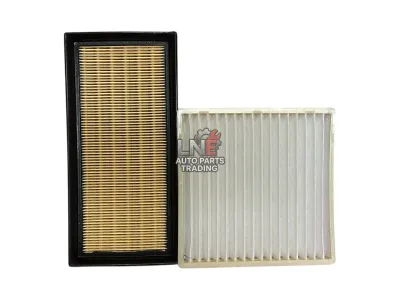
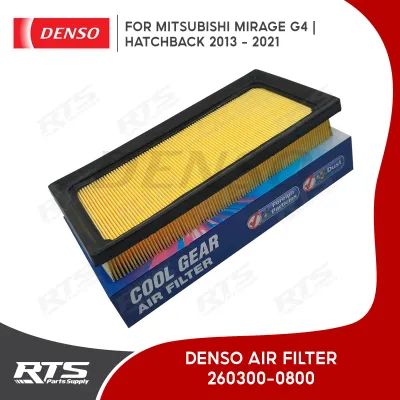
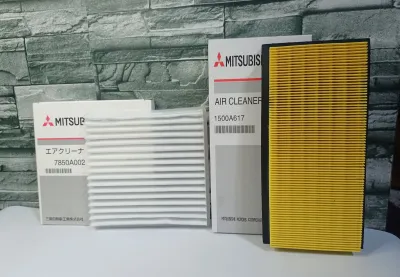
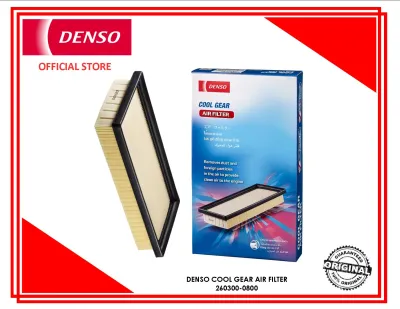
Prices are valid at publication and may change. Please refer to the product page for the latest price.
The most reliable way to confirm compatibility is to consult your owner’s manual or inspect the existing filters currently installed in your vehicle. When removing the old filters, look for the manufacturer’s part number printed directly on the plastic frame or the edge of the filter media. Writing this number down or taking a clear photograph of the label will prevent you from purchasing a part that looks similar but fails to seal correctly inside the housing.
It is also crucial to distinguish between the two types of filters your vehicle uses, as they serve entirely different functions. The engine air filter is housed in a black plastic box within the engine bay and is responsible for trapping abrasive dust, sand, and debris before they can enter the engine cylinders. The cabin air filter, located behind the glove compartment, cleans the air circulating through your vehicle’s heating, ventilation, and air conditioning (HVAC) system, removing pollen, soot, and road dust before you breathe them in.
Evaluating Engine Air Filter Options
When shopping for an engine air filter for your Mirage, the choice of filtration media is your first major decision. Standard pleated paper filters are the most common option and are highly effective at capturing fine dust particles. However, standard paper can be sensitive to the high humidity levels common in the Philippines, which can cause the pleats to swell or weaken over time if exposed to excessive moisture.

Synthetic fiber filters offer a more durable alternative to traditional paper. These filters use synthetic media that resists moisture absorption, maintaining structural integrity and consistent airflow even during the wet monsoon season. While synthetic filters may carry a slightly higher initial cost, their resistance to clogging and tearing under humid conditions makes them a highly practical choice for local drivers.
Beyond the media itself, you must carefully inspect the rubber sealing gasket that runs along the perimeter of the filter. This gasket is responsible for creating an airtight seal within the airbox, forcing all incoming air to pass through the filtration media. A high-quality filter will feature a pliable, thick rubber gasket that retains its shape under pressure, whereas low-quality alternatives often use stiff, thin plastic seals that allow unfiltered air to bypass the filter entirely, introducing harmful grit into your engine.
Always prioritize exact dimensional compatibility over generic “universal fit” claims. Even a discrepancy of a few millimeters can prevent the airbox cover from latching securely or leave a gap in the seal. Before purchasing any aftermarket engine air filter, verify its physical measurements against your original OEM filter to ensure a snug, airtight fit.
Selecting the Right Cabin Air Filter for Your Needs
Selecting a cabin air filter requires balancing your daily driving environment against your vehicle’s air conditioning performance. Standard particulate cabin filters are designed primarily to trap physical debris such as road dust, pollen, and soot. These are highly effective for daily commuting in relatively clean environments and allow for maximum airflow through your air conditioning vents, helping your cabin cool down quickly on hot tropical days.
For drivers who frequently navigate congested urban areas like Metro Manila, an activated carbon cabin filter is often a highly beneficial upgrade. These filters feature an integrated layer of treated carbon that chemically absorbs harmful exhaust gases, fuel fumes, and unpleasant outdoor odors. This extra layer helps keep the air inside your Mirage smelling fresh and reduces your exposure to traffic-related pollutants during long gridlocks.
However, it is important to understand the trade-offs associated with denser filtration materials. Cabin filters with thick activated carbon layers or high-efficiency particulate ratings present more resistance to the air passing through them. This resistance can slightly reduce the volume of air coming out of your dashboard vents, meaning your air conditioning system may take slightly longer to cool the cabin on exceptionally hot afternoons.
When installing a new cabin filter, always locate and verify the airflow direction arrows printed on the side of the filter frame. The HVAC system in the Mitsubishi Mirage draws air downward through the filter slot. Installing the filter upside down can cause the pleats to collapse under the pressure of the blower motor, significantly reducing filtration efficiency and potentially restricting airflow into the cabin.
Where to Source Reliable Filters and Avoid Counterfeits
Sourcing genuine, high-quality filters is essential to protect your vehicle’s engine and your passengers’ health. The most secure option is to purchase directly from authorized Mitsubishi dealerships or established, reputable auto parts retailers. These businesses source their inventory directly from certified manufacturers, ensuring that the filters you buy meet strict quality control standards and come with valid warranty support.
If you choose to shop on online marketplaces or e-commerce platforms, you must exercise extra caution to avoid counterfeit products. Always prioritize official brand stores or highly rated sellers who specialize in automotive parts. Take the time to read through customer reviews, paying close attention to photos uploaded by other buyers that show the actual packaging and build quality of the received items.
Be alert to common red flags that indicate a counterfeit or substandard filter. An unusually low price—such as an OEM-branded filter listed for under ₱150—is a strong indicator of a fake product made with inferior materials. Other warning signs include blurry or misspelled text on the packaging, missing manufacturer contact details, flimsy cardboard boxes that crush easily, and filters that lack the standard directional arrows or part numbers printed on the frame.
DIY Replacement Guide for Mirage Air Filters
Replacing the air and cabin filters in your Mitsubishi Mirage is a straightforward task that you can easily perform at home with minimal preparation. Before beginning any work in the engine bay, ensure your vehicle is parked on a level surface, the handbrake is fully engaged, the ignition is turned off, and the engine has cooled down completely to prevent accidental burns.
To replace the engine air filter, locate the black plastic air cleaner housing on the right side of the engine bay. This housing is secured by metal tension clips that can be popped open by hand without any tools. Gently lift the housing cover, slide the old filter out, and take a moment to inspect the empty airbox. Use a clean, damp microfiber cloth to wipe away any accumulated dust, leaves, or insects from the bottom of the housing before inserting the new filter, ensuring the rubber gasket seats perfectly in the outer groove. Lower the cover back into place and re-engage the metal clips securely.
To replace the cabin air filter, open your glove compartment and empty all of its contents. Gently press the left and right outer walls of the glove box inward to release the stop tabs, allowing the glove box to swing downward on its lower hinges. Behind the glove box, you will see a rectangular plastic cover protecting the cabin filter slot. Unclip the cover by pinching the release tabs, slide the old filter out, and wipe the interior of the slot with a damp cloth. Slide the new filter in, making sure the airflow arrow points downward, then snap the plastic cover back on and reinstall the glove box.
While this process is simple, always prioritize safety and component care. If you encounter brittle plastic clips that resist opening, stripped screws, or a housing cover that refuses to seat properly, do not force the components. Forcing brittle plastic can cause it to snap, leading to expensive housing replacements. If a part seems stuck or damaged, stop immediately and consult a qualified professional mechanic to complete the installation safely.
Frequently Asked Questions (FAQ)
How often should I replace the air filters in my Mirage?
As a general rule, you should consult your Mitsubishi Mirage owner’s manual for the manufacturer’s recommended replacement intervals, which typically range between 10,000 to 15,000 kilometers for the cabin filter and 20,000 to 40,000 kilometers for the engine filter. However, these intervals are designed for ideal driving conditions. If you frequently drive in highly congested urban areas with heavy soot, or on unpaved, dusty provincial roads, you should inspect your filters every 5,000 kilometers and replace them sooner if they appear visibly dark, clogged, or gray.
Can I clean and reuse my factory engine air filter?
Standard factory engine air filters are made of pleated paper media and are strictly designed for single-use applications. You should never attempt to wash a standard paper filter with water, nor should you use high-pressure compressed air to blow out the dust, as this can tear the microscopic fibers and ruin the filter’s ability to trap fine particles. Only aftermarket filters specifically labeled as washable and reusable should be cleaned, and they must be maintained using the manufacturer’s designated cleaning solutions and oils to avoid damaging your engine’s mass airflow sensor.
Will a high-flow air filter increase my Mirage's horsepower?
Installing a high-flow aftermarket air filter on a stock Mitsubishi Mirage will not result in a noticeable increase in horsepower. The Mirage’s 1.2-liter engine is designed primarily for fuel efficiency, and its electronic control unit regulates the air-fuel mixture based on pre-set parameters that a simple filter change cannot alter. Furthermore, some high-flow filters achieve increased airflow by utilizing larger pores in the filtration media, which can potentially trade off fine-particle filtration efficiency and allow more micro-debris to enter the engine over time.
Community discussion
Share your experience or ask a question. Comments are reviewed before publication.