
To determine the exact engine oil viscosity and specification your F2R engine requires, you must consult the manufacturer’s official owner’s manual or check the physical markings on the engine itself. Because F2R engines are utilized across different motorcycle and scooter models, the required oil properties—such as the Society of Automotive Engineers (SAE) viscosity grade and performance standards like API or JASO—can vary based on the specific model year and transmission type. Using the correct lubricant ensures proper heat dissipation, protects internal components from premature wear, and maintains optimal fuel efficiency.
Selecting the wrong oil can lead to severe mechanical issues, including clutch slippage in wet-clutch systems or accelerated wear on critical engine bearings. Before purchasing any lubricant, it is essential to understand how to locate your vehicle’s specific requirements and decode the technical labels found on oil bottles. This guide outlines the precise steps to identify the correct oil for your F2R engine, explains the significance of viscosity and industry standards, and provides a practical checklist to ensure you purchase genuine, high-quality products.
How to Find the Exact Oil Specifications for Your F2R Engine
The most reliable source for your F2R engine’s oil requirements is the official owner’s manual. This document contains a dedicated maintenance section detailing the recommended SAE viscosity chart, the required API service category, and the necessary JASO rating. It also specifies the exact oil capacity required for a standard oil change.
Products mentioned in this guide
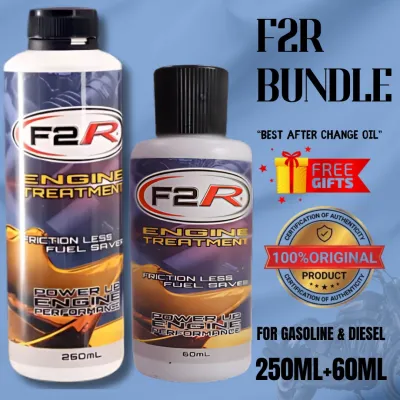
Prices are valid at publication and may change. Please refer to the product page for the latest price.
If you do not have the physical manual, you can often find key specifications directly on the vehicle. Many manufacturers stamp the recommended oil viscosity or the total oil capacity directly onto the engine crankcase, near the oil filler cap, or on the dipstick itself. Checking these physical markings provides a quick, on-the-spot reference.
When both the manual and physical markings are unavailable, contact an authorized dealer or visit the manufacturer’s official website. Authorized service centers can look up your vehicle’s details to confirm the exact lubrication requirements. Avoid relying on generic online forums, as specifications can change between different model years and regional variants of the F2R engine.
Understanding Viscosity Grades and Climate Adjustments
Engine oil viscosity is designated by a numerical code established by the SAE, such as 10W-40 or 10W-30. The first number, followed by “W” (winter), indicates the oil’s flow characteristics at low temperatures during startup. A lower number means the oil flows more easily when the engine is cold, ensuring rapid lubrication of moving parts immediately after ignition.

The second number represents the oil’s viscosity at high operating temperatures, typically measured at 100 degrees Celsius. A higher second number indicates that the oil remains thicker and maintains a stronger protective film under extreme heat. In tropical climates like the Philippines, where ambient temperatures and humidity remain consistently high, choosing an oil with an appropriate high-temperature rating is vital to prevent the lubricant from thinning out excessively under heavy loads.
While some riders consider adjusting their oil viscosity as the engine ages and internal clearances increase, any deviation from the standard recommendation must remain strictly within the manufacturer-approved ranges. Using an oil that is too thick in an attempt to quieten a noisy, high-mileage engine can restrict oil flow through narrow passages, leading to localized overheating. Always verify that any alternative viscosity is explicitly permitted in your vehicle’s official climate-viscosity chart.
Decoding API and JASO Standards: What They Mean for Your Engine
Beyond viscosity, engine oils are classified by performance standards that define their chemical composition and additive packages. The API service category, indicated by letters such as SL, SM, SN, or SP, reflects the oil’s ability to control sludge, resist oxidation, and prevent wear. Newer API categories are generally backward-compatible, but you must ensure the oil meets or exceeds the minimum category specified for your F2R engine.
For motorcycles and scooters, the JASO standard is arguably the most critical specification to verify. JASO classifies oils into two primary categories: JASO MA (including MA1 and MA2) and JASO MB. JASO MA oils are formulated with specific friction properties designed for wet-clutch systems, where the engine oil also lubricates the clutch plates. JASO MB oils, on the other hand, contain friction modifiers designed for dry-clutch systems, such as those found in automatic continuously variable transmissions (CVTs) common in modern scooters.
Using a friction-modified automotive oil or a JASO MB oil in a wet-clutch F2R engine can cause the clutch plates to slip, leading to power loss, overheating, and rapid clutch wear. Conversely, using a JASO MA oil in a dry-clutch scooter engine will not cause clutch slippage, but it may not provide the optimal fuel efficiency that a low-friction JASO MB oil offers. Always match the JASO specification precisely to your vehicle’s transmission design.
Purchasing Checklist: Ensuring Authenticity and Correct Specs
Before checking out or handing over your hard-earned ₱ at the counter, perform a thorough cross-reference of the oil bottle’s label. Ensure that the SAE viscosity grade, the API service category, and the JASO rating match the exact specifications documented in your owner’s manual. Even a slight variation in these ratings can impact engine performance and longevity.
Inspect the physical packaging of the oil bottle carefully to protect your engine from counterfeit products. Genuine lubricants feature high-quality label printing, intact tamper-evident security seals under the cap, and clearly printed batch numbers with production dates. Many reputable brands also include QR codes or holographic seals that allow you to verify the product’s authenticity online.
To minimize the risk of purchasing substandard or counterfeit oil, source your lubricants exclusively from authorized automotive parts distributors, official brand stores, or established service centers. While unverified sellers on online marketplaces may offer lower prices, the potential cost of engine damage far outweighs any minor savings. Investing in genuine, manufacturer-approved oil is the most cost-effective way to safeguard your F2R engine.
Frequently Asked Questions (FAQ)
Can I use standard car engine oil in my F2R scooter?
You should not use standard passenger car engine oil in your F2R scooter unless it is explicitly approved by the manufacturer. Car engine oils often contain friction modifiers designed to maximize fuel economy in automotive engines. If your F2R model utilizes a wet clutch, these friction modifiers will cause the clutch to slip, leading to transmission damage and poor performance.
How often should I change the oil in an F2R engine?
The recommended oil change interval is determined by the vehicle manufacturer and is detailed in the maintenance schedule of your owner’s manual. However, if you frequently ride in severe conditions—such as heavy stop-and-go traffic in hot tropical climates, dusty environments, or short trips where the engine does not reach full operating temperature—you should change the oil more frequently to prevent sludge buildup.
What happens if I use the wrong oil viscosity?
Using the wrong oil viscosity can compromise engine protection and performance. If the oil is too thin, it cannot maintain a sufficient protective film between moving parts, leading to increased metal-to-metal contact, overheating, and accelerated wear. If the oil is too thick, it will flow slowly during cold starts, increase internal drag, reduce fuel efficiency, and cause sluggish acceleration.
Community discussion
Share your experience or ask a question. Comments are reviewed before publication.