
Navigating the unpaved provincial roads of the Philippines on a solo road trip exposes you to a harsh mix of fine volcanic ash, pulverized limestone, and thick dust clouds kicked up by passing provincial buses, jeepneys, and heavy trucks. Finding the best face protection face cover requires balancing high-efficiency particulate filtration with the high humidity and intense heat of a tropical climate. Because you are traveling solo, you must manage your own comfort and safety without the convenience of a passenger to help adjust your gear on the go. The ideal choice is not a one-size-fits-all solution; instead, it depends on your vehicle type, helmet configuration, and how long you plan to spend on rough, unpaved bypass roads.
Identifying Your Protection Needs on Unpaved Routes
Distinguishing between large windblown debris and fine particulate dust is the first step in choosing your gear. Large debris, such as loose gravel, dry leaves, and insects, can cause physical impact pain when kicked up by vehicles ahead of you. Fine particulate dust, however, remains suspended in the air long after a vehicle has passed, easily bypassing loose fabrics and entering your respiratory system. If your route includes newly graded dirt roads or dry riverbeds, the concentration of fine dust will be significantly higher than on standard paved routes.
Evaluating the duration of your exposure and your physical exertion levels will help narrow down your options. Riding a motorcycle or driving an open-sided vehicle on a long provincial stretch means hours of continuous exposure to the elements. High physical exertion, especially when navigating technical, bumpy terrain, increases your breathing rate. This means you need a cover that does not restrict airflow to the point of causing fatigue, dizziness, or heat exhaustion.
Products mentioned in this guide
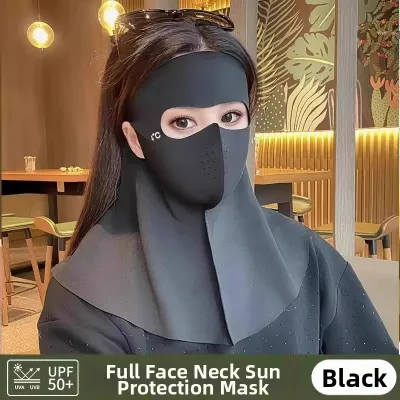
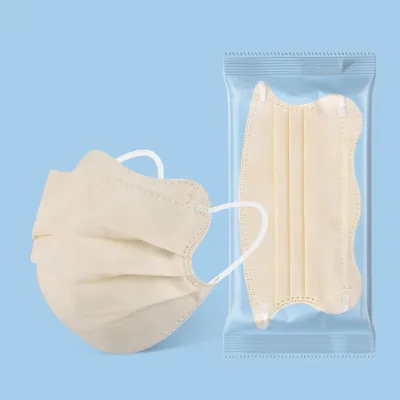
Prices are valid at publication and may change. Please refer to the product page for the latest price.
Finding the right balance between maximum filtration and breathing resistance is crucial in hot weather. High-efficiency filters block the smallest dust particles but can feel suffocating in high humidity. You must evaluate whether your route consists of brief dusty detours or hours of continuous dirt roads to decide how heavy your filtration needs to be. For short dusty stretches, a lighter, more breathable cover may suffice, while prolonged exposure demands a dedicated filtration layer.
Essential Features for Dust and Debris Protection
Fabric weave density and the presence of dedicated filtration layers are critical for blocking fine road dust. A tight weave, such as high-density polyester or specialized microfiber, helps block larger dust particles even without an insert. For superior protection against fine particulates, look for face covers that feature dedicated filter pockets designed to hold replaceable multi-layer filters. Investing in a high-quality, reusable cover that costs between ₱300 and ₱800 is often more economical and protective than relying on cheap, single-use alternatives.

Moisture-wicking properties are essential for maintaining comfort in tropical climates where sweat accumulates quickly around the mouth and nose. A face cover made of quick-dry, moisture-wicking fabric prevents the material from becoming heavy, soggy, and restrictive. This breathability trade-off is vital, as wet fabric loses its filtration efficiency and can cause skin irritation during long hours on the road. Look for materials blended with spandex or nylon, which offer both stretch and rapid drying capabilities.
Secure fit mechanisms prevent the cover from slipping down your face, which is a major safety hazard when you need both hands on the vehicle controls. Prioritize designs with adjustable ear loops, rear hook-and-loop fasteners, or flexible nose clips that conform to your facial structure. A secure fit ensures the cover stays in place over rough, bumpy provincial roads without requiring constant manual adjustments. If the cover slips down repeatedly, it defeats the purpose of wearing protection and distracts you from the road.
Comparing Common Face Cover Styles for Road Trips
Full-coverage designs, such as balaclavas and neck gaiters, offer seamless protection for the neck, ears, and head. This design prevents dust from creeping under your collar or helmet lining, keeping your skin clean and free from chafing. However, full-coverage options retain significant heat, which can become uncomfortable during midday rides in lowland provinces. If you choose a balaclava, look for ultra-thin, cooling fabrics designed specifically for hot-weather motorsports.
Dedicated particulate masks offer structured fits and superior seals around the nose and mouth, making them highly effective against fine dust. In contrast, multi-use fabric wraps, like traditional bandanas, are highly versatile and breathable but lack a tight seal, allowing fine dust to bypass the edges. Balancing dust blocking with ease of adjustment is key when choosing between these two styles. For routes with heavy, lingering dust clouds, the structured mask is almost always the safer choice for your lungs.
Pull-on tubes are incredibly convenient to slide down around your neck when stopping at a local roadside eatery or sari-sari store. Strap-secured covers or half-masks require more effort to put on and take off but generally provide a more reliable, non-slip fit during active riding. Consider how frequently you plan to stop when deciding which style fits your travel flow. If you are making frequent stops to check maps or take photos, a quick-adjust tube might offer the best balance of convenience and protection.
Ensuring Compatibility with Travel Gear and Eyewear
If you ride a motorcycle, your face cover must integrate seamlessly with your helmet without bunching up or shifting. Thick seams or bulky plastic adjusters can create painful pressure points against your skull or ears after an hour of riding. Choosing a seamless or low-profile design ensures your neck mobility remains completely unobstructed. Always test the face cover with your helmet on before departing to ensure it does not pull the helmet down or restrict your ability to turn your head.
Eyewear fogging is a common hazard when warm, moist exhaled air escapes upward into your riding goggles, sunglasses, or helmet visor. To maintain clear vision, choose a face cover with a moldable nose bridge or built-in downward-facing ventilation. This design directs exhaled air away from your eyewear, preventing sudden fogging during sudden temperature changes. Clear vision is your primary safety asset, so any cover that causes your lenses to fog up should be adjusted or replaced immediately.
Ensure the upper edge of the face cover does not ride up too high under your eyes and obstruct your sightlines. A cover that pinches your cheeks upward or slides up during head checks can dangerously restrict your peripheral vision. Verifying a clear field of view is essential for navigating busy provincial intersections and spotting road hazards early. Adjust the straps or nose clip to keep the material securely positioned below your lower eyelids.
Maintaining and Cleaning Your Face Cover During Solo Travel
After completing a dusty stretch of road, stop in a safe area to shake out and gently brush off the accumulated dust from the exterior of your cover. Avoid slapping the cover against hard surfaces, as this can force fine dust deeper into the fabric fibers or damage delicate filter membranes. Regular, gentle dust removal keeps the material breathable and extends the life of any internal filters.
Solo travel often means limited access to laundry facilities, making quick-drying materials a necessity. Wash your reusable face cover daily using mild soap and clean water, then hang it in a well-ventilated area. In humid tropical regions, you can use an electric fan in your guesthouse or hang the cover near an open window to ensure it dries completely overnight. Wearing a damp cover encourages the growth of mold, mildew, and bacteria, which can lead to unpleasant odors and skin breakouts.
Never toss a dusty or freshly washed face cover loose into your tank bag or backpack where it can collect grease and grime. Keep a clean, resealable plastic bag or a dedicated breathable pouch in your travel gear specifically to store your face cover when it is not in use. This simple practice keeps your protective gear hygienic and ready for the next leg of your journey, ensuring you do not introduce dirt directly to your face.
Frequently Asked Questions (FAQ)
Can a standard cloth bandana effectively block fine road dust?
A standard cloth bandana is excellent for blocking larger debris, insects, and wind, but its loose weave offers minimal protection against fine, powdery road dust. To improve its effectiveness, you can fold it into multiple layers or wear a dedicated filter insert underneath, though a structured mask remains more reliable for fine particulates.
How often should I wash my face cover during a multi-day solo trip?
You should wash your face cover at the end of every riding day, or sooner if you notice visible dirt buildup, a damp texture from sweat, or increased breathing resistance. Accumulated sweat and road grime not only reduce the fabric’s breathability but can also cause skin irritation and breakouts during long trips.
Are face covers with exhalation valves better for long rides?
Exhalation valves are highly beneficial for long rides in hot weather because they allow heat and moisture to escape quickly, reducing eyewear fogging and keeping the interior cooler. However, you must ensure the valve mechanism is high-quality and clean, as cheap or dirty valves can sometimes let fine dust leak inward during heavy dust storms.
Community discussion
Share your experience or ask a question. Comments are reviewed before publication.