
For daily commuters navigating the busy streets of cities like Manila, Cebu, or Davao on a Honda Beat, selecting the right honda beat seat cover material is a balance between thermal comfort, wet-weather resilience, and long-term durability. The Honda Beat is a popular choice for daily transportation due to its fuel efficiency and agile handling, but spending hours on its stock seat during a daily commute can quickly become uncomfortable. There is no single perfect material for every rider, but for the typical tropical climate of the Philippines, choosing between synthetic leather, PVC, mesh, or gel inserts requires evaluating how each handles intense heat and heavy rain. Understanding how these materials perform under daily wear and tear will help you choose an option that keeps your commute comfortable and your scooter’s original seat protected.
Key Factors for Choosing a Daily Commuter Honda Beat Seat Cover
Comfort and Ergonomics Daily commuting involves long hours sitting in traffic, where pressure distribution and cushioning support are critical to preventing rider fatigue. The stock seat foam of a compact scooter like the Honda Beat is relatively thin to maintain a low seat height, which means the seat cover material must work in tandem with the underlying foam. A material with high flexibility and elasticity allows the rider’s weight to distribute more evenly across the seat surface, reducing localized pressure points on the sit bones. Conversely, a stiff or overly tight cover can restrict the natural compression of the seat foam, making the ride feel significantly harder and increasing fatigue during extended trips.
Grip and Stability Maintaining a stable riding posture is essential for safety and control, particularly during the constant acceleration, braking, and cornering of stop-and-go city traffic. The surface texture of your seat cover directly influences how much you slide forward or backward when navigating roads. A cover with poor grip forces the rider to constantly adjust their position, which strains the wrists, lower back, and thighs over time. Textured surfaces or materials with high friction coefficients help keep your body planted, allowing you to maintain proper riding posture and vehicle control without unnecessary physical exertion.
Products mentioned in this guide
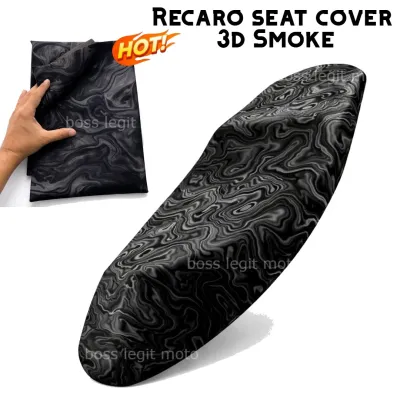
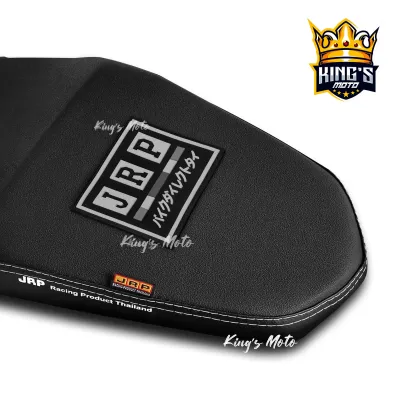
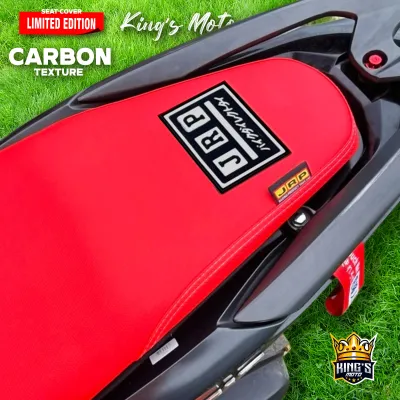
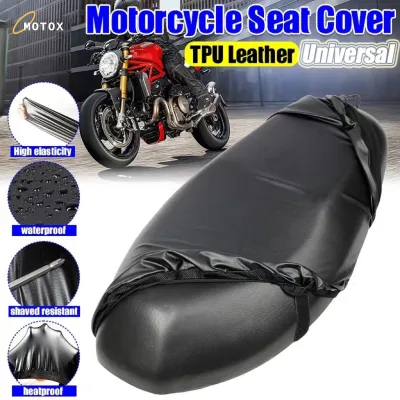
Prices are valid at publication and may change. Please refer to the product page for the latest price.
Durability and Wear Resistance A commuter scooter is exposed to harsh environmental factors and physical wear on a daily basis. The seat cover must withstand constant friction from various clothing fabrics, including heavy denim, work trousers, and abrasive rain gear. Additionally, the intense ultraviolet radiation from the sun can rapidly degrade low-quality materials, causing them to dry out, lose their elasticity, and eventually crack. Selecting a material with proven wear resistance and UV stabilizers ensures that the cover remains intact and functional for years, protecting the underlying foam from exposure to the elements.
Weather Adaptability In a tropical climate, a seat cover must balance two conflicting requirements: water resistance and breathability. During the dry season, a non-breathable cover can trap heat and perspiration, leading to extreme discomfort and sweaty riding gear. During the wet season, however, absolute water resistance is necessary to prevent rainwater from soaking into the seat foam, which can take days to dry and cause unpleasant odors. Commuters must weigh these factors carefully, deciding whether to prioritize the cooling airflow of breathable fabrics or the impervious protection of waterproof synthetic materials.
Comparing Seat Cover Materials for Everyday Use
Selecting the right material requires a direct comparison of the options available in the aftermarket. Each material offers distinct advantages and trade-offs in terms of comfort, weather protection, maintenance, and cost.

| Material Type | General Comfort | Grip Characteristics | Water Resistance | Maintenance Effort | Price Range |
|---|---|---|---|---|---|
| Synthetic Leather (PU) | Moderate to High | Moderate (depends on texture) | High (requires sealed seams) | Low (wipe clean with damp cloth) | ₱350 – ₱800 |
| PVC and Vinyl | Moderate | Low to Moderate (smooth vs. embossed) | Excellent (completely waterproof) | Very Low (highly resistant to stains) | ₱150 – ₱400 |
| Mesh and Breathable Fabrics | High (excellent airflow) | Excellent (rough texture prevents sliding) | Low (absorbs and passes water) | Moderate (requires drying after rain) | ₱200 – ₱500 |
| Gel Pads and 3D Inserts | Very High (excellent pressure relief) | N/A (usually used as an underlayer) | Moderate (depends on outer cover) | High (if integrated externally) | ₱600 – ₱1,500 |
Leather and Synthetic Leather (PU)
Polyurethane (PU) synthetic leather is a popular choice for riders who want to maintain a premium, clean look on their Honda Beat. This material closely mimics the appearance and texture of genuine leather while offering better resistance to moisture and stretching at a fraction of the cost. The smooth surface of synthetic leather makes it incredibly easy to wipe clean after a rain shower or a dusty ride, requiring only a quick pass with a microfiber cloth to restore its appearance.
However, the performance of synthetic leather can vary significantly based on the quality of manufacturing and the presence of protective coatings. When shopping for a PU leather cover, it is highly advisable to check the manufacturer’s specifications for explicit UV resistance ratings, as untreated PU can crack and peel after prolonged exposure to intense sunlight. Additionally, pay close attention to the seam construction; covers with unsealed or poorly stitched seams can allow water to seep through the needle holes, trapping moisture within the seat foam and leading to internal rot.
PVC and Vinyl
Polyvinyl chloride (PVC), commonly referred to as vinyl, is the most cost-effective and water-resistant material option for commuter scooters. PVC is inherently non-porous, meaning it acts as an absolute barrier against water, oil, and dirt. This makes it an exceptionally practical choice for the unpredictable weather of the rainy season, as rainwater cannot penetrate the material and can be wiped off completely in seconds. PVC covers are also highly resistant to staining and chemical damage, making them easy to maintain with basic household cleaning solutions.
Despite these practical advantages, PVC has notable drawbacks regarding comfort and temperature sensitivity. In cooler or air-conditioned environments, such as multi-level parking garages, PVC can become noticeably stiff and rigid, reducing the flexibility of the seat. Conversely, when parked under direct sunlight, PVC absorbs heat rapidly and can become uncomfortably hot to the touch. Furthermore, smooth PVC surfaces offer very little grip, causing the rider to slide forward during sudden stops; therefore, it is crucial to look for PVC covers with pronounced surface embossing or textured patterns to ensure adequate traction.
Mesh and Breathable Fabrics
Mesh seat covers, often constructed from heavy-duty polyester or nylon fibers woven into a three-dimensional open structure, are designed specifically to maximize airflow. By creating a physical gap of several millimeters between the rider’s body and the solid seat surface, mesh covers allow air to circulate freely beneath the rider, dramatically reducing heat buildup and perspiration during long midday commutes. The rough, woven texture of mesh also provides exceptional grip, preventing any unwanted sliding even when wearing smooth synthetic clothing.
The primary trade-off with mesh and other breathable fabrics is their lack of water resistance. During a rainstorm, water passes directly through the open mesh structure; while some high-quality covers feature water-repellent coatings on the individual fibers, the open spaces will still allow water to reach the underlying seat. If your Honda Beat is parked in the rain, a mesh cover will retain water within its structure, requiring a significant drying time before you can ride without getting your clothes wet. Commuters who choose mesh must be prepared to remove the cover during heavy downpours or verify that the material has a rapid-drying design.
Gel Pads and 3D Spacer Inserts
Gel pads and 3D spacer inserts are specialized comfort solutions designed to address severe pressure points and rider fatigue. Unlike standard slip-on covers, these inserts are typically installed beneath the outer seat cover or integrated into a multi-layered aftermarket seat assembly. Gel is highly effective at absorbing road vibrations and distributing the rider’s weight across a larger surface area, making it an excellent option for commuters who travel long distances over poorly maintained roads.
Before purchasing a gel pad or 3D spacer insert kit, it is critical to verify its compatibility with the specific seat profile of the Honda Beat. Because the Honda Beat has a relatively narrow and contoured seat shape, generic or oversized gel pads may not sit flat, leading to awkward bulges or shifting during rides. Additionally, gel inserts can add noticeable weight and thickness to the seat, which may slightly alter your riding position or make it more difficult for shorter riders to plant their feet firmly on the ground.
Adapting to Tropical Weather and Riding Conditions
Heat Management The tropical climate of the Philippines presents a unique challenge for motorcycle seat maintenance, as ambient temperatures often exceed 35°C, and surface temperatures on dark materials can climb much higher under direct sunlight. Dark-colored seat covers, particularly solid black synthetic leather or PVC, absorb solar radiation rapidly, turning the seat into a heat sink that can cause physical discomfort or even mild burns upon mounting. To mitigate this heat buildup, look for seat covers that incorporate light-colored panels, reflective stitching, or specialized heat-reflective surface coatings. These features help bounce solar energy away from the seat, keeping the surface temperature manageable even when parked in open-air lots.
Moisture and Humidity High relative humidity, which frequently hovers above 80% in tropical regions, accelerates the degradation of organic and synthetic materials alike. When a non-breathable seat cover is fitted over a damp seat, moisture becomes trapped in the dark, warm space between the cover and the foam, creating an ideal breeding ground for mold, mildew, and bacteria. Over time, this trapped moisture breaks down the polyurethane foam of the original seat, causing it to lose its resiliency and crumble. To prevent this, ensure your chosen seat cover features built-in drainage grommets, mesh ventilation borders, or a breathable backing layer that allows trapped moisture to evaporate naturally.
Observable Signs of Degradation To avoid unexpected failures or damage to your scooter’s original seat structure, it is important to regularly inspect your seat cover for signs of wear. The combination of UV exposure, humidity, and physical friction will eventually break down even the highest-quality materials. Use the following checklist to identify when your seat cover has reached the end of its functional lifespan and requires replacement:
- Surface Cracking: Fine hairline cracks appearing along the high-stress areas, such as the side folds where the rider's thighs rub against the seat.
- Peeling and Flaking: The top polyurethane layer separating from the fabric backing on synthetic leather covers, exposing the fibrous underlayer.
- Loss of Grip: The embossed texture or non-slip pattern wearing smooth, resulting in a slippery surface during acceleration and braking.
- Stiffening and Hardening: The material losing its pliability and becoming brittle, which indicates that the plasticizers in PVC or vinyl have evaporated.
- Persistent Odor: A musty or sour smell emanating from the seat, indicating that water has penetrated the cover and mold is growing within the foam.
Fitment, Safety, and Pre-Purchase Checks
Model Compatibility Before purchasing any aftermarket seat cover, you must verify the exact model year and variant of your Honda Beat. The Honda Beat has gone through multiple design generations in the Philippine market, including carbureted versions, early Fuel Injection (FI) models, and the more recent Gen 2 and Gen 3 variants like the Playful and Premium editions. While the overall frame of the scooter remains compact, the shape, length, and latching mechanism of the seat assembly have subtle differences between generations. Installing a cover designed for a different model year can prevent the seat from latching securely, which compromises safety, or it can pinch the rubber weather seal of the under-seat storage (U-box), allowing water to leak into your helmet compartment during a rainstorm.
Structural Integrity A properly fitted seat cover must not interfere with the mechanical operation of the seat assembly. When installing a wrap-around or staple-on cover, ensure that the material thickness does not prevent the seat hinges from rotating smoothly or put excessive strain on the plastic base pan. Excess material gathered near the latch mechanism can prevent the lock from engaging fully, risking the seat flying open while riding. If you are using heavy-duty staples or adhesive strips to secure the cover, verify that they do not penetrate the plastic base pan in areas where they could puncture the fuel tank or damage the electrical wiring routed beneath the seat.
Professional Installation Boundaries While many slip-on elastic seat covers can be easily installed at home, more complex modifications require a professional touch. If your chosen comfort upgrade involves removing the original seat cover, cutting or reshaping the original seat foam, or installing thick gel inserts, it is highly recommended to consult a qualified upholstery professional. Attempting to modify the seat foam without the proper tools can result in an uneven, uncomfortable surface and permanent damage to the seat structure. Furthermore, if your scooter has any aftermarket electrical modifications near the seat area, professional installation ensures that no wiring is pinched or short-circuited during the stapling process.
Frequently Asked Questions (FAQ)
How do I clean and maintain a synthetic leather seat cover?
To clean and maintain a synthetic leather (PU) or PVC seat cover, start by wiping away loose dust and dirt with a dry, soft microfiber cloth. Mix a small amount of mild, pH-neutral dish soap with warm water in a bucket, and use a damp cloth or soft sponge to gently scrub the surface of the cover, paying close attention to any textured areas where dirt can accumulate. Once clean, wipe the seat down with a separate cloth dampened with clean water to remove any soap residue, and allow it to air dry completely in a shaded area. Avoid using harsh chemical solvents, bleach, abrasive scrubbing pads, or high-pressure washers, as these can strip the protective UV-resistant coatings, weaken the stitched seams, and force water deep into the underlying seat foam.
Will an aftermarket seat cover void my Honda Beat warranty?
In general, installing a standard slip-on or staple-on aftermarket seat cover will not void your Honda Beat’s manufacturer warranty, as it is considered a cosmetic or non-structural accessory. However, the warranty terms may be affected if the installation process involves making permanent, destructive modifications to the original seat components, such as cutting the plastic seat pan, altering the frame mounts, or splicing into the scooter’s electrical wiring harness to install aftermarket accessories. To ensure your warranty remains fully intact, it is always advisable to check with your local authorized Honda dealer before performing any modifications that alter the structural or electrical integrity of the vehicle.
Community discussion
Share your experience or ask a question. Comments are reviewed before publication.